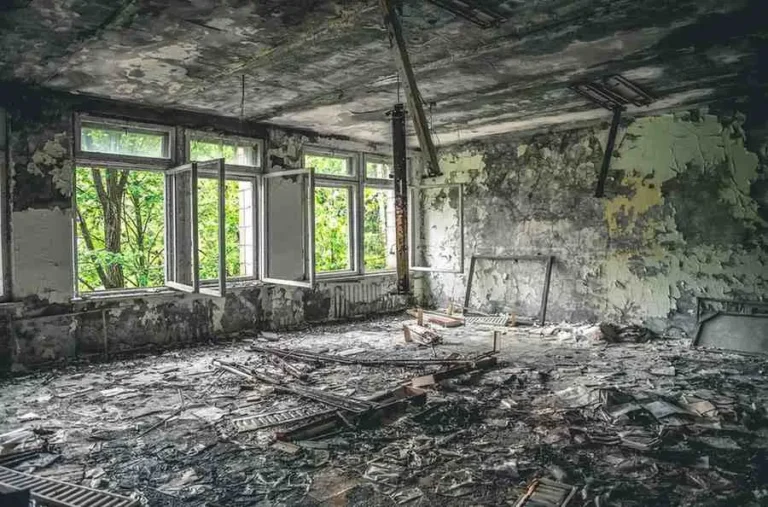
Losing your home to a fire is one of the most devastating experiences a homeowner can face. In a matter of hours, years of memories, comfort, and financial investment can be reduced to ash and rubble. But as overwhelming as that moment feels, Rebuilding Fire Damaged Home is entirely possible and with the right plan, the right team, and the right mindset, you can come back stronger than before.
At San Diego Home Remodeling, we’ve worked alongside families navigating this painful process, and we know that the road to recovery starts with clarity, not chaos. This guide walks you through every stage of fire damage home restoration from the first inspection to the final coat of paint.
Understanding the Full Scope of Fire Damage
Before any rebuilding begins, you need to understand what you’re actually dealing with. Fire damage is rarely limited to what you can see.
The four types of damage you’ll encounter:
- Structural damage: burnt framing, weakened walls, compromised roof systems
- Smoke and soot damage: penetrates deep into drywall, insulation, and HVAC systems
- Water damage: caused by firefighting efforts, often leading to mold within 24–72 hours
- Electrical and gas damage: among the most dangerous hidden hazards after a fire
A home may look partially salvageable on the outside but be structurally unsound within. This is why a professional inspection is non-negotiable before you make any decisions about whether to repair or fully rebuild.
Safety First: Before You Step Back Inside
Do not re-enter your home after a fire without clearance from the fire department or a licensed structural engineer. Even if the visible fire damage looks minor, there can be:
- Weakened floor joists that could collapse underfoot
- Active gas leaks or live electrical wiring
- Airborne toxic particles from burnt synthetic materials
- Mold beginning to spread in water-saturated areas
Your safety comes before your property. Wait for the green light from professionals before any walkthrough.
Fire Damage Assessment and Inspection
Once it’s safe to enter, a full damage assessment is your starting point. This typically involves:
- Structural engineers: evaluating the foundation, load-bearing walls, and roof
- Licensed contractors: identifying what can be salvaged versus what needs full replacement
- Environmental specialists: testing for toxic smoke residue, asbestos (in older homes), and mold
- A formal damage report: which you’ll need for your insurance claim and permit applications
This assessment is the backbone of your entire rebuilding plan. Skipping or rushing it leads to costly surprises down the road and is one of the most common mistakes homeowners make during house fire damage repair.
Planning the Rebuild: Budget, Permits, and Timeline
Once you have a clear damage report, you can begin building a realistic plan. Here’s what that involves:
Budget Estimation
The cost of rebuilding a fire damaged home varies widely. Minor structural repairs might run $20,000–$50,000, while a full rebuild can exceed $200,000 depending on the size of the home and your location. Your homeowner’s insurance will cover a significant portion but not always everything. Budget for unexpected costs, including permit fees, temporary housing, and material price fluctuations.
This is also a good moment to think about long-term value. Homeowners often ask: is it cheaper to buy a new home or remodel? In most cases, rebuilding on your existing lot especially with equity already established is the more financially sound choice. You retain your land, your neighborhood, and often your existing foundation.
Permits and Legal Approvals
Every phase of rebuilding requires permits for structural, electrical, plumbing, and mechanical. Your contractor should manage this process, but expect it to add weeks or even months to your timeline, depending on your local building department.
Timeline
For moderate damage, expect 3–6 months. For a full rebuild after a total loss, 12–18 months is realistic. Weather, material availability, and permit delays can all extend that window.
Cleaning, Debris Removal, and Decontamination
Before any reconstruction begins, the site needs to be thoroughly cleaned:
- Debris removal: Burnt materials, insulation, and compromised framing are safely removed and disposed of per local regulations
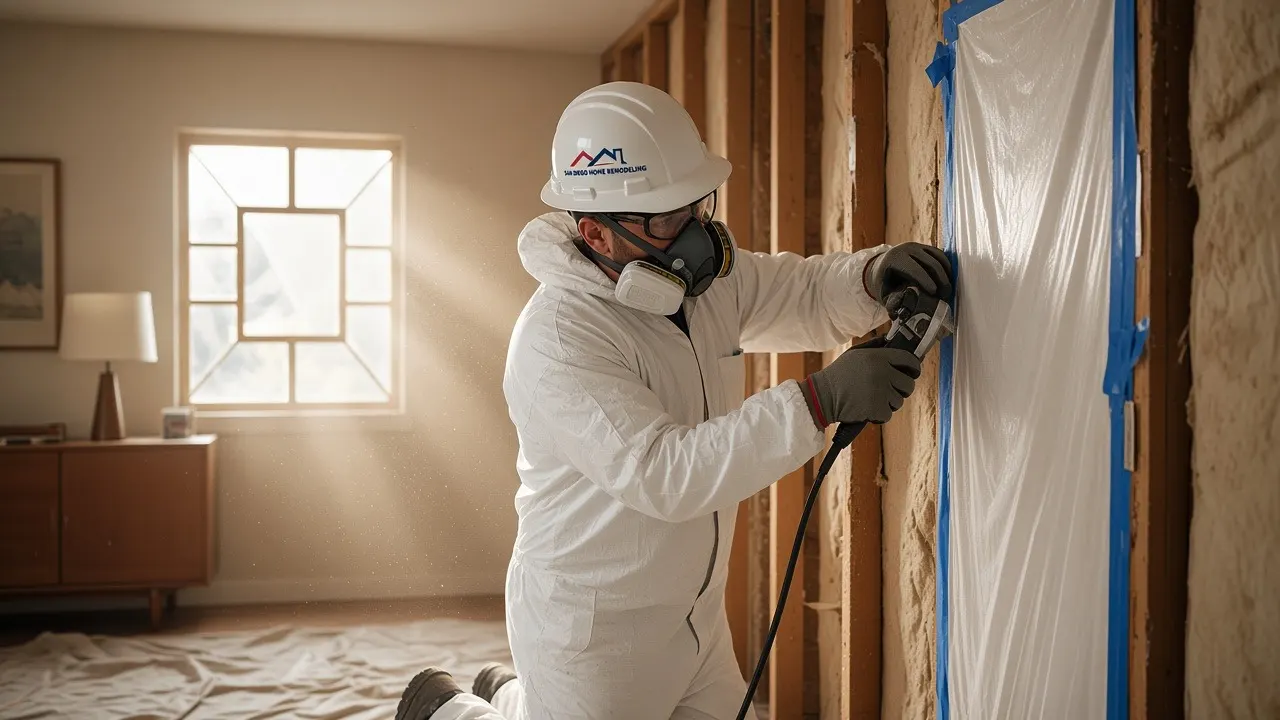
- Smoke and soot cleaning: Professional-grade equipment is required consumer products cannot reach deep soot contamination inside walls and ductwork
- Water damage mitigation: Industrial drying equipment, dehumidifiers, and mold prevention treatments are applied immediately
- Sanitization: The entire space is decontaminated before new materials are introduced
This phase is tedious, but it’s critical. Building over smoke-contaminated surfaces leads to persistent odor issues and potential health risks for years to come.
Structural Repair and Reconstruction
With a clean, safe site, physical rebuilding can begin. This stage covers:
- Foundation assessment and repair: cracks or shifting caused by heat and water must be addressed first
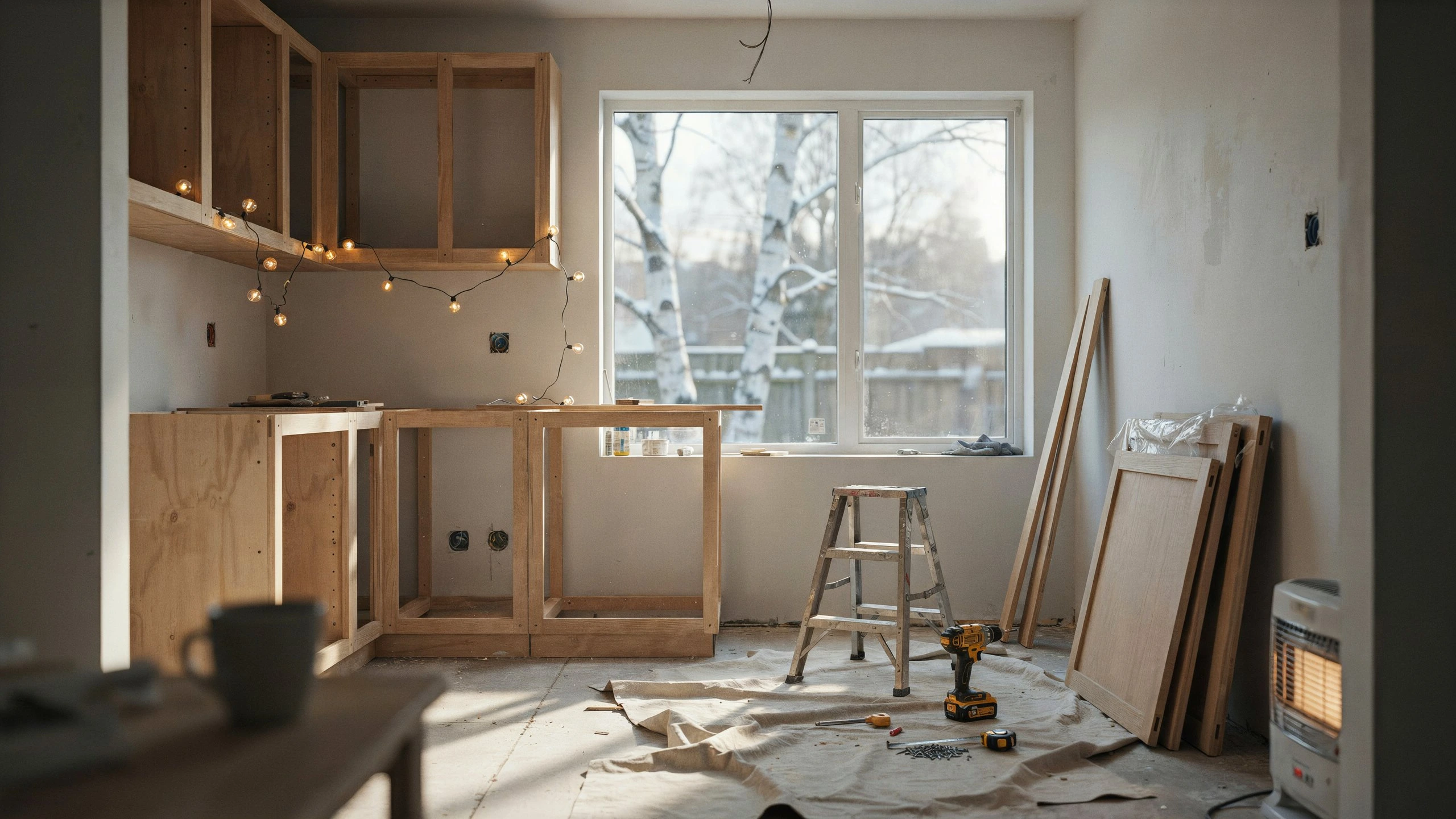
- Framing and wall reconstruction: damaged studs, beams, and headers are replaced to code
- Roof rebuilding: one of the most expensive components, often requiring full replacement
- Material upgrades: this is an opportunity to use better, stronger materials than what was originally installed
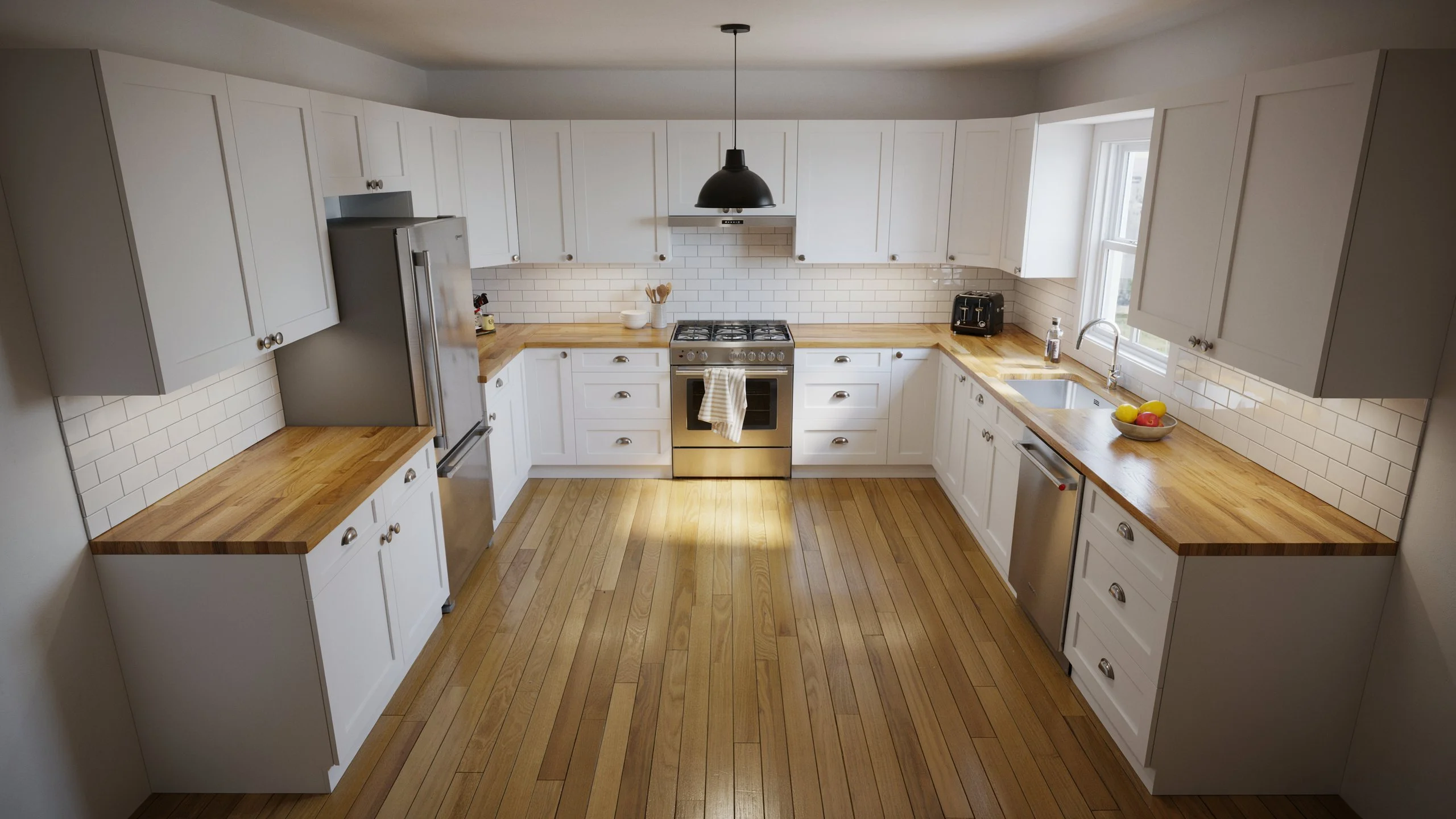
If you’ve ever browsed ranch style home remodel ideas, you know that rebuilding offers a genuine opportunity to improve your layout, flow, and functionality. Many homeowners use the rebuild as a chance to redesign room configurations, widen hallways, or add features they always wished they had.
Electrical, Plumbing, and HVAC Restoration
All three systems need to be inspected and in most fire cases, partially or fully replaced.
Electrical: Wiring exposed to heat becomes brittle and a fire hazard. A licensed electrician will evaluate every circuit, replace compromised wiring, and bring the panel up to current code. Do not cut corners here.
Plumbing: Pipes may have been damaged by heat or water pressure during firefighting. Full inspection is required. If your home is older, this is also a good time to replace aging supply lines.
HVAC: Smoke infiltrates ductwork deeply. In many cases, the entire system requires professional cleaning or replacement to prevent circulating contaminated air into your rebuilt home.
Interior Rebuilding and Finishing
This is where the home starts to feel like home again. The interior rebuild includes:
- Drywall installation and priming
- Flooring replacement hardwood, tile, or LVT depending on your budget and design goals
- Kitchen and bathroom reconstruction, often the most costly rooms per square foot
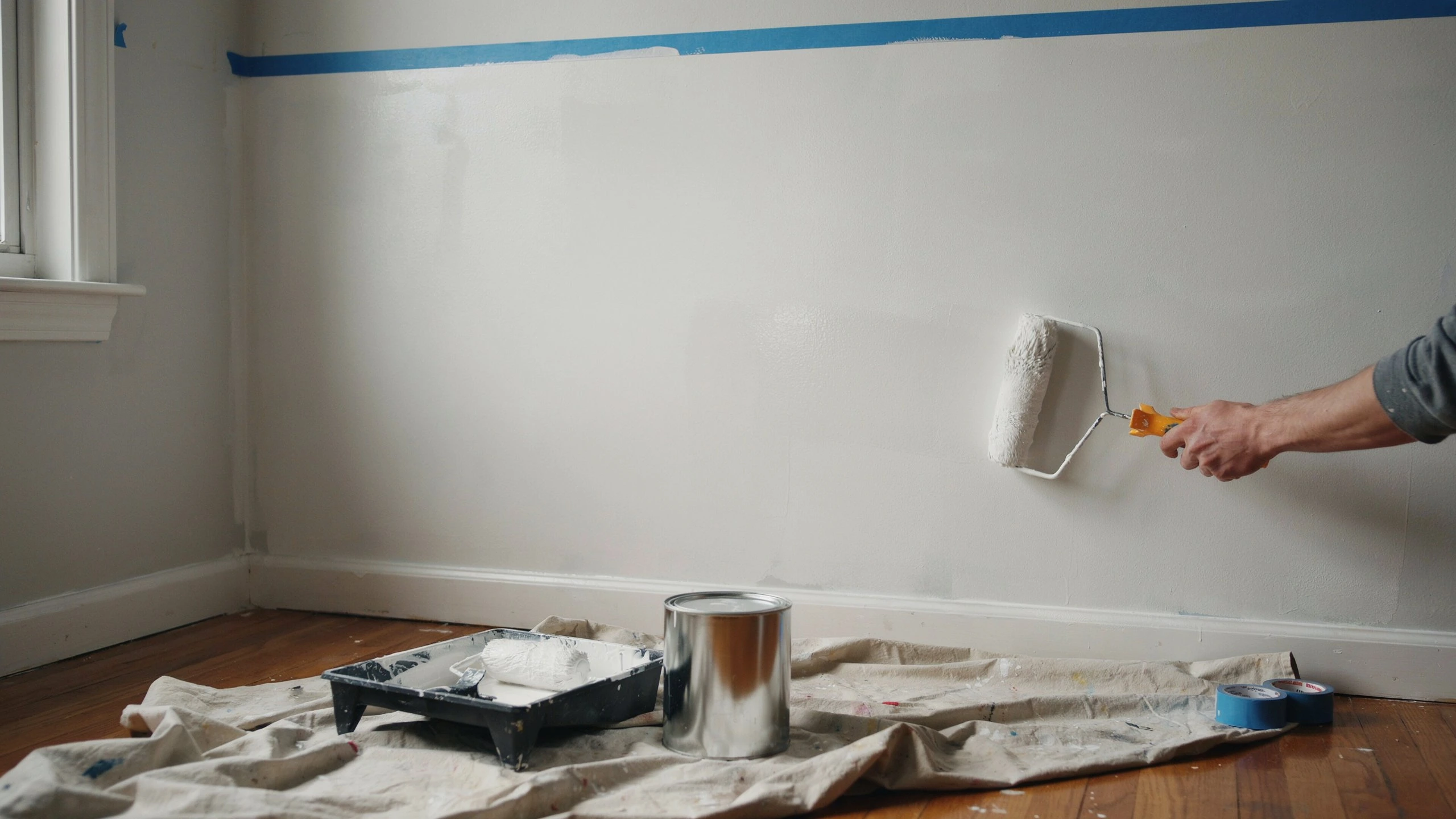
- Painting, trim work, and fixture installation
This phase also connects naturally to broader home improvement tips: choose materials with longevity in mind, opt for moisture-resistant drywall in bathrooms and kitchens, and consider radiant floor heating if your subfloor is already being replaced.
For San Diego Whole Home Remodeling projects that involve fire recovery, the team at San Diego Home Remodeling can help you plan an interior that’s not only restored but genuinely improved.
Fire-Resistant Upgrades Worth Making
Rebuilding gives you a rare opportunity to make your home safer than it was before the fire. Consider:
- Class A fire-rated roofing materials: (tile, metal, or treated shingles)
- Fire-resistant siding: fiber cement outperforms vinyl in fire scenarios
- Tempered glass windows: standard windows can shatter and allow fire to enter
- Interconnected smoke detectors: throughout every level and sleeping area
- Residential fire sprinkler systems: often eligible for insurance premium reductions
These upgrades also connect to top exterior home remodeling ideas that add real long-term value, not just safety. A fiber cement exterior with upgraded windows dramatically improves curb appeal while reducing fire risk.
Hiring the Right Professionals
This is not a DIY project. Rebuilding fire damaged homes requires a team:
- Licensed general contractors experienced in fire restoration
- Structural engineers for any load-bearing decisions
- Restoration specialists for smoke and water remediation
- Insurance adjusters to ensure your claim is properly valued
When choosing a contractor, ask for references specifically from fire restoration projects, verify licensing with your state board, and never pay the full contract upfront.
Cost Overview and Insurance Considerations
| Scope of Damage | Estimated Cost Range |
| Minor (smoke, cosmetic) | $10,000 – $30,000 |
| Moderate (partial structural) | $50,000 – $120,000 |
| Severe (full rebuild) | $150,000 – $300,000+ |
Your homeowner’s insurance policy should cover most of this, but document everything. Take photos, keep receipts, and maintain a log of all communications with your insurer. If your policy includes “additional living expenses” (ALE), you may also be reimbursed for temporary housing during the rebuild.
Home elevator cost and other specialty additions are typically not covered unless they were part of the original structure, so discuss any upgrades with your adjuster before installation.
Final Thoughts
Recovering from a house fire is a long journey emotionally, financially, and physically. But with the right plan, the right professionals, and the right mindset, rebuilding a fire damaged home is one of the most powerful second chances a homeowner can receive.
Don’t rush the process. Every step from inspection to fire-resistant upgrades exists to protect you and your family for the decades ahead.
If you’re navigating fire damage home restoration in Southern California, San Diego Home Remodeling is here to help. Our experienced team handles everything from structural assessment to final finishes, with the care and professionalism your family deserves.
Contact us today to schedule a consultation and take the first step toward rebuilding safely, smartly, and on your terms.
Frequently Asked Questions
How long does rebuilding a fire damaged home typically take?
It depends on the severity. Moderate damage repairs generally take 3–6 months, while a full rebuild after a total loss can take 12–18 months or longer. Permit processing and material availability are the most common causes of delay.
Can I live in my home during fire damage home restoration?
In most cases, no. Smoke-contaminated air, structural instability, and ongoing construction make the home unsafe for occupancy. Most homeowner’s insurance policies include temporary housing coverage and check your policy immediately after the fire.
What is the first step in house fire damage repair?
The very first step is getting a professional structural inspection to assess safety and document damage. Do not begin any cleanup or repairs before this is complete, as it protects both your safety and your insurance claim.
Is rebuilding after a fire covered by homeowner’s insurance?
Most standard homeowner’s policies cover fire damage restoration, including structural repairs, contents replacement, and temporary housing. However, coverage limits, deductibles, and exclusions vary. Review your policy carefully and work with a public adjuster if needed.
How do I prevent another fire after rebuilding?
Use fire-resistant materials wherever possible, install interconnected smoke detectors on every floor, consider a residential sprinkler system, and have your electrical system inspected every 5–10 years. These upgrades significantly reduce both risk and insurance premiums.