
A homeowner once asked us why one elevator quote said $28,000 and another said $61,000 for what looked like the same box. The honest answer is that home elevator cost rarely comes down to the cab itself; it comes down to your floor plan, your electrical panel, and how much construction has to happen before the elevator ever moves.
At San Diego Home Remodeling, we walk homeowners through this pricing puzzle regularly, and this guide breaks it down the way we actually explain it on-site.
Average Home Elevator Cost in 2026 (Quick Overview Table)
Most homeowners spend between $15,000 and $85,000 to install a residential elevator, with the final number driven mostly by elevator type and how much of the home needs to change to fit it.
| Elevator Type | Typical Installed Cost |
| Hydraulic/Cable-Driven | $15,000 to $35,000 |
| Pneumatic (Vacuum) | $35,000 to $60,000 |
| Traction (Geared/Gearless) | $25,000 to $55,000 |
| Shaftless/Through-the-Floor | $25,000 to $45,000 |
| Custom/Glass-Cab | $50,000 to $100,000+ |
The 6 Main Types of Home Elevators (and What They Actually Cost)
- Hydraulic/Cable-Driven systems use a motor-driven piston or cable and usually need a small pit. They run $15,000 to $35,000 and work well when a home already has usable shaft space.
- Pneumatic (Vacuum) elevators move on air pressure, so there is no pit or machine room. Expect $35,000 to $60,000; we have used these to avoid tearing into a finished basement slab, saving weeks of demolition.
- Traction Elevators (Geared vs. Gearless) use pulleys and counterweights. Gearless models are quieter and cost $29,000 to $55,000, handling three or more stops better than hydraulic systems.
- Shaftless/Through-the-Floor units ride on wall-mounted guide rails instead of a full shaft, keeping retrofit costs at $25,000 to $45,000 with a footprint as small as 3 by 4 feet.
- Vertical Platform Lifts are the budget option for wheelchair users who only need to clear one level, at $3,000 to $15,000, though they move slower and often sit outside rather than inside a finished stairwell.
- Custom and Luxury (Glass-Cab) elevators push pricing to $50,000 to $100,000 or more, usually chosen as an architectural feature rather than a hidden utility.
Home Elevator Cost by Drive System
Winding drum systems run $15,000 to $35,000, hydraulic drives run $20,000 to $45,000, geared traction runs $25,000 to $50,000, and gearless traction runs $40,000 to $65,000. Gearless costs more upfront but needs fewer part replacements over time.
What Size Elevator Do You Actually Need?
A small 32 by 32 inch cab handles one person or a wheelchair at 750 pounds. A medium cab at 38 by 45 inches fits a wheelchair plus one person. A door narrower than 32 inches will not clear most standard wheelchairs, so verify clearance before finalizing cab size, especially in older retrofits.
What Affects Home Elevator Cost the Most?
Residential elevator cost is really a sum of several variables most homeowners only budget for two or three of. Each added stop typically adds $5,000 to $15,000. Retrofits often run two to three times higher than new construction because of patching and access limits. Shaft and pit construction is usually the single biggest driver in an existing home, adding $8,000 to $20,000. A dedicated 220V circuit and panel upgrade adds $1,500 to $5,000, and labor typically runs $700 to $15,000 depending on local permitting complexity.
Inside a Real Site Visit: What We Check Before Quoting a Price
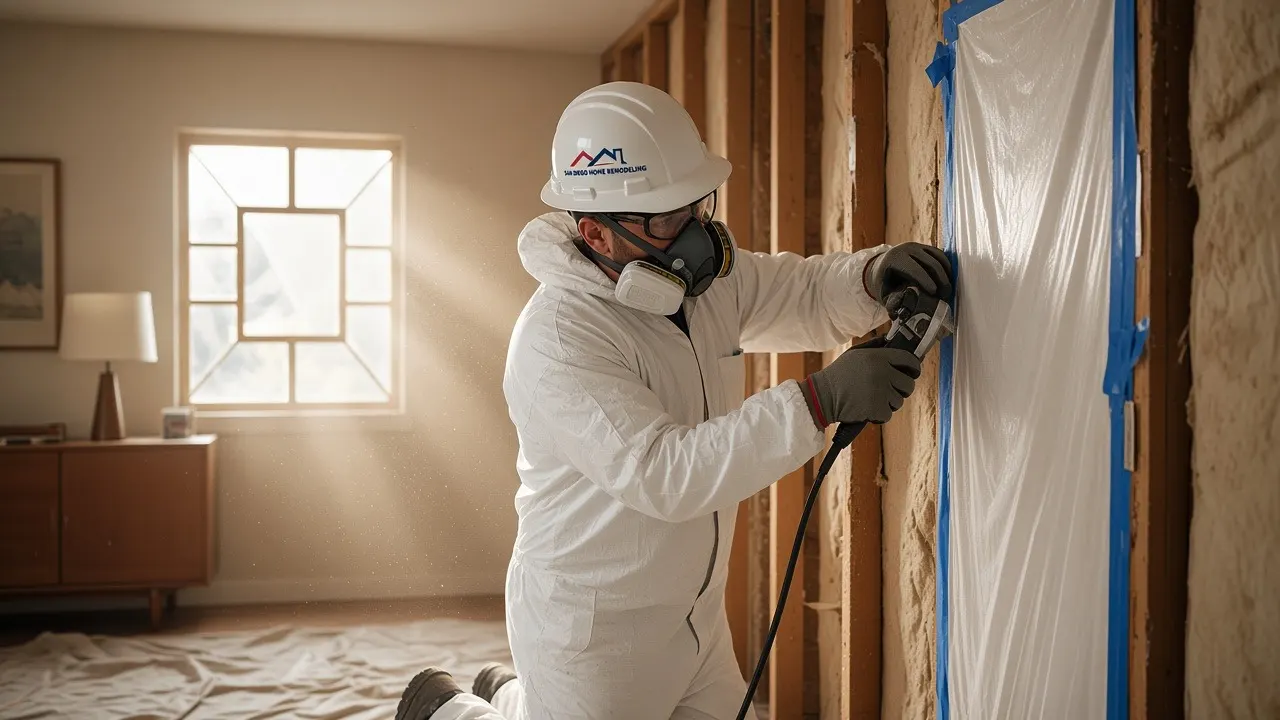
When our crew walks a home before quoting the elevator upgrade cost, we are not just measuring a closet. We check the electrical panel’s remaining capacity first, since a full panel changes the entire budget before we even discuss cab style. Next we pull an access panel or crawl the joist bay under the proposed shaft location, since homes built before 1980 frequently need reinforcement that never shows up on a spec sheet. We also test whether a coat closet or pantry can become a shaft without relocating plumbing, often the difference between a three-week project and a seven-week one. This is the step a phone quote skips, and it is usually why two quotes for the same house look nothing alike.
Build Your Own Estimate: A Step-by-Step Budget Walkthrough
Start with your base type from the table above, then add $5,000 to $15,000 per stop beyond the second floor, $2,000 to $8,000 for smart controls, and $8,000 to $20,000 if you are retrofitting. Add a 10 percent site-prep buffer, since structural surprises are common enough that we build them into every estimate.
Hidden and Additional Costs to Budget For
Homeowners usually price the unit and installation, then get surprised by structural reinforcement, cable replacement every three to five years, and homeowners insurance premiums that rise after installation, so ask your insurer before the project starts, not after.
Real Cost Breakdowns From Recent Installs
A recent two-story retrofit converting a coat closet into a shaftless elevator shaft came to $31,000 total, $24,000 of it for the unit and the rest for framing and permits. A three-story new construction traction elevator built into the original plans came to $42,000 with no demolition cost, since the shaft was framed alongside the house.
Red Flags in a Low Elevator Quote
Watch for a missing permits line item, no mention of your electrical panel capacity, a flat unit price with no labor breakdown, or no structural assessment for an older home. Installation labor is often 30 to 40 percent of total house elevator cost, and a quote that hides it usually adds it back later as a change order.
Why DIY or Unlicensed Installation Isn’t Worth the Savings
Home elevators operate under strict mechanical and electrical code for a reason. Incorrect installation can cause the cab to misalign, the doors to fail an interlock check, or the brake system to malfunction, none of which is worth the money saved by skipping a licensed installer.
How to Reduce Home Elevator Installation Costs
Plan the shaft early if you are already renovating, right-size the cab instead of paying for capacity you do not need, and choose shaftless or pneumatic systems for retrofits to avoid the most expensive part of the job. Get at least three quotes, since pricing for the same model can vary by thousands between installers. If you already have structural or electrical work planned, our San Diego Whole Home Remodeling team can coordinate the elevator installation with that scope to cut duplicate mobilization costs.
Home Elevator vs. Stair Lift vs. Vertical Platform Lift
| Factor | Elevator | Stair Lift | Platform Lift |
| Typical cost | $15,000 to $85,000 | $2,000 to $20,000 | $3,000 to $15,000 |
| Serves multiple floors | Yes | No | Rarely |
| Moves wheelchairs | Yes | No | Yes |
Is a Home Elevator Worth the Investment?
An elevator can add measurable value in homes where it matches the property’s overall quality, and it future-proofs a house for aging in place. Resale impact is not universal, though; some buyer pools see it as upkeep rather than a perk, so the payoff depends on your local market and your own timeline for staying in the home.
Financing, Safety Codes, and Maintenance
Most homeowners finance rather than pay cash, using a HELOC, a personal loan, installer financing, or a construction loan when the elevator is bundled into a larger remodel. Home elevators fall under ASME A17.1 safety code in most jurisdictions, covering door interlocks, emergency braking, and travel height, with a permitted structural review and final inspection required before use. Once installed, budget $200 to $350 a year for service, plus $2,000 to $3,000 every three to five years for cable replacement.
Questions to Ask Before You Sign a Quote
Before signing, confirm whether permits and electrical work are included, what the warranty covers, what happens if structural reinforcement is needed mid-project, and how the company handles inspection delays.
Final Thought
Home elevator cost is never a single figure. It depends on your home’s layout, the system you choose, and how much construction stands between where you are now and a finished installation. If you are weighing an elevator as part of a larger project, contact San Diego Home Remodeling to talk through what fits your home, your budget, and your timeline.
Frequently Asked Questions
What is the average home elevator cost in 2026?
Most installations fall between $15,000 and $85,000, depending on elevator type, number of stops, and whether the project is a retrofit or new construction.
Is residential elevator cost higher for older homes?
Yes, in most cases. Older homes often need structural reinforcement and electrical upgrades that new construction avoids, which raises the final house elevator cost.
Is a home elevator worth it if no one in the home uses a wheelchair?
It can be, especially for aging-in-place planning or moving furniture and groceries between floors, though the return depends more on convenience value than resale value alone.
What’s the most affordable legal way to add elevator access to a home?
A shaftless or through-the-floor elevator is usually the lowest elevator upgrade cost option for a retrofit, since it avoids building a full enclosed shaft.
Can I finance a home elevator?
Yes. Common options include home equity loans, personal loans, and installer financing plans, especially when the elevator is bundled into a larger renovation project.