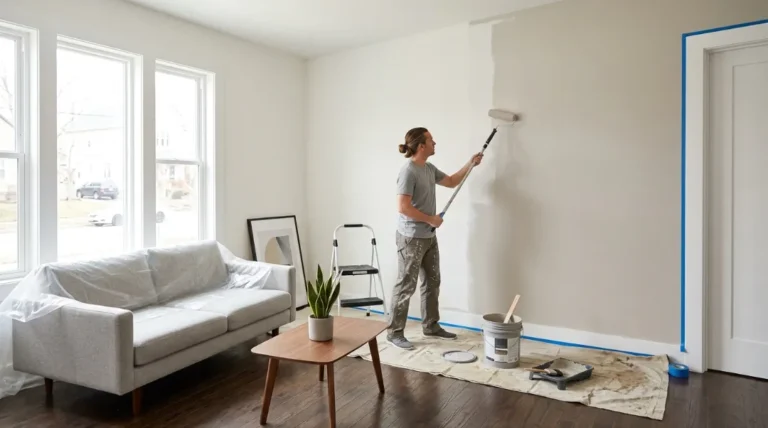
Most homeowners do not run out of ideas. They run out of budget, time, or patience halfway through a project. The best home improvement tips are not about doing more. They are about doing the right things in the right order.
At San Diego home remodeling, we see the same pattern again and again: a small, well-planned upgrade beats a big, rushed one almost every time. This guide walks through planning, room-by-room upgrades, energy savings, seasonal timing, and the warning signs that tell you to put the tools down.
Key Takeaways
- Fix leaks, moisture, and electrical concerns before any cosmetic work.
- Set aside a contingency fund for surprises hidden behind walls.
- Paint, lighting, hardware, and caulk give the biggest visual change for the least money.
- DIY suits cosmetic work. Structural, electrical, gas, and major plumbing work belongs to licensed pros.
- Match your projects to the season so weather and demand work in your favor.
How to Plan a Home Improvement Project the Right Way
Direct answer: Start with an honest assessment of your home, build a budget with a contingency, handle maintenance first, then decide what to DIY. San Diego home remodeling clients who follow this order tend to avoid the most expensive surprises, because problems get found before finishes cover them up.
Start With an Honest Home Assessment
Walk through every room with a notepad and a flashlight. Look for stains on ceilings, soft spots near tubs, doors that stick, windows that fog, and outlets that feel warm. Sort what you find into three lists: safety issues, function problems, and style wishes. Safety comes first, function second, style last. A home with a leaking roof does not need new throw pillows.
Build a Budget With a Real Contingency Fund
Price each project, then add a cushion for the unknown. A common rule of thumb among contractors is to hold back around 10 to 20 percent, with older homes needing more room. Opening a wall can reveal outdated wiring, rot, or pests, and you cannot price what you cannot see. Treat the contingency as part of the budget, not as optional extra money.
Fix Maintenance Issues Before Cosmetic Upgrades
Fresh paint over a damp wall will peel again. New flooring over a slow plumbing leak will warp. Repair gutters, drainage, roof flashing, plumbing drips, and ventilation first. Skipping this step is the most common way people waste money on beautiful work that fails within a year.
Know When to DIY and When to Call a Pro
A simple test: if a mistake can be undone with a weekend and a few supplies, it is a fair DIY job. If a mistake could cause fire, flooding, structural damage, or an unlicensed-work problem at resale, hire a professional. We cover this line in more detail later in the guide.
Home Improvement ROI at a Glance
Return on investment varies by neighborhood, home age, and quality of work, so treat any single number with caution. A better approach is to think in tiers:
Project type | Typical effort | Value pattern |
Paint, caulk, lighting, hardware | Low cost, weekend | Strong visual impact, quick payoff |
Landscaping and entry refresh | Low to moderate | Helps first impressions at sale |
Kitchen and bathroom updates | Moderate to high | Strong buyer appeal when done tastefully |
Energy upgrades | Moderate | Pays back through lower bills over time |
Large additions | Very high | Often the slowest payback |
If you plan to sell within two or three years, favor the top rows. If you plan to stay for a decade, comfort and efficiency deserve more weight than trends. For national cost-versus-value benchmarks, check the annual remodeling reports published by industry trade groups rather than relying on a blog’s guess.
Room-by-Room Home Improvement Tips
These tips on home improvement are grouped by room so you can tackle one space at a time.
Kitchen Upgrades That Pay Off
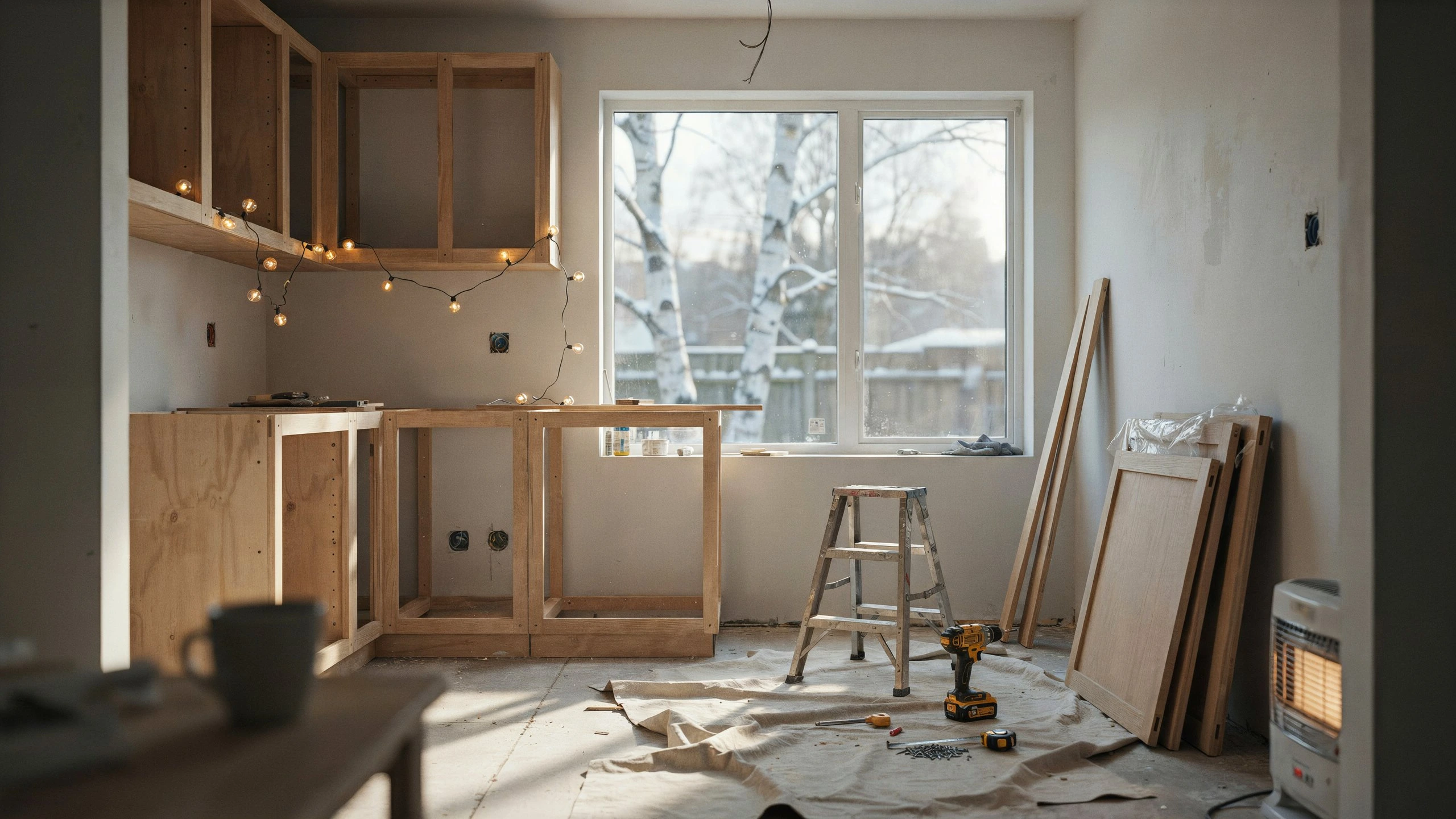
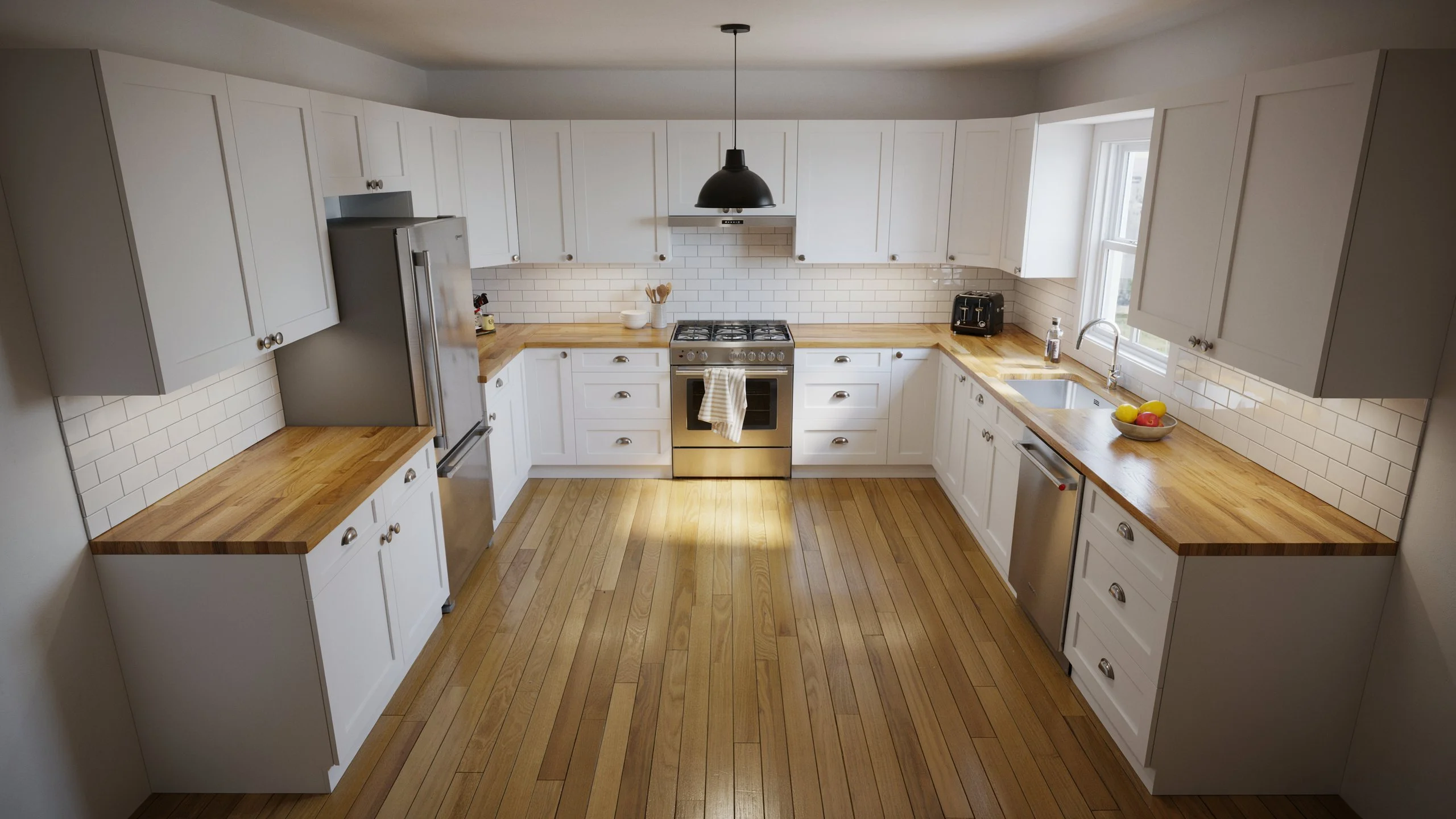
Start with what you touch daily. Replace worn cabinet pulls, add under-cabinet lighting, and swap a dated faucet. If cabinet boxes are solid, refinishing or repainting doors costs far less than replacing everything. When counters need replacing, think about the whole workflow: where you prep, where the trash goes, and whether the dishwasher door blocks the fridge. A layout that works beats a finish that only photographs well.
Bathroom Refresh Ideas Under $500
Bathrooms reward small moves. Re-caulk the tub and shower with fresh silicone, replace a cloudy mirror, install a new showerhead, and swap the vanity faucet. Regrouting a small tile area makes old tile look cleaner. Paint with a bathroom-rated, mildew-resistant finish. These are among the safest DIY Home Improvement Tips because the stakes are low and the results show immediately.
Living Room and Bedroom Quick Wins
Layered lighting changes a room more than most furniture does. Add warm bulbs, a floor lamp, and a dimmer where a licensed electrician or your comfort level allows. Move furniture away from walls to create flow, and hang curtains close to the ceiling to make rooms feel taller. In bedrooms, blackout curtains and decluttered nightstands do more for comfort than a full redesign.
Exterior and Curb Appeal Improvements
Pressure wash walkways, repaint the front door, replace house numbers, and upgrade the porch light. In dry climates like Southern California, drought-tolerant planting with mulch looks tidy and cuts watering. Check that soil slopes away from the foundation, because drainage problems quietly cause some of the costliest repairs.
Energy Efficiency and Smart Home Upgrades
Seal Gaps and Improve Insulation
Air leaks around doors, windows, outlets, and attic hatches waste conditioned air. Weatherstripping and caulk cost little and take an afternoon. Attic insulation is often the next most effective step, since heat moves through the roof in both directions.
Water-Saving Fixtures
Low-flow toilets, aerators, and efficient showerheads reduce water use without changing daily habits. Look for WaterSense-labeled products, a program run by the U.S. Environmental Protection Agency. Some local water agencies offer rebates, so check yours before buying.
Get a Professional Energy Audit
An audit can find duct leaks, insulation gaps, and drafts that you would never spot by eye. Ask whether the auditor uses a blower door test or thermal imaging, since those tools show where air actually escapes. Utility providers and the Department of Energy publish guidance on what to expect.
Smart Tech for Quick, Low-Cost Wins
A programmable thermostat, smart plugs for standby electronics, and motion-sensor lights are easy installs. Choose devices that work without a subscription, and confirm compatibility with your existing system before buying. Smart tech should simplify life, not add a new chore.
Seasonal Home Improvement Calendar
Timing affects both price and success. In mild coastal climates the calendar looks a bit different from the rest of the country, so adjust for local conditions.
- Winter: Interior painting, closet organization, bathroom updates, and planning. Contractor schedules can be more open.
- Spring: Roof and gutter checks, window cleaning, exterior inspection, landscaping.
- Summer: Exterior painting, decks, fencing, and outdoor projects. Avoid painting in direct midday sun.
- Fall: Heating system checks, weatherstripping, drainage prep before wet weather, and caulking.
If you are unsure how your list fits together, a Home Improvement Tips and tricks roadmap on paper helps. Number projects by priority and season, then cross them off.
Essential Tools and Materials Checklist for DIYers
You do not need a full workshop. A reliable starter kit covers most small jobs:
- Cordless drill and driver bit set
- Stud finder, level, and tape measure
- Utility knife, putty knife, and caulk gun
- Voltage tester (never assume a circuit is off)
- Safety glasses, work gloves, and dust masks
- Painter’s tape, drop cloths, and primer
- Assorted fasteners, wall anchors, and sandpaper
Buy quality for tools you will use often and borrow or rent specialty tools for one-time jobs. Keep a small box of spare tile, paint, and flooring from each project, since matching them later is difficult.
Common Mistakes Homeowners Make (And How to Avoid Them)
- Skipping the permit check. Some work requires permits, and unpermitted work can complicate a sale or insurance claim. Check with your local building department before you start.
- Starting too many projects at once. Half-finished rooms drag on morale and budgets. Finish one space before beginning the next.
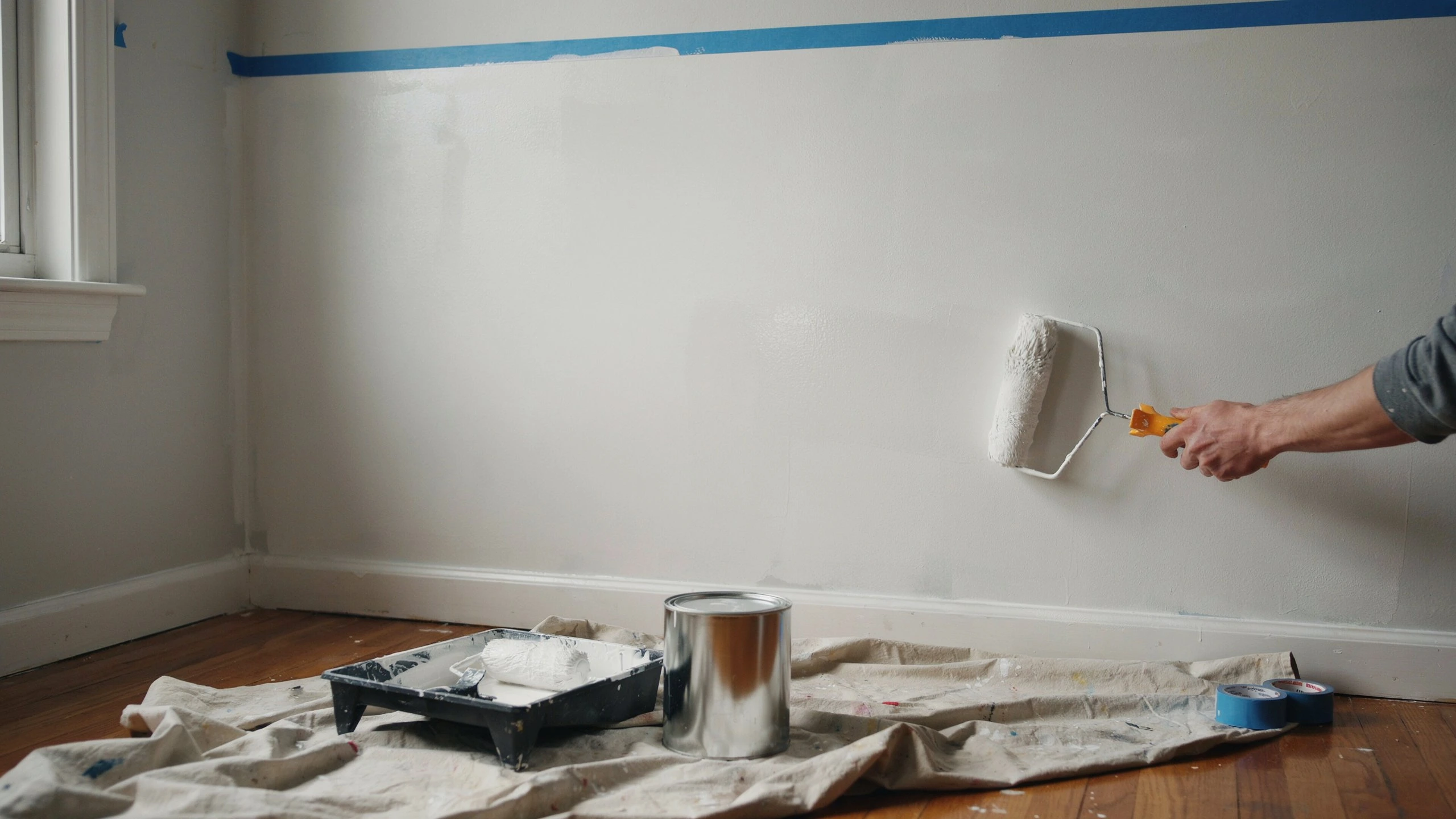
- Ignoring prep work. Most paint failures come from poor cleaning, patching, or priming, not bad paint.
- Buying finishes before measuring. Order materials only after confirming dimensions, and add a reasonable waste allowance for cuts.
- Following trends blindly. Bold choices date quickly. Keep big, permanent surfaces neutral and add personality through easy-to-change items.
Signs a DIY Project Has Gone Wrong (Know When to Stop)
Stopping early is a skill. Pause if you notice any of these:
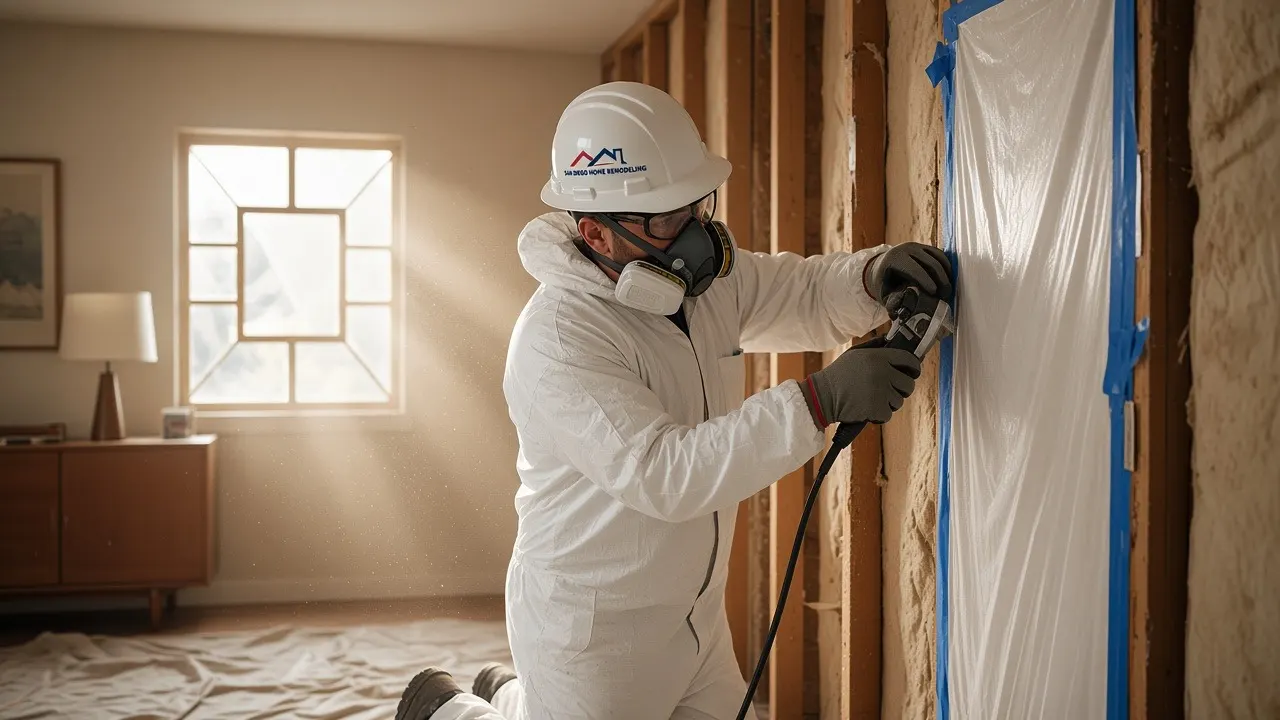
- You open a wall and find old wiring, aluminum wiring, or signs of water damage.
- A cut or removal involves something that might be load-bearing.
- You smell gas or see scorch marks near outlets.
- Mold appears across a larger area than expected.
- The job has doubled in time or cost with no end in sight.
Walking away at that point is cheaper than repairing a bigger mistake. Take photos before you stop, because they help a professional diagnose the situation faster.
When Should You Call a Professional?
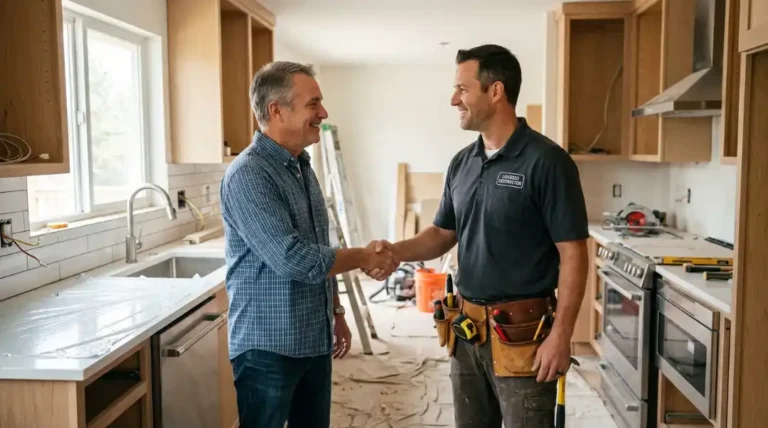
Call a licensed professional for electrical panel work, gas lines, structural changes, roof repairs, major plumbing, asbestos or lead concerns, and anything requiring engineered drawings. Also consider help when several trades must be coordinated. If you are planning tips for remodeling your home on a larger scale, such as combining kitchen, bath, and flooring updates, a coordinated team can reduce delays and rework. Our team at San Diego Whole Home Remodeling handles projects of that size from planning through finish.
Conclusion
The smartest Home Improvement Tips share one idea: protect the home first, then improve it, then personalize it. Assess honestly, budget with a cushion, fix underlying problems, and match each job to your skill level. Whether you are refreshing one bathroom or planning a bigger update, steady progress beats a rushed overhaul.
If you want a second opinion or a full project plan, contact us at San Diego home remodeling and we will help you map out the next step.
FAQs
What are the best home improvement tips for beginners?
Start with low-risk upgrades like painting, caulking, new hardware, and better lighting. These tips on home improvement build skill and confidence while keeping costs and risks low.
Which DIY home improvement tips save the most money?
Sealing air leaks, painting, and replacing fixtures offer strong savings and are safe for most homeowners. Always skip DIY on electrical panels, gas lines, and structural work.
How much should I set aside for unexpected costs?
Many contractors suggest holding back roughly 10 to 20 percent of the project budget, and more for older homes. Hidden damage behind walls is the most common reason budgets grow.
What order should I tackle projects in?
Handle safety and maintenance first, then comfort and efficiency, and finish with cosmetic upgrades. Following that order helps ensure new finishes are not damaged by an unresolved leak or repair.
Do I need a permit for home improvements?
It depends on the type of work and your local rules, so confirm with your city or county building department. Permits are commonly required for electrical, plumbing, structural, and additions.