A small bathroom does not have to feel like a compromise. With the right plan, it can function better than a bathroom twice its size while looking like it belongs in a much bigger home. If you are searching for how to remodel a small bathroom without wasting money on the wrong fixtures or running into mid-project surprises, this guide walks through the exact process, from measuring the room to the final walkthrough.
At San Diego Home Remodeling, we have handled enough small bathroom projects to know exactly where homeowners save money, where they lose it, and what actually makes a tight space feel open.
Key Takeaways
- Measure your bathroom before choosing any fixtures. Dimensions decide what layouts are actually possible.
- Waterproofing is not optional in any wet area, regardless of budget pressure.
- Keeping plumbing in its current location is the single biggest cost saver in a small bathroom remodel.
- A full gut renovation typically takes two to four weeks once permits are approved.
- Ventilation matters as much as tile choice, especially in coastal climates.
How Small Is “Small”? Sizing Up Your Bathroom Before You Start
Before picking a single tile or fixture, you need real numbers. Most homes built before the 1990s have bathrooms that fall between 30 and 45 square feet, and the layout options change quickly depending on which side of that range you’re on.
Common Small Bathroom Dimensions (5×7, 5×8, 6×8, 6×9)
A 5×7 bathroom is the most common footprint in older San Diego homes and typically fits a standard tub-shower combo, a toilet, and a small vanity, but little else. A 5×8 or 6×8 layout opens up room for a walk-in shower instead of a tub, and a 6×9 layout usually has enough clearance for a slightly larger vanity or a linen cabinet. Knowing your exact dimensions before you start shopping for fixtures prevents the common mistake of falling in love with a vanity or shower pan that will not fit.
How to Measure Your Space Correctly
Measure wall to wall at floor level, then again at counter height, since older homes often have walls that are not perfectly square. Note the location of existing plumbing stacks, since moving them is one of the most expensive changes you can make. Also measure door swing clearance, because a door that swings into a tight room can make even a well-designed bathroom feel cramped.
Matching Your Layout to Your Square Footage
Approximate Size | Realistic Layout | Typical Fixtures |
30-35 sq ft | Compact tub-shower layout | Standard tub, pedestal or small vanity, single-flush toilet |
36-42 sq ft | Walk-in shower layout | 32×32 shower, floating vanity, wall-hung toilet option |
43-50 sq ft | Semi-open layout | Larger shower, vanity with storage, linen cabinet |
Planning Phase: What to Decide Before Demo Day
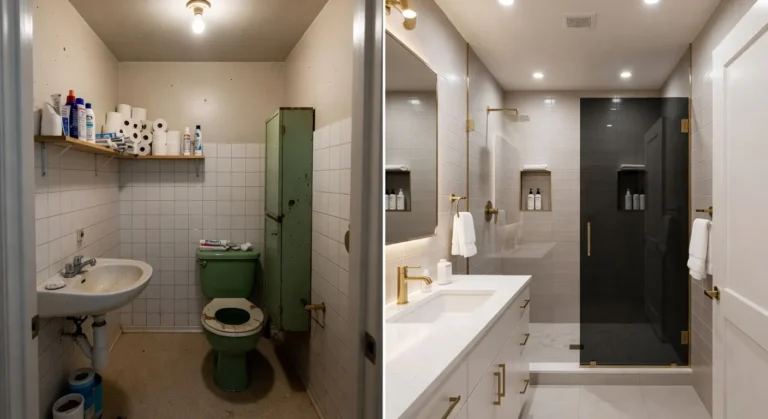
Good small bathroom renovation tips always start before any tool touches the wall. The planning phase is where most budget overruns are either prevented or created.
Setting Goals and Must-Haves vs. Nice-to-Haves
Separate what the bathroom truly needs from what would be nice to have. A working exhaust fan and enough storage are needed. Heated floors and a rainfall showerhead are wanted. This distinction keeps the budget grounded if unexpected costs show up during demolition, which they often do in homes over twenty years old.
DIY vs. Hiring a Licensed Contractor
Painting, swapping a faucet, or replacing a light fixture are reasonable DIY tasks. Tile work, waterproofing, plumbing relocation, and electrical upgrades should go to a licensed professional. The team at San Diego Home Remodeling regularly gets called in after a DIY demo uncovers a second layer of tile or outdated galvanized plumbing that the homeowner was not prepared to handle.
Questions to Ask Before Hiring a Contractor
Ask how the project timeline changes if hidden damage is found, request a written scope of work, and confirm who pulls the permits. Also ask to see photos of a similarly sized bathroom the contractor has completed, since a small space requires different sequencing than a large one.
Permits You’ll Need and Why They Matter
Any plumbing relocation, electrical circuit change, or structural wall removal typically requires a permit in San Diego. Skipping this step can create real problems when selling the home later, since unpermitted work often surfaces during a buyer’s inspection.
The Small Bathroom Remodel Process, Step by Step
This is the part most guides skip. Here is the actual order of operations for how to remodel a small bathroom from start to finish.
Step 1: Demolition
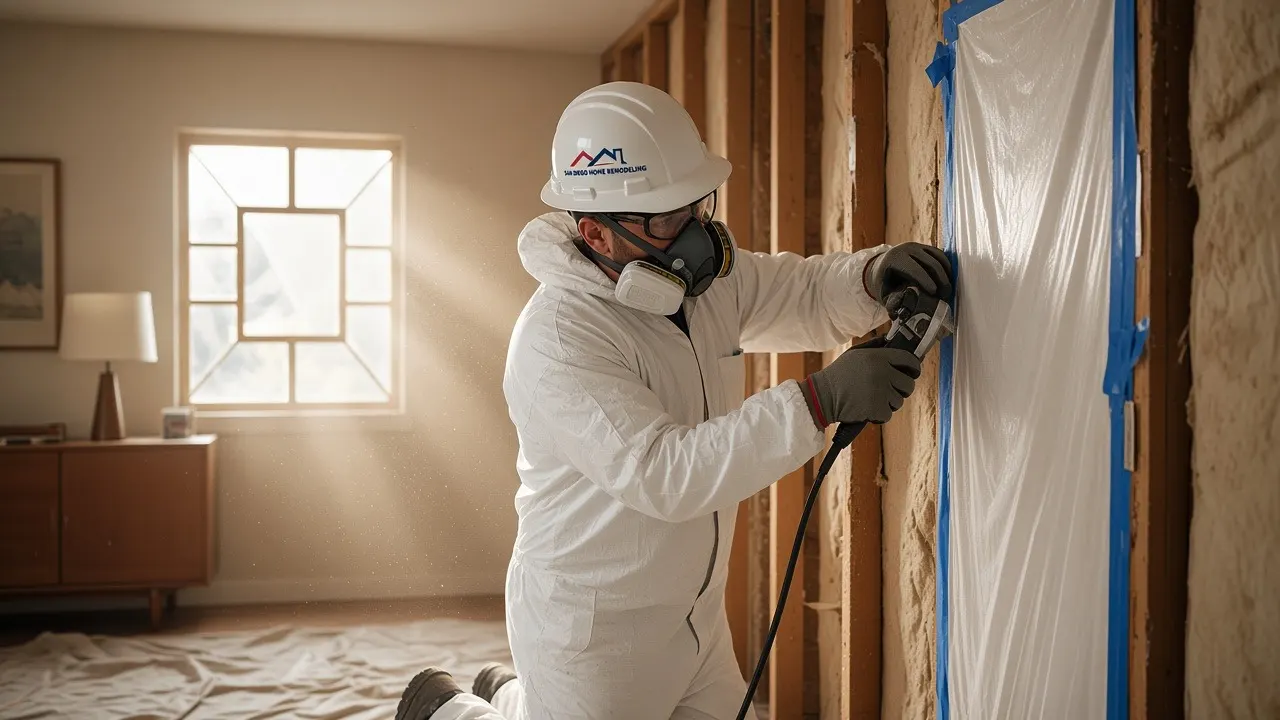
Remove the old tile, fixtures, and vanity down to the studs if you’re doing a full renovation. In small bathrooms, protect adjoining rooms carefully, since dust travels fast in tight hallways.
Step 2: Rough-In Plumbing and Electrical
This is when drain lines, supply lines, and electrical circuits get set or adjusted. Confirm GFCI outlet placement now, since moving it later means opening finished walls again.
Step 3: Waterproofing (Non-Negotiable)
Every wet wall and the shower pan need a proper waterproofing membrane before tile goes up. This single step prevents the most expensive repair a bathroom can develop: hidden mold growth behind the walls.
Step 4: Drywall and Backer Board
Moisture-resistant drywall goes up in dry areas, and cement backer board goes up in wet zones. This is also when a privacy wall, if you’re adding one, gets framed and secured.
Step 5: Tile Installation
Floor tile, shower wall tile, and any accent tile get installed in this phase. In small bathrooms, running the same tile from floor to shower wall creates a visual flow that makes the room look larger.
Step 6: Painting and Finishes
Walls get primed and painted with a bathroom-rated, mildew-resistant paint. This is the stage where a wallpaper accent wall, if planned, gets applied.
Step 7: Fixture and Vanity Installation
The vanity, toilet, faucet, mirror, and lighting all get installed once paint and tile are finished. Double-check fixture compatibility with the rough-in plumbing before this step, since mismatches here mean reopening finished walls.
Step 8: Final Inspection and Walkthrough
A city inspector signs off on plumbing and electrical work, then a final walkthrough confirms everything operates correctly, from water pressure to exhaust fan airflow. This step protects you if you ever sell the home.
Small Bathroom Remodel: What Works (Lessons From Real Projects)
These choices consistently pay off based on completed projects rather than design trends alone.
Build Storage Into the Walls
A recessed medicine cabinet and built-in shower niches add real storage without taking floor space. A vanity with drawers beats an open cabinet in every small bathroom we’ve completed.
Choose Frameless Shower Doors
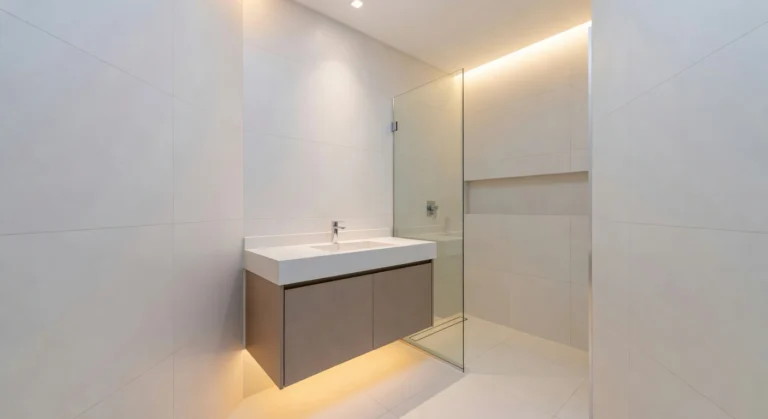
Framed shower doors visually chop up a small room. A frameless door paired with large-format tile keeps sightlines open and makes the whole space read larger.
Install Heated Floors
The low square footage of a small bathroom keeps heated flooring surprisingly affordable to install. Homeowners consistently list it as one of their favorite upgrades after living with it for a season.
Add a Privacy Wall
A half wall between the toilet and shower adds structure without closing the room in, since light still passes through. It gives the layout a finished, intentional feel instead of everything sitting in one open line.
Customize a Standard Vanity
A solid-surface floating vanity with swapped hardware can look custom at a fraction of the cost. Changing the pull hardware to brushed gold or matte black instantly updates the entire look of the room.
Consider a Bidet Seat
A bidet seat is installed on most standard toilets without any plumbing relocation. It’s a low-cost addition that homeowners frequently mention as an unexpected favorite.
Get the Lighting Layers Right
A single overhead fixture is rarely enough. Layer a vanity light, a recessed ceiling light, and a shower-rated light for even coverage without shadows.
Choose the Right Ventilation Fan
Size the exhaust fan to the room’s square footage, not just whatever fits the existing hole. An undersized fan is one of the quiet causes of mold and peeling paint in small bathrooms.
Small Bathroom Remodel: Common Regrets to Avoid
Learning from other people’s mistakes is far cheaper than repeating them.
Not Checking Fixture Compatibility
Different brands use different valve systems, so a shower valve installed for one fixture line may not accept a different brand’s trim kit later. Confirm all fixtures before rough-in plumbing begins.
Skipping Waterproofing to Cut Cost
This is consistently the most expensive regret homeowners report. Mold remediation behind tile costs far more than the waterproofing membrane would have.
Going Too Safe With Design
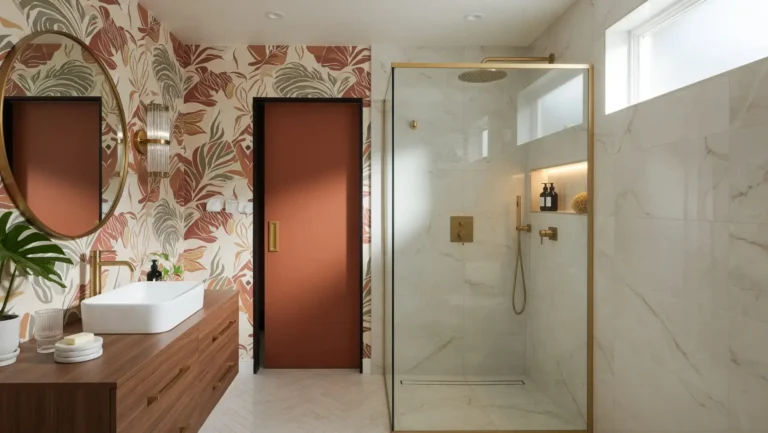
A small bathroom is actually a low-risk place to try a bold tile pattern or a wallpaper accent, since the square footage limits how expensive a design mistake can be. Going neutral everywhere is often a missed opportunity rather than a safe choice.
Ignoring Ventilation Until It’s Too Late
Homeowners often treat the exhaust fan as an afterthought, then notice musty smells or peeling paint within a year. Address fan sizing during the planning phase, not after tile is already installed.
Choosing the Wrong Flooring Material
Porous natural stone without proper sealing can stain and discolor quickly in a humid bathroom. Porcelain tile handles moisture more reliably and requires far less long-term maintenance.
You may also read: Bathroom Upgrades You’ve Been Missing
How Long Does It Take to Remodel a Small Bathroom?
A cosmetic refresh with paint and fixture swaps typically takes one to three days. A partial remodel involving tile and a shower update runs one to two weeks, while a full gut renovation generally takes two to four weeks once permits are approved. Material lead times can add another two to six weeks if you’re ordering a custom vanity or specialty tile, so order early.
How Much Will It Cost to Remodel a Small Bathroom?
Costs vary widely depending on scope, but a cosmetic refresh typically runs $1,500 to $4,000, a partial remodel runs $6,000 to $12,000, and a full gut renovation generally falls between $12,000 and $22,000 in the San Diego area.
Where to Spend
Prioritize waterproofing, a quality shower valve, and professional tile labor, since poor installation in any of these areas is expensive to fix later.
Where to Save
Keep plumbing in its existing location, choose large-format tile over labor-intensive mosaic, and buy a standard vanity and upgrade the hardware yourself.
How Much Value Does It Add to Your Home?
A well-executed small bathroom remodel typically recoups a strong share of its cost at resale, and buyers often view an updated bathroom as a sign the rest of the home has been maintained. Even modest upgrades like new fixtures and fresh tile can meaningfully improve how a home shows during a sale.
Small Bathroom Renovation Ideas and Trends in 2026
Large Format Tile
24×24 porcelain tile has replaced small mosaic as the preferred choice, since fewer grout lines mean a cleaner look and easier maintenance.
Wall-Mounted Fixtures
A wall-hung toilet and wall-mounted sink both add visible floor clearance, which makes any small-space design feel less cramped.
Warm Hardware Finishes
Brushed gold and matte black are replacing chrome as the go-to finish in 2026. Keeping one finish consistent across all hardware is one of the most overlooked small bathroom remodeling tips.
Soaking Tub vs. Walk-In Shower
If the household rarely uses the tub, a walk-in shower with frameless glass usually delivers more day-to-day usable space. Some layouts can still fit both if the footprint allows it.
Bathroom Wallpaper
A patterned wallpaper accent wall paired with simple tile adds character without the cost of a full retile.
Pocket Doors and Barn Doors
Replacing an inward-swinging door with a pocket or barn door reclaims floor space that would otherwise be lost to door clearance.
Accessible and Aging-in-Place Features
Blocking for future grab bars, a curbless shower entry, and slip-resistant flooring are increasingly requested even by homeowners who don’t need them yet. These features are inexpensive to plan for during a remodel and costly to retrofit later.
San Diego-Specific Considerations for Your Remodel
Coastal Humidity and Mold Prevention
Coastal moisture in San Diego makes proper ventilation and sealed grout lines more important than in drier inland climates. A bathroom fan rated for the room’s exact square footage matters more here than in many other regions.
Plumbing Issues Common in Older San Diego Homes
Homes built before the 1970s often still have galvanized supply lines that corrode from the inside, restricting water pressure long before they visibly leak. A remodel is the right time to replace these lines rather than working around them.
HOA and Condo Remodel Rules
Many San Diego condos and HOA communities require approval before any plumbing or structural change, and some restrict flooring materials for sound transmission reasons. Check your HOA guidelines before finalizing your design.
Local Permit Timelines by Area
Permit turnaround can vary from about one to two weeks depending on the jurisdiction and current volume at the local building department. Building this into your schedule upfront prevents a finished bathroom from sitting idle while paperwork clears.
Ready to Start Your Small Bathroom Renovation in San Diego?
If you’ve read this far, you already know more about how to remodel a small bathroom than most homeowners do before calling a contractor. Our team offers dedicated bathroom remodeling services in San Diego covering everything from permits and demo to final inspection, with clear pricing and no mid-project surprises.
Conclusion
Knowing how to remodel a small bathroom comes down to careful planning, a realistic budget, and knowing which steps can never be skipped, especially waterproofing and proper ventilation. Whether you handle parts of the project yourself or hand off the entire job, following these small bathroom renovation tips will help you avoid the regrets that catch so many homeowners off guard. When you’re ready to move forward, contact San Diego Home Remodeling for a free estimate and a clear, honest timeline before you commit to anything.
FAQs About Small Bathroom Renovation
What is the best layout for a small bathroom?
Keep the toilet away from the entry door and use a floating vanity or corner sink to free up floor space. A walk-in shower instead of a tub-shower combo generally makes the most efficient use of a tight footprint.
Do I need a permit to remodel a small bathroom in San Diego?
Cosmetic changes like painting or swapping a faucet usually don’t require a permit, but plumbing, electrical, or structural work almost always does. A licensed contractor can pull the correct permits and manage inspections on your behalf.
What tiles make a small bathroom look bigger?
Large-format porcelain tile in a light color reduces grout lines and visual clutter, which makes the room feel larger. Running the same tile from the floor onto the shower wall also helps unify the space.
How do I add storage to a small bathroom without taking up floor space?
Build storage into the walls with a recessed medicine cabinet, in-wall shower niches, and a floating vanity with drawers. Keeping the countertop clear of loose items also makes the room feel noticeably more spacious.
Is a walk-in shower or bathtub better for a small bathroom?
A walk-in shower is usually the better choice for a small bathroom because it uses less floor space and keeps sightlines open. Keep a tub only if someone in the household uses it regularly, since it takes up meaningfully more room.