
Most homeowners only think about siding when something goes wrong. A panel rattles loose in a Santa Ana wind, or paint starts flaking for the second time in three years. By then, the wall underneath may already be taking the hit. The benefits to replacing your home’s siding make the most sense when you look at what that outer layer does every day, and what stops happening once it wears out.
At San Diego Home Remodeling, we walk homeowners through this decision all the time, so this guide covers the practical side too: what to look for, what you might find behind the old boards, and how to match materials to our coastal and inland conditions.
Quick answer: New siding pays you back in several ways at once. It tends to lift resale appeal and recover a meaningful share of the project cost, though the exact return depends on the material and the local market. It also tightens the exterior so indoor temperatures hold steadier, keeps water, rot, and wood-boring pests out of the structure, and removes the scraping and repainting that aging wood demands. Quality products often last three to four decades or longer, and many come with a manufacturer warranty.
How to Know Your Siding Has Reached the End of Its Life
Siding has reached the end of its life when it can no longer keep water out, even if it still looks decent from the street. Home siding replacement means removing the old exterior cladding, checking the wall behind it, and installing new material with a fresh weather barrier and flashing.
Watch for cracked or buckled panels, paint that bubbles or peels again soon after a repaint, and mildew that returns days after cleaning. Rising utility bills with no change in habits can point to leaky seams. Try one simple test on wood siding: press a screwdriver tip gently into a board near the bottom edge or beside a window. If it sinks in easily, moisture has already softened the wood. Vinyl is more forgiving, but chalky color, brittle edges and loose panels mean it is aging out too.
1. Stronger Curb Appeal That Buyers and Neighbors Notice
The exterior is the first photo in most online listings, so siding shapes a buyer’s opinion before they ever see your kitchen. Faded, chalky, or patched walls read as deferred maintenance, even when the inside is spotless.
New siding for homes now comes in a wide range of textures, profiles, and colors, from clean horizontal lines to board and batten. Picture a 1980s house with a freshly updated entry and landscaping but tired, sun-bleached walls. The new details look like decoration on a worn backdrop. Replace the backdrop and everything else suddenly looks intentional. Inland neighborhoods with strong sun see fading faster, so color retention is worth asking about.
2. Real Energy Savings You’ll See on Every Bill
Siding alone is not insulation, but replacing it gives you a chance to fix the layers behind it, and that is where the energy gains come from. Old walls often have a brittle weather barrier, gaps at corners, and loose flashing around windows. Air slips through all of them.
One of the practical siding replacement benefits is that you can add a new house wrap or a layer of rigid foam during the job. Both reduce drafts and help indoor temperatures stay even. Savings vary by home, so treat any promised percentage with caution. A useful tip: ask your contractor to replace the barrier, not reuse it, because reusing old wrap defeats much of the point.
3. Real Exterior Protection from Weather and Moisture
Siding protects your home by shedding water and blocking pests, and it only does that while the panels, seams and flashing are intact. Once water gets behind old boards, it soaks the sheathing and framing, and mold can grow long before a stain shows indoors.
Here is an edge case many people miss. Water rarely enters through the middle of a panel. It sneaks in at window corners, along the bottom edge, and around penetrations like hose bibs and vents. That is why a good project replaces flashing and sealant details, not just the visible boards. Softened wood also invites termites and woodpeckers. When you replace house siding properly, you remove those easy entry points.
4. Higher Property Value and Better ROI
Siding replacement usually recovers a solid portion of its cost at sale, and the return depends heavily on material, condition, and local demand. Industry guides often quote figures starting around 80 percent, and some premium-material examples go higher in strong markets. Treat the upper numbers carefully and check a current cost versus value report for our region before you plan around them.
One of the clearest benefits to replacing your home’s siding is the buyer confidence that comes with it. A newer exterior, plus a transferable warranty, tells buyers there is no big exterior bill waiting for them. In an inspection, that can mean fewer repair requests and less negotiating pressure.
5. What Gets Revealed When Old Siding Comes Off
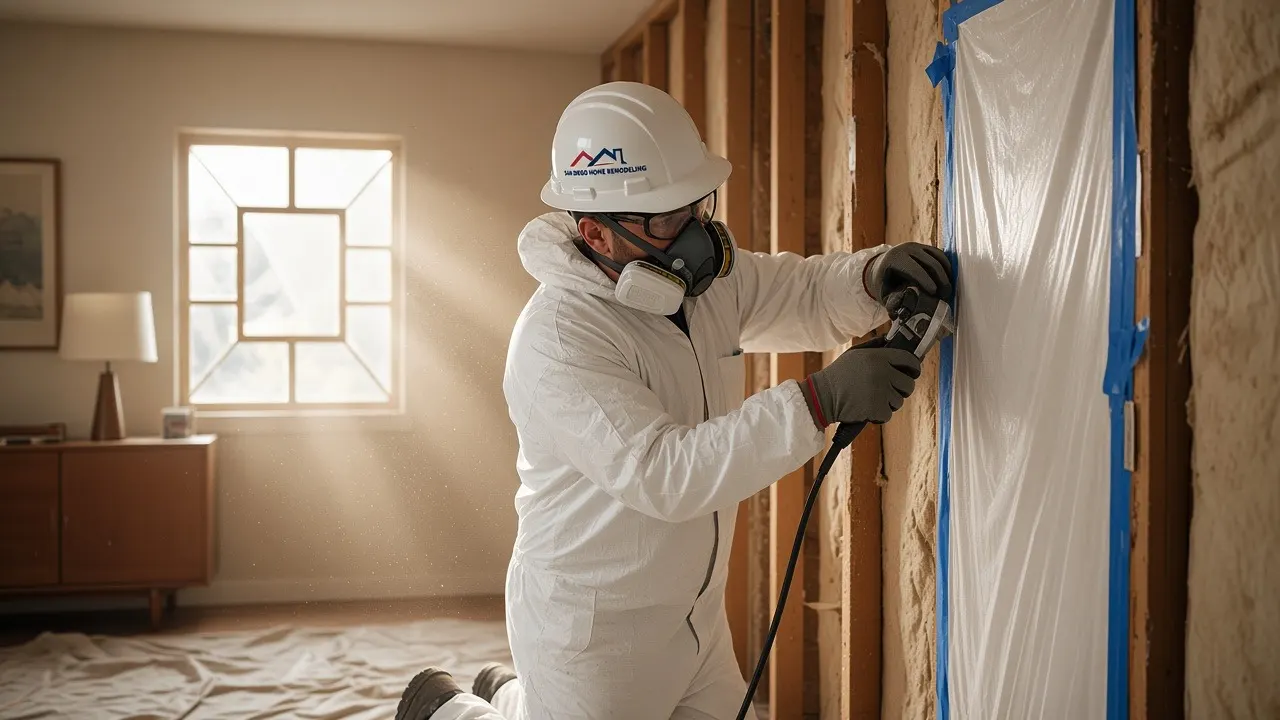
Removing old siding often exposes problems that no inspection from the outside could catch. Typical finds include soft sheathing around windows, rusted nails, missing flashing, crushed insulation, and a barrier that has dried out and cracked.
Finding these during a planned project lets you fix them at a normal pace and price. Finding them after a leak usually means rushing. San Diego Home Remodeling checks the wall before closing it up again, and we show homeowners what we find so decisions are made with eyes open. It is worth asking any contractor how they handle hidden damage and how they price it, ideally before work begins.
6. Choosing the Right Siding Material for Your Home
The right siding depends on your moisture exposure, fire risk, budget and appetite for upkeep, and no single product wins in every category. Here is a simple comparison.
| Material | Best for | Watch out for |
| Vinyl | Lower cost, easy care, damp coastal air | Cheap, thin grades can fade or warp in strong sun |
| Fiber cement | Fire resistance, long life, wood-like look | Heavier, higher cost, needs quality painting and sealing |
| Engineered wood | Real wood look for less money | Cut edges must be sealed well |
| Natural wood | A specific classic style | Frequent staining, moisture and pest risk |
Three questions narrow the choice quickly. What is your current siding, since switching materials can change trim and flashing needs? Will you stay for ten years or sell soon? And how large is the house? More wall area magnifies price gaps between materials, so a small premium per square foot becomes a big number on a large home.
7. Indoor Comfort, Quiet and Cleaner Air
Tighter, drier walls make a home quieter, more comfortable and healthier to live in. Wet wall cavities grow mold, and spores can travel through gaps, outlets, and ductwork into rooms. Sealing the exterior cuts off that moisture path, which matters for children and anyone sensitive to allergens.
Noise is the benefit people often notice after the project. Insulated backing and denser materials can soften traffic and neighborhood sound, especially in homes on busy streets. Fewer drafts also mean fewer cold spots near windows and corners.
8. Match Your Siding to Where You Live in San Diego
San Diego has several climates, so the best choice changes by neighborhood.
- Coastal homes: Salt air and constant humidity are the main enemies. Prioritize moisture resistance and corrosion-resistant fasteners.
- Inland valleys: Sun and heat swings are harder on color and joints. Ask about fade resistance and UV performance.
- Hillside and fire-hazard areas: Many parts of the county fall in designated fire hazard zones, where local rules may limit materials. Non-combustible options are worth serious consideration, and some insurers offer discounts for them, so ask your agent.
Before ordering anything, confirm permit requirements with your city and check HOA rules on color and material. Those two steps can cause surprise delays if you skip them.
9. How Siding Replacement Fits Into a Larger Remodel
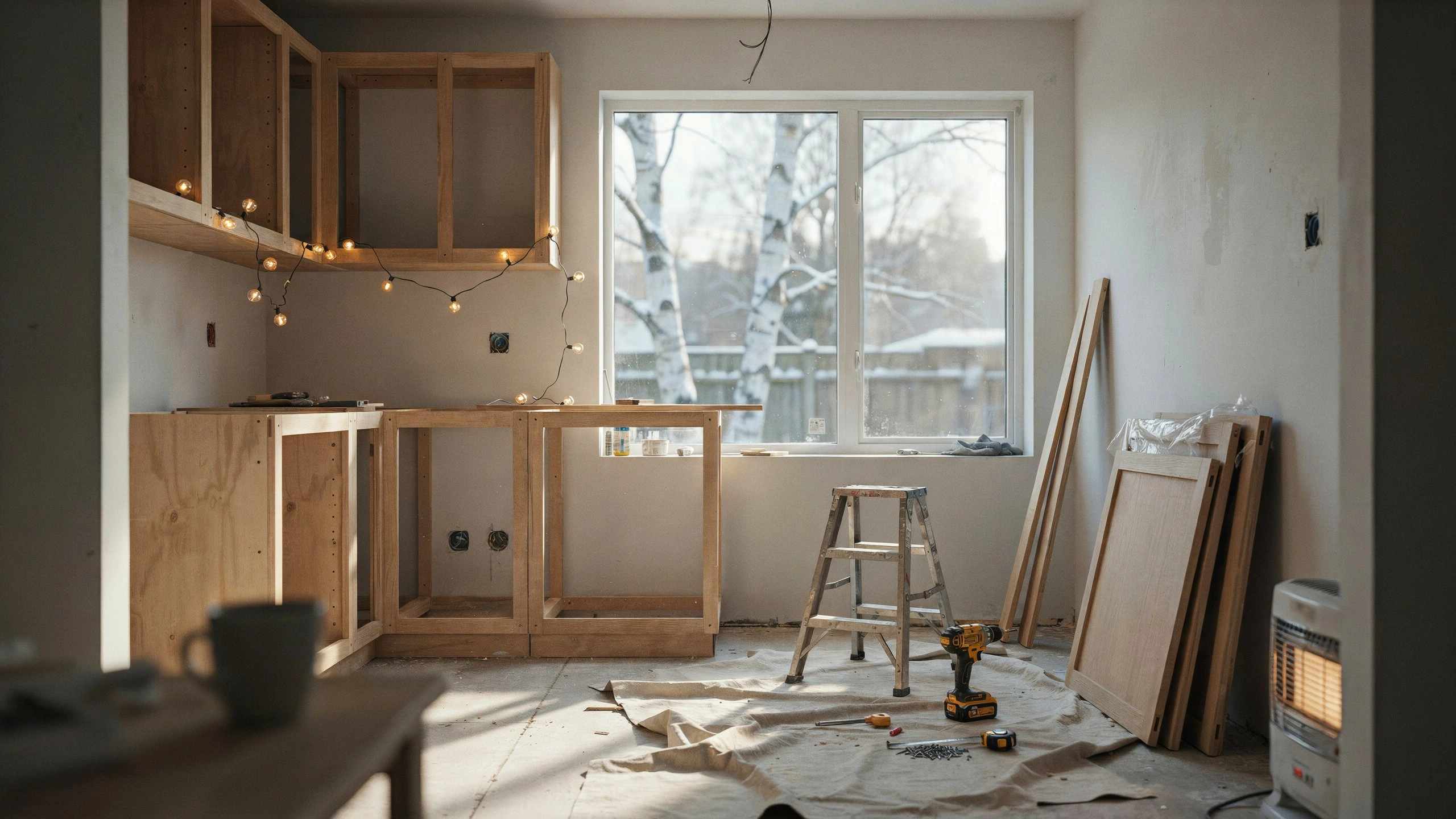
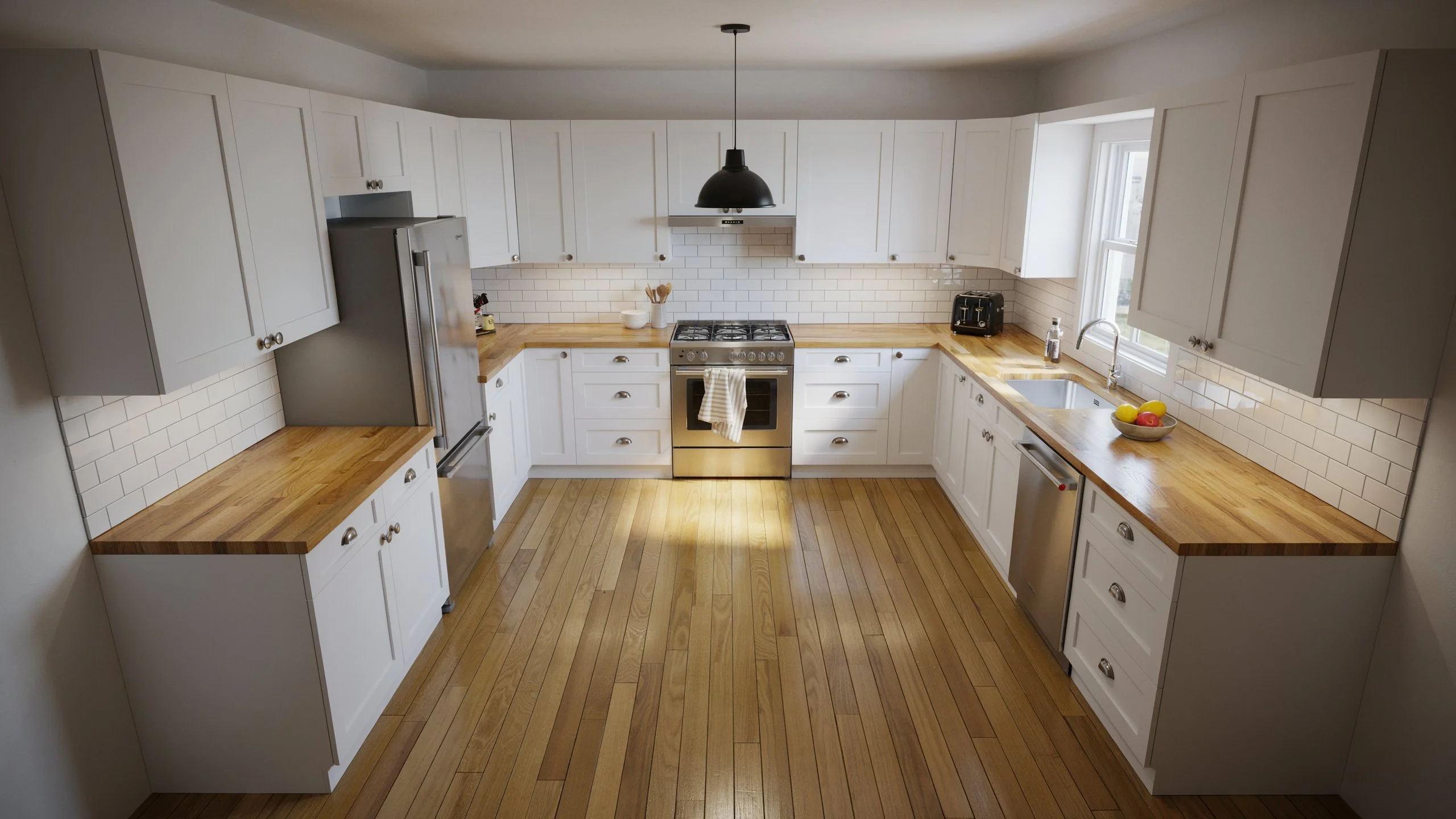
Siding works best when it is planned with your other projects, because exterior walls are shared by almost everything. For example, if you are moving a kitchen window or relocating a range hood vent, the wall will change. Doing the siding afterward means no patched seams on brand new boards. Homeowners planning San Diego Kitchen Remodeling Services can sequence both jobs so permits, dumpsters, and site protection are handled once.
The same logic works with new windows, a roofline fix or an addition. Bundling the work gives the whole exterior a cohesive look and avoids paying for access equipment twice.
10. Low Maintenance for Years After Installation
Modern siding asks for far less than aging wood. Wood needs scraping, caulking, and repainting every few years, and that cost keeps coming back. Vinyl and fiber cement usually need an occasional rinse with a garden hose and a yearly look at caulk lines and loose trim. Fiber cement still needs repainting eventually, but much less often than wood. Keep sprinklers from soaking the walls, and trim plants back so air can move. Those two habits extend the life of any material.
11. Repair or Replace? And What the Project Actually Looks Like
Repair makes sense when damage is limited to a few panels and the wall behind them is dry and solid. Replacement is usually smarter when problems keep returning, panels no longer match, or moisture has reached the sheathing. Patching an old wall with new boards also creates color mismatches that stand out.
A typical home siding replacement on a single-family house follows this flow:
- Day 1: Protect plants and windows, then strip the old siding.
- Day 1 to 2: Inspect and repair the wall, then install the weather barrier and flashing.
- Day 2 to 5: Hang new siding and trim.
- Final day: Caulk, clean up, and walk through the results with you.
Larger homes, hidden damage, and weather can add days, and you should expect noise and activity around the house.
Conclusion
The benefits to replacing your home’s siding come down to a few big wins: better curb appeal, stronger protection, steadier indoor comfort, lower upkeep, and a stronger story at resale. If you plan to replace house siding, treat it as a wall system with the right material, weather barrier, and flashing, not just a color choice.
San Diego Home Remodeling can help you plan home siding replacement that fits your home and budget, and show you why new siding for homes is one of the most useful exterior upgrades you can make. Contact us today for a free consultation, and we will help you see the full siding replacement benefits for your property.
FAQs About Siding Replacement
What are the main benefits to replacing your home’s siding?
The main siding replacement benefits are better curb appeal, stronger protection from water and pests, steadier indoor temperatures, lower upkeep, and stronger resale appeal. How much you gain depends on your current siding, the material you choose, and the quality of installation.
How long does home siding replacement take?
Many single-family homes take three to seven days. Larger homes, hidden wall damage, and wet weather can add time.
Should I repair or replace house siding?
Repair works for a few damaged panels over a dry, solid wall. If moisture, widespread wear, or mismatched panels are involved, it is usually better to replace house siding fully, since patches rarely solve underlying problems.
Does new siding for homes lower energy bills?
It can, mainly when the project also upgrades the weather barrier, flashing, and insulation layers behind the panels. Savings differ from house to house, so ask for realistic expectations instead of a fixed percentage.
Do I need a permit for siding replacement?
Often yes, but rules vary by city and by whether your home sits in a fire hazard area. Check with your local building department and your HOA before work starts.