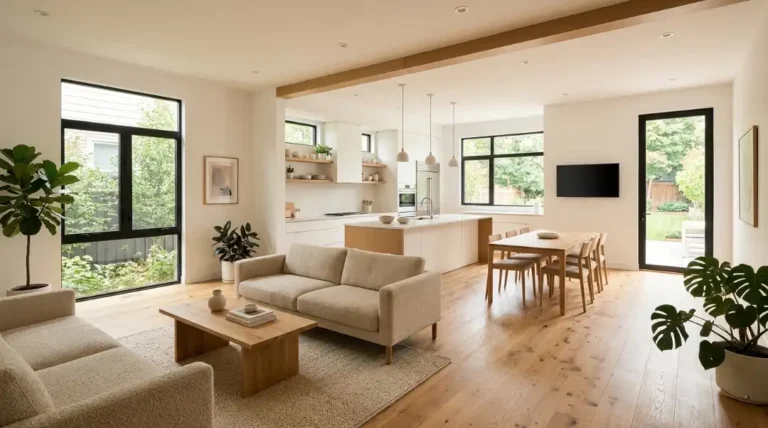
Staring at a house that needs work and wondering where to even start with the budget is one of the most common places homeowners get stuck. The honest answer to how much does it cost to renovate a house is that it depends heavily on what you’re touching, but most full projects land between $20,000 and $80,000, with smaller updates costing far less and gut renovations running well into six figures.
At San Diego home remodeling, we walk homeowners through this exact question daily, and the numbers below reflect what actually shows up in real project bids, not just national averages pulled from a spreadsheet.
Average House Renovation Cost (Quick Overview)
House renovation price generally falls into three tiers:
| Renovation Level | Cost Range | What’s Included |
| Low-end (cosmetic) | $15,000 to $30,000 | Paint, flooring, fixtures, minor updates |
| Mid-range | $30,000 to $75,000 | New cabinetry, countertops, some layout changes |
| High-end (full gut) | $75,000 to $200,000+ | Structural changes, plumbing/electrical rerouting, luxury finishes |
Cost per square foot typically runs $15 to $60, though homes with older wiring, outdated plumbing, or foundation issues push past that range quickly. A small renovation, such as updating one bathroom, might run $8,000 to $20,000. A full-house renovation touching every room usually starts around $100,000 once you factor in permits, labor, and materials working together across the whole property.
Home Renovation Cost by Room
Kitchen Renovation Cost
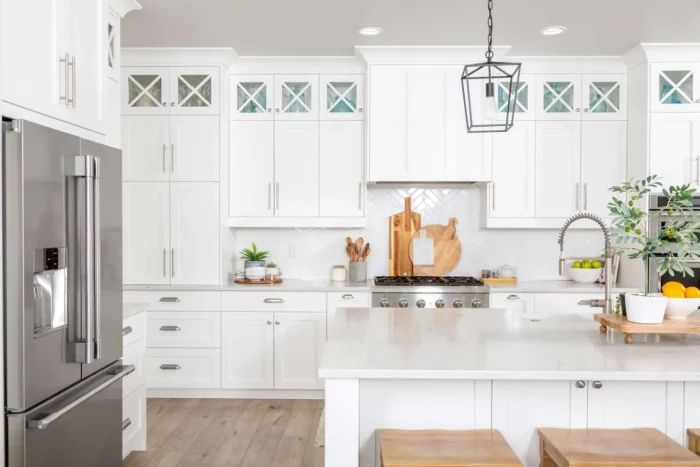
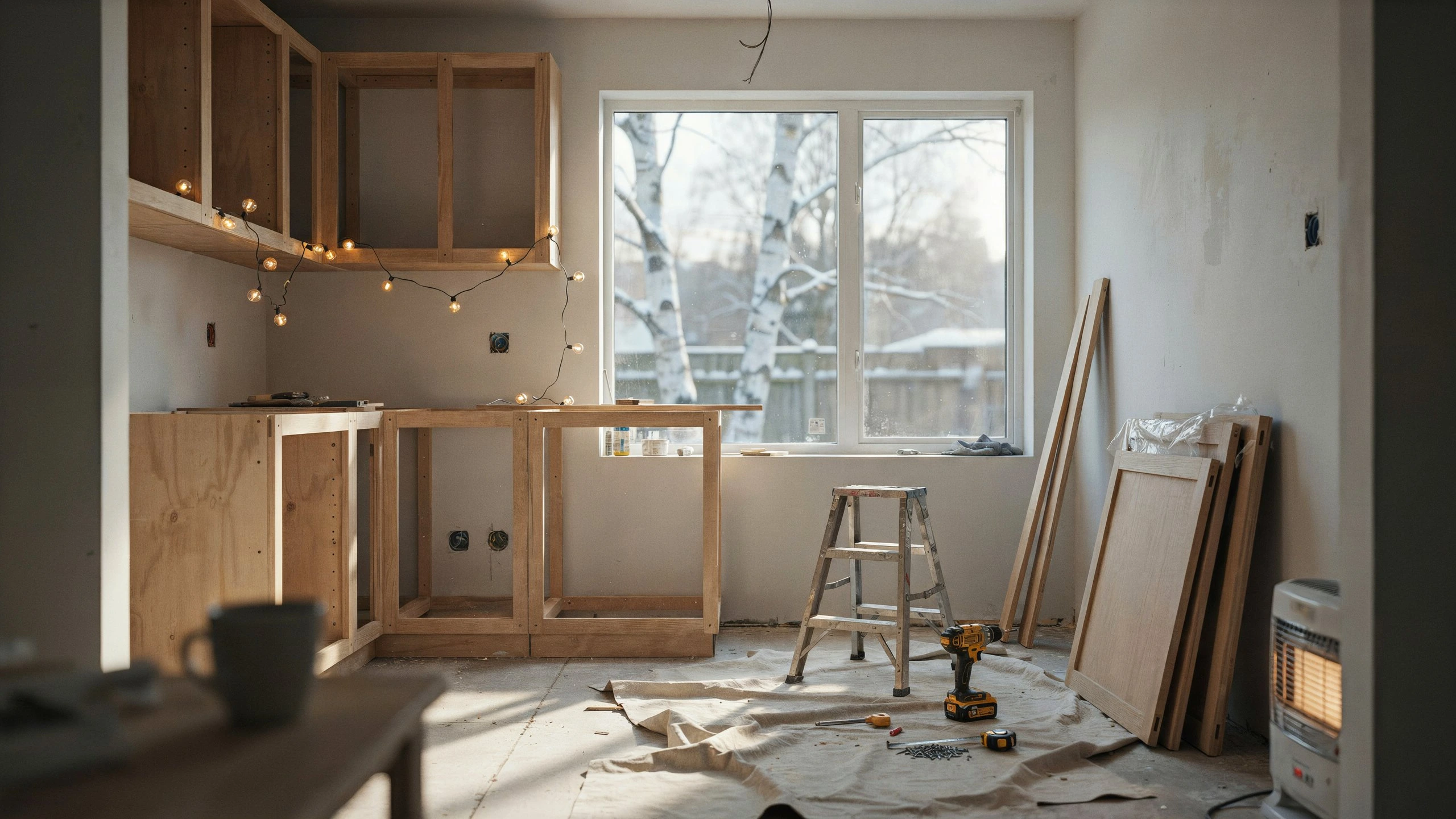
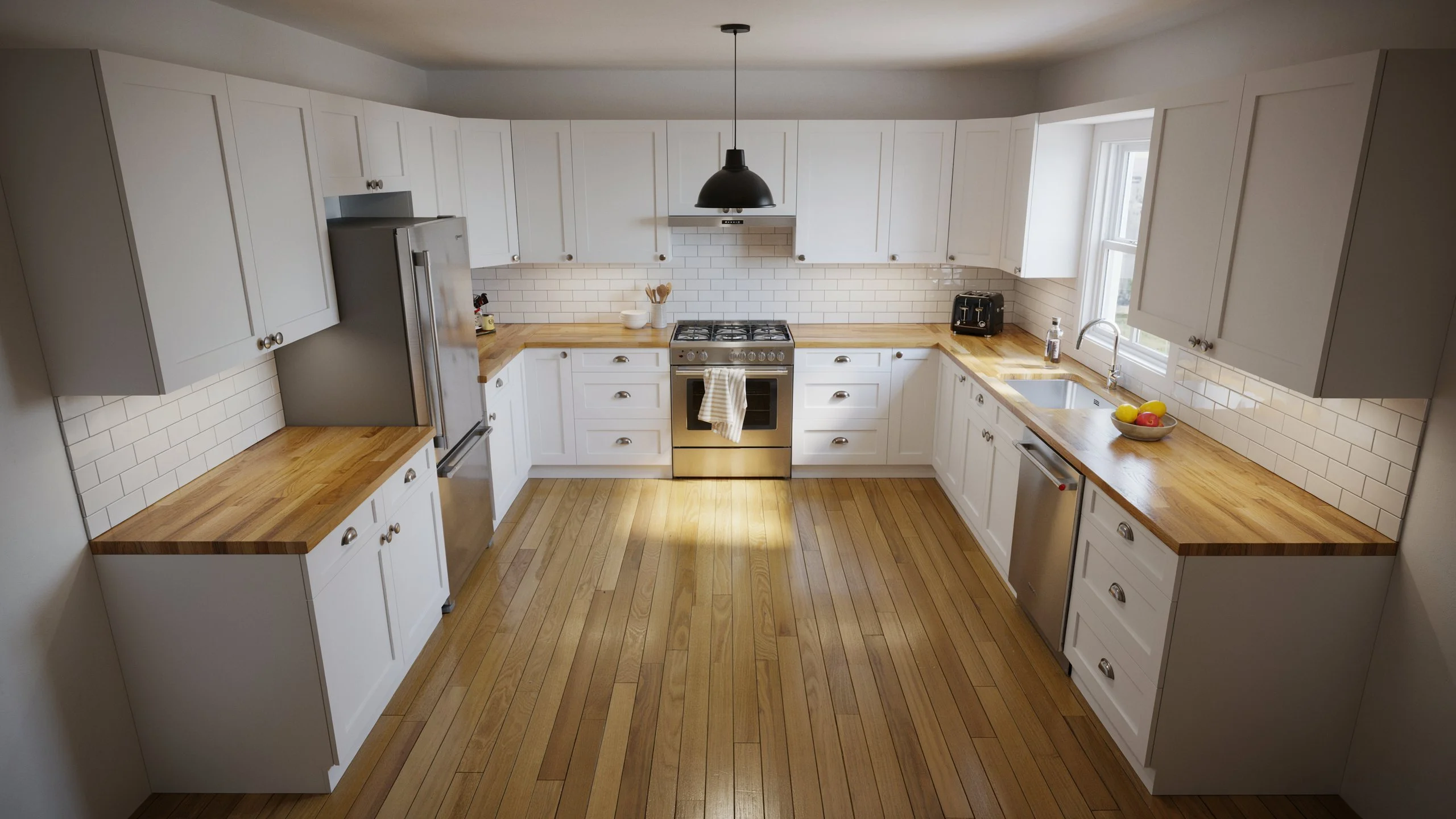
Kitchens are the most expensive room to renovate because they combine plumbing, electrical, cabinetry, and appliances in one space. Expect $25,000 to $65,000 for a mid-range kitchen, with custom cabinetry and stone countertops pushing costs toward $80,000 or more.
Bathroom Renovation Cost
A standard bathroom remodel runs $10,000 to $25,000. Moving plumbing fixtures to new locations, rather than keeping them in place, is one of the biggest hidden cost drivers here because it requires rerouting supply and drain lines.
Bedroom Renovation Cost
Bedrooms are among the more affordable spaces to update, typically $5,000 to $15,000 for flooring, paint, closet builds, and lighting upgrades.
Living Room and Common Areas

Open-concept conversions, where a wall between the kitchen and living room comes down, average $15,000 to $30,000 once you include structural engineering, beam installation, and finish work.
Basement Renovation Cost
Finishing an unfinished basement runs $20,000 to $50,000, largely driven by moisture control, insulation, and whether you’re adding a bathroom or wet bar down there.
Attic Renovation Cost
Converting an attic into usable living space costs $30,000 to $60,000 because it often requires reinforcing the floor structure and adding proper insulation and egress windows.
Labor and Contractor Costs
General Contractor Cost
General contractors typically charge 10 to 20 percent of the total project cost, or a flat day rate between $500 and $1,200 depending on project complexity.
Plumber Cost
Plumbers bill $75 to $150 per hour, with rough-in work for a full renovation often totaling $3,000 to $10,000.
Electrician Cost
Electricians charge $65 to $130 per hour, and panel upgrades alone can add $2,000 to $4,500 to your renovation costs for home projects involving older properties.
Other Specialists
Painters, HVAC technicians, and flooring installers round out most crews. Painters average $2 to $6 per square foot, and HVAC modifications during a renovation can range from $1,500 to $8,000 depending on ductwork changes.
When our team at San Diego home remodeling scopes a project, we bring in these trades early rather than sequentially, which tends to shave weeks off the timeline and reduce coordination costs.
What Affects Your Renovation Budget?
Home Size and Square Footage
Larger homes cost more in total dollars but often less per square foot, since fixed costs like permits and mobilization spread across more area.
Home Age and Condition
Homes built before 1978 frequently require lead paint testing, and pre-1960 homes may have galvanized plumbing or knob-and-tube wiring that adds thousands to the budget before finishes are even discussed.
Structural vs. Cosmetic Work
Cosmetic updates like paint and flooring are predictable. Structural work, such as removing load-bearing walls, requires engineering review and can swing your budget by 20 to 40 percent.
Material Quality
Budget-tier materials keep house renovation price low, while premium stone, custom millwork, and imported tile can double a room’s cost.
Location
Urban markets with higher labor demand and stricter permitting, like coastal California, run 15 to 30 percent above national averages for the same scope of work.
Additional Cost Factors People Overlook
Permit and Inspection Fees
Permits typically add $500 to $3,000 depending on the scope, and skipping them can create major problems if you sell the home later.
Temporary Living Expenses
If your kitchen or only bathroom is out of commission, budget $1,500 to $4,000 a month for temporary housing during a full renovation.
Floor Plan Changes
Moving walls or reconfiguring rooms adds design fees and structural costs that many homeowners don’t anticipate when they first estimate home renovation costs.
Appliance Upgrades
New appliance packages range from $3,000 for basic units to $15,000 for a high-end suite.
Mold or Asbestos Remediation
Older homes sometimes reveal mold behind walls or asbestos in flooring once demolition starts, adding $1,500 to $10,000 depending on severity.
Foundation Repairs
Foundation issues discovered mid-project can range from $4,000 for minor cracks to $25,000 for significant underpinning work.
Accessibility Modifications
Widening doorways, adding grab bars, or installing a zero-threshold shower typically adds $3,000 to $12,000 depending on scope.
Renovating vs. Remodeling: What’s the Difference?
Renovating restores or updates existing spaces without changing the layout, like refinishing floors or repainting cabinets. Remodeling changes the structure or function of a space, such as converting a garage into a bedroom. Remodeling almost always costs more because it involves permits, structural work, and sometimes new plumbing or electrical runs.
DIY Renovation vs. Hiring a Professional
When DIY Makes Sense
Painting, landscaping, and simple fixture swaps are reasonable DIY projects that can trim 10 to 15 percent off your total home remodel cost.
When to Hire a Pro
Anything involving plumbing, electrical, gas lines, or structural changes should go to a licensed professional. Mistakes in these areas cost far more to fix than the labor would have cost upfront, and they can void your homeowner’s insurance if discovered later. For larger projects, working with a team experienced in whole home remodeling in San Diego helps you avoid the sequencing errors that drive up costs when trades aren’t coordinated properly.
How to Budget for a Renovation

Start with your total available funds, then subtract 15 to 20 percent as a contingency fund before you allocate anything else. This contingency exists because roughly one in three renovations uncovers an unexpected issue once walls or floors open up, whether that’s outdated wiring or water damage. From there, prioritize rooms by return on investment: kitchens and bathrooms first, cosmetic updates last. A simple formula that works well is dividing your remaining budget as 50 percent labor, 35 percent materials, and 15 percent permits and contingency.
Ways to Save Money on Renovation
Phasing your renovation over 12 to 18 months instead of doing everything at once spreads out cash flow and lets you shop for material deals rather than rushing decisions. Splurge on items that are hard to change later, like plumbing fixtures and cabinetry, and save on items easy to update down the road, like paint color or hardware. Always collect at least three quotes before hiring, since renovation costs for home projects can vary by 20 percent or more between contractors for the identical scope of work.
Reusing your existing floor plan instead of moving walls is one of the fastest ways to control home renovation costs, since layout changes trigger engineering fees, new permits, and often unexpected plumbing or duct rerouting. Buying appliances and fixtures during off-season sales, typically late fall for major appliances, can also shave several hundred dollars off a kitchen or bathroom budget without sacrificing quality.
Does Renovating Increase Your Home’s Value?
Kitchen and bathroom renovations typically recoup 60 to 80 percent of their cost at resale, while cosmetic updates like fresh paint and flooring often return closer to 90 to 100 percent because they’re inexpensive relative to the value they add. Structural additions, like finishing a basement, tend to return less immediately but improve livability and marketability significantly.
Read More: What Is the Best Time of Year for Renovation?
What to Expect During the Renovation Process
Most homeowners underestimate the disruption phase. Demolition typically takes three to seven days, followed by rough-in work for plumbing and electrical, which can run two to three weeks depending on scope. Inspections happen at multiple checkpoints, and delays here are common if permit offices are backed up, particularly in cities where inspectors are booking appointments two to three weeks out.
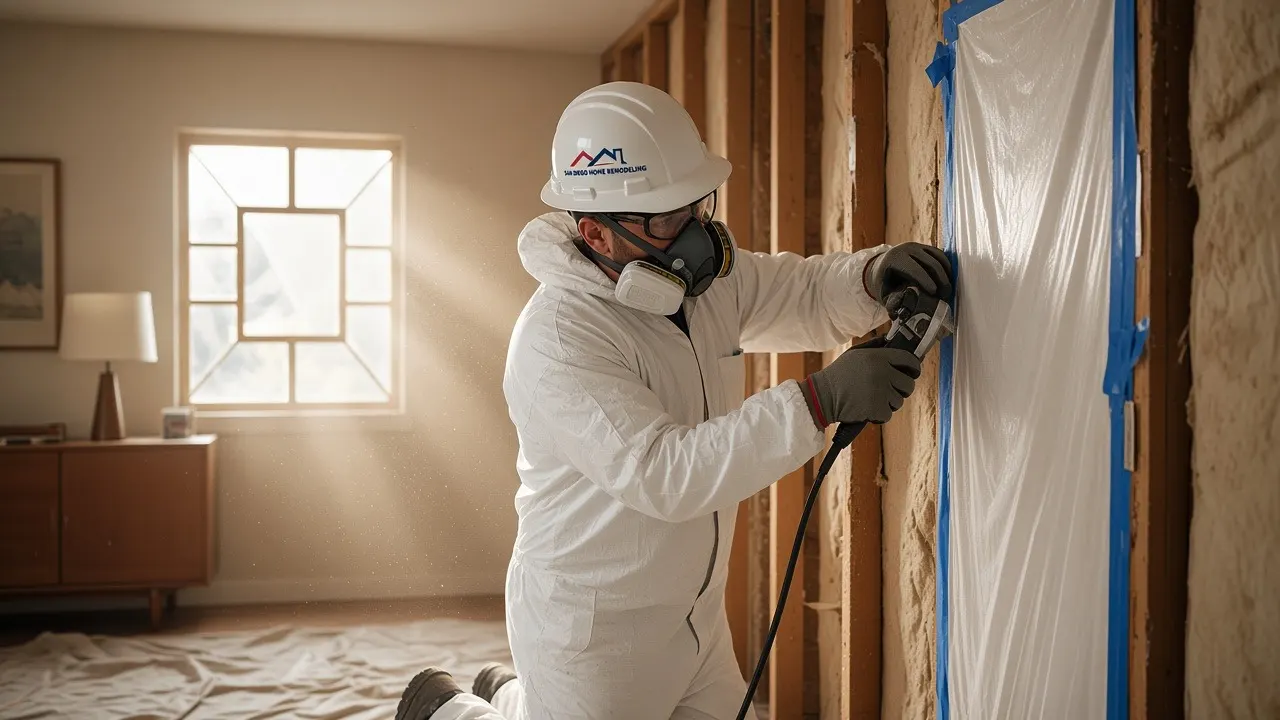
A realistic full-house renovation timeline runs 10 to 16 weeks from demolition to final walkthrough, though single-room projects can wrap in three to four weeks. Dust and noise are unavoidable during framing and drywall phases, so it helps to seal off living areas with plastic sheeting and plan around the loudest work windows, usually mid-morning through mid-afternoon on weekdays. Material lead times matter too. Custom cabinetry can take six to ten weeks to arrive, and ordering it late is one of the most common reasons projects stall near the finish line. Building in that lead time from day one keeps your renovation costs for home projects on schedule instead of paying for idle labor while you wait on materials.
Final Thought
So, how much does it cost to renovate a house? The real number depends on your home’s age, size, and how much you’re changing, but the ranges above give you a solid starting point for planning your project with confidence. If you’re ready for a real quote built around your specific space, contact us at San Diego home remodeling and our team will walk you through a detailed, no-pressure estimate.
Frequently Asked Questions
Is renovating cheaper than buying a new house?
In most cases, yes. Renovating typically costs 20 to 40 percent less than buying a comparable home in the same neighborhood, especially when you already own the property outright.
How long does a full house renovation take?
A full house renovation usually takes 10 to 16 weeks, though homes with structural changes or permit delays can extend to five or six months.
What renovation adds the most resale value?
Kitchen and bathroom updates consistently deliver the strongest return, followed by curb appeal improvements like new siding or landscaping.
Can I renovate on a tight budget?
Yes. Focus on high-impact, low-cost updates like paint, lighting, and hardware first, then save for bigger structural or plumbing work in a later phase.
Do I need a permit for every renovation?
No. Cosmetic work like painting or flooring rarely needs a permit, but anything involving plumbing, electrical, or structural changes almost always does.