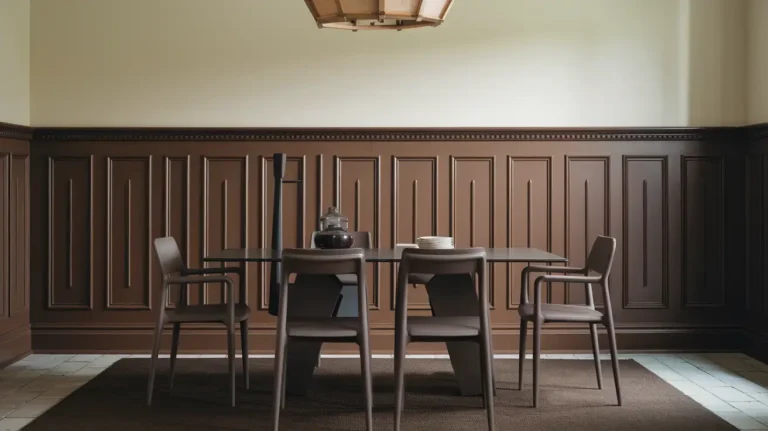
Walk into any newly renovated living room this year, and one wall is often doing more work than the rest of the house combined. That’s the quiet power of half wall paneling. It’s one of the few upgrades that changes how a room feels in a single weekend, without touching the layout or the budget for a full remodel.
At San Diego home remodeling, we’ve watched half wall paneling ideas grow from a niche request into one of the most asked-for details in kitchen nooks, primary bedrooms, and hallways, because it looks custom without costing like custom work. This guide covers what half wall paneling actually is, the best ideas, materials, and mistakes to avoid.
What Is Half Wall Paneling?
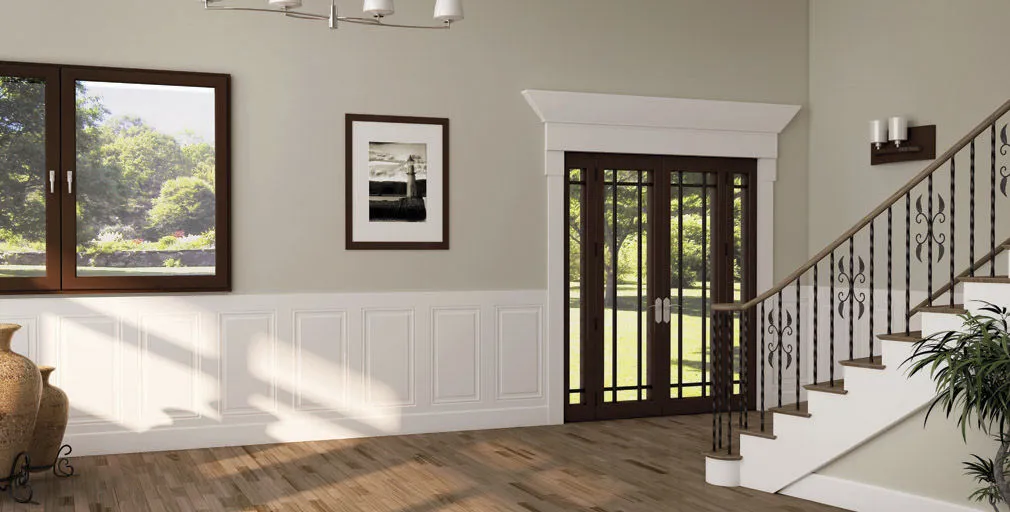
Half wall paneling is exactly what it sounds like: decorative panels installed on the lower portion of a wall, usually from the baseboard up to somewhere between 32 and 42 inches, with plain painted drywall continuing above. Traditionally this style was called wainscoting, and the term still gets used interchangeably today.
The difference between half wall paneling and full wall paneling comes down to proportion and purpose. Full paneling covers the entire wall and tends to make a strong, sometimes heavy statement. Half wall paneling stops at a practical height, which means it protects the areas of a wall that take the most abuse, chair backs, pet scratches, kids’ scooters in the hallway, while still leaving room for artwork, mirrors, or simply a breathing painted surface above.
Why Half Wall Paneling Is So Popular in 2026
A few years ago, paneling was mostly associated with older homes or formal dining rooms. That’s changed. Here’s what’s driving the current wave of interest, based on the projects we’re seeing come through our own consultations:
It adds real architectural depth. Flat drywall reads as a placeholder. A textured lower wall gives a room a sense of craftsmanship, even in a builder-grade tract home.
It’s the cheapest way to make a room feel finished. Compared to a full remodel, half wall paneling ideas typically run a fraction of the cost while delivering a disproportionate amount of visual payoff.
It protects the wall where damage actually happens. Scuffs, dings, and dirty handprints cluster in the lower third of a wall. Paneling there means fewer touch-up paint jobs over time.
It works in tight spaces just as well as large ones. A narrow hallway or small powder room can handle a half wall of texture in a way it can’t handle a full accent wall, which can feel closed-in.
It’s a strong resale signal. Buyers and appraisers both associate detailed millwork with a well-maintained, thoughtfully updated home, even when the underlying square footage hasn’t changed.
12 Half Wall Paneling Ideas That Instantly Upgrade Your Home
1. Classic Board and Batten
Vertical strips of wood (battens) laid over a flat base create defined, evenly spaced panels. This is the most forgiving style for a first-time DIYer because the layout math is simple and mistakes are easy to hide with caulk. Best in dining rooms and entryways where a traditional look is the goal.
2. Shiplap Wainscoting
Horizontal boards with a slight shadow gap between each row. It reads more casual and coastal than board and batten, which makes it a natural fit for San Diego homes near the water. Works especially well in bathrooms and kitchen nooks.
3. Beadboard Panels
Thin vertical grooves running the length of the panel give beadboard a soft, cottage-style texture. It’s a strong choice for bathrooms because it’s typically sold in moisture-resistant PVC as well as wood, so it holds up in humid conditions without warping.
4. Modern Flat Panel
Smooth, recessed rectangular panels with clean lines and no visible seams or grooves. This is the version we install most often for clients who want the depth of paneling without any of the traditional or farmhouse association. Pairs well with matte black hardware and minimalist furniture.
5. Picture Frame Molding
Thin strips of molding applied directly to the wall in a grid pattern, painted the same color as the wall behind them. It creates shadow and dimension using paint alone, which makes it one of the least expensive half wall paneling ideas on this list. Best suited to formal living rooms.
6. Geometric Accent Paneling
Angled or diamond-cut wood pieces arranged in a repeating pattern. This is a statement option, best reserved for a single feature wall behind a headboard or television rather than a full room, since the pattern is visually loud.
7. Natural Wood Panels
Unpainted, sealed wood left in its natural grain and tone. This works best in homes leaning into a warm, organic palette, and it tends to age better than trend-driven paint colors because wood grain doesn’t go out of style the way a paint chip can.
8. Black Half Wood Paneling
A darker, moodier take on board and batten or flat panel styles, usually paired with a lighter wall color above the panel line. It’s become one of the most requested finishes for primary bedrooms in the last two years because it grounds the room without darkening it entirely.
9. Herringbone Pattern Panels
Short wood pieces installed at alternating 45 degree angles, forming a zigzag pattern. It’s more labor-intensive to install correctly, since every angle has to be cut precisely, but the payoff is a wall that looks custom-built even in a standard-sized room.
10. Vertical Slat Paneling
Narrow, evenly spaced wood slats installed vertically, sometimes with a contrasting material or acoustic felt behind them. Slat walls have become a favorite for home offices because the vertical lines make ceilings feel taller and the gaps between slats can double as subtle sound dampening.
11. Two-Tone Paneling
The panel itself is painted one color, while the wall above uses a contrasting or complementary shade. This is one of the easiest ways to make a small room feel intentional rather than accidental, and it plays well with almost any of the styles listed above.
12. Half Wall Paneling with Built-Ins
Paneling integrated directly into custom shelving, window seats, or a media console base. This is where half wall paneling ideas move from decorative to functional, and it’s typically the point where a project shifts from a weekend DIY task to something worth bringing in a contractor for.
Best Rooms for Half Wall Paneling
Not every style works in every room, and matching the panel type to the room’s actual use matters more than most guides admit.
- Living room: Flat panel or picture frame molding, since these rooms usually need to stay visually calm.
- Bedroom: Black half wood paneling or board and batten behind the headboard for a built-in focal point.
- Dining room: Classic board and batten or two-tone paneling, both of which read as more formal.
- Hallway/entryway: Shiplap or beadboard, since these areas take the most physical wear and benefit from durable, easy-to-clean surfaces.
- Bathroom: Beadboard or PVC shiplap, chosen specifically for moisture resistance.
- Home office: Vertical slat paneling, both for the visual height it adds and the mild acoustic benefit during video calls.
Half Wall Paneling vs Full Wall Paneling
Half Wall Paneling
Lower cost, faster installation, less overwhelming in small rooms, and leaves the upper wall free for art or a contrasting paint color. The tradeoff is less dramatic impact if you’re aiming for a fully transformed, editorial-style room.
Full Wall Paneling
Stronger visual statement and better sound dampening across the whole wall, but significantly higher material and labor cost, and it can make a small room feel tighter if the scale isn’t planned carefully.
For most single-room refreshes, half wall paneling delivers the better return relative to effort. Full paneling tends to make more sense in a formal dining room or a dedicated media room where the goal is drama rather than balance.
Best Materials for Half Wall Paneling
Solid wood offers the best long-term durability and can be sanded and refinished, but it costs more and is sensitive to moisture if untreated.
MDF is smooth, affordable, and takes paint beautifully, making it the most common choice for flat panel and picture frame styles, though it’s not a good fit for bathrooms unless it’s specifically moisture-rated.
PVC panels are essentially waterproof, which makes them the right call for bathrooms, laundry rooms, and any space near a shower or tub.
Textured 3D panels add depth through molded surface patterns rather than paint or stain, and they install quickly since many versions are adhesive-backed, though they generally read as less premium up close than solid wood or MDF.
Popular Half Wall Paneling Colors & Finishes for 2026
Warm off-whites and soft greiges remain the safest, most timeless choice for resale-focused projects. Moody tones like charcoal, deep forest green, and near-black have become the go-to for primary bedrooms and powder rooms where a bit of drama is welcome. Two-tone combinations, a slightly darker panel with a lighter wall above, continue to outperform single-color rooms in client satisfaction simply because the contrast does the visual work for you without any additional texture or pattern needed.
How High Should Half Wall Paneling Be?
The traditional wainscoting height sits around one-third of the total wall height, which in a standard 8-foot ceiling works out to roughly 32 to 36 inches. In rooms with taller ceilings, going up to 42 inches keeps the proportion looking intentional rather than stunted. A quick rule we use on site: measure your ceiling height, divide by three, and round to the nearest even number for cleaner panel math.
DIY vs Professional Installation
DIY Installation
Board and batten, picture frame molding, and adhesive-backed textured panels are realistic weekend projects for someone comfortable using a level, miter saw, and caulk gun. Expect one to two full days for an average-sized room, plus paint drying time.
Professional Installation
Herringbone patterns, built-in integration, and any project involving electrical outlet cutouts or plumbing access points are worth hiring out. Professional installation also matters when the wall itself isn’t perfectly square, which is more common in older homes than people expect, since a skilled installer can correct for it as they go rather than fighting visible gaps later.
Common Mistakes to Avoid
Getting the height ratio wrong. Paneling that’s too tall competes with door and window trim; too short and it looks like an afterthought. Ignoring room proportions. A bold pattern like herringbone can overwhelm a small room, while a subtle style like picture frame molding can disappear in a large one. Choosing the wrong material for humid rooms. Solid wood in a bathroom without proper sealing will warp within a year or two, regardless of how well it’s installed.
Cost of Installing Half Wall Paneling in 2026
DIY projects using MDF or PVC panels typically run in the low hundreds per room for materials alone, not counting tools. Professionally installed paneling, factoring in labor, custom cuts, and higher-grade materials, generally falls into a broader range depending on room size, pattern complexity, and whether built-ins are involved. Herringbone and built-in integrations sit at the higher end of that range because of the additional labor precision required. If you’re already planning a larger renovation, bundling paneling into a full Room Remodeling in San Diego project is often more cost-effective than treating it as a separate add-on later.
Maintenance & Longevity Tips
Wipe painted MDF and wood panels with a slightly damp cloth rather than harsh cleaners, which can strip the finish over time. Touch up scuffed corners with a small artist’s brush rather than repainting the whole panel, since spot touch-ups blend in far better than most people expect. PVC panels in bathrooms need almost no maintenance beyond routine cleaning, while solid wood should be checked yearly for any sign of moisture damage near baseboards or window sills.
Conclusion
Half wall paneling remains one of the most reliable ways to add character to a home without the cost or disruption of a full renovation. Whether you go with a simple painted board and batten wall or a fully built-in herringbone feature, the key is matching the style, material, and height to the room it’s going into. If you’re in San Diego and ready to move from ideas to an actual installed wall, reach out to San Diego home remodeling.
Contact us today for a walkthrough of your space and a straightforward estimate.
FAQs
What is the standard height for half wall paneling?
Most homes use a height between 32 and 42 inches, roughly one-third of the total wall height. The exact number depends on your ceiling height and the style of paneling you choose.
Is half wall paneling out of style in 2026?
No, it’s actually one of the more requested upgrades this year, particularly in flat panel and two-tone finishes. The style has shifted away from traditional formal looks toward cleaner, more versatile designs that fit modern homes.
How much does it cost to install half wall paneling?
DIY material costs are generally in the low hundreds per room, while professional installation costs more depending on room size and pattern complexity. Built-in and herringbone designs cost more due to the additional labor involved.
Can I install half wall paneling myself?
Simpler styles like board and batten and picture frame molding are manageable DIY projects for someone with basic tools and patience. More complex patterns, or any wall with electrical or plumbing obstacles, are better left to a professional installer.
What is half wall paneling also called?
It’s commonly known as wainscoting, a term that’s been used for this lower-wall treatment for well over a century. Both names refer to the same general concept of panels covering the lower portion of a wall.