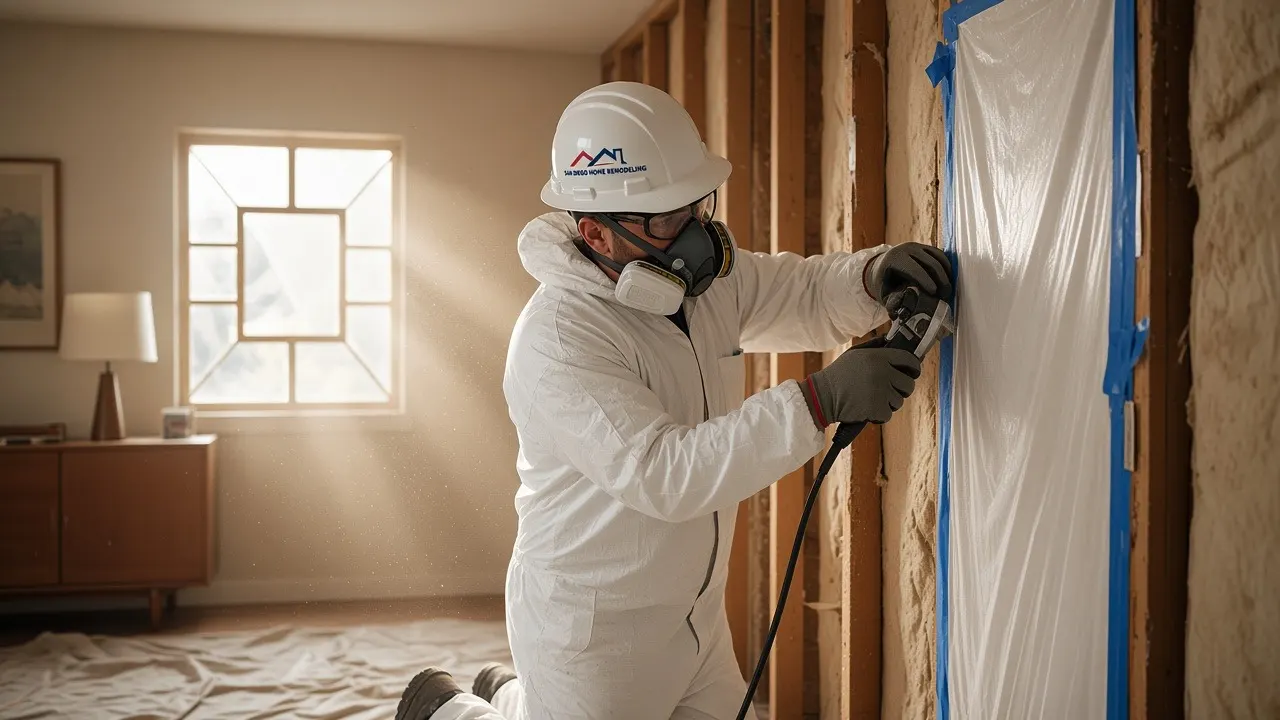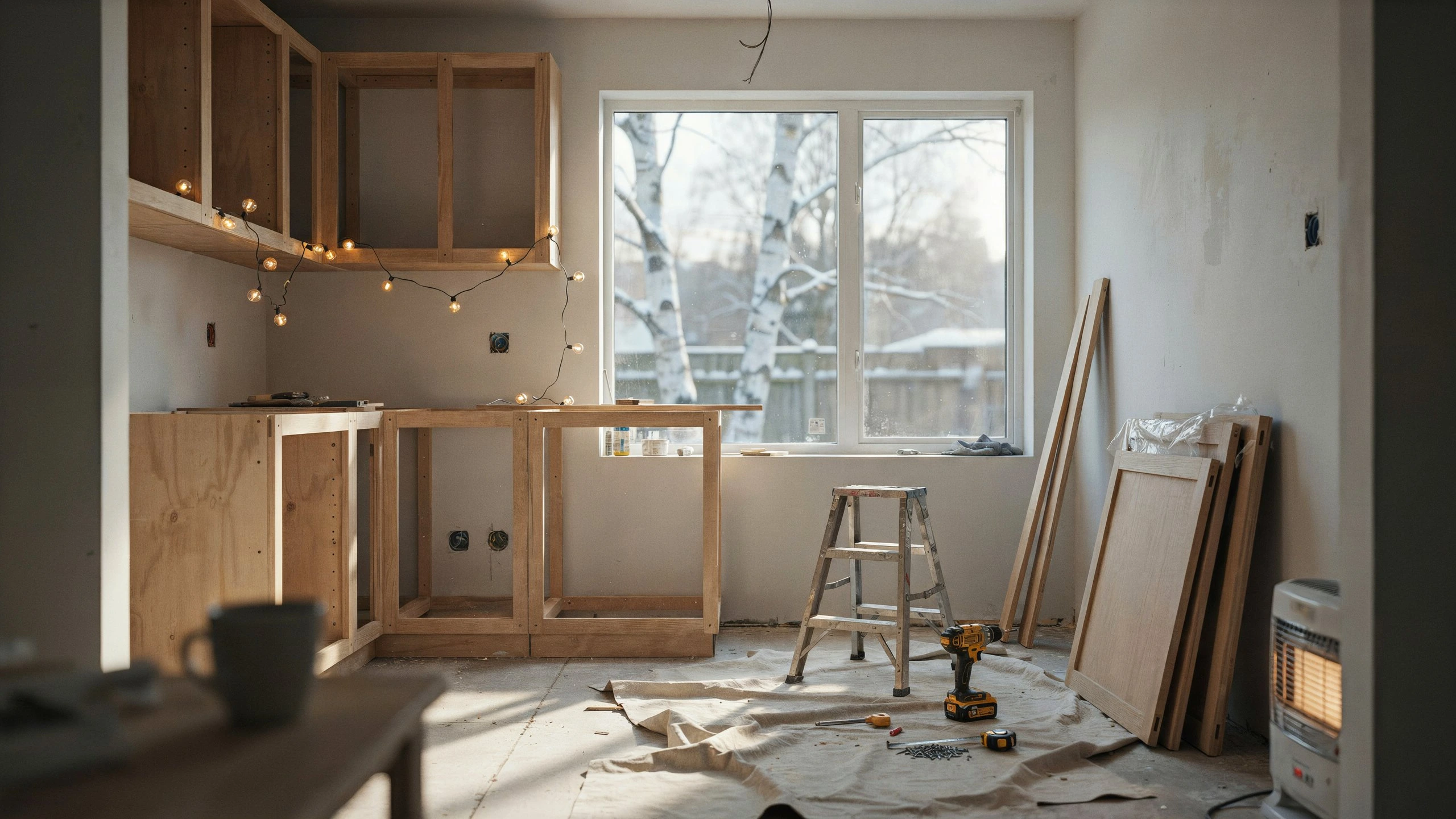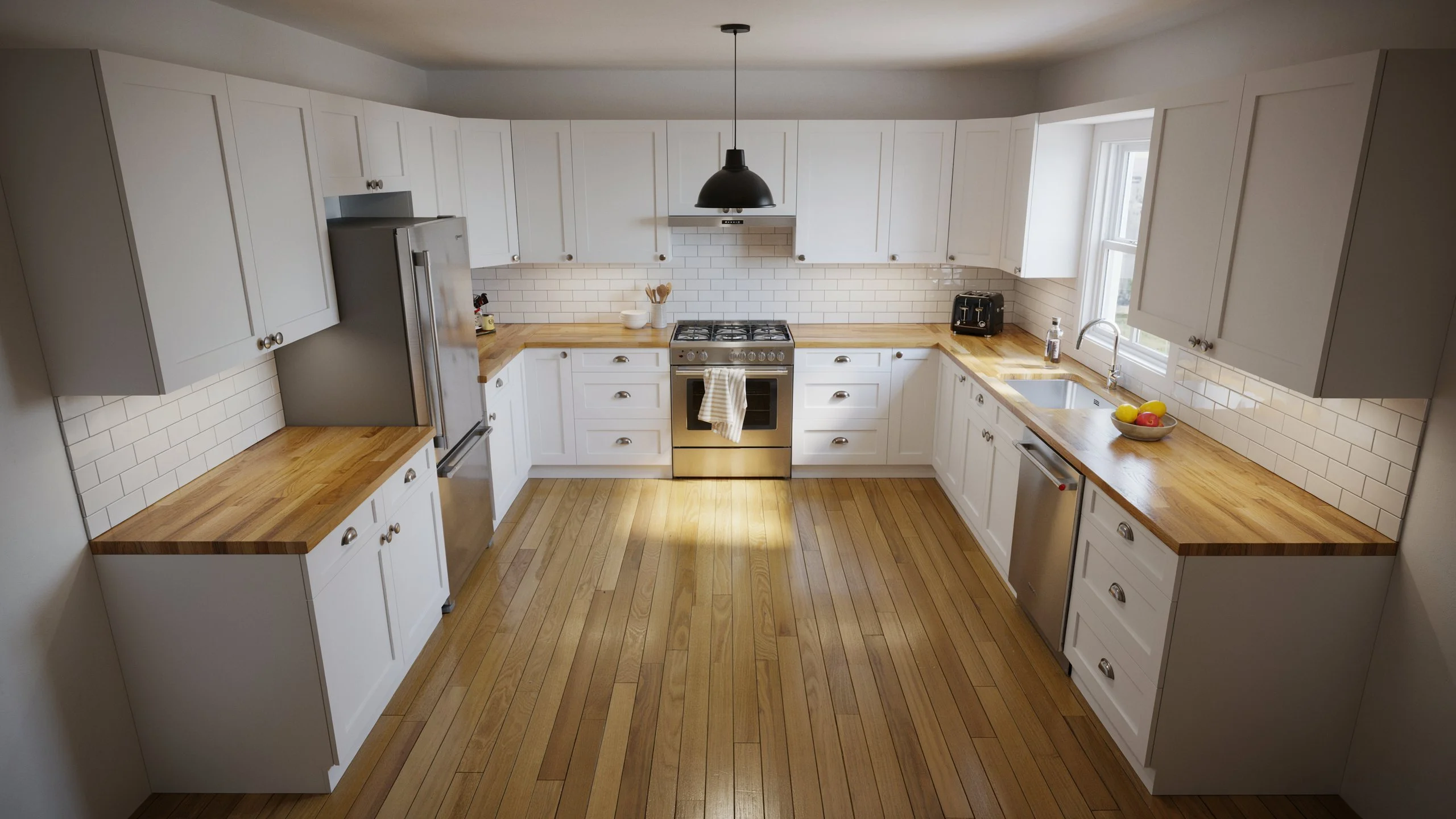

If you have been eyeing that dusty, cluttered garage and wondering whether it could become something better, you are not alone. Homeowners across San Diego are asking the same question: how much does a garage conversion cost, and is it worth it? The honest answer is that it depends on size, permits, and what you plan to build, but this guide breaks down every real cost factor so you can budget with confidence.
At San Diego Home Remodeling, we walk clients through this exact process every week, and this article reflects what actually drives pricing in our market, not just national averages.
Quick Cost Snapshot
Most garage conversions in San Diego fall between $20,000 and $80,000, depending on scope. A basic finished room (insulation, drywall, flooring, electrical) sits at the lower end. A full ADU with a kitchen, bathroom, and separate entrance sits at the higher end, sometimes climbing past $100,000 once permits and utility upgrades are included. San Diego Home Remodeling always recommends getting a scoped estimate before assuming national averages apply here, since local labor and permitting costs run higher than in most parts of the country.
Reviewed for Accuracy
This guide is periodically reviewed by our licensed project team based on current San Diego permit fees and material pricing. If you would like a specific reviewer credited here, let us know and we can update this section.
What Determines Your Garage Conversion Cost
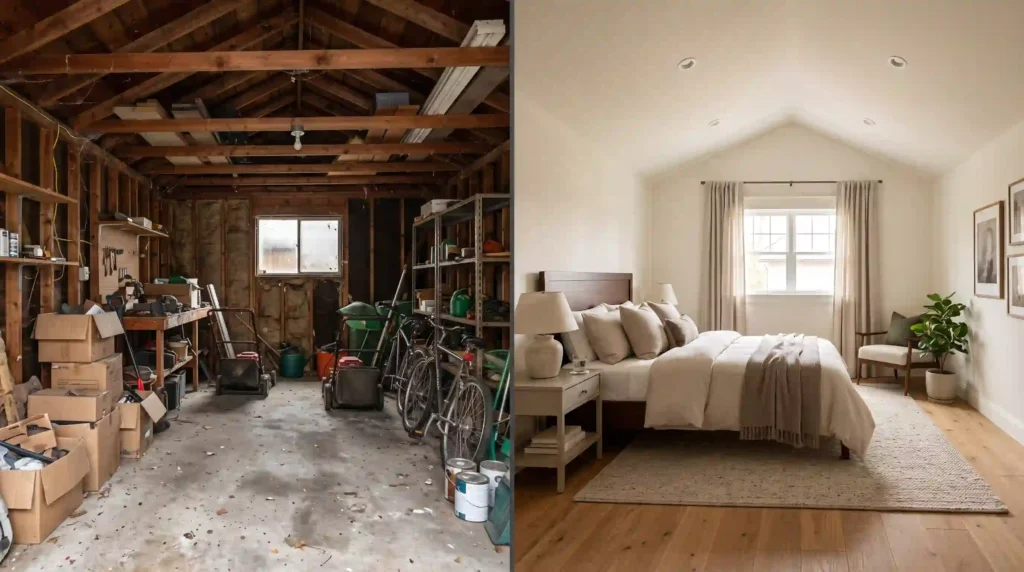
Four factors drive nearly every estimate: square footage, whether plumbing and a kitchen are involved, the condition of the existing structure, and permit complexity. A garage with a solid slab and good bones costs less to convert than one with foundation cracks, moisture issues, or outdated wiring that needs a full panel upgrade. This is why two garages of the same size can have wildly different garage conversion cost estimates.
Attached vs. Detached Garage Conversion Cost
Attached garages are usually cheaper to convert because they already share utility lines, a roofline, and structural connections with the main house. Detached garages often need new electrical service, standalone plumbing runs, and sometimes a new HVAC connection, which can add several thousand dollars to the total. If you are comparing quotes, always ask whether the estimate accounts for this difference.
Garage Conversion Cost by Square Footage
| Garage Size | Approximate Cost Range |
| One-car (200 to 250 sq ft) | $20,000 to $30,000 |
| Standard two-car (400 to 480 sq ft) | $32,000 to $55,000 |
| Oversized two-car (500 to 600 sq ft) | $45,000 to $65,000 |
| Three-car (700+ sq ft) | $60,000 to $95,000 |
Cost per square foot actually drops slightly as the garage gets bigger. That’s because fixed expenses like permits, a single HVAC unit, and one electrical panel upgrade get spread across more floor area. A tiny office conversion can end up costing more per square foot than a full two-car bedroom conversion simply because those fixed costs don’t scale down.
San Diego Garage Conversion Cost Breakdown
San Diego Permit and City Fee Costs
Expect to budget $3,000 to $10,000 for permits, plan review, and city fees when converting a garage in San Diego, with ADU conversions landing at the higher end due to additional plan check requirements.
San Diego Cost per Square Foot
Local labor rates push per-square-foot pricing above the national average. Simple finish-out work starts around $150 per square foot, while ADU-level conversions with kitchens and bathrooms can reach $300 or more per square foot.
Local Zoning and ADU Rules That Affect Cost
California and San Diego zoning rules can actually reduce cost in some cases. If your property is within a half mile of public transit, you may be exempt from replacing the parking space lost to the conversion, which removes a common budget line item entirely. Setback and lot coverage rules can still affect design, so a pre-application check with the city is worth the time.
Garage Conversion Cost by Project Type
- Bedroom: $18,000 to $35,000
- Home office: $15,000 to $25,000
- Entertainment or living room: $18,000 to $30,000
- Home gym: $12,000 to $22,000
- Utility or laundry room: $8,000 to $15,000
- In-law suite or ADU: $60,000 to $150,000
The cost to convert garage into living space climbs fastest once plumbing and full kitchens enter the picture, so a bedroom or office is almost always more budget-friendly than an ADU.
ADU Conversion: The Long-Term Value Play
A garage-to-ADU conversion costs more upfront, but it is the only conversion type that can generate rental income. San Diego rental rates for a studio-style ADU commonly range from $1,600 to $2,400 per month, which means a well-planned conversion can pay for itself over several years while also adding long-term property value.
Garage Conversion vs. Detached ADU vs. Home Addition
A garage conversion is almost always the cheapest way to add livable square footage because the foundation, walls, and roof already exist. A detached ADU costs roughly double per square foot since it requires new foundation and framing from scratch. A traditional home addition often costs even more once you factor in matching rooflines and exterior finishes. If budget is the priority, converting the existing garage is typically the smartest starting point.
Full Cost Breakdown by Component
| Cost Factor | Average Cost |
| Permits | $500 to $2,500 |
| Structural or foundation work | $1,500 to $8,000 |
| Electrical | $1,500 to $5,000 |
| Plumbing | $2,000 to $7,000 |
| Insulation | $800 to $3,000 |
| HVAC | $2,000 to $7,500 |
| Windows and doors | $700 to $3,500 |
| Flooring | $1,500 to $6,000 |
| Drywall | $1,200 to $4,000 |
Hidden and Unexpected Costs to Budget For
Homeowners often forget engineering fees, sewer lateral inspections, and utility upgrade fees charged by the city. Older garages sometimes reveal termite damage or asbestos in original materials once demolition starts, which can add unplanned cost. Building in a 10 to 15 percent contingency is standard practice for any garage remodel cost estimate.
How to Finance Your Garage Conversion
Common financing routes include a home equity line of credit, a cash-out refinance, or a dedicated renovation loan. California also periodically offers ADU-specific grant and forgivable loan programs for qualifying homeowners, so it is worth checking current state programs before committing to a private loan. Comparing interest rates across two or three lenders before starting construction is one of the simplest ways to control long-term project cost.
Cost to Hire a General Contractor and Questions to Ask
General contractor fees typically run 15 to 25 percent of total project cost, covering scheduling, permitting, and subcontractor management. Before signing a contract, ask about their license number, whether they pull permits themselves, how change orders are priced, and for references from a completed San Diego project similar in scope to yours. If you are also considering upgrades beyond the garage, our San Diego Whole Home Remodeling services can be bundled to save on overlapping permit and design costs.
DIY vs. Hiring a Pro
Painting, flooring installation, and trim work are reasonable DIY tasks that can shave a few thousand dollars off your total. Electrical, plumbing, and structural work should always go to licensed professionals, both for safety and because unpermitted work can complicate a future home sale.
Common Mistakes That Push Costs Higher
Skipping permits to save money is the most expensive mistake homeowners make, since it often means costly retrofits when selling the home later. Underestimating electrical panel capacity and choosing high-end finishes before locking in a firm budget are two other common cost overruns.
Do You Need a Permit?
Yes. Any garage conversion that changes the use of the space, adds plumbing, or alters electrical systems requires a permit in San Diego. Unpermitted conversions can create serious problems during a home appraisal or resale.
Ways to Save Money on Your Garage Conversion
Keep the existing garage door opening if possible rather than reframing the wall, reuse the existing slab instead of pouring new concrete, and choose mid-range finishes over premium materials in rooms that will not include plumbing.
Garage Conversion Timeline
A basic conversion typically takes four to eight weeks once permits are approved. A full ADU conversion, including permit review time, often takes three to six months from design to final inspection.
What a Typical San Diego Project Looks Like
While every home is different, a common scenario we see is a single-car attached garage converted into a home office or guest bedroom, staying in the $20,000 to $30,000 range once permits, insulation, electrical, and flooring are included. Projects that add a bathroom or move toward full ADU status naturally shift into a higher budget tier due to plumbing and additional permit review.
You may also read: Your Complete Remodeling Project Checklist
Does a Garage Conversion Add Value to a House?
In most San Diego neighborhoods, a well-permitted garage conversion adds meaningful resale value, particularly ADU conversions given ongoing demand for rental-ready units. Value added depends heavily on finish quality and whether the work was fully permitted.
Our Cost Data and Methodology
The ranges in this guide are based on current San Diego permit fee schedules, typical material and labor pricing across active projects, and general market rates for comparable renovation work. Individual quotes will vary based on your home’s specific condition and design choices.
Final Thoughts
Garage conversion cost in San Diego varies widely, but understanding the real cost drivers, permits, plumbing, structural condition, and finish level, gives you a realistic starting point for your budget. Whether you are planning a simple home office or a full ADU, San Diego Home Remodeling can walk you through a scoped estimate based on your actual property rather than generic averages. Contact us today to schedule a consultation and get a clear picture of what your project will really cost.
Frequently Asked Questions
How much does a garage conversion cost on average in San Diego?
Most projects range from $20,000 to $80,000, with full ADU conversions sometimes exceeding $100,000 depending on plumbing and finish level.
Is it cheaper to convert a garage than build an addition?
Yes, because the existing foundation, walls, and roof reduce structural costs significantly compared to building a new addition from scratch.
Do I need a permit for a garage remodel?
Yes, any conversion that changes the room’s use or adds electrical and plumbing systems requires city permits in San Diego.
What adds the most to garage conversion cost?
Plumbing and full kitchen installations add the most cost, since they require new utility lines, venting, and additional permit review.
Can a garage conversion increase my property value?
Yes, particularly ADU-style conversions, since they add both livable square footage and potential rental income to the property.