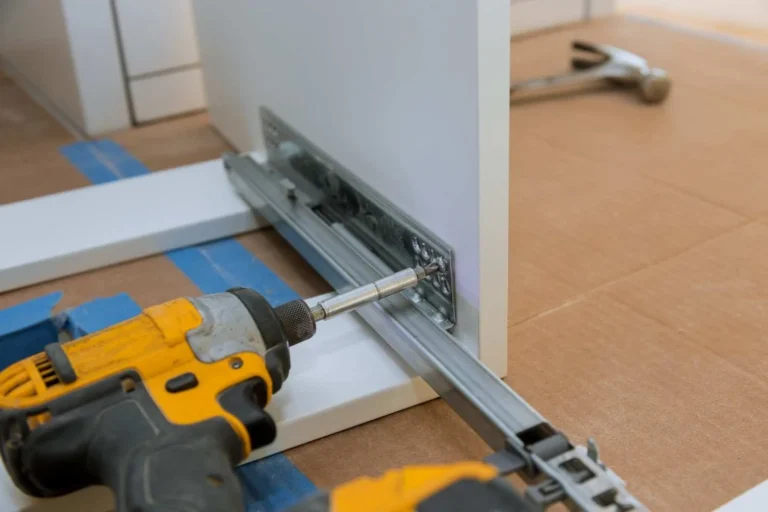
Kneel down in front of any kitchen island and look at the small gap between the cabinet bottom and the floor. That gap is doing more work than most homeowners realize. Get kitchen cabinet toe kick installation wrong and you’ll spend years staring at a crooked line every time you cook dinner. Get it right and nobody will ever notice it, which is exactly the point.
At San Diego home remodeling, we’ve fitted toe kicks into everything from 1970s ranch homes with floors that slope half an inch across a single run, to brand-new custom builds where every wall is dead square. This guide walks through the actual process we use on job sites, including the parts that most articles skip: how to build a toe kick from scratch, how to replace one that’s falling apart, and what the whole project should realistically cost.
What Is a Toe Kick and Why It Matters
A toe kick is the recessed panel running along the bottom of your base cabinets, set back a few inches from the cabinet face and standing a few inches tall. It fills the space between the cabinet box and the floor.
Ergonomic Benefits (Standing Comfort)
Stand at a counter and chop vegetables for twenty minutes without a toe kick, and your lower back will let you know about it. Without that recess, your feet hit the cabinet base and force you to lean forward from the hips the entire time. The setback lets your feet slide underneath so you can stand upright at the counter, which matters most in kitchens where someone cooks daily rather than occasionally.
Aesthetic and Functional Benefits
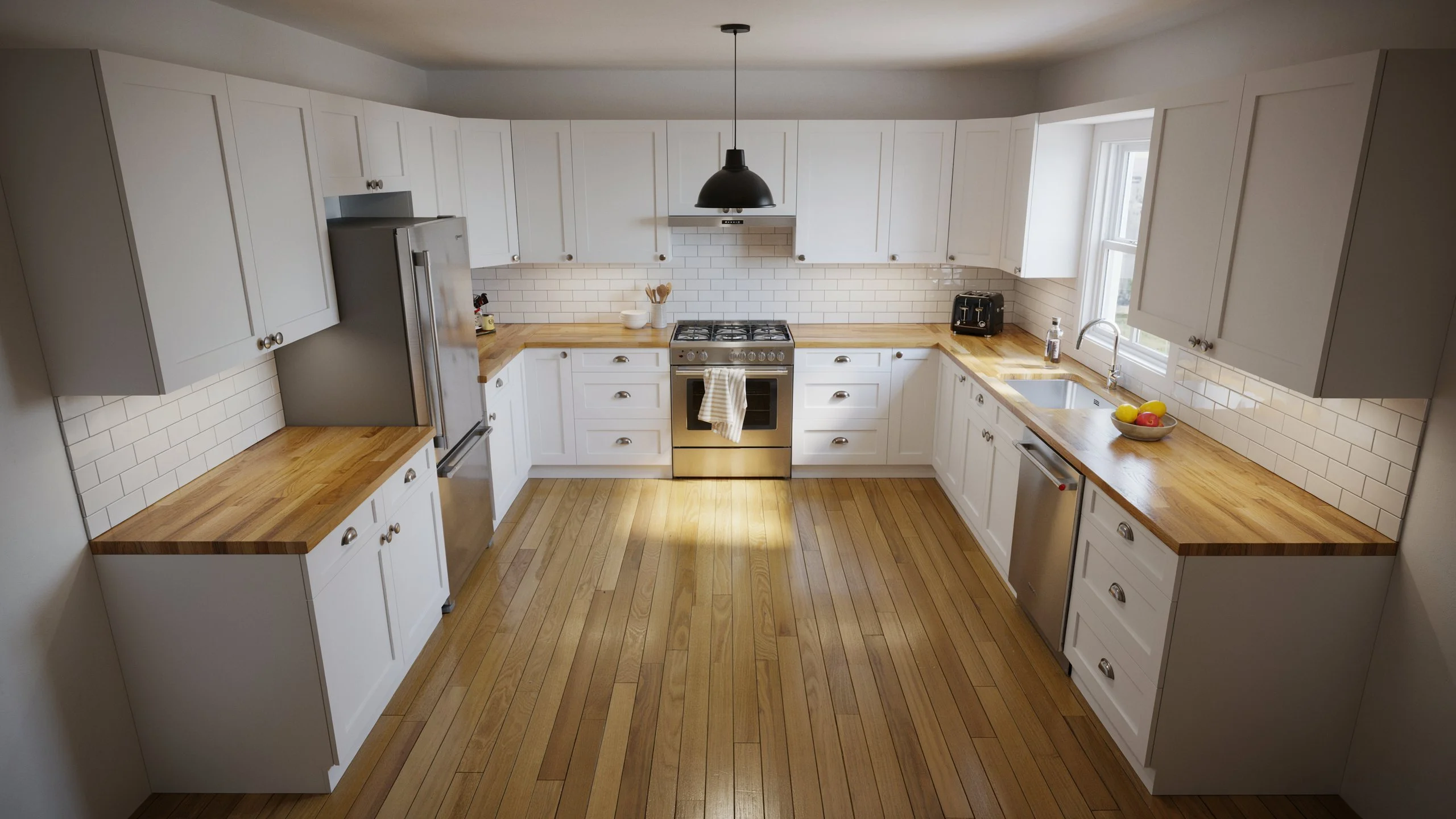
Beyond comfort, the toe kick hides the cabinet’s leveling legs, any shims used to correct an uneven floor, and the raw underside of the cabinet box. A clean toe kick line is one of the fastest visual cues that a kitchen was installed by someone who paid attention to detail. Skip it or install it poorly, and even expensive cabinetry looks unfinished.
Standard Toe Kick Dimensions (Height, Depth & ADA Guidelines)
Standard Height and Depth
Most kitchen cabinet toe kick installation projects use a panel that’s 3.5 to 4 inches tall and set back 3 to 4 inches from the cabinet face. These numbers aren’t arbitrary. They come from decades of ergonomic testing on average foot size and standing posture, and nearly every stock and semi-custom cabinet line in the U.S. is built around them.
When to Go Taller or Deeper
We adjust these numbers more often than people expect. Homeowners installing thick tile or engineered hardwood sometimes lose half an inch of clearance to the new flooring, so we’ll bump the toe kick depth to 3.5 or even 4 inches to keep foot room comfortable. Taller homeowners building a custom kitchen sometimes request a 5 to 6 inch toe kick for a more furniture-like proportion, though anything much taller starts to look out of balance with standard-height cabinets.
Accessibility (ADA) Considerations
If you’re designing a kitchen for wheelchair access, ADA guidelines call for a toe kick at least 9 inches tall and 6 inches deep at the base of accessible cabinetry, so a wheelchair footrest can slide underneath. This is a detail that gets missed constantly in aging-in-place remodels, and it’s worth flagging early with your designer before cabinets are ordered, not after they arrive.
Types of Toe Kick Designs for Kitchen Cabinets
Recessed Toe Kick (Standard)
This is what you’ll find in the vast majority of kitchens. The panel sits back from the cabinet face, creating a shadow line that reads as a clean break between cabinet and floor. It’s the easiest style to clean and the most forgiving for uneven floors.
Flush / Furniture-Style Toe Kick
A flush toe kick sits in line with the cabinet doors instead of being recessed, giving the cabinetry a built-in furniture look similar to an antique hutch. It looks striking but sacrifices foot room, so we typically recommend it only on island ends or perimeter runs where people don’t stand for long stretches, not the main prep zone.
Floating or Leg-Style Base
Legs or an open base under the cabinets create a lighter, more contemporary look and make mopping the floor easier since there’s nothing to clean around. This style demands a near-perfectly level floor to look intentional rather than uneven, so it’s not a good fit for older homes without floor leveling work first.
Decorative & Arched Toe Kicks
Some homeowners want more than a plain rectangle, particularly under a farmhouse sink or an island end panel. An arched or scalloped toe kick, cut with a jigsaw and matched to the cabinet finish, adds a custom touch without the cost of fully custom cabinetry. We’ve used this detail to dress up otherwise stock cabinet lines on a tight budget.
Best Materials for Cabinet Toe Kick Trim
Matching Cabinet Material
Most prefabricated base cabinets ship with toe kick strips in the same laminate or wood veneer as the boxes. This is the easiest match and should always be your first choice if the cabinet line offers it.
MDF (Best for Painted Cabinets)
Medium-density fiberboard is dense, cuts cleanly, and takes paint better than solid wood does. For painted cabinetry, this is the material we reach for most often, provided the bottom edge gets properly primed and sealed against moisture.
Solid Wood / Plywood
Solid wood or veneer-faced plywood is the right call for custom, stained cabinetry where the grain needs to match the doors. It costs more and requires more careful finishing, but it’s the only option that looks correct against natural wood tones.
Vinyl or PVC (Budget & Moisture-Resistant Option)
Vinyl and PVC toe kick material resists water well, which makes it a practical pick near dishwashers and sinks or in rental units where budget matters more than a perfect match. It won’t look as refined as wood or MDF up close, but it holds up to daily wear without warping.
Tools and Materials Checklist Before You Start
Before you get on your knees, gather everything so you’re not stopping mid-project:
- Tape measure and pencil
- Miter saw or circular saw
- Coping saw for scribing
- Finish nailer or construction adhesive
- 4-foot level
- Safety glasses
- Toe kick panels or molding strips
- Wood filler and sandpaper
- Matching paint or stain
How to Install a New Toe Kick: Step-by-Step
Step 1: Measure the Full Cabinet Run
Measure wall to wall along the entire run, noting where dishwashers, ranges, or islands break the line. On L-shaped or U-shaped kitchens, measure each leg separately rather than assuming they match.
Step 2: Check the Floor for Level
Run your level along the base before cutting anything. Older homes in particular tend to settle unevenly, and skipping this step is the single biggest reason toe kicks end up with visible gaps.
Step 3: Cut the Panels to Length (and Corners)
Straight runs need clean 90-degree cuts. Outside corners where two runs meet get a 45-degree miter on each piece. Inside corners are usually butted into the wall with the second piece notched around it.
Step 4: Scribe for Uneven Floors
Hold the panel in place, trace the floor’s contour onto the back with a pencil, then cut along that line with a coping saw. This scribing step is what separates a tight, professional-looking installation from one with daylight showing underneath.
Step 5: Attach with Adhesive and/or Finish Nails
Apply a bead of construction adhesive to the panel back and press it firmly against the cabinet base, then reinforce with a few finish nails along the top edge into the cabinet box. Using both methods together gives the strongest, longest-lasting hold.
Step 6: Fit Around Corners and Appliances (Dishwasher Panels)
Glue mitered outside corners and hold them with painter’s tape while they set. Where a dishwasher breaks the run, its decorative front panel needs to match the surrounding toe kick in height and finish so the line reads as continuous across the whole kitchen.
Step 7: Fill, Sand, and Finish
Fill nail holes with matching wood filler, let it cure, sand lightly, and touch up with paint or stain. Step back and view the run from standing height, since that’s the angle every gap or misalignment will actually be seen from.
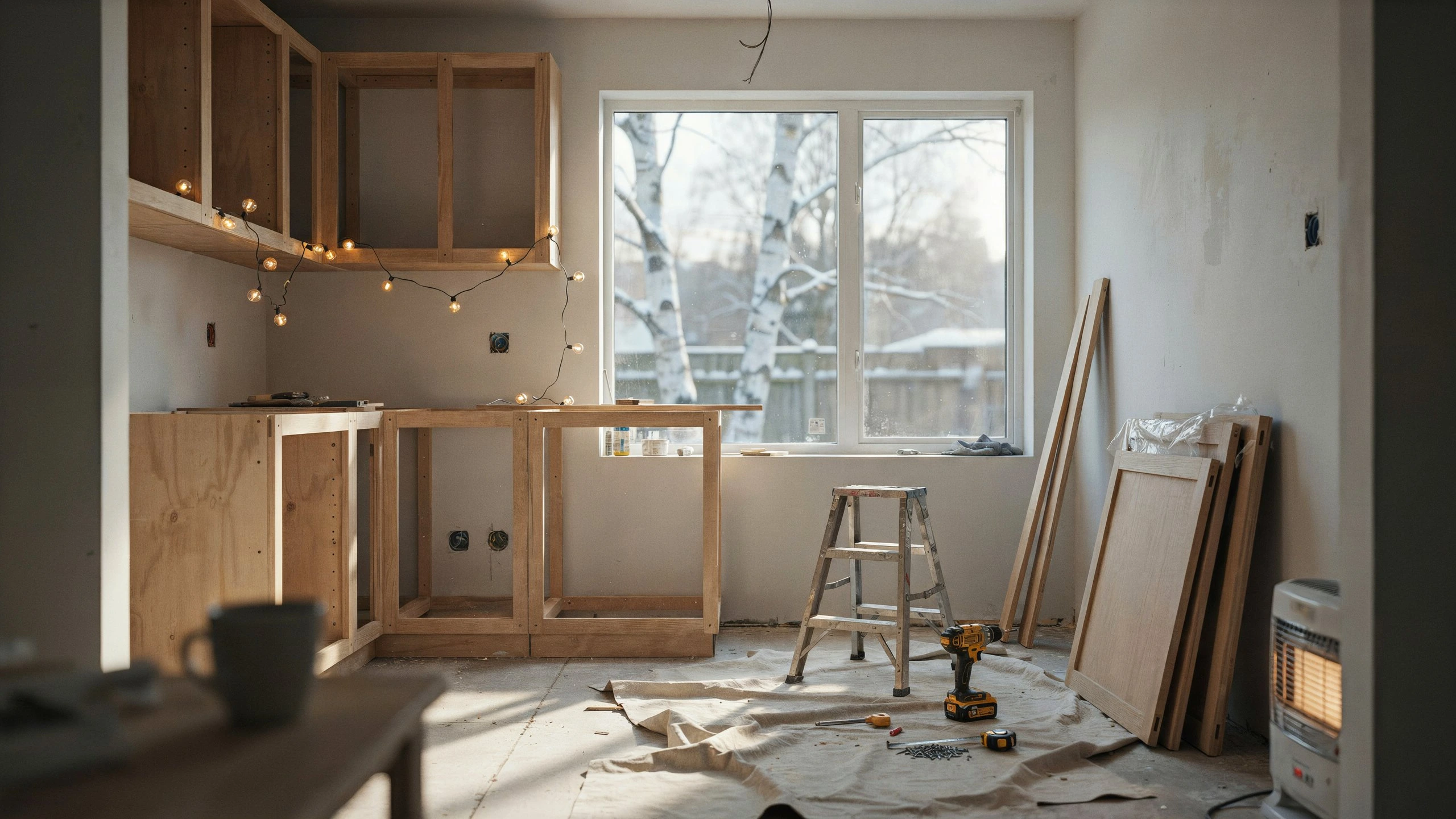
Building a Toe Kick From Scratch (New Cabinet Installs)
Integrated Toe Kick (Built Into Cabinet Sides)
If you’re building cabinet boxes yourself, one approach is to add 3.5 to 4 inches to the height of each side panel, then notch out the lower front corner to create the recess. This keeps the toe kick structurally part of the cabinet, which is sturdy but uses more plywood per box.
Separate Toe Kick Platform/Box
The alternative is building a standalone toe kick platform from 2x4s or scrap plywood, then setting the cabinet boxes on top of it. This method wastes less material, since full-height side panels aren’t needed, and it’s easier to level a small platform than an entire run of assembled cabinets. We use this approach on most DIY-assist projects because it simplifies leveling on uneven subfloors.
How to Remove and Replace an Old or Damaged Toe Kick
Signs You Need a Replacement
Water damage near the dishwasher or sink, warped MDF, peeling laminate, or a panel that’s simply the wrong color after a countertop or flooring change are the most common reasons homeowners call about kitchen cabinet toe kick installation for an existing kitchen rather than a new build.
Safe Removal Steps
Use a pry bar wrapped in a cloth to avoid marring the cabinet finish, and work slowly along nailed edges to avoid splitting the cabinet face frame. If the old panel was set with construction adhesive, expect some scraping to remove dried residue before the new piece goes in.
Installing the New Panel
Once the old material is off and the surface is clean, the installation follows the same measuring, cutting, and attaching steps outlined above. This is often a same-day project for a single run, which makes it one of the more affordable ways to refresh a dated kitchen without touching the cabinet boxes themselves.
Common Mistakes to Avoid
Not accounting for uneven floors is the most common issue we see, followed closely by cutting every panel to the same length instead of measuring each section independently, since wall alignment rarely stays perfectly consistent across a full kitchen. Using the wrong adhesive for laminate or vinyl surfaces can also damage the material, and skipping the final paint or seal step leaves raw edges that collect grime within months.
Toe Kick Upgrades Worth Considering
Toe Kick Storage Drawers
The space behind a standard toe kick panel can hold a shallow drawer for baking sheets, cutting boards, or step stools, provided the toe kick depth is generous enough to fit a drawer box behind it.
Toe Kick LED Lighting
Recessing a thin LED strip behind the panel creates soft floor-level lighting, useful as a night light in the kitchen without flipping on overhead fixtures.
Toe Kick Heating Vents
In homes with forced-air heat and cold tile floors, redirecting a supply register into the toe kick puts warm air right where feet actually are, which is more efficient than a ceiling vent in that same room.
How Much Does Toe Kick Installation Cost?
DIY Material Costs
For a typical kitchen with 20 to 30 linear feet of cabinet run, expect to spend somewhere between 100 and 300 dollars on MDF or matching laminate panels, adhesive, and finishing supplies, depending on the material grade chosen.
Professional Installation Costs
Hiring it out generally runs higher once labor, precise scribing for uneven floors, and finish work are factored in, though the exact number depends heavily on floor condition and how many corners or appliance breaks are in the run. If your project is part of a larger renovation, our San Diego Kitchen Remodeling Services team can fold toe kick work into the overall cabinet installation, which usually costs less than treating it as a separate add-on later.
How to Maintain and Clean Your Toe Kick
A damp cloth with mild soap handles most daily grime, since dust and food debris tend to collect at floor level more than anywhere else in the kitchen. Avoid soaking MDF or unsealed wood panels, and touch up chipped paint or worn stain promptly rather than letting moisture sit in exposed spots, which is what eventually causes warping or peeling.
You may also read: Raised Ranch Open Concept Kitchen
DIY vs. Hiring a Professional: When to Call In an Expert
Kitchen cabinet toe kick installation is within reach for most homeowners comfortable with a miter saw and a level. That said, significantly out-of-level floors, custom stained finishes that need exact color matching, or layouts with tight corners and multiple appliance breaks tend to go faster and look cleaner in a professional’s hands.
If your kitchen project is bigger than a single toe kick swap, our team at San Diego home remodeling can handle the toe kick alongside cabinet installation, countertops, and flooring as one coordinated job rather than several separate fixes.
Conclusion
A toe kick is a small detail, but it’s one of the first things your eye catches when you walk into a finished kitchen. Take the time to measure each section on its own, scribe for an uneven floor rather than fighting it, and choose a material that actually matches your cabinet finish in real light, not just under a showroom bulb.
If the project feels bigger than expected once you start, or you’d rather have it done right the first time, contact us at San Diego home remodeling for a consultation and we’ll walk you through exactly what your kitchen needs.
Frequently Asked Questions
What is the standard height for a kitchen cabinet toe kick?
Standard height runs 3.5 to 4 inches, matching the recessed base found in most stock and semi-custom cabinet lines. Custom builds sometimes go taller for a furniture-style look, but anything much beyond 6 inches starts to feel out of proportion.
Can I install a toe kick without a nail gun?
Yes, construction adhesive alone can hold a toe kick panel in place on a flat, clean surface. Press the panel firmly and hold it with painter’s tape or clamps while the adhesive cures for a nail-free finish.
How much does it cost to replace a toe kick?
Material costs for a standard kitchen typically fall between 100 and 300 dollars for a DIY replacement, while professional installation costs more depending on floor condition and finish requirements. Water-damaged or warped panels near dishwashers are the most common reason homeowners request a replacement.
What material is best for toe kick molding in a kitchen?
MDF works well and takes paint cleanly for painted cabinets, while solid wood or veneer plywood is the better match for stained cabinetry. Near sinks and dishwashers, vinyl or PVC holds up best against consistent moisture exposure.
Can a toe kick be ADA-compliant?
Yes, ADA guidelines call for a toe kick at least 9 inches tall and 6 inches deep on accessible cabinetry, which is significantly larger than standard dimensions. This should be planned before cabinets are ordered, since retrofitting an ADA-height toe kick after installation is far more involved.