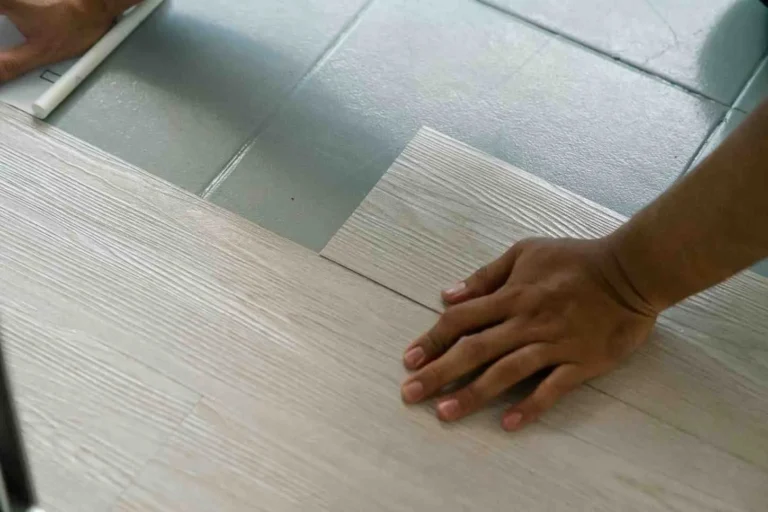
The shower floor is wet every time you use it, and you stand on it with soapy feet. Most people spend weeks choosing wall tile and a few minutes on the floor, which is backwards. The floor is the only surface in the room that keeps you upright.
Quick answer: The safest shower floor tiles non slip share three traits. They are small, they have a matte or textured face, and they carry a DCOF rating of at least 0.42, with 0.60 or more giving you extra margin. Matte porcelain mosaic, tumbled pebble and small hexagon or penny round tiles all fit that description. Polished stone, glossy ceramic and large smooth tiles do not.
At San Diego Home Remodeling, we see this mistake in bathroom after bathroom: a beautiful shower with a floor that was chosen last. The rest of this guide explains what the ratings mean, which materials grip, how to test a tile with your own feet, and what to do if your current floor is already slick.
Why the Shower Floor Deserves More Thought Than the Walls
Walls never carry your weight. The floor does, and it does it with bare, wet feet. Shampoo, conditioner, body wash and natural skin oils leave a thin film that can make even decent tile feel slippery.
This is not only an older adult problem. Kids rush in and out, adults shower half awake, and guests step into a bathroom they have never used. A floor can also change over time. A tile that gripped well when it was new may feel very different after a year of soap residue and mineral buildup.
So the goal is not just a safe floor on installation day. It is a floor that stays safe with normal, realistic cleaning.
DCOF Rating: The Number That Actually Matters
DCOF stands for dynamic coefficient of friction. In plain terms, it measures how well a wet tile resists a foot that is already in motion, which is exactly what happens when you shift your weight in a shower.
The common benchmark for wet interior floors is a DCOF rating of 0.42 or higher. Treat that as the minimum, not the target. If a household includes small children or older relatives, a higher number gives you more room for error.
Two practical notes. First, the standard test uses water, so it does not capture the effect of soap film. That is another reason to choose a tile with real surface texture instead of one that barely clears the line. Second, plenty of tiles are marketed as “suitable for wet areas” without printing a number. If the DCOF rating is missing from the spec sheet, ask for it. If nobody can give you one, move on to a different tile.
You may also see R ratings on imported tile. R10 is a reasonable baseline for a bathroom, and R11 gives extra grip in barefoot wet areas.
Best Materials for Non Slip Shower Floors
Porcelain Mosaic Tile
Porcelain mosaic tile is the workhorse of the shower floor. It is dense, absorbs less than half a percent of water, and shrugs off stains from soap and shampoo. Because the pieces are small, you get plenty of grout lines underfoot, and each one gives your foot something to catch.
Look for a matte, honed or lightly textured face. Glossy porcelain mosaic exists, so the material name alone does not guarantee grip. Many mosaics come on mesh backed sheets, which keeps spacing consistent and makes installation cleaner.
Textured Ceramic and Natural Stone
Ceramic costs less than porcelain and can work well when it has a textured matte finish. Skip anything with a shiny glaze. It looks lovely in a showroom and feels like ice when wet.
Natural stone is a different story. Tumbled pebble and river rock mosaics have organic texture and a spa feel, and honed or leathered slate also grips nicely. The trade-off is upkeep. Stone is porous, so it needs proper sealing, and pebble floors can be harder to keep clean because of the uneven surface. Polished marble belongs on a vanity top, not under bare feet.
Size and Shape: Why Small Tiles Win
Shower floors slope toward the drain. Small tiles follow that slope easily, while large tiles have to be cut into awkward wedges to do the same job. That alone makes small formats the practical choice.
Penny rounds, hexagons and 2 by 2 inch squares are the usual picks. Penny rounds have the most joints and the busiest look. Hexagons feel a bit more modern and still keep plenty of grip. Squares are the cleanest option for a minimal bathroom.
Large format tile is great on shower walls. On the floor, it usually means fewer joints and less traction, which is the opposite of what you want. The exception is a curbless walk-in shower with a linear drain, where larger tile can work if the slope is built carefully and the surface is rated for wet use. Even then, check the DCOF rating first.
Grout Lines, Slope, and Installation Details
Even the best slip resistant tile can be let down by poor installation. Three details matter most.
- Grout choice. Epoxy grout resists staining and soap film better than standard cement grout, which needs sealing. Whichever you use, the grout should sit slightly below the tile surface. Grout that is packed flush and polished smooth removes the edges that give your foot something to grab.
- Slope. The shower floor should fall toward the drain at roughly a quarter inch per foot. Standing water is a slip hazard in itself, and it feeds mildew and grout wear. Our crews at San Diego Home Remodeling check the slope with a level before a single tile goes down, because fixing it later means tearing everything out.
- Waterproofing and base. What sits under the tile decides how long the floor lasts. A solid waterproof layer and a stable base keep tile and grout from cracking, and cracked grout lines change how the floor feels underfoot.
Tiles to Skip in the Shower
Some tiles are lovely and simply wrong for this job. Polished marble and polished travertine turn slick as soon as they get wet. Glass tile is fine on a wall but risky underfoot. High gloss glazed ceramic is another common mistake, and so is large format porcelain with a smooth finish and very few joints.
A quick check: drag a wet fingertip across the sample. If it glides, it will feel worse under a wet foot.
Match the Tile to Who Uses the Shower
Most guides stop at material. A better question is who steps in first thing every morning.
- Young kids: Choose a small mosaic with a solid matte texture. Kids move fast and splash a lot, so extra grout lines help. Avoid anything so rough it scrapes knees.
- Older family members: Go for the highest grip available, keep the threshold low, and plan a bench or grab bar. Do not choose a tile so coarse that it hurts sensitive feet.
- Active adults who come in after the beach or a workout: Pick a durable, stain resistant porcelain mosaic that handles sand and heavy use.
- Guest bathroom: Guests do not know the room, so grip matters even if the shower is rarely used.
This turns the decision from “what looks good” into “what works for the people who actually use it.”
The Barefoot Grip Check: Test Before You Buy
Spec sheets help, but your feet are the final test. Ask for a full sample sheet, not a single loose tile, and try this at home.
- Lay the sample flat on a tray or table.
- Wet it and add a few drops of your own shampoo or body wash.
- Press down with a wet bare foot, shift your weight, and slowly twist your heel.
- Repeat with two or three other samples and compare.
Pay attention to comfort as well. A tile that grips well but feels harsh will bother you every day. The right choice grips firmly and still feels fine on bare feet. The whole test takes about ten minutes and can save you from an expensive mistake.
Coastal San Diego Homes: Sand, Hard Water, and Sunscreen
Our area adds a few challenges that tile guides written for other regions skip.
Local tap water tends to be hard, so mineral deposits can slowly fill in surface texture. Beach days bring sunscreen and body oils into the shower, which add to the soap film. Sand tracked in can sit in grout lines and wear them down over time.
None of this means you need a special tile. It means you should pick a stain resistant grout, rinse the floor before you step out, and clean on a schedule. Texture only works when it stays open.
Keeping Grip Over Time
Non slip bathroom floor tiles lose performance when buildup covers the texture. A simple routine keeps them working.
- Clean weekly with a mild cleaner that does not leave a film.
- Use a soft or medium bristle brush to lift residue from textured surfaces and grout lines.
- Avoid wax based or oily products on the floor.
- Squeegee or rinse after use if your water is hard.
- Reseal natural stone on the schedule the manufacturer recommends.
- Check grout once a year and repair it if it is cracking or crumbling.
Even good non slip bathroom floor tiles will not do the work alone. Regular cleaning keeps them honest.
Already Have Slippery Tile? Your Options
Before replacing anything, try a deep clean. Soap scum and mineral film are often the real cause, and a proper scrub can bring back a surprising amount of grip.
If that is not enough, there are anti slip treatments that lightly etch the surface. Results vary by tile type, they can dull the finish, and you should always test a small hidden spot first. Regrouting can restore lost edges. A mat is a short term fix, not a permanent one.
If the tile is glossy, worn and has a low rating, replacement is the honest answer. At that point it may make sense to look at the whole room. Our overview of San Diego Bathroom Remodeling Services explains what a full update involves, so you can decide whether a floor swap or a bigger project fits your plans.
Conclusion
The best shower floor tiles non slip combine a solid DCOF rating, a matte or textured surface, small format pieces and careful installation. Test samples with your own feet, think about who uses the shower, and keep the surface clean so the texture keeps working.
If you want help choosing tile or planning the install, San Diego Home Remodeling is ready to guide you from selection to finished floor. Contact us and we will help you build a shower that looks good and feels safe.
Frequently Asked Questions
What is the safest tile for a shower floor?
Matte porcelain mosaic tile is one of the safest choices. Its small size creates many grout lines, and the dense body resists water and stains. Always confirm the DCOF rating before you buy.
What DCOF rating should I look for?
Look for at least 0.42 for wet interior floors. A higher number, such as 0.60 or more, gives extra margin for homes with kids or older adults. If the manufacturer does not list a rating, treat that as a warning sign.
Are mosaic tiles really better than large tiles on a shower floor?
Yes, for most showers. Mosaics follow the slope to the drain and add more grout lines, which improves traction. Large tiles are better kept for the walls.
Can I make my existing slippery shower tile safer?
Sometimes. Start with a deep clean, then consider regrouting or a surface treatment, and test a small area first. If the tile is glossy and worn, replacing it is usually the better long term fix.
Will non slip tile feel rough on my feet?
It should not if you choose well. A fine matte texture grips without being harsh. Test a sample barefoot before you commit.