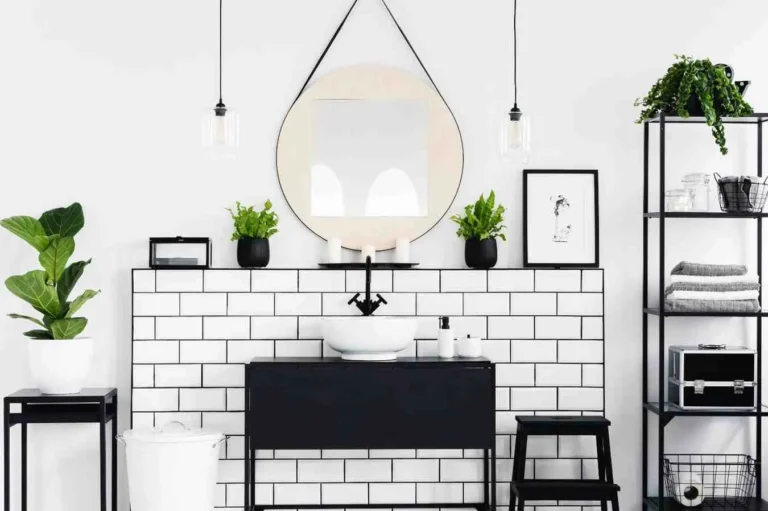
Most bathroom clutter has nothing to do with a lack of storage. It comes from never deciding what belongs in the room. If you have ever found three half-used bottles of the same lotion behind the mirror, you already know why people keep asking how to create a minimalist bathroom.
Quick answer: A minimalist bathroom comes from four moves. Clear everything you do not use daily, give every remaining item a hidden home, keep colors and finishes within one calm family, and choose fixtures with simple lines. At San Diego Home Remodeling, we see the same pattern in every successful project: the room feels peaceful because each object has a reason to be there.
What Is a Minimalist Bathroom (And What It Isn’t)
A minimalist bathroom is a space where every fixture, surface, and object serves a clear purpose. It is not an empty or sterile room. Bare white walls with nothing on the counter can still feel cold if the materials and lighting have no warmth.
The goal is restraint, not deprivation. You keep what you use daily, choose finishes that age well, and remove whatever only adds visual noise. A well-done bathroom minimalist look usually includes wood tones, textured tile, and one or two carefully chosen pieces.
Why Go Minimalist: Benefits Beyond the Look
The first benefit is cleaning time. When the counter holds two things instead of fourteen, wiping it down takes a minute. The second is the morning routine. You stop hunting for the one product you need, because there are fewer products to hunt through.
There is also a spending benefit that people rarely mention. Once you can see everything you own, you stop buying duplicates. A minimalist bathroom tends to cost less to maintain simply because less goes in.
Signs Your Bathroom Needs a Minimalist Reset
Three patterns show up again and again. The counter has become a landing zone for anything without a home. The shower shelf holds a lineup of half-empty bottles. And the lighting is a single flat ceiling fixture that makes even a clean room look harsh.
If any of that sounds familiar, the fix is rarely a shopping trip. It is a reset of habits and layout at the same time.
Step 1: Declutter With the Daily-Use Test
Pull everything out of the drawers, cabinets, and shower, and set it all on the floor so you can see the real volume. Then ask one question about each item: did I touch this in the last seven days? If not, it does not need a permanent spot within reach.
Expired products, empty containers, and duplicates go in the trash. Extra toilet paper, bulk cleaning supplies, and backup toiletries move to a hall closet or laundry room. What stays is your daily toothbrush, razor, and one skincare routine. This single test shrinks clutter more than any organizer you could buy.
Step 2: Map Your Bathroom Into Three Zones
Here is a method that works better than a general “tidy up.” Divide the room into three zones and give each a fixed item limit.
The wet zone is the shower and tub area. Allow one shampoo, one conditioner, one body wash, and nothing else on display. The grooming zone is the vanity. Allow one soap dispenser and one cup, with everything else behind a door. The backup zone is a single closed drawer or cabinet shelf for spares, and when it is full, you stop buying.
Limits matter because “keep it minimal” is a feeling, while “three bottles in the shower” is a rule you can follow on a tired Tuesday.
Step 3: Plan the Layout Before You Buy Anything
Measure the room and sketch where the toilet, vanity, and shower sit. Count how many people use the space at the same time, because a layout that looks calm in a photo can feel cramped at 7 a.m. with two people.
Layout choices do most of the visual work. A wall-mounted toilet with a concealed tank opens up floor space. A curbless wet room removes the visual barrier at the shower entry. If a washer and dryer live in the bathroom, a sliding panel or closed cabinet hides them.
Then comes the tub question. Bathtubs take up a lot of floor space, and in many homes they sit unused for months. Converting to a walk-in shower can open the room, though it deserves a straight conversation about resale and household needs first. Our guide on San Diego Bathroom Remodeling Services is a good place to see how those tradeoffs are weighed before anyone commits to a layout change. You can read about it through our San Diego Bathroom Remodeling Services page.
Step 4: Choose Neutral Colors and Textured Materials
Soft white, warm beige, light grey, and muted earth tones keep the eye from snagging. Limit yourself to two main colors and avoid loud patterns on walls and tile. Matching grout to tile color makes a busy surface read as one calm plane.
The trend worth noticing is textured minimalism. Instead of decorating, you let materials carry the room: brushed wood, natural stone, tone-on-tone tile, or a plaster finish. A white oak vanity against quiet stone tile does more than three framed prints ever could. Large-format tile helps too. Fewer grout lines mean fewer visual interruptions, especially in small rooms.
Step 5: Pick Clean-Line Fixtures and the Right Mirror
Rectangular sinks, square-edged faucets, and flat-front cabinets keep a room open. Repeat one shape throughout, whether rectangles or circles, rather than mixing both. A floating vanity is one of the highest-impact swaps because it shows more floor and makes cleaning easier. Match your hardware finish across the faucet, showerhead, and towel bars. Brushed nickel, chrome, or matte black all work, as long as you pick one.
The mirror deserves its own decision. A large frameless mirror doubles the sense of light, and a recessed mirrored cabinet hides daily items completely. If your wall cannot take a recessed unit, a surface cabinet with a slim profile does the same job.
Step 6: Build Smart, Hidden Storage
Open shelving looks tidy in photos and messy within two weeks of real life. Hidden storage is what keeps a room looking clean on an ordinary day.
Cut a recessed niche into the shower wall instead of hanging wire caddies. Choose handle-less drawers with push-to-open or finger-pull edges. Add drawer inserts sized to your actual routine so nothing slides around when you open them. If you do want something visible, pick minimalist bathroom accessories with one consistent material, such as ceramic or glass dispensers in a single tone.
Step 7: Layer Natural and Artificial Light
Keep window treatments simple. A frosted pane or a plain roller shade protects privacy without blocking daylight. At night, avoid depending on one centered ceiling light, because it casts flat shadows across your face.
Layer instead. Pair a soft overhead light with warm sconces or a backlit mirror at eye level. This small detail is the difference between a bathroom that photographs well and one that feels comfortable for getting ready every morning.
Step 8: Add Decor and Towels With Intention
Minimalism does not mean zero decor. One plant, one piece of art, or one good soap dispenser is often enough to keep the room from feeling empty. Choose towels in one tone that matches the palette, and fold them the same way each time. Mismatched towels break a calm look faster than almost anything else.
When shopping for minimalist bathroom accessories, buy fewer and better. A single wooden tray, a ceramic toothbrush holder, and a simple bath mat in natural fiber are plenty.
You may also read: How to Remodel a Small Bathroom
Which Minimalist Style Fits You?
Japanese inspired minimalism leans on natural wood, low fixtures, and a quiet spa feel, and it suits people who want warmth without ornament. Scandinavian minimalism is bright and airy, with pale wood and crisp white surfaces, and it works best where daylight is strong.
Warm modern minimalism mixes matte black or brushed brass with greige tones and textured tile. It holds up well against strong coastal light without looking stark. Textured minimalism is the newest direction, built on stone, plaster, and wood in similar tones so the materials do the talking.
Minimalist Bathroom Budget Roadmap: Calm per Dollar
Instead of listing costs alone, this table ranks upgrades by how much calm you get for the money.
| Upgrade | Typical budget tier | Calm impact |
| Declutter and matching containers | Under $500 | Very high |
| New hardware and one floating shelf | Under $500 | High |
| Layered lighting and a larger mirror | $500 to $2,500 | High |
| Floating vanity with hidden drawers | $500 to $2,500 | High |
| Tub-to-shower conversion and custom storage | $2,500 and up | Very high, but costly |
| Moving plumbing for a new layout | $2,500 and up | Depends on the room |
Costs scale with square footage and whether plumbing lines move, which is why an in-person estimate beats any online calculator. For most homeowners, the first two rows deliver the biggest change for the least money.
Minimalist Design Tips for Small Bathrooms
Small rooms gain the most from this approach because clutter looks like chaos faster in a tight footprint. A floating vanity, a large mirror, and a frameless glass shower panel keep sightlines open. Wall-mounted fixtures free the floor, and one large tile avoids the busy grid that small tiles create.
In a small bathroom minimalist plan, resist the urge to add a storage tower. A recessed niche and a mirrored cabinet usually hold everything without adding any bulk.
The San Diego Reality Check: Hard Water, Humidity and Coastal Light
Local conditions change what works. San Diego tap water is known to be hard, and hard water leaves visible spots on dark fixtures and glass. Matte black looks striking, but it needs regular wiping, so choose it only if you will keep up with it. Brushed nickel hides spots better.
Coastal humidity matters too. Matte finishes and clean surfaces show moisture damage and mildew sooner than busy patterns do. A properly sized exhaust fan, run for about twenty minutes after every shower, protects grout and paint. Strong coastal light also changes color. A white that looks soft in a showroom can turn harsh in a bright, south facing room, so test paint samples on your own wall at different times of day.
How to Keep a Minimalist Bathroom From Getting Cluttered Again
The design is only half the work. Without a habit, most bathrooms drift back to clutter within a few months. Once a week, spend five minutes returning every item to its home and wiping the counter.
Add a one in, one out rule. When a new product comes home, an old one leaves. It sounds strict, but it is what keeps the zone limits from Step 2 intact.
How We Can Help
If you are ready to move from planning to building, San Diego Home Remodeling handles the full process, from layout and fixture selection to tile work and finishing. We help homeowners avoid the usual missteps covered in this guide, whether that is picking the right storage plan from the start or deciding if a tub conversion fits the rest of the house.
Common Mistakes to Avoid
The most common mistake is too much open storage. Open shelves demand daily discipline, and without it they become visual clutter within weeks. Another is ignoring texture, because an all flat, all matte room can feel cold, and one wood or woven element fixes that.
Skipping lighting layers is the third. One overhead fixture is never enough near the mirror. Finally, many people choose trendy over timeless. Trends shift every few years, while classic proportions and neutral tones hold their look far longer.
Final Thoughts
Learning how to create a minimalist bathroom comes down to a few deliberate choices: a real declutter, a zone plan, a calm palette, hidden storage, and lighting that works every day. None of it requires spending more than needed. It requires spending on the right things.
If you want help turning this plan into a finished room, contact San Diego Home Remodeling. We will walk through your space, talk about the budget tier that fits, and help you build a minimalist bathroom that stays calm and functional for years.
Frequently Asked Questions
Should I remove my bathtub to create a minimalist bathroom?
Not always. A tub-to-shower conversion opens floor space and simplifies the lines, but if your household still uses the tub, keeping it and simplifying the surrounding finishes can give a similar result.
How can I make my bathroom more minimalist without remodeling?
Start with a full declutter and replace mismatched bottles with matching containers. Swap hardware for a simpler style and add a few well chosen minimalist bathroom accessories, and you will see a clear change within a weekend.
How much does a minimalist bathroom cost?
Small updates can start under $500, and a mid-level refresh with a new vanity and lighting typically falls between $500 and $2,500. A full remodel with a tub conversion and custom storage generally starts around $2,500 and scales with size and plumbing changes.
How do I keep a minimalist bathroom from feeling cold?
Bring in one or two warm materials, such as a wood vanity or a woven bath mat, and layer your lighting instead of relying on one ceiling fixture. A good bathroom minimalist design should feel inviting, not empty.
What is the difference between minimalist and modern bathroom design?
Modern design is a style with specific shapes and finishes, while minimalism is a way of editing. A modern bathroom can still be full of objects, but a minimalist one keeps only what earns its place.