Most bathroom remodels don’t fail because of bad tile or a cheap contractor. They failed because nobody sat down and made a plan before the sledgehammer came out. If you’re wondering how to plan a bathroom remodel without blowing your budget or your timeline, the answer starts weeks before demolition, not during it.
At San Diego Home Remodeling, we’ve walked enough homeowners through this process to know exactly where projects go sideways, and this guide lays out the same order of decisions we use with our own clients.
Key Takeaways
- Set your budget before you shop for tile or fixtures.
- A solid bathroom renovation plan saves you from costly mid-project changes.
- Keep existing plumbing locations when possible to control cost.
- Order all materials at once to avoid tile batch mismatches.
- Permits protect your home’s value, even if they slow you down upfront.

Why Bathroom Remodel Planning Matters (And What Happens When You Skip It)
A rushed bathroom remodeling plan almost always costs more than a slow, deliberate one. We’ve seen homeowners buy a vanity before confirming it fits the wall, order flooring before finalizing the layout, and end up paying twice for materials that don’t work together. Skipping the planning phase doesn’t save time. It just moves the confusion to the middle of construction, when changes are far more expensive.
A rushed remodel typically looks like this: a demo crew opens the walls, the homeowner suddenly has to make three decisions in one afternoon, and the project stalls for a week while everyone waits on a special order. A proper bathroom renovation plan prevents almost all of that.
What to Expect During a Bathroom Remodel
Even a modest remodel disrupts daily life. Expect noise, dust, and workers moving through your home for several weeks. The water may be shut off for stretches of a day, so locate your main shutoff valve before work begins. If this is your only full bathroom, arrange access to a neighbor’s or a secondary bath, and keep kids and pets away from the active work zone.
What's Included in a Bathroom Remodel
A full bathroom renovation plan generally moves through five phases: planning and design, demolition and inspection, structural and rough-in work, waterproofing and drywall, and finishing work. In San Diego, homeowners typically see the following ranges:
- Basic refresh: $8,000 to $15,000
- Mid-range remodel: $18,000 to $35,000
- Full renovation with custom finishes: $45,000 to $70,000 or more
Set a contingency fund of at least 15 percent on top of whichever range applies to your project, and treat it as untouchable until something behind the walls actually requires it.
Step 1: Define Your Goal and Priorities
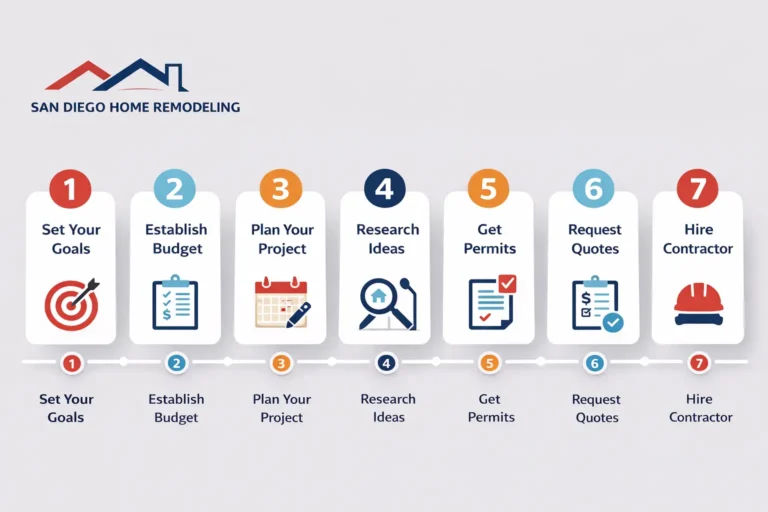
Must-Haves vs. Wish List
Separate what you need from what you want. A second sink might be a must-have if two people share the space every morning. Heated floors or a freestanding tub are wish list items that can wait if the budget gets tight.
Remodeling to Sell vs. Remodeling to Stay
If you’re preparing to list your home, stick to neutral finishes and durable materials that appeal broadly. If you’re staying long-term, you have more room to add features like a smart toilet or double vanity that suit your daily routine rather than a future buyer’s taste.
Step 2: Set a Realistic Budget
Budget by Category
Break your number down by labor, fixtures, flooring, cabinetry, and lighting before you fall in love with anything. Labor and plumbing changes typically eat the largest share, followed by tile and vanity costs.
Why the Contingency Fund Isn’t Optional
Older San Diego homes, especially those built before the 1980s, often hide outdated plumbing or subfloor damage behind the tile. A 15 percent contingency fund covers these surprises without forcing you to pause the project or downgrade your finishes midstream.
Step 3: Choose Your Bathroom Layout
Three-Piece, Four-Piece, or Powder Room
A three-piece layout covers a sink, toilet, and combined shower-tub. A four-piece layout separates the shower and tub for more function. A powder room skips the shower entirely. Your existing footprint often determines which one makes sense.
Keeping vs. Moving Plumbing
Keeping your toilet, sink, and shower where they already sit can save several thousand dollars compared to relocating the drain line. If your current layout genuinely doesn’t work, moving plumbing is sometimes worth the added cost, but confirm the number with your contractor before committing.
Clearance Requirements
Toilets need roughly 15 inches from the centerline to any wall or fixture on each side. A walk-in shower should measure at least 36 by 36 inches, though 42 by 42 feels noticeably more comfortable to actually use.
Step 4: Take Accurate Measurements
Measure wall-to-wall dimensions, ceiling height, and the exact position of windows, doors, and existing plumbing before ordering anything. This single step prevents the most common and most frustrating remodel mistake we see: a vanity that can’t fully open its doors because nobody measured the swing clearance.
Step 5: Select Materials and Finishes in the Right Order
Floor Tile First, Hardware Last
Choose your floor tile first since it sets the tone for everything else. Then select shower wall tile, followed by the vanity, plumbing fixtures, and finally hardware and lighting.
Visualizing Your Design
Digital room-planning tools let you preview tile patterns and layouts before committing. This step alone can prevent a costly return once material is already cut and installed.
Choosing a Timeless Palette
Trendy colors date a bathroom within a few years. Neutral tones with one or two intentional accents tend to hold up better both visually and financially over time.
Step 6: Order Materials Early
Purchase all tiles at once with 10 to 15 percent overage, and confirm every box comes from the same production batch. Tiles from different batches, even the same product line, can show slight color variation once installed. Custom vanities or specialty tile can take six to ten weeks to arrive, so ordering early keeps your remodeling the bathroom timeline intact.
Step 7: Pull the Right Permits
Plumbing, electrical, and structural changes in a San Diego bathroom typically require a permit. A licensed contractor pulls these on your behalf and schedules the required inspections. Verify any contractor’s license through the CSLB lookup tool before signing anything. Skipping permits might save a week now, but it creates real problems during a home sale later, when unpermitted work often triggers repairs or price negotiations.
Step 8: Hire a Contractor You Can Trust
Ask for a written scope of work and an itemized estimate with no vague line items. Never pay more than one-third of the total cost upfront, and be cautious of any bid significantly lower than the others, since that gap usually shows up later as a change order. If you’re comparing options for Bathroom Remodeling in San Diego, ask each contractor the same set of questions so you’re comparing apples to apples.
DIY vs. Hiring a Professional
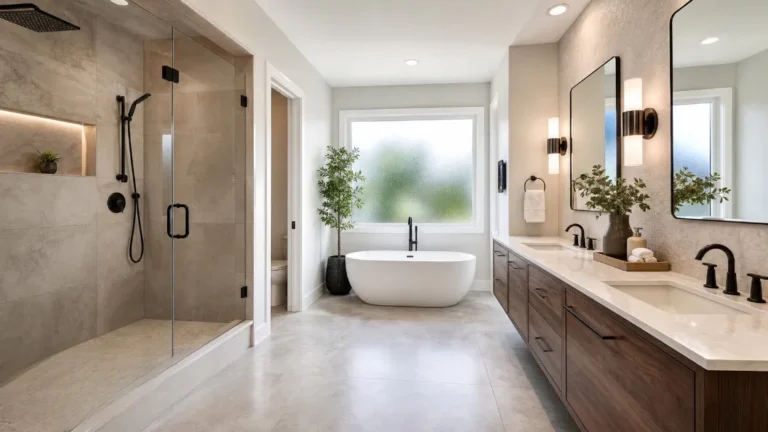
Safe for Most Homeowners
Painting, installing towel bars, swapping a mirror, and setting a new toilet are reasonable DIY tasks for a handy homeowner.
Best Left to Licensed Pros
Plumbing relocation, electrical work near water sources, structural changes, and large-format tile installation should go to licensed professionals. Insurance coverage often depends on it, and mistakes in these areas are expensive to undo. If you’re remodeling the bathroom yourself for the first time, start with the cosmetic tasks and bring in a pro for anything behind the walls.
You may also read: How Much Does a Bathroom Remodel Cost
The Master Step-by-Step Remodeling Timeline
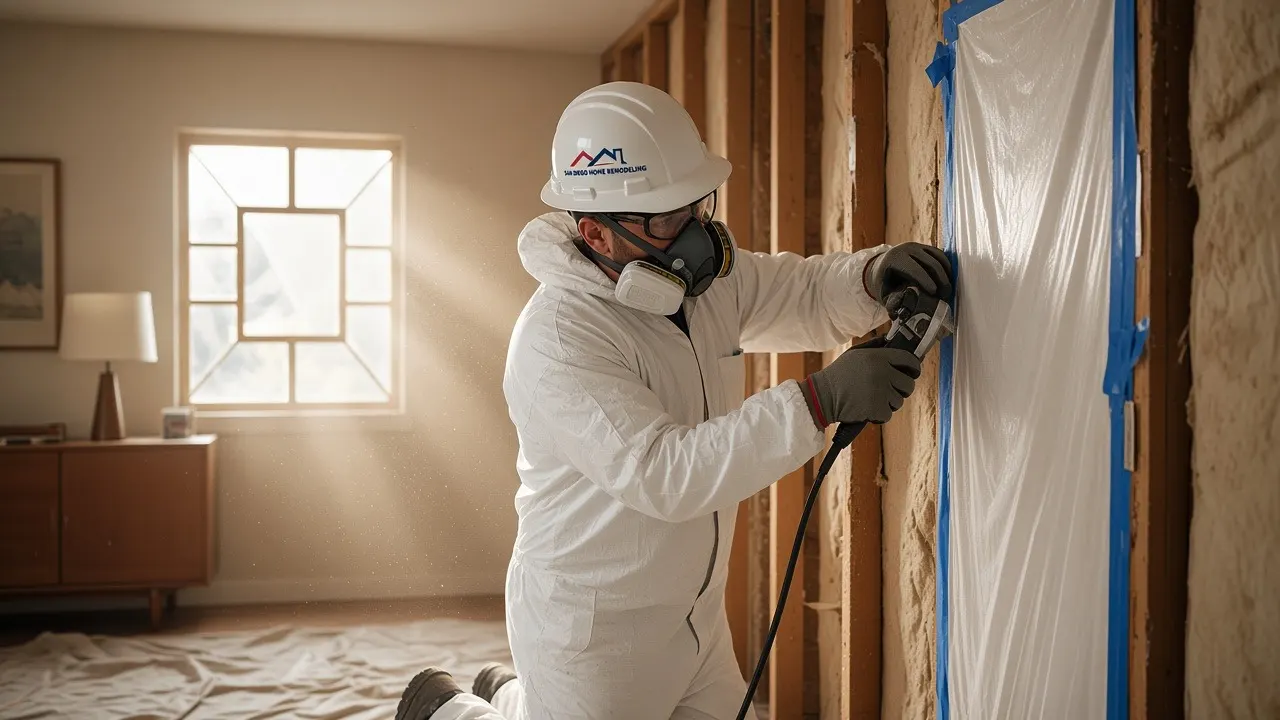
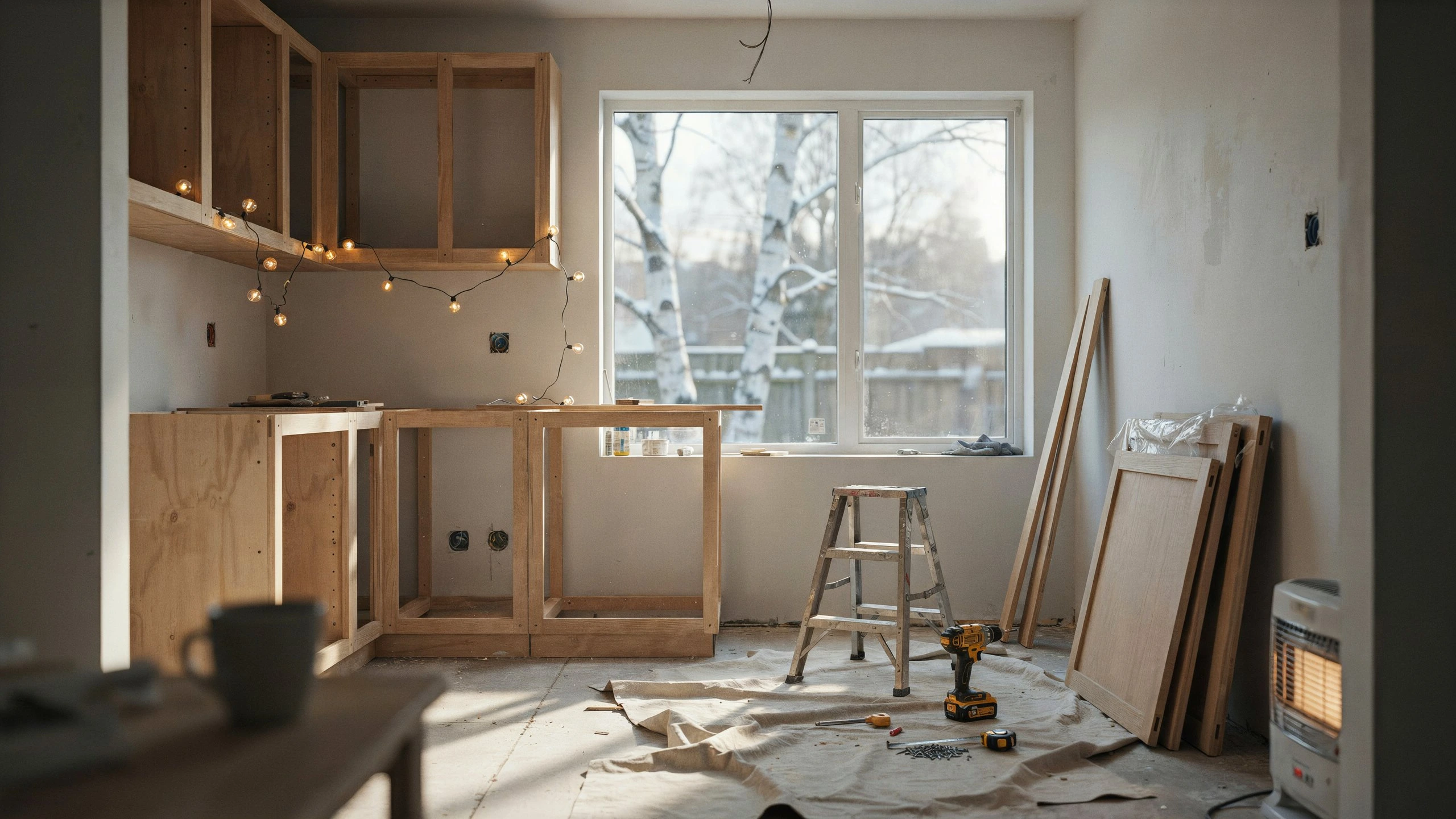
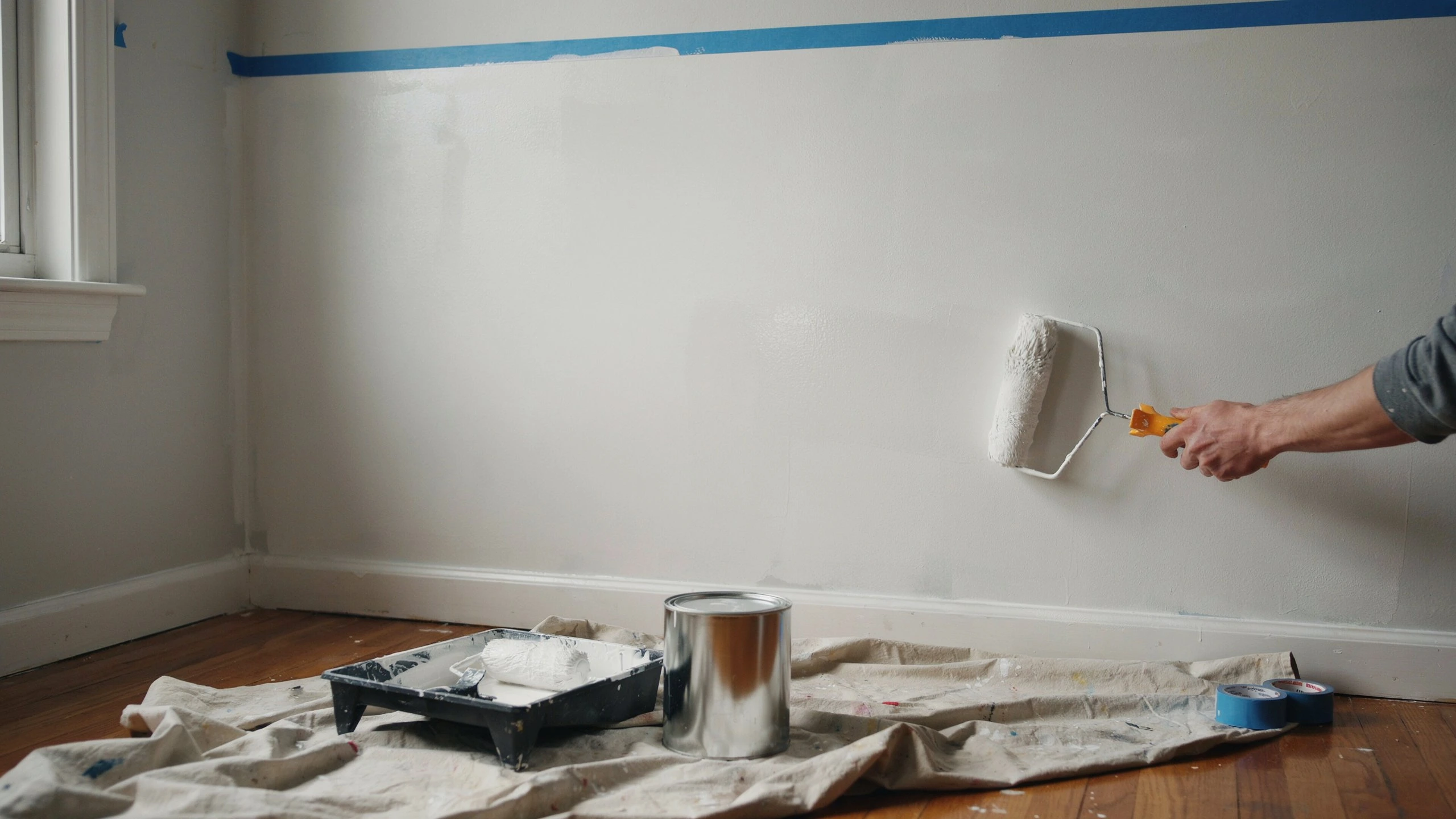
A full renovation generally follows this order: demolition and structural inspection, plumbing and electrical rough-ins, framing and insulation, waterproofing and drywall, wall painting, tile and flooring installation, and finally fixtures and finish hardware. Painting happens before tile and vanity installation so nobody has to mask around finished fixtures. Most full remodels run three to six weeks from demolition to final walkthrough, depending on material lead times and permit turnaround.
Bathroom Remodeling Tips Worth Knowing
- Choose smaller-format tile for bathroom floors since more grout lines improve traction.
- Layer your lighting with vanity, ambient, and shower-rated fixtures on separate dimmers.
- A recessed exhaust light hides fan noise while keeping the ceiling clean.
- A readymade vanity with a stone top saves significantly over custom cabinetry.
- Frame a recessed niche into the shower wall instead of using hanging baskets.
- Run tile baseboards instead of wood, since wood rots near water splash zones.
- Match every tile box to the same batch code before installation begins.
- Place GFCI outlets near the mirror and consider in-vanity outlets for small appliances.
- Choose a grout color a shade or two darker than your tile to hide dirt.
- Bathtub reglazing can restore a structurally sound tub for a fraction of replacement cost.
- Use mold-resistant paint with a satin or semi-gloss finish in every wet area.
- Radiant heat mats under the floor tile are a low-cost, high-satisfaction upgrade.
Common Bathroom Remodel Mistakes to Avoid
Homeowners repeat the same handful of mistakes across almost every project we see. Skipping a storage plan leaves towels and toiletries with nowhere to go. Ignoring ventilation invites mold within the first year. Choosing a fixture for its looks without checking real-world function, like a vessel sink that splashes constantly, leads to daily frustration. Ordering tile without the recommended overage means a mismatched patch job later. Skipping permits creates legal exposure at resale. And skipping a paint sample on the actual wall, under your actual lighting, often means repainting within a month.
Final Thoughts: How to Plan a Bathroom Remodel
Floating vanities create the illusion of more floor space and make cleaning easier. Vertical storage, like a tall linen cabinet, uses wall height instead of crowding the floor. Corner sinks or showers free up walking space without shrinking the fixtures themselves. Light, neutral finishes and glass partitions instead of solid walls keep a small space from feeling boxed in.
You may also read: How to Remodel a Small Bathroom
Steps After the Remodel
Walk the finished space with your contractor. Test every fixture, check that no tile sounds hollow when tapped, and confirm grout is fully sealed. If permits were pulled, schedule the final inspection before considering the project closed. Keep a written record of tile batch numbers, paint formulas, and fixture model numbers for future repairs.
Work With a Team That Plans It Right
Planning only matters if the team executing it follows through. San Diego Home Remodeling has guided homeowners across La Jolla, Carlsbad, Chula Vista, and Encinitas through every phase of a bathroom renovation plan, from the first sketch to the final walkthrough, with a written scope of work and no vague line items.
Final Thoughts
The best projects never start with tile samples. They start with a clear goal, a realistic number, and a sequence of decisions made in the right order. Lock your layout, set your budget, choose materials in sequence, and hire someone with a real license and a written bid. Most remodel regrets come down to one thing: a decision made too quickly without enough information in hand. Ready to turn this bathroom renovation plan into a finished space? Contact us at San Diego Home Remodeling for a free estimate and a straightforward conversation about what your project actually needs.
FAQs
How long does a bathroom remodel take?
A basic refresh takes one to two weeks, while a mid-range remodel with new tile and fixtures usually runs three to six weeks. A full gut renovation can take six to ten weeks depending on material lead times and permit turnaround.
Do I need a permit to remodel a bathroom in San Diego?
Yes, in most cases. Plumbing, electrical, and structural changes all require permits, and a licensed contractor typically handles this step for you as part of your bathroom remodeling plan.
What is the most expensive part of a bathroom remodel?
Labor and plumbing changes usually drive the highest cost. Keeping your existing drain location in place is one of the most reliable ways to control your budget.
Can I remodel a bathroom myself, or do I need a contractor?
Cosmetic tasks like painting or swapping hardware are fine for a DIY homeowner. Plumbing, electrical, and structural work should go to a licensed professional to stay code compliant and insured.
How much tile overage should I order?
Order 10 to 15 percent more tile than your measured square footage to cover cuts, breakage, and future repairs, and always buy from the same production batch.