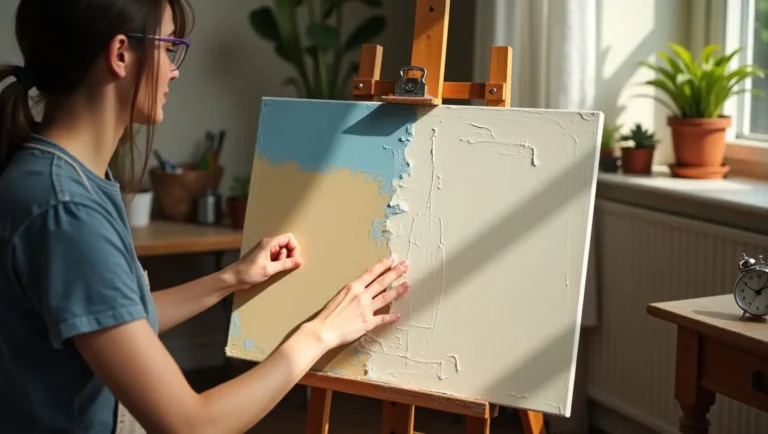
You just finished a session at the easel, and one question lingers as the light fades: how long does it take an oil painting to dry before you can safely touch, layer, or move it? It’s one of the most searched questions among hobby painters and homeowners alike, and the honest answer is more layered than a single number.
At San Diego Home Remodeling, our painting crews work with oil-based products often enough on interior trim and cabinetry to know how drying actually behaves in real rooms, not just in a lab test. This guide breaks down exactly how long oil painting takes to dry at each stage, and how to work with that timeline instead of fighting it.
Quick Answer: Oil Paint Drying Timeline at a Glance
A thin layer of oil paint typically feels dry to the touch within 24 to 72 hours. It becomes stable enough to add another layer after roughly 3 to 7 days safely. Full curing, where the paint has hardened all the way through, usually takes 6 to 12 months, sometimes longer for thick or heavily built-up areas. That gap between “feels dry” and “actually cured” is what most people get wrong, and it’s why paintings crack, yellow, or peel years after they looked perfectly finished.
Why Oil Paint Doesn’t Simply Dry, It Cures
Most paints you have used before, like acrylics or watercolors, dry because water evaporates out of them. Oil paint works on a completely different mechanism. It hardens through a chemical reaction called oxidative polymerization, where the oil binder reacts with oxygen in the air and slowly converts from a liquid into a solid, cross-linked film.
This is why oil paint drying time is measured in weeks and months rather than hours. You are not waiting for moisture to escape. You are waiting for a slow molecular reaction to run its course across every layer, from the surface down to the canvas. Thin films exposed to more air oxidize faster. Thick films trap oil underneath a skin that forms on top, which is part of why heavy paint can look dry on the outside while staying soft for weeks underneath.
The 3 Stages of Oil Paint Drying
Understanding oil paint drying time gets much easier once you separate it into three distinct stages instead of thinking of “dry” as one single moment.
Stage 1: Surface or Touch Dry
This is when the very top layer of paint no longer transfers to your finger when lightly touched. Depending on thickness and pigment, this stage generally lands somewhere between 24 hours and a few days. The paint underneath, however, is still wet and easily disturbed by pressure.
Stage 2: Through Dry
At this point, the paint has firmed up deeper than the surface. You can handle the piece with more confidence, though it can still dent or scuff if pressed hard. Through-drying commonly takes anywhere from one week to about a month, depending heavily on layer thickness.
Stage 3: Full Cure
This is the finish line. The paint film has hardened all the way through and reached its maximum durability. Full cure is typically 6 months for thin work and can stretch past a year for thick, heavily layered paintings. Nothing should be varnished, sealed, or framed under glass until this stage is genuinely complete.
How Long Does Oil Paint Take to Dry, by Pigment Color
Not every tube of paint behaves the same way, and this is one of the most overlooked variables. The pigment itself, not just the oil binder, changes how long it takes an oil painting to dry.
Fast-Drying Pigments (1 to 5 Days)
Earth tones and pigments containing natural driers tend to set fastest. This includes raw umber, burnt sienna, and cobalt-based blues. These are ideal for underpainting or early layers precisely because they get out of the way quickly.
Medium-Drying Pigments (5 to 9 Days)
Colors like yellow ochre, cadmium red, and ultramarine blue sit in the middle. They are workable enough for most sessions but need real patience before you build heavier layers on top.
Slow-Drying Pigments (10+ Days)
Titanium white, ivory black, and alizarin crimson are notoriously slow. If your painting leans heavily on these colors, plan your session order carefully or your entire timeline shifts.
Because pigment choice directly affects how long it takes oil paintings to dry, experienced painters plan their color order rather than discovering the problem halfway through a piece.
Drying Time by Painting Surface
The surface underneath your paint plays a bigger role than most people expect. Absorbent surfaces pull oil out of the paint film and speed things along, while non-absorbent surfaces slow it down.
- Canvas or linen: Surfaces dry in about 2 to 3 days, since the woven texture absorbs some of the oil.
- Wood panel: Similar to canvas, often 2 to 3 days for surface drying, with slightly slower full cure due to less porosity.
- Metal: Surface drying can take longer, often closer to a week, because there is no absorption at all and the paint sits entirely on top.
- Paper (oil-specific, sealed): Generally faster to surface dry due to high absorbency, but requires proper sealing first or the oil will degrade the paper over time.
- Outdoor or plein air surfaces: Drying speed depends far more on ambient temperature and airflow than on the surface material itself.
Factors That Affect Oil Paint Drying Time
Several variables stack together to determine your actual timeline.
Layer thickness matters more than almost anything else. A thin glaze can be touch dry in a day, while a thick impasto stroke can stay soft for weeks underneath a deceptively dry-looking skin.
The oil medium you use changes the chemistry. Linseed oil dries relatively quickly compared to poppy or safflower oil, which are prized for their slow open time but come at the cost of extended drying.
Temperature accelerates or stalls the oxidation reaction. A room around 65 to 75 degrees Fahrenheit is close to ideal. Painting outdoors below 50 degrees can nearly halt curing altogether.
Humidity works against you. High moisture in the air slows oxidation, which is part of why coastal studios often report slower drying than dry inland climates.
Airflow feeds the reaction. Oxygen needs to reach the surface consistently, so a stagnant, sealed room will always dry slower than one with light air movement.
The Simple Test to Check If Your Painting Is Dry
Rather than guessing, use a light physical check. Gently press the back of your knuckle against a small, inconspicuous area of the painting. If nothing transfers and there is no tackiness or drag, the surface is touch-dry. Some painters also lightly drag a fingernail across a hidden edge. If a fine, dry powder lifts off rather than a smear, the layer beneath has firmed up as well. This quick test takes seconds and prevents the common mistake of judging dryness purely by how the paint looks under studio lighting, which can be misleading.
How to Make Oil Paint Dry Faster
If you are working against a deadline, there are legitimate ways to speed things up without damaging the paint film.
Painting in thin layers is the single most effective and safest method, since more surface area is exposed to oxygen. Using a fast-drying medium such as an alkyd-based product can cut drying time significantly, often to a matter of hours for a thin layer. Adding a small amount of a drying agent, sometimes called a siccative, speeds oxidation, though using too much causes long-term cracking, so restraint matters here.
Warming the room to that 65 to 75 degree range without using direct heat sources helps considerably, and improving ventilation with a fan or open window keeps fresh oxygen moving across the surface. People frequently ask how to make oil paint dry faster when they are on a tight timeline for a show or gift, and the honest answer is always a combination of thin application, moderate warmth, and steady airflow rather than any single trick. If you are wondering how to make oil paint dry faster without buying specialty products, simply thinning your paint application and keeping the room slightly warmer than usual will get you most of the way there.
How to Keep Oil Paint Wet Longer (When You Need More Working Time)
Sometimes the opposite problem shows up. You are mid-session, need to step away, and do not want your palette to skin over before you return. A simple trick many working artists use is wrapping the loaded palette tightly in wax paper or parchment and placing it somewhere cool. This slows oxidation on the palette itself for a night or two, though it will not stop it entirely.
For longer breaks between sessions, some painters store their palette in a sealed container in a refrigerator, which meaningfully extends workable time without freezing the paint solid. On the canvas itself, working wet-on-wet with slower-drying oils like walnut or safflower gives you more blending time before the layer sets, which is useful for portrait or landscape work that requires soft transitions completed in a single sitting.
When Can You Apply the Next Layer? (The Fat-Over-Lean Rule)
The rule that prevents most long-term cracking is simple: each layer should contain equal or more oil than the layer beneath it, never less. This is called painting fat over lean. For thin glazes, waiting 24 hours in a warm, dry space is often enough before the next pass. For medium layers, plan on 3 to 7 days. For thick, heavily built-up areas, give it 2 to 4 weeks before working back into that section. Rushing this step is one of the fastest ways to trap a wet layer under a dry one, which almost guarantees cracking as the piece continues to cure.
Drying vs. Curing: Why It Matters Before You Varnish
A painting can feel completely dry to the touch while the layers underneath are still actively curing. Varnishing over paint that has not fully cured traps solvents and oils beneath the surface, which leads to yellowing, clouding, or the varnish separating from the paint film years down the line.
The safe standard is to wait 6 to 12 months before applying a permanent varnish. If you need protection sooner, a light isolation coat or removable retouch varnish around the 3 to 6 month mark can shield the surface while the deeper cure continues underneath.
House Paint vs. Artist Oil Paint: Drying Time Differences
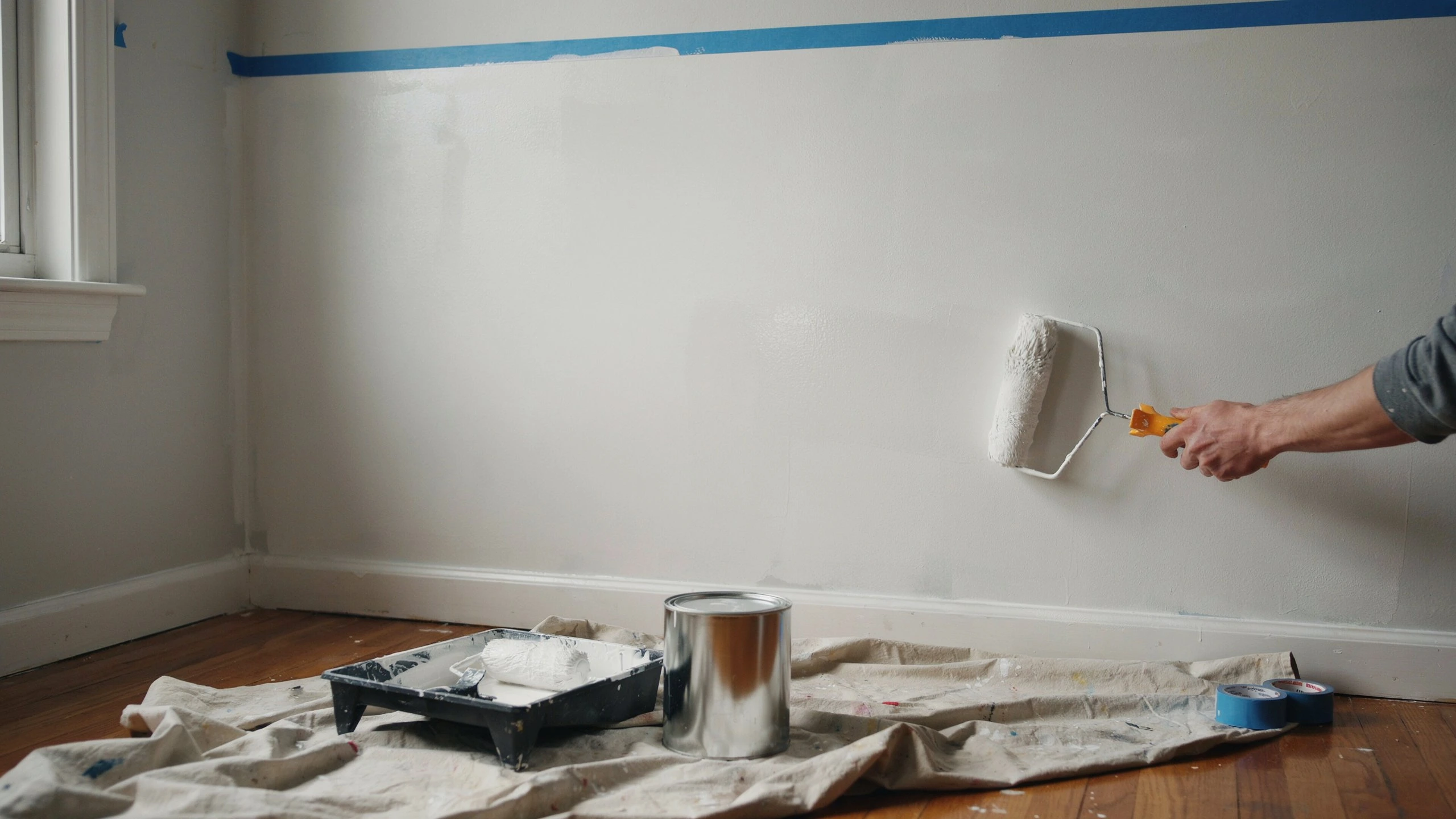
It is worth separating fine art oil paint from oil-based house paint, since people often assume they behave the same way. Oil-based house paints are formulated with different resins and additives specifically to speed up commercial timelines. They typically dry to the touch in 6 to 8 hours and are ready for a second coat within about 24 hours, a fraction of the timeline artist-grade oils require.
This distinction matters practically. When our team estimates a San Diego House Painting Services project, drying and recoating windows for oil-based trim and cabinetry paint are built directly into the schedule, since skipping that wait causes poor adhesion, visible lap marks, and early peeling. Fine art oil paint was not engineered for that kind of speed, and treating it like house paint is a common beginner mistake.
Common Mistakes That Slow Down or Ruin Drying
Adding too much oil medium to thin your paint extends drying time far more than people expect, sometimes by weeks. Working in a cold garage or unheated studio slows the oxidation reaction dramatically and is one of the most common complaints from beginner painters. Sealing a finished piece into a frame with a solid backing too early traps residual moisture and stalls curing. Layering wet paint over a layer that only looks dry, without doing the knuckle test first, is what causes most of the cracking issues that show up months or years later.
Oil Paint Drying Time Chart (Quick Reference)
| Condition | Touch Dry Time | Full Cure Time |
| Thin layer, warm room | 1 to 2 days | 3 to 6 months |
| Medium layer, average room | 3 to 7 days | 6 to 12 months |
| Thick layer, average room | 2 to 4 weeks | 12 to 18 months |
| Cold or humid room | Doubles or triples | Can exceed 18 months |
| With a fast-drying medium | 6 to 24 hours per layer | 3 to 6 months |
Find Your Drying Timeline: Match Your Setup to a Scenario
Generic ranges only get you so far, so here is how several real combinations typically play out.
Thin layer, earth-tone pigment, warm and dry studio: expect touch dry within 24 hours and safe layering within 2 to 3 days.
Medium layer, mixed pigments, average room temperature: expect touch-dry around 4 to 5 days, with full cure landing near the 8 to 10 month mark.
Thick impasto, titanium white, cold and poorly ventilated garage: this is the slowest realistic scenario, often taking several weeks to feel stable and well over a year to cure fully.
Thin glaze using an alkyd medium, warm studio with a fan running: this can be workable again in as little as 12 to 18 hours, making it the fastest practical setup for painters on a deadline.
Outdoor plein air piece, earth tones, moderate coastal humidity: surface drying is usually slower than in an indoor studio despite fresh air, often taking 2 to 4 days due to ambient moisture.
Multiple thin layers over several sessions using linseed oil, moderate room temperature: a balanced, sustainable pace where each layer is safely touch-dry in 2 to 3 days, letting you build the piece steadily over a couple of weeks.
What Experienced Painters Do Differently
Painters who have worked with oils for years stop treating drying time as an obstacle and start planning around it from the very first layer. They choose their fastest-drying pigments for underpainting and save slow-drying colors like titanium white for the final passes, so the whole piece cures in a more predictable order. One studio habit that comes up repeatedly among working artists is keeping a simple drying log for larger pieces, noting the date each layer went on, since memory alone is unreliable once a painting has ten or more layers spread across several months. That single habit prevents more accidental damage than any drying medium ever could.
Conclusion
Understanding how long it does take an oil painting to dry is really about understanding a process, not memorizing a single number. Thin layers can be touch-dry in a day, but full curing is a months-long chemical journey that rewards patience and careful layer planning. Whether you are protecting a personal art piece or handling an oil-based paint project around your home, respecting that timeline is what keeps the finish looking right for years instead of just for the first few weeks.
If you are planning a painting project at home and want it done with the right technique and proper drying windows built into the schedule, San Diego Home Remodeling is ready to help. Contact us today for a free estimate and see what a properly planned paint job looks like from start to finish.
FAQs
How long does it take an oil painting to dry completely?
A thin layer can feel touch-dry within 24 to 72 hours, but full curing throughout every layer usually takes 6 to 12 months. Thicker or heavily layered paintings can take well over a year to cure completely.
How to make oil paint dry faster without damaging the finish?
Apply paint in thin layers, work in a warm room around 65 to 75 degrees Fahrenheit, and improve airflow with a fan or open window. A small amount of alkyd-based medium also speeds drying safely when used sparingly.
How long does oil painting take to dry between layers?
Thin layers are usually safe to paint over within 1 to 3 days, medium layers need about 3 to 7 days, and thick layers can require several weeks. Always do a light touch test before adding the next layer.
How do you make oil paint dry faster if you are on a tight deadline?
Combine thinner paint application with a warm, well-ventilated space, and consider a fast-drying medium for the top layers. Avoid heat guns or direct sunlight, since both can crack or yellow the paint film.
Why do some oil paintings take longer to dry than others?
Pigment type, layer thickness, oil medium, and room conditions all combine differently on every piece. Two paintings finished on the same day can have very different drying timelines depending on these variables alone.