You are standing in the paint aisle, looking at forty shades of white and a wall of cans that all make the same promises. It is hard to shake the feeling that the pros know something you don’t. So, what paint do most professional painters use? Here is the quick answer.
Quick answer: Most professional house painters use premium, 100% acrylic latex paint, which is a water-based formula, on walls and ceilings. For trim, doors, and cabinets, they reach for a hard-wearing enamel, and a smaller group still prefers an oil-based alkyd for those surfaces. The brand on the label matters less than the specific product line, and pros pick that line based on the surface, the room, the sheen, and how the paint behaves under a brush and roller.
This guide is about house painting, not canvas and art studios. At San Diego Home Remodeling, we have put it together so you can understand how pros think before you buy a single gallon.
The Short Answer: Water-Based Acrylic Latex Wins

Walk into almost any occupied home that a crew is repainting, and you will find water-based acrylic latex paint on the walls. There are practical reasons, and none of them are about trends. It dries fast. A crew can apply a first coat in the morning and a second coat in the afternoon, which keeps a job moving and keeps furniture covered for fewer days. The smell is mild, so a family can stay in the house. Brushes and rollers clean up with water, which saves time and keeps solvents out of the job site. And acrylic latex paint holds its color well and stays flexible as walls expand and contract with temperature changes, so it is less likely to crack over time.
The big national paint makers that contractors favor also sell through trade accounts and neighborhood stores. That means a painter can pick up more paint at 6:30 in the morning, get a color matched quickly, and receive contractor pricing. Convenience like that quietly shapes what ends up on your walls.
Why Professionals Rarely Buy the Cheapest Can
A can of paint is mostly solids, which stay on the wall, and liquid, which evaporates. Budget paints tend to contain more filler and less of the binder and pigment that give you coverage and durability. In practice, that can mean more coats to hide the old color and a surface that marks up more easily.
Pros think about the whole job, not the sticker price on a gallon. Labor is usually the highest cost in a repaint. If a cheaper paint needs an extra coat on 1,500 square feet of wall, the time spent applying it can wipe out the savings many times over. A better paint that covers well and rolls out smoothly is often the cheaper choice once labor is counted. There is also the callback problem. When paint scuffs, burnishes, or peels early, the painter is the one who gets the phone call. Contractors have good reason to buy paint they trust.
A few traits explain why pros prefer certain lines over others:
- Open time: how long the wet edge stays workable, so lap marks do not show on a big wall.
- Leveling: how well brush and roller marks flatten out as the paint dries.
- Scuff resistance: how the finish handles furniture, backpacks, and vacuum cleaners.
- Consistency: whether the can you open next month looks and rolls like the last one.
Experienced painters pay close attention to these traits, which is why two professionals can answer what paint do most professional painters use with different product names and still agree on the principle.
Which Sheen Do Pros Pick for Each Room
Sheen is how much light the dried paint reflects, and it affects both looks and durability. Higher sheen is easier to wipe clean but shows every wall flaw. Lower sheen hides flaws but shows marks more easily. Pros match paint sheen to the room and the wear it will get.
| Area | Common sheen | Why pros choose it |
| Ceilings | Flat | Hides uneven surfaces and glare from lights |
| Living rooms and bedrooms | Matte or eggshell | Soft look, hides small wall flaws |
| Kitchens, bathrooms, hallways | Satin | Wipes clean and handles moisture and traffic |
| Trim and doors | Semi-gloss | Tough, easy to clean, crisp edges |
One detail homeowners miss: a wall painted with two different sheens, or patched with a different sheen than the rest, will show a visible patch when sunlight hits it from the side. Painters call this flashing. It is one reason pros keep sheen consistent across a whole wall and prefer to repaint corner to corner rather than touch up a single spot.
What Pros Use on Trim, Doors, and Cabinets
Trim takes the most abuse in a home. Baseboards get kicked, door frames get bumped, and cabinet doors get touched with greasy hands. This is the one area where you will still hear painters argue about oil versus water. Traditional oil-based alkyd enamel levels beautifully and dries into a hard, smooth shell. The downsides are real, though: a strong smell, slow drying, cleanup with solvents, and tighter regulation in California. White oil-based paint can also yellow over time, especially in rooms with little natural light. Modern water-based enamels have closed much of the gap. They dry faster, smell less, and hold their color better, which is why many crews now use them on trim.
Some products blend water-based and alkyd technology to get a smooth finish without the heavy odor. If you are repainting over old glossy trim, the paint choice matters less than the prep. Glossy surfaces need to be scuffed and primed with a bonding primer, or the new coat can peel off in sheets. For a project that touches more than paint, such as new cabinets, updated trim, or a full room refresh, the team at San Diego Home Remodeling can help you plan the finish so it matches how the room will be used.
Primer: The Step Homeowners Skip and Pros Rarely Do
Primer is not an extra coat of paint. It seals the surface, helps the topcoat stick, and gives you an even base. Pros use it whenever the surface calls for it, and they know the situations well:
- New or patched drywall: bare drywall and joint compound soak up paint at different rates, which leaves dull, blotchy spots if you skip the primer.
- Stains: water marks, smoke, crayon, and grease tend to bleed through ordinary paint, so a stain-blocking primer goes on first.
- Big color changes: going from a deep color to a light one is much easier with a primer coat in between.
- Glossy surfaces: a bonding primer gives the new paint something to grip.
Many paints are marketed as “paint and primer in one.” They can work well on a previously painted wall in good shape. They are not a substitute for a dedicated primer on raw patches or stains.
What Pros Use Outside a San Diego Home
Exterior paint has a harder job than interior paint. It has to resist sun, rain, wind, and the slow movement of the house itself. In coastal San Diego, you also deal with strong UV light, salty air, and morning marine layer moisture that can invite mildew.
Pros choose exterior paint for flexibility, UV resistance, and mildew resistance. The right pick depends on what the surface is made of.
Stucco and Masonry Surfaces
Stucco is common here, and it develops hairline cracks as it ages. Many painters use thicker, flexible coatings on stucco that can bridge those fine cracks and shed water. Masonry also needs a primer made for alkaline surfaces. Fixing cracks and cleaning off chalky residue before painting is just as important as the coating itself.
Wood Siding and Trim
Wood moves with moisture and temperature, so it needs a paint that stays flexible and breathable. Bare or weathered wood should be sanded, cleaned, and primed so the topcoat does not peel. Painting wood that is still damp is one of the most common reasons exterior paint fails early, so good painters check moisture and weather before they start.
If the home was built before 1978, painters follow lead-safe practices when they disturb old paint. That is a legal safety requirement, and it is a good reason to hire someone who knows the rules.
Low-VOC Paint: What California Painters Have to Think About
VOCs are volatile organic compounds, which are chemicals released as some paints dry. California has some of the strictest limits on VOCs in paint in the country, and that has pushed both manufacturers and painters toward low-VOC formulas.
For homeowners, the practical benefits are simple. Low-VOC paint has a milder smell, so a freshly painted bedroom is easier to be in. It is also a sensible choice for nurseries, home offices, and any space where people stay close to the walls for long stretches. Keep windows open and let the room air out regardless of the paint you choose.
One honest note: “low-VOC” describes the formula, not a guarantee about how every person will react. If anyone in your household is sensitive to smells, ask the painter about options and give the room extra time to ventilate.
Tools and Prep Matter as Much as the Paint
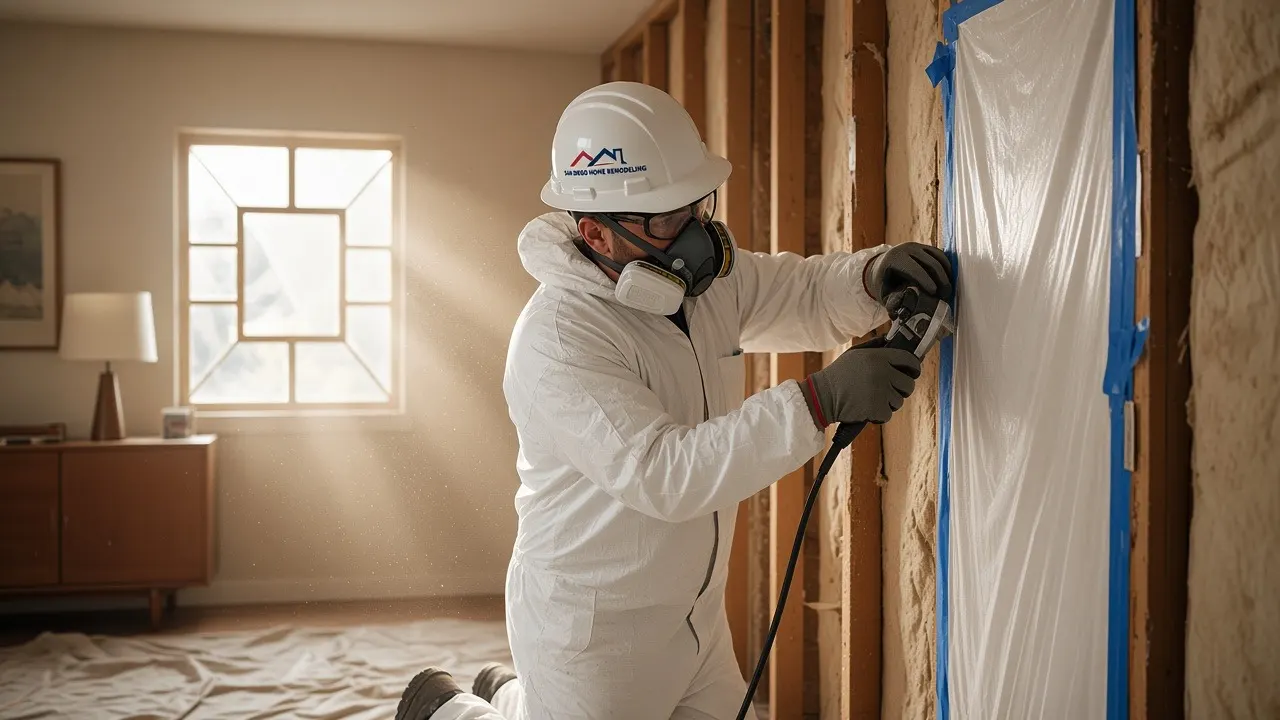
Great paint on bad prep still fails. A good paint job is mostly done before the lid comes off the can. Pros fill holes, sand rough spots, caulk gaps, clean dusty or greasy surfaces, and mask off anything that should stay clean.
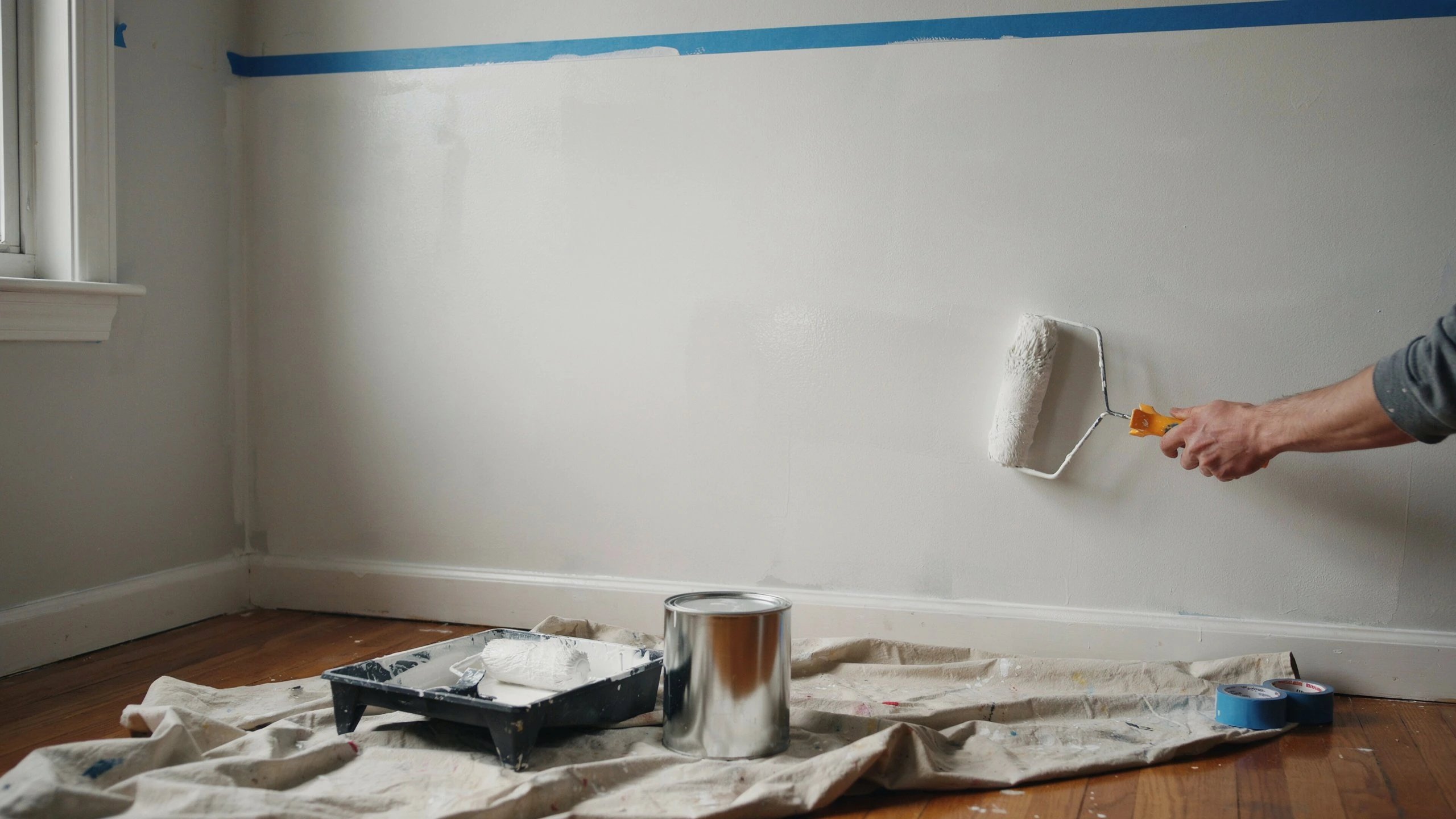
The tools matter too. A quality brush holds more paint and leaves fewer marks, and the right roller cover for the wall texture lays paint down evenly. Painters also have small habits that homeowners rarely see. They mix multiple gallons of the same color together before starting, so slight batch differences do not show up between walls. They cut in the edges and roll the wall while the edge is still wet, which avoids visible frames around the corners.
You can borrow every one of those habits for a DIY room.
How to Choose Pro-Quality Paint for Your Own Project
You do not need a contractor’s account to choose well. Run through this short checklist before you buy:
- Surface: drywall, plaster, wood, stucco, or previously painted trim each needs different prep and primer.
- Moisture: bathrooms, laundry rooms, and coastal exteriors need paint that resists humidity and mildew.
- Sheen: choose by room and traffic, using the table above as a guide.
- Traffic: hallways, kids’ rooms, and kitchens need a more scuff-resistant finish than a guest bedroom.
- Budget: compare the cost of the whole job, not only the can, and remember labor and recoating.
If the project is bigger than one room, or the exterior needs repair before painting, it can be easier to hand it off. You can look at our San Diego House Painting Services to see how a professional repaint is planned from prep to final coat.
Final Thought
So, what paint do most professional painters use? Mostly high-quality acrylic latex for walls and ceilings, the right sheen for each room, a primer wherever the surface needs one, and a tough enamel for trim. The pros who get the best results are not chasing a secret product. They match the paint to the surface, prep carefully, and think about the whole job instead of the price of a can.
If you are planning a repaint and want help choosing finishes or handling the prep, contact us at San Diego Home Remodeling, and we will help you plan the project.
FAQs
Do professional painters use oil-based or water-based paint?
Most use water-based acrylic latex paint for walls, ceilings, and many trim jobs. Some still choose oil-based alkyd paint for trim and cabinets because it levels smoothly, but regulations and fast-drying water-based enamels have made it less common.
What sheen do most professional painters use on walls?
Matte or eggshell is the usual choice for living rooms and bedrooms, because it hides small wall flaws. Satin is popular for kitchens, bathrooms, and hallways where walls need to be wiped clean.
Is expensive paint really worth it?
Often, yes. Better paint usually covers more completely and holds up to scuffing, which can save time on extra coats and reduce how soon you have to repaint. Price alone is not the test, so look at coverage, durability, and the product’s intended use.
Do professional painters always use primer?
Not on every surface, but they use it whenever the job needs it. Bare drywall, stains, glossy surfaces, and big color changes almost always get primer first, while a clean, previously painted wall in good shape may not.
What paint do pros use for exterior walls in a coastal climate?
They look for exterior paint with strong UV resistance, flexibility, and mildew resistance. On stucco, many choose a flexible coating that can handle hairline cracks, and on wood, they prime first so the paint holds up in damp, salty air.