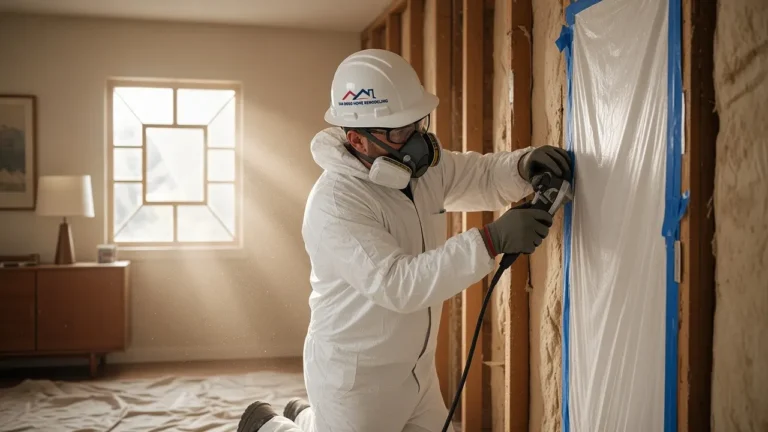
If you’re searching, would a home remodel trigger toxins in house? The short answer is yes, it can, but whether it actually happens depends on your home’s age, what materials are hiding behind the walls, and how carefully the work is done. At San Diego home remodeling, we’ve walked through hundreds of older properties across the county, and the pattern holds every time.
Homes built before 1978 carry a meaningfully higher risk, since that’s the year lead-based paint was banned nationally. This guide skips the generic warnings and walks through exactly which toxins show up in which rooms, how to test for them, and what a genuinely safe remodel looks like.
Does Remodeling Actually Release Toxins?
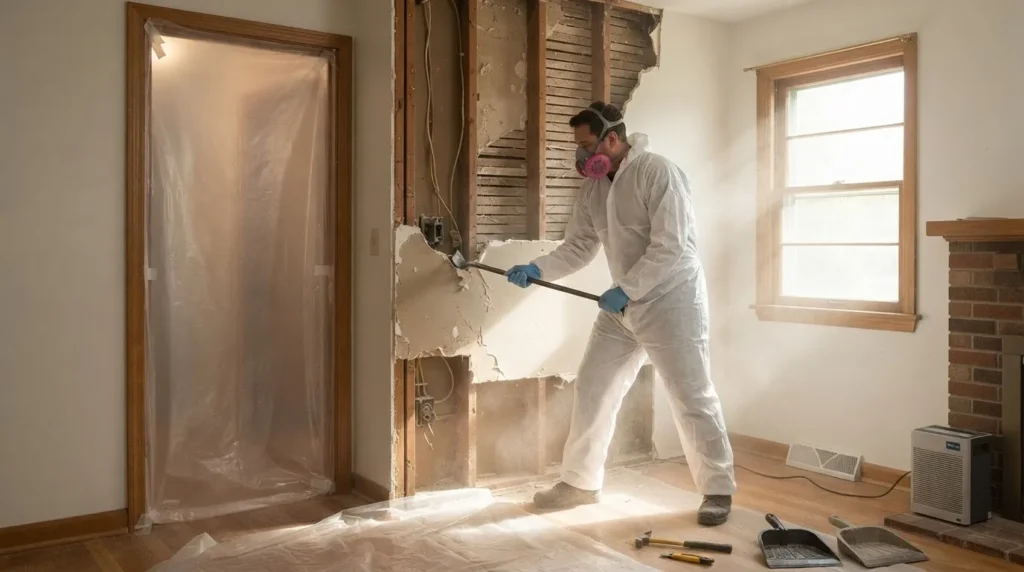
Yes, remodeling can release toxins that have been trapped inside walls, flooring, and paint layers for decades. Demolition, sanding, and cutting disturb materials that were previously sealed off, and once they’re airborne, they can settle into HVAC systems, furniture, and soft surfaces throughout the house. Whether this becomes a real problem or a non issue depends on a handful of variables you can actually assess before work begins.
| Risk Factor | Lower Risk | Higher Risk |
| Home Age | Built after 1990 | Built before 1978 |
| Materials Disturbed | Drywall, modern flooring | Old plaster, popcorn ceilings, vinyl tile |
| Ventilation | Open windows, negative air machines | Sealed rooms, no airflow |
| Containment | Plastic sheeting, zip walls | No barriers between work zone and living space |
This is the exact framework we use when scoping a project through San Diego home remodeling, because guessing at risk level almost always leads to either overspending on unnecessary testing or underprotecting a household that genuinely needs it.
6 Toxins That Can Be Released During a Remodel
Lead
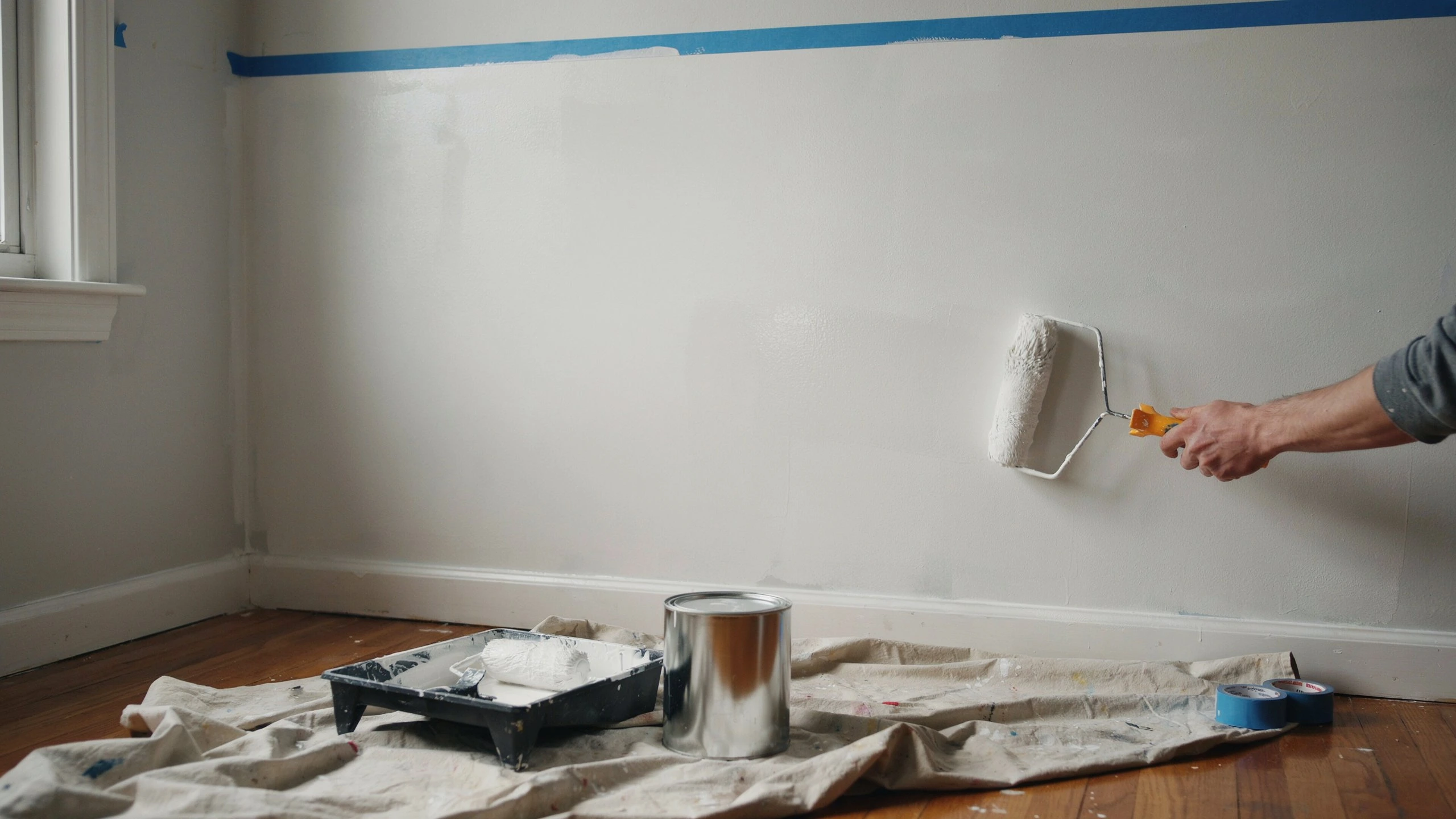
Lead based paint was standard in American homes until 1978, and it’s still present under newer paint layers in a large share of pre-1980 properties. Sanding, scraping, or heat gunning old paint releases fine lead dust that settles on floors and windowsills, where children and pets are most likely to come into contact with it. Chronic exposure affects the nervous system and, in children, can impact cognitive development even at low levels.
Asbestos
Asbestos shows up in insulation, floor tile adhesive, popcorn ceilings, and old joint compound, particularly in homes built between the 1940s and 1980s. It’s only dangerous when disturbed, meaning an intact asbestos tile is generally safe to live with, but cutting into it during a demo releases fibers that can lodge in lung tissue and, over years, contribute to serious respiratory disease.
Mold and Mildew
Opening up walls, especially around bathrooms, kitchens, or any area with a history of water intrusion, can expose mold colonies that have been growing quietly out of sight. Coastal humidity in San Diego neighborhoods close to the water makes this more common than homeowners expect, even in houses that look dry on the surface.
Volatile Organic Compounds (VOCs)
New paint, adhesives, sealants, and cabinetry all off gas VOCs as they cure, and this is a factor even in brand new construction, not just older homes. Freshly installed materials can elevate indoor air VOC levels for days or weeks, which is why ventilation matters just as much after the dusty work is done as during it.
Silica Dust
Cutting tile, concrete, or countertop material generates fine silica particles that are small enough to bypass basic dust masks. This is one of the more overlooked risks in a kitchen or bathroom remodel because the work looks clean compared to demolition, but the airborne particle count can be just as high.
Formaldehyde
Pressed wood products like particleboard cabinetry, MDF trim, and some engineered flooring release formaldehyde gas, particularly when the materials are new and the room is poorly ventilated. Symptoms are often mistaken for seasonal allergies, which delays homeowners from connecting the dots to their remodel.
Room-by-Room Risk Breakdown
Kitchen Remodel Risks
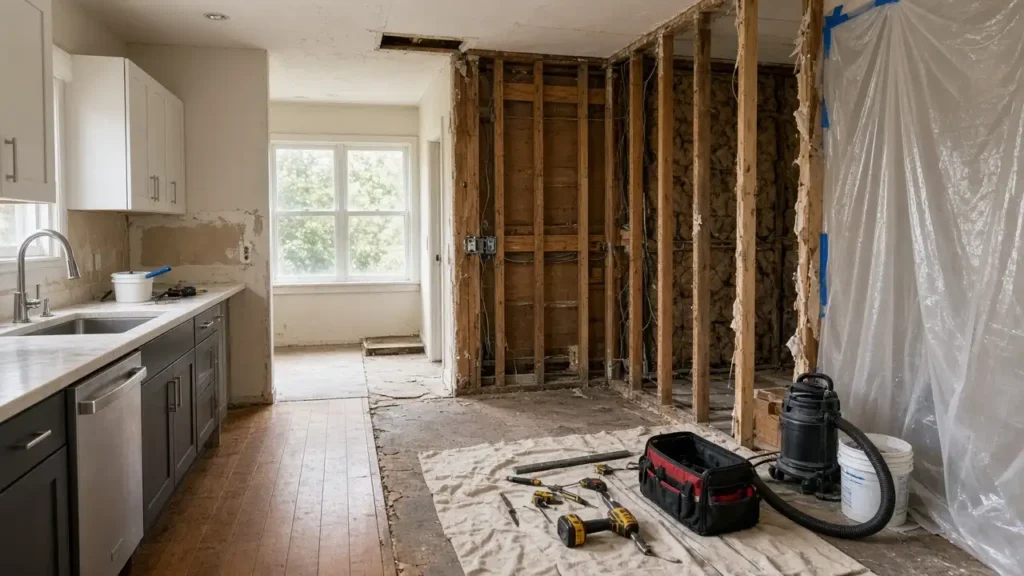
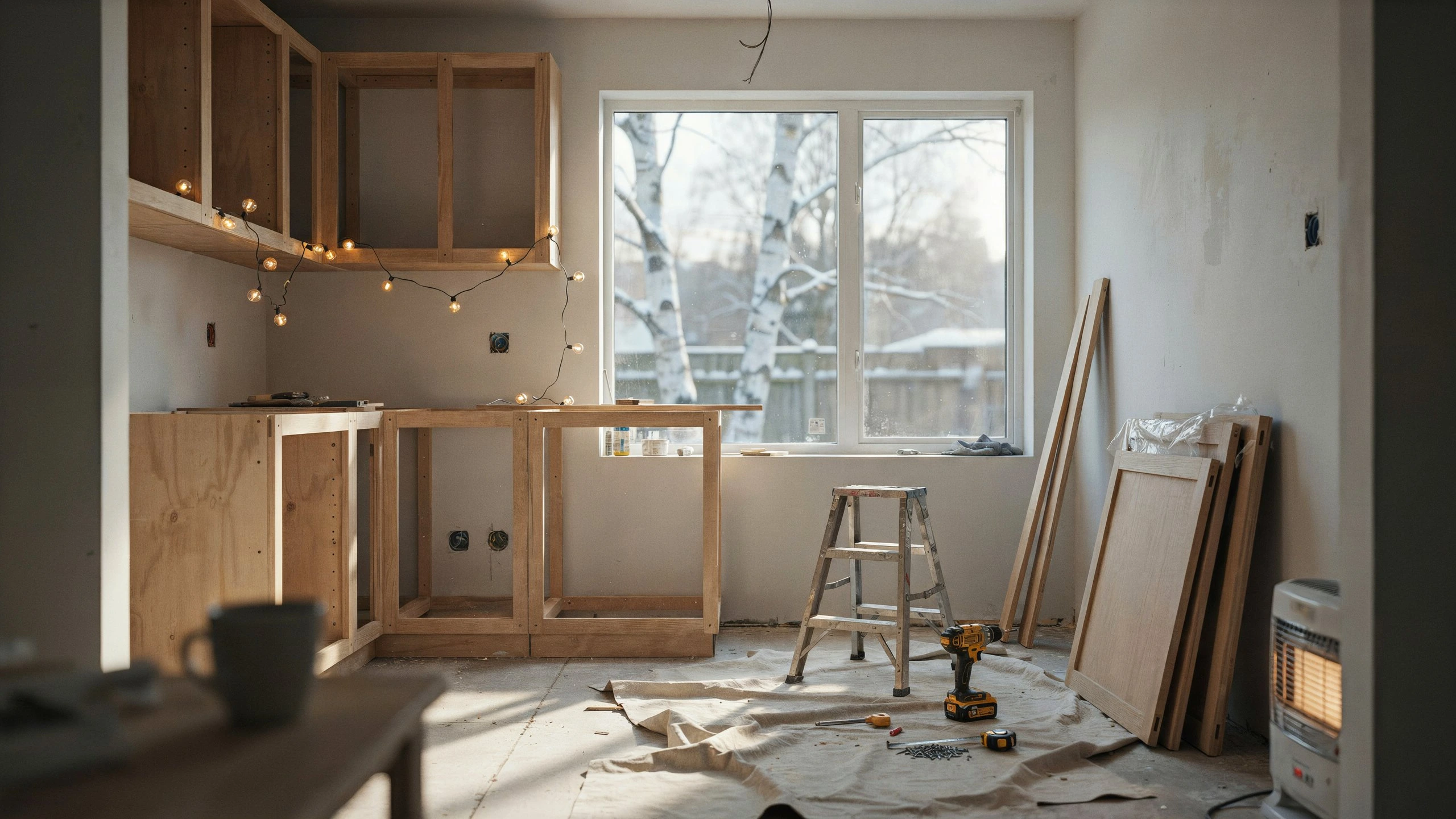
Kitchens combine several risk categories at once. Cabinet removal in older homes can expose lead paint on trim, tile demos can release silica dust or disturb asbestos-backed flooring, and new cabinetry introduces VOC and formaldehyde off-gassing right as the project wraps up. This is exactly why our San Diego Kitchen Remodeling Services build testing and containment into the process from the start, rather than treating it as an afterthought once demolition is already underway.
Bathroom Remodel Risks
Bathrooms are the room most likely to hide mold, especially around tubs, showers, and subfloors where slow leaks go unnoticed for years. Tile removal also carries silica and, in older homes, asbestos risk from mastic adhesive underneath. Our Bathroom Remodeling in San Diego team accounts for this from the start, testing suspect materials and containing the work area before any tile comes up.
Basement and Attic Remodel Risks
These spaces often contain older insulation types, including some that are asbestos based, along with moisture issues that basements are especially prone to. Poor natural ventilation in both areas means dust and off gassing linger longer than in open living spaces.
Flooring Removal Risks
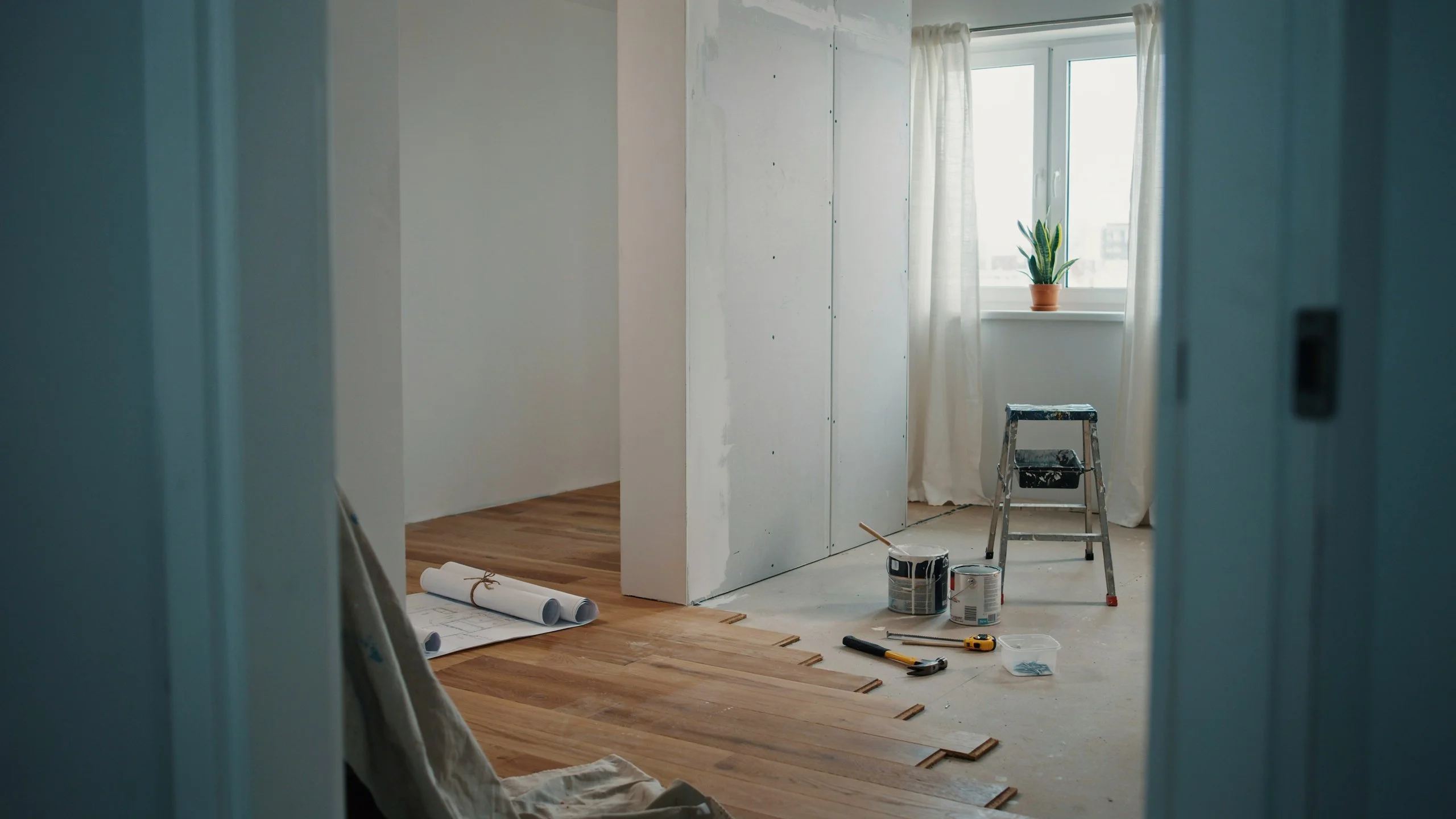
Old vinyl tile, the adhesive underneath it, and even some older carpet padding can contain asbestos fibers. This is one of the more commonly missed risks because homeowners assume flooring is a low intensity part of the job compared to structural demolition.
How to Know If Your Home Is at Risk
Start with a simple age based checklist. If your home was built before 1978, assume lead paint is present somewhere until testing proves otherwise. If it was built before 1980, treat flooring adhesive, popcorn ceilings, and old insulation as potential asbestos sources.
DIY test kits work reasonably well for a quick lead check on paint, but they’re not reliable for asbestos, which requires lab analysis of a physical sample. If your home falls into the higher risk category on the table above, or if you’re planning demolition rather than cosmetic updates, professional testing is worth the cost before any work starts.
The 3-Step Safe Remodeling Framework
Step 1: Test
Before any sanding, cutting, or demolition begins, test suspect materials, meaning old paint, flooring, insulation, and joint compound in homes built before 1980. A certified inspector can confirm lead and asbestos levels with paint chip and dust sampling, which gives your contractor a clear map of what needs special handling.
Step 2: Contain
Once you know what you’re dealing with, seal the work area off from the rest of the house using plastic sheeting, zip walls, and negative air pressure where needed. HVAC vents in the work zone should be covered so dust doesn’t circulate through the rest of the home during construction.
Step 3: Clean Up
Standard shop vacuums don’t capture the fine particles associated with lead, asbestos, or silica dust, so HEPA filtered equipment is necessary for final cleanup. Wet wiping surfaces, rather than dry sweeping, prevents settled dust from becoming airborne again during the final pass.
DIY or Call a Professional?
If your project involves cosmetic work in a home built after 1990, with no visible water damage or old flooring being removed, DIY is generally reasonable with standard precautions. If your home was built before 1980, or the project involves demolition, flooring removal, or opening up walls that haven’t been touched in decades, bringing in a professional for at least the testing and containment phase is the safer call, even if you plan to handle other parts of the project yourself.
Symptoms You Shouldn’t Ignore
Watch for headaches, unusual fatigue, a persistent cough, or eye and throat irritation that develops during or shortly after a remodel. These symptoms are easy to dismiss as seasonal allergies or general tiredness from a busy project, but if they show up alongside construction activity, it’s worth pausing to investigate air quality rather than pushing through.
Final Thought
So, would a home remodel trigger toxins in house? It can, but the outcome is largely within your control once you know what to test for, how to contain the work area, and when a project genuinely calls for professional help rather than a DIY approach. Older homes carry more risk, but with the right testing and containment process, even a full gut renovation can be done safely. If you’re planning a project and want a team that builds testing and containment into the process from day one, our San Diego Whole Home Remodeling services are built around exactly this kind of careful, informed planning. Contact us at San Diego home remodeling to walk through your project and get a clear picture of what your home actually needs before work begins.
FAQs
Do new homes also have toxins during a remodel?
Yes, though the risk profile is different. New homes are less likely to have lead or asbestos, but fresh paint, adhesives, and pressed wood cabinetry still release VOCs and formaldehyde during and after installation.
How many days after a remodel is a home considered safe?
It depends on the materials used and ventilation, but VOC and formaldehyde off gassing can continue for days to a few weeks after installation, while dust from lead or asbestos work should be fully cleared during professional cleanup before anyone reoccupies the space.
How do you protect children and pets during a remodel?
Keep them out of the active work zone entirely, close off HVAC vents leading to occupied areas, and consider temporary relocation during the demolition phase of any project involving pre-1980 materials.
Is all renovation dust dangerous?
No. Ordinary dust from drywall or wood scraps settles quickly and is captured by standard filters, while toxic particles like lead, asbestos, and silica are small enough to stay airborne for hours and require HEPA filtration to remove safely.
Can I test for asbestos myself?
You can collect a sample yourself, but it needs to be analyzed by an accredited lab since asbestos fibers aren’t visible or identifiable without microscopy testing.