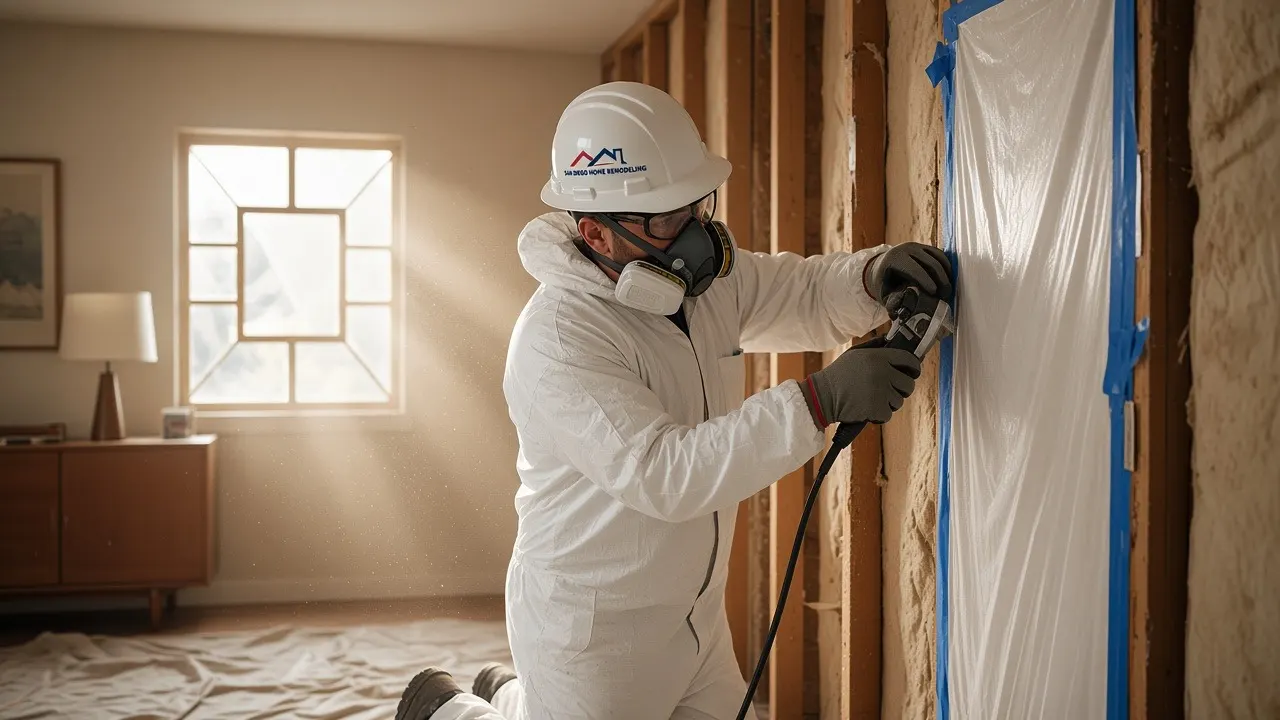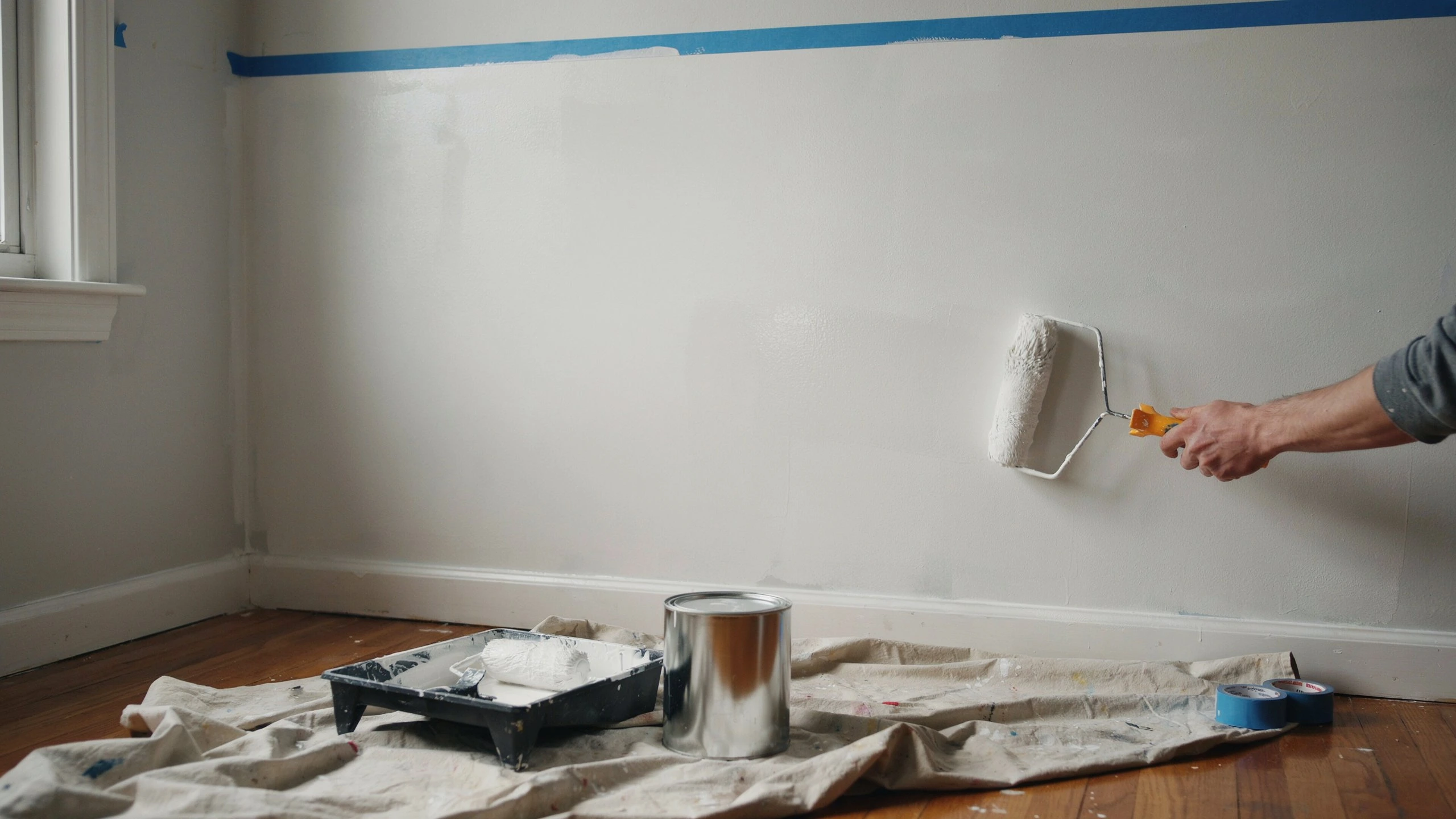
You rolled on the last coat this afternoon, the walls look fresh, and your own bed is right there. Then the smell hits, and you wonder: is it safe to sleep in a freshly painted room tonight? Usually, not the same night. With standard latex and open windows, plan on 24 to 48 hours. Oil-based paint needs several days.
Zero-VOC paint can be far quicker. At San Diego Home Remodeling, we hear this question after almost every bedroom repaint, so this guide helps you work out your own wait time instead of guessing.
Quick Answer: How Long to Wait Before Sleeping in a Freshly Painted Room
Paint type | Dry to touch | Sleep after (good airflow) | Sleep after (poor airflow) |
Zero-VOC latex | 1 to 2 hours | Several hours to 24 hours | 24 to 48 hours |
Low-VOC latex | 1 to 2 hours | About 24 hours | 48 to 72 hours |
Standard latex | 1 to 2 hours | 24 to 48 hours | About 72 hours |
Oil-based | 6 to 8 hours | 3 to 7 days | 7 to 14 days |
These are planning ranges, not guarantees. The paint can’s label and your nose have the final say. If you can still smell paint, the room is not ready.
So, can you sleep in a freshly painted room? Yes, once most of the fumes have cleared. Can you sleep in a room that was just painted on the same night? It is possible with zero-VOC paint and strong airflow, but sleeping elsewhere for one night is cheap insurance.
What Is Actually in Paint Fumes
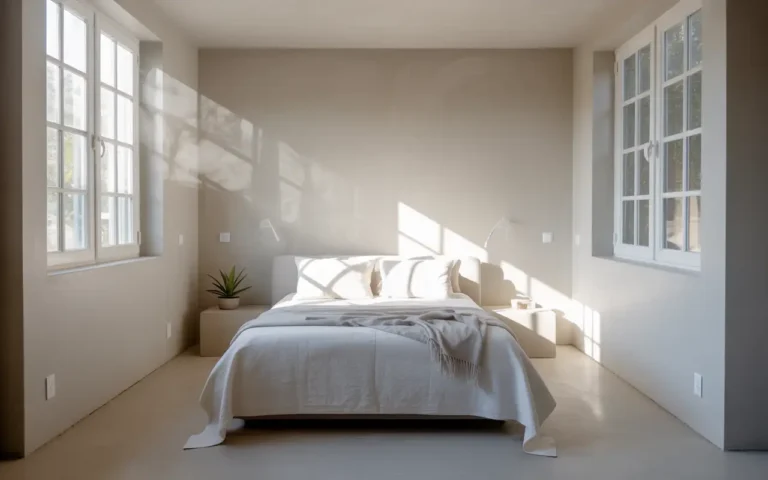
Paint dries in two stages. The surface feels dry within hours, but volatile organic compounds (VOCs) keep escaping from the paint film for days. These gases can cause headaches, dizziness, nausea, and irritated eyes and throats, and people with asthma often notice them first.
The EPA advises increasing fresh air during and after painting, and its page on VOCs and indoor air quality explains why. Sleep raises the stakes. You spend eight hours close to the walls, often in a room with the door and windows shut.
Can You Die From Sleeping in a Freshly Painted Room?
For a healthy adult, ordinary latex or low-VOC paint in a normal bedroom is very unlikely to be fatal. The realistic outcomes are headache, nausea, and a poor night’s sleep.
The serious risk comes from solvent-heavy products used in sealed spaces, such as some strippers, lacquers, and heavy oil-based coatings, especially when someone sleeps in that air. If you notice severe headache, confusion, chest tightness, vomiting, or unusual drowsiness, get fresh air right away and seek medical help if symptoms do not ease. This is general information, not medical advice.
Why Paint Type Changes Everything at Night
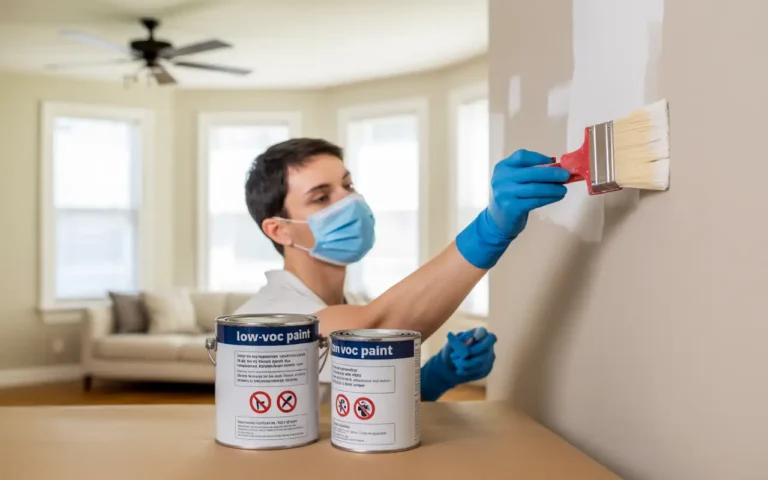
Latex and acrylic paints use water as the carrier, so they release fewer VOCs and clear faster. Oil-based paints use solvents, cure slowly, and can keep off-gassing for up to two weeks.
Two details catch people out. First, a zero-VOC base can still smell stronger once dark colorant is added at tinting, so deep shades may need more time than the label suggests. Second, stain-blocking primers are often more solvent-heavy than the topcoat. If you primed, count the primer in your wait.
How Long Do Paint Fumes Last Indoors?
Stage | What is happening |
Hour 0 to 4 | Fumes peak. Keep windows open and stay out of the room. |
Hour 4 to 24 | Levels fall quickly with airflow, but the smell is still obvious. |
Day 2 to 3 | Latex is mostly cleared. A faint odor may linger in closets and corners. |
Day 4 to 7 | Oil-based paint is winding down. |
Week 2 | Thick oil-based coats finish curing. |
Room size, number of coats, temperature, and humidity all move these numbers. A small room with three coats on a damp day will always run longer than a large room with one coat on a dry afternoon.
How Long After Painting Can You Sleep in the Room?
The honest answer is “it depends,” but you can narrow it down. Start with the table above, then add time for anything that increases the fume load: painting the ceiling as well as the walls, doing trim or doors, applying more than one coat, or working in a small room.
The ceiling matters more than most people think. It adds a large painted surface directly above the bed, and the freshest fumes gather high in the room. If you painted the ceiling, treat the room like it is one tier slower than the table says.
The Sleep-Ready Score: Work Out Your Own Wait Time
A single table cannot account for your room. This quick score can. It is a planning estimate, so use it alongside the paint label and the smell test.
Step 1: Add Up Your Points
Factor | 0 points | 1 point | 2 points |
Paint type | Zero-VOC | Low-VOC latex | Standard latex (oil-based = 4) |
Coats | One | Two | Three or more |
Airflow | Cross-breeze plus fan | One open window | Door only (sealed room = 3) |
Room size | Large | Medium | Small |
Humidity | Dry day | Mild | Damp or muggy |
Add 1 point if you painted the ceiling or trim, 1 point for a deep tinted color, and 3 points if a child, pregnant person, older adult, or someone with asthma will sleep there.
Step 2: Read Your Wait Time
Total points | Suggested wait |
0 to 2 | 12 to 24 hours |
3 to 5 | 24 to 48 hours |
6 to 8 | 48 to 72 hours |
9 to 11 | 4 to 7 days |
12 or more | 7 to 14 days |
Before the first night, run three checks. Does the room smell like paint? Do you get a headache or scratchy throat after ten minutes inside? Has your wait time passed? Any “yes” to the first two means wait longer.
Who Needs to Be Extra Careful?
- Infants and toddlers breathe more air for their body size and spend long hours asleep, so give them the longest buffer.
- Pregnant people should avoid doing the painting and sleeping in a room that still smells.
- People with asthma or allergies can react at levels others barely notice.
- Older adults often have less respiratory reserve.
- Pets, especially birds, are very sensitive to airborne chemicals, so keep them out until the air is clear.
Painted a Room With Weak Airflow? Here Is What Works
Cross-ventilation beats a single open window. Put a box fan in one window blowing outward, and open a window or door on the opposite side so fresh air flows through the room. Open closet doors, because closets trap fumes and release them slowly.
For a room with no windows, run an exhaust fan or a fan in the doorway pushing air toward an open window elsewhere, and add extra time on the score.
Practical Steps to Make a Painted Room Safe Faster
- Choose low-VOC or zero-VOC paint when you can, and check the VOC grams per liter on the can.
- Ventilate during painting and for at least 48 hours after.
- Let each coat dry fully before the next one instead of stacking coats in one day.
- Move bedding, rugs, and curtains out of the room while painting, because fabric absorbs odor and releases it later.
- Run an air purifier with activated carbon. HEPA filters catch particles, not gases.
Methods That Don’t Work
Bowls of vinegar or onions do not remove VOCs. Candles and air fresheners add their own chemicals. Closing the door and waiting just traps the fumes, and pointing a fan at your bed does not clear the room.
Painting in San Diego: Coastal Humidity and Closed-Window Days
Local weather changes the math. Cool, damp marine layer mornings slow drying near the coast, while inland homes often dry faster. San Diego Home Remodeling advises painting early enough in the day that you can ventilate through the afternoon and evening. On smoky or high-pollen days, when opening windows is a bad idea, postpone the project or add several days to your wait.
Related Situations That Change the Wait Time
A nursery deserves extra planning: paint weeks before the baby arrives and use the lowest-VOC product available. Oil-based trim and doors cover less area, but the fumes sit close to the bed. In an open-plan home, fumes travel, so ventilate the whole space rather than one room.
For bigger projects, our San Diego House Painting Services team can help you pick safer products and schedule the work so you are not sleeping next to wet walls.
Final Thoughts
Is it safe to sleep in a freshly painted room? It is, once the paint type, airflow, and your own room conditions have done their work. Use the quick table, run your Sleep-Ready Score, and trust your nose.
San Diego Home Remodeling helps homeowners plan paint projects that look great and stay comfortable to live in. If you want expert help with your next repaint, contact us for a clear estimate.
FAQs
Can you sleep in a room that was just painted with zero-VOC paint?
Often yes, after a few hours of strong ventilation and once the paint is dry to the touch. Deep tinted colors can still smell, so use your nose as the final test.
How long after painting can you sleep in the room with a baby?
Use the longest wait on your score, and consider 72 hours a cautious minimum for latex, longer for oil-based paint. Ask your pediatrician if you have any concerns.
Can you die from sleeping in a freshly painted room with oil-based paint?
It is very unlikely in a ventilated bedroom, but heavy solvent fumes in a sealed room are dangerous. Ventilate well, wait several days, and leave if you feel dizzy or confused.
Can you sleep in a freshly painted room if only the ceiling was painted?
Wait longer than you would for walls alone, because fumes gather above the bed. Cross-ventilation and an extra day or two are a sensible buffer.
Does an air purifier make the room safe sooner?
A carbon filter can reduce lingering odors and some VOCs, but it does not replace fresh air. Use it alongside open windows, not instead of them.