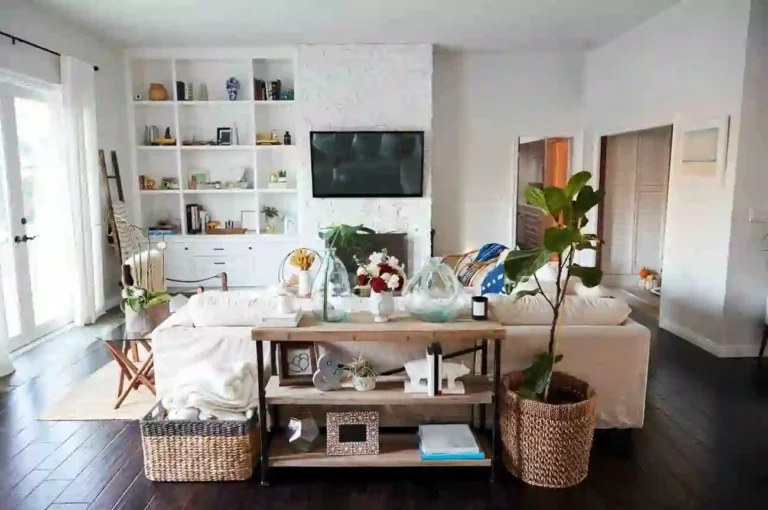
Most homeowners spend hours choosing the right sofa or picking the perfect paint color and then wonder why the room still feels off. The truth is, decoration is the last step. How to Plan a Functional Family Room Layout is what actually determines whether the space works for your life. A poorly arranged room creates blocked walkways, awkward TV angles, and furniture that looks great in a showroom but makes daily life harder.
Whether you are dealing with a compact apartment or a large open-concept space, smart layout planning changes everything.At San Diego Home Remodeling, we have seen firsthand how a thoughtfully planned layout transforms the way families live in their homes with more comfort, less clutter, and spaces that actually get used.
What Makes a Family Room Functional?
Comfort vs. Function: Finding the Right Balance
A beautiful room that nobody wants to sit in has failed at its most basic job. Functional design means the space supports how your family actually behaves, lounging on movie nights, doing homework, hosting friends, or just unwinding after work. Comfort and function are not opposites; they work together when the layout is right.
How Families Use a Living Space Differently
A retired couple uses their family room differently than a household with three kids under ten. Some families need clear floor space for play. Others need defined quiet zones for reading or remote work. Understanding your household’s specific patterns, not a generic ideal is the foundation of any good functional family room design.
Why Layout Planning Should Come Before Furniture Shopping
Buying furniture before you have a layout plan is one of the most common and costly mistakes homeowners make. A sofa that looked perfectly sized in the store can swallow a small room whole. Measure your space, sketch a rough plan, and understand your traffic flow before you spend a dollar on furniture.
Start by Understanding How Your Family Uses the Room
TV and Entertainment Setup
Where people watch TV shapes the entire room. Identify the primary seating distance (the ideal viewing distance is roughly 1.5 to 2.5 times the diagonal screen size) and build your seating arrangement around that, not around wall space or window placement.
Reading, Gaming, and Relaxing Areas
If multiple activities happen in the same room simultaneously, each activity needs its own defined space. A reading chair near a window with a floor lamp nearby does not need to compete with the TV area. Gaming setups, in particular, benefit from being positioned away from the main seating zone to reduce conflict over the screen.
Kid-Friendly and Pet-Friendly Layout Needs
Families with young children need open floor space for play, not more furniture. Avoid sharp-cornered tables at child height, keep traffic paths wide enough for a running toddler, and choose durable, easy-to-clean upholstery. For pet owners, avoid blocking their natural movement paths with ottomans or side tables placed too close together.
Hosting Guests Without Making the Room Feel Crowded
The best family room layout ideas account for occasional hosting. Moveable ottomans and accent chairs that slide easily give you flexibility when guests arrive without permanently cluttering the daily living space.
Measure Your Family Room Before Planning the Layout
Important Measurements Most Homeowners Forget
Beyond the basic room dimensions, measure doorways, window sill heights, ceiling height (critical for tall shelving or statement lighting), and the location of every electrical outlet and switch. These details directly affect where furniture can go.
How Much Walking Space You Actually Need
The industry standard for comfortable walkways is 30 to 36 inches of clearance. In high-traffic areas like between the sofa and a coffee table, or from the hallway to the kitchen go toward the upper end. Tight paths feel uncomfortable and look cluttered even when the room is tidy.
Ideal Distance Between Sofa, TV, and Coffee Table
Leave 18 inches between your sofa and your coffee table enough to reach your drink without standing up, and enough to walk past without bumping your shins. Between the sofa and the TV, aim for a minimum of 7 to 8 feet for screens in the 55-65 inch range.
Common Measuring Mistakes That Ruin Layouts
Many homeowners measure only the longest wall and work outward from there. Instead, measure the entire room perimeter, note where the doors swing open, and account for any built-in features like fireplaces or bay windows. A layout that ignores door swing radius creates immediate daily frustration.
Choose the Right Focal Point First
TV vs. Fireplace: Which Should Lead the Layout?
In rooms with both a fireplace and a TV, choosing the dominant focal point is the first decision. In cooler climates, the fireplace often anchors the room emotionally, but practically, families end up watching TV most evenings. One proven solution: mount the TV above the fireplace (ensuring the screen is not too high for comfortable viewing) or position seating at a slight angle so both focal points are accessible.
How to Handle Multiple Focal Points
Dual focal points create visual confusion and awkward furniture angles. The fix is a seating arrangement that comfortably addresses one primary focal point, with secondary seating (an accent chair or side sofa) angled toward the secondary one. Avoid splitting your main sofa’s sight line between two competing points.
Creating a Balanced Viewing Angle
No seat in the room should require someone to crane their neck. Test your layout by sitting in every proposed seat location and checking the angle to both the TV and the fireplace. Adjusting the furniture angle by even 15 degrees can dramatically improve comfort.
Mistakes to Avoid With TV Placement
Avoid placing the TV in front of a window; the backlight glare makes it unwatchable during daytime hours. Mounting too high is equally common and leads to neck strain over time. Eye level when seated is the target.
Create a Layout That Improves Traffic Flow
How to Prevent Tight or Awkward Walkways
The most livable rooms have clear, intuitive paths from every entry point to every exit. If someone has to walk around the back of the sofa to get to the kitchen, the layout is working against your family rather than for it.
Best Furniture Placement for Easy Movement
Anchor your large furniture pieces first sofa, main chair, entertainment unit then check that the remaining floor space creates logical paths. Leave at least 36 inches in primary traffic corridors and 30 inches in secondary zones.
Why Pushing Furniture Against Walls Often Fails
It feels counterintuitive, but pulling furniture slightly away from walls even just 3 to 6 inches creates a more balanced, proportional room. Furniture pressed flat against every wall tends to look rigid and actually makes the center of the room feel more exposed and less welcoming.
Open Concept Family Room Flow Tips
In open-concept spaces, use furniture arrangement and area rugs to define the family room as a distinct zone without physical walls. The sofa’s back often serves as a visual boundary. Keep the path between the kitchen and family room at least 36 to 42 inches clear to maintain comfortable flow.
Best Furniture Arrangement Ideas for Family Rooms
Sectional Layout Ideas
An L-shaped sectional works well in square rooms, anchoring a corner and naturally defining the seating zone. In longer rooms, a U-shaped sectional around a central coffee table creates a social, enclosed feel. For small family room layouts, a compact sectional with a chaise on one end replaces the need for a separate accent chair.
Sofa and Accent Chair Combinations
A classic three-piece arrangement, one main sofa facing the TV and two accent chairs angled inward creates a conversation-friendly zone without blocking traffic. This arrangement works well in rooms between 12 × 14 and 16 × 18 feet.
Small Family Room Furniture Layout
In smaller rooms, scale is everything. A loveseat instead of a full three-seater, a small round coffee table instead of a rectangular one, and a wall-mounted TV instead of a media cabinet can recover 20 to 30 percent of usable floor space in a small family room layout.
Large Family Room Layout Solutions
Large rooms often suffer from furniture that floats in the middle with no visual anchor. Break a large space into two distinct zones one for TV viewing, one for conversation or reading using area rugs to define each. This approach creates a more intimate feel without making the room look empty.
Conversation-Friendly Seating Arrangements
For rooms used frequently for hosting, position seating so that no two seats are more than 8 feet apart. Beyond that distance, conversation becomes difficult and the room begins to feel disconnected.
How to Divide a Family Room Into Functional Zones
TV Zone
Anchor this zone with a rug under the primary seating, a clearly defined media console, and appropriate ambient lighting. Keep this zone free from high-traffic paths.
Play Area for Kids
Designate a low-profile zone near a wall or corner with a soft rug, accessible storage baskets, and no fragile furniture nearby. A visible play area that is genuinely safe means less anxiety for parents and more independence for children.
Reading Corner Ideas
A comfortable chair, a good floor lamp, and a small side table are all a reading corner needs. Position it near a natural light source but away from the TV to minimize distraction.
Work-from-Home Space Solutions
If a family member needs to work from the family room occasionally, a compact desk tucked against one wall or a fold-down wall-mounted desk can serve the purpose without permanently carving up the space.
Using Rugs and Furniture to Separate Spaces
In open-plan rooms, area rugs are the most effective tool for zone definition. A rug under the TV seating and a separate rug under a reading or work area clearly signals two distinct spaces without any construction.
Smart Storage Ideas for a Clutter-Free Family Room
Hidden Storage Furniture
Coffee tables with lift-top storage, ottomans with interior compartments, and side tables with drawers keep daily items accessible without visual clutter. These are especially useful in smaller rooms where dedicated storage cabinets take up too much floor space.
Built-In Cabinets and Shelving
Built-ins along one wall provide significant storage while also creating a custom, finished look. They are one of the highest-value upgrades for family room functionality something our team at
Storage Solutions for Families With Kids
Labeled bins at low heights give children independence to put away their own toys. Closed-front storage keeps the room looking tidy even when it is not completely organized. A dedicated toy zone prevents the entire room from becoming a play area.
How to Keep Daily Items Organized
Remote controls, throw blankets, chargers, and reading glasses are the daily clutter culprits in most family rooms. Assign a specific home for each a small tray on the coffee table, a basket beside the sofa and the room stays significantly tidier with almost no effort.
Lighting Tips That Make a Family Room Feel Better
Why Overhead Lighting Alone Is Not Enough
A single overhead fixture creates flat, shadowless light that feels institutional rather than comfortable. Most family rooms need at least three types of light working together to feel warm and functional.
Layered Lighting for Comfort and Function
Combine ambient light (overhead or recessed), task light (floor lamps near reading areas, desk lamps near workspaces), and accent light (LED strips behind the TV, table lamps on side tables) to create a room that works at every hour and for every activity.
Best Lighting Placement for TV Rooms
Adding a bias light behind the TV and a warm LED strip mounted to the back of the screen reduces eye strain significantly during evening viewing and makes the overall room feel more polished with minimal cost.
Using Natural Light Without Creating Screen Glare
Position the TV perpendicular to windows rather than directly facing or opposing them. Sheer curtains diffuse harsh midday glare while still allowing natural light in. Avoid north-facing rooms for primary TV walls if possible.
Common Family Room Layout Mistakes to Avoid
Buying furniture before measuring: is the number one mistake a sofa that does not fit is expensive to return and devastating to a layout plan.
Ignoring traffic flow: creates daily frustration. Every path through the room should feel natural, not like an obstacle course.
Using oversized furniture: in a small space makes the room feel cramped even when there is technically enough square footage. Scale furniture to the room, not to your wish list.
Poor rug placement: specifically, using a rug that is too small is extremely common. In most seating arrangements, at least the front legs of all major furniture pieces should rest on the rug.
Blocking windows and natural light: with tall furniture darkens the room unnecessarily and reduces the sense of space.
Creating too many focal points: confuses the eye and makes furniture arrangement nearly impossible. Choose one primary focal point and design around it.
Best Functional Family Room Layout Ideas by Room Shape
Square Family Room Layout
Square rooms are the most versatile. A centered sofa facing the TV with two flanking chairs and a central coffee table works well. Avoid pushing all furniture to the perimeter it creates a hollow, unfinished look.
Long Narrow Family Room Layout
In narrow rooms, run the sofa along the long wall and use a pair of accent chairs at the other end to create two facing zones. Avoid large, wide coffee tables that block the central path.
Open Concept Family Room Layout
Use the sofa’s back as a visual room divider between the family room and adjacent spaces. A consistent flooring material throughout is fine area rugs that do the zone work without visual interruption.
Small Apartment Family Room Layout
Multi-functional furniture is the priority here. A sofa bed, storage ottoman, and wall-mounted shelving recover floor space while maintaining full functionality. Keep color palettes light and use mirrors to amplify perceived space.
When Should You Remodel Your Family Room?
Signs Your Current Layout No Longer Works
If your family avoids the room, if it always feels cluttered regardless of how often you tidy it, or if you cannot comfortably seat everyone during gatherings, the layout not the decor is likely the core problem.
How Remodeling Can Improve Functionality
A remodel can add built-in storage, reconfigure traffic flow, expand the room into adjacent space, or redesign the lighting plan entirely. These are structural improvements that no amount of rearranging existing furniture can replicate.
Professional Space Planning Benefits
A professional space planner or remodeling team sees problems and possibilities that homeowners too close to their own spaces often miss. The investment in planning pays for itself in a room that works better for years.
Why Homeowners Trust San Diego Home Remodeling for Functional Living Spaces
San Diego Home Remodeling has helped hundreds of homeowners throughout the region create family rooms that genuinely work for their lives not just for photos. Our team approaches every project by understanding how the family actually uses the space before drawing a single plan.
We design custom layouts, recommend the right storage solutions, and integrate built-in features that improve daily life. Whether you need a complete room remodeling in San Diego or a focused refresh of your current layout, we bring practical expertise to every decision.
Final Thought
A family room that works starts with a plan not with a shopping trip. Before you buy a single piece of furniture, understand how your family uses the space, measure everything carefully, define your focal point, and map out your traffic flow. Comfort, storage, and movement should all be solved on paper before they become problems in your actual room.
If your current layout is not working and a rearrangement has not fixed it, it may be time to bring in professional help. Contact us today to discuss how we can help you design a family room layout that works as hard as your family does every single day.
Frequently Asked Questions
How do I plan a functional family room layout if my room is small?
Start by measuring everything and identifying your non-negotiables, usually the TV location and primary seating. In a small family room layout, multi-functional furniture (storage ottomans, compact sectionals, wall-mounted media) recovers floor space without sacrificing comfort. Prioritize traffic flow over adding more pieces.
What is the best furniture arrangement for a family room with kids?
A functional family room design for families with young children should include a defined play zone with easy-access storage, a main seating area with durable upholstery, and wide, clear walkways (at least 30 inches) between all furniture pieces. Avoid sharp-cornered tables and unstable accent furniture.
Should I push furniture against the walls to save space?
In most cases, no. Pulling furniture slightly away from walls even 3 to 6 inches makes a room feel more balanced and proportional. The exception is in very small rooms where every inch of floor clearance matters; even then, try to keep at least the main sofa slightly off the wall.
How do I divide a family room into functional zones without walls?
Area rugs are the most effective tool. A rug anchoring the TV seating zone and a separate rug defining a reading or work area clearly signals different spaces. Furniture arrangement, particularly sofa placement also acts as a visual boundary in open-concept rooms.
When does a family room need a professional remodel vs. just rearranging?
If the core problems are structural, not enough storage, poor natural light, inadequate electrical outlets, or a layout that cannot accommodate your family’s size, rearranging furniture will not solve them. A professional remodel addresses the root causes rather than working around them.