
Most homeowners pick a renovation start date the way they book a dentist appointment: only after something forces the decision. Then they start calling contractors and find the calendar is already full. So what is the best time of year for renovation? For most homes, fall offers the best balance, winter rewards indoor projects with extra flexibility, and the real trick is booking earlier than you think.
At San Diego Home Remodeling, we help homeowners plan projects around the calendar, and this guide shows how to match your project to the right home renovation season.
The Short Answer: Best Time of Year for Renovation at a Glance
Fall is the most balanced answer for the best time to renovate. Weather is still friendly, contractor schedules loosen after summer, and you have a chance to finish before the holidays. Winter is the strongest pick for interior work because crews have more open slots. Spring suits structural and exterior prep, and summer works well when you plan to be away. One catch matters more than any season: the best date to start building and the best date to start booking are different, and we cover that below.
How Renovation Timing Affects Cost, Speed, and Stress

Timing changes three things: how long you wait for a start date, how much attention your crew can give you, and how disruptive the work feels in daily life. In busy months, a project manager may be split across several job sites at once. In quiet months, you usually get more flexibility on scheduling and material choices. Pricing differences exist, but they vary by contractor and scope, so treat any promised seasonal discount carefully and compare written bids instead.
Spring: A Popular Time for Home Renovation
Spring is when demand starts climbing as homeowners finish their winter planning. Mild temperatures suit exterior prep, window replacement, and the early stages of an addition. The downside is competition. If you call in March for an April start, you are probably behind people who booked in January.
Summer: Ideal for Large-Scale Remodeling Projects
Summer is the peak home renovation season in most places. Long days let crews work longer shifts, and many families use vacation time to stay out of the construction zone. The tradeoff is limited availability and less room to adjust if something shifts, so a summer start usually means signing with your contractor by late winter.
Fall: The Sweet Spot for Many Homeowners
Fall is where schedules begin to loosen as summer jobs wrap up. Weather stays cooperative for most work, and finishing a kitchen or bathroom before the holidays has real appeal. Watch the calendar, though. Shorter days slow outdoor work, and a project that slips into late November runs straight into the hosting season.
Winter: The Most Underrated Renovation Season
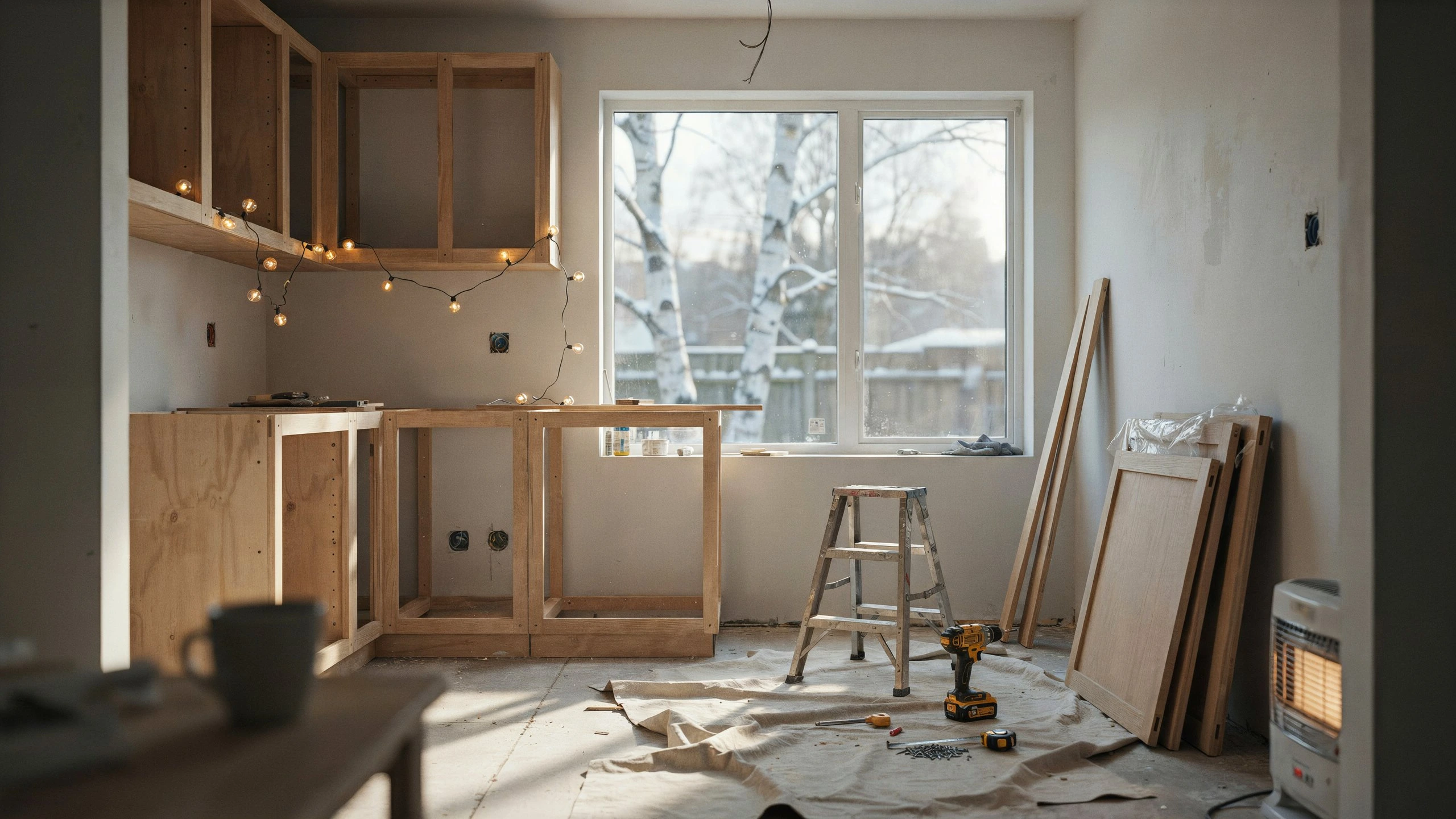
Winter has a reputation problem, which is exactly why it can work in your favor. Fewer people start projects, so contractors often have more open slots and you may get more of the project manager’s attention. Cabinets, flooring, painting, and full bathroom updates fit well here. In San Diego, a few rainy weeks can delay exterior tasks, so keep those separate from your indoor scope.
Season Comparison Table: Cost, Availability, Permits, and Weather Risk
| Season | Contractor demand | Permit pace (varies by city) | Weather risk |
| Spring | Rising fast | Often busier | Low |
| Summer | Highest | Steady | Low, with morning marine layer near the coast |
| Fall | Easing | Moderate | Low to moderate |
| Winter | Lowest | Often lighter | Moderate for exterior work |
Permit pace changes from one city to the next, so confirm current turnaround before you lock in dates.
Best Time of Year for Different Renovation Projects
The calendar matters less than the type of work. Here is how it breaks down.
Indoor Projects (Kitchen, Bathroom, Basement, Flooring, Painting)
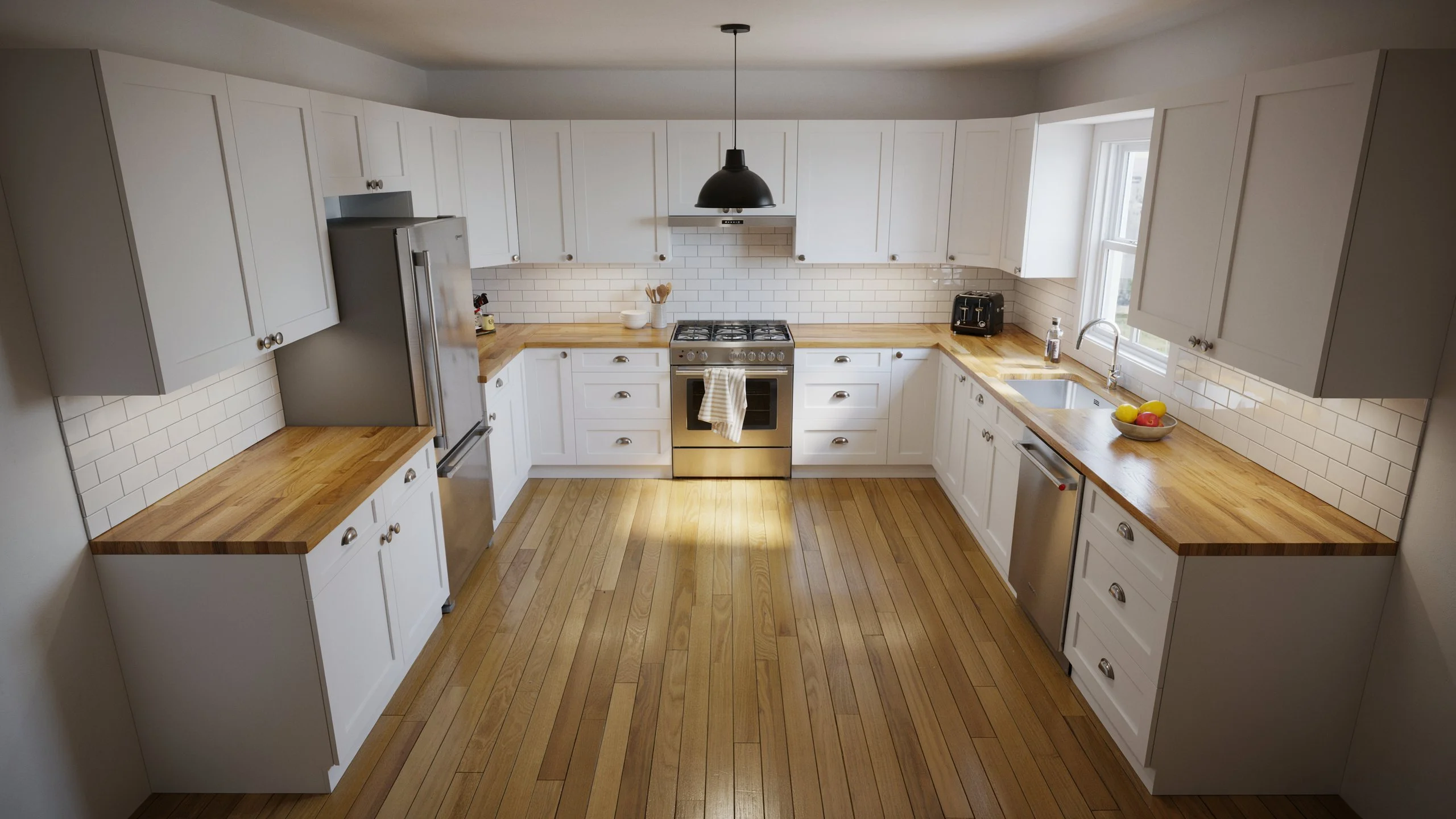
These projects ignore the weather, so the real question is when your household can handle the disruption. A kitchen means several weeks without a normal stove, which makes a summer trip or a mild fall attractive. Bathrooms often move well in winter. If you only have one bathroom, plan a backup option for showering before worrying about the season.
Exterior and Weather-Dependent Projects (Roofing, Windows, Landscaping, Pool)
Roofing, windows, landscaping, and pools need dry, stable conditions, so late spring through early fall is the safest window in most areas. Along the San Diego coast, the morning marine layer can slow how quickly exterior paint and sealants dry, so allow a little extra time in late spring and early summer.
Additions and Whole-Home Remodels
Additions involve foundations, grading, and framing, so early spring or early fall gives workable conditions without peak crowding. A whole-house project is a different animal because it moves through many trades and permits. If that is your plan, look at our San Diego Whole Home Remodeling page and start the conversation about six months before you want demolition to begin.
Book Early, Build Later: A Month-by-Month Booking vs Build Calendar
Here is the part most guides skip. At San Diego Home Remodeling, we suggest working backward from the date you want the space finished. The ideal time to book is usually one season before the ideal time to build, because design, permits, and material orders all happen before the first day of demolition.
| If you want to build in | Start booking and designing in |
| Spring (March to May) | November to January |
| Summer (June to August) | January to March |
| Fall (September to November) | May to July |
| Winter (December to February) | August to October |
Notice the pattern. Summer builds get booked during winter, when contractors have time for detailed walkthroughs. A fall build gets planned while everyone else is busy building, so be patient and ask for a firm schedule in writing.
How Permits, Material Lead Times, and Holidays Change Your Timing
Three things quietly decide your schedule. First, permits: turnaround varies by city and by season, so ask your contractor for current timelines instead of assuming. Second, materials: custom cabinets, windows, and specialty tile can take weeks to arrive, and a quiet season for labor means little if your order sits in a warehouse. Third, holidays: work that drifts into late November or December collides with hosting plans and crew vacations. Count backward from the date you need the space ready, then add a buffer.
Home Remodeling Timeline: When Should You Start Planning?
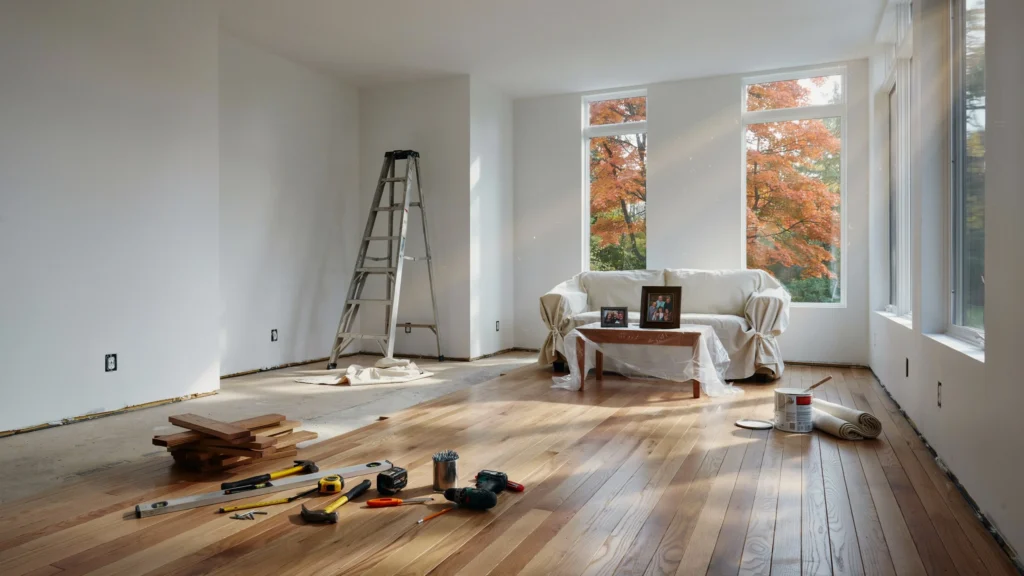
For a major remodel, reach out to contractors three to six months ahead so there is room for design, permits, and ordering. Single-room updates can sometimes move with a shorter runway, but that depends on scope and product lead times. The bigger the project, the earlier the first call should happen.
When to Renovate Based on Your Goals
If flexibility and attention matter most, aim for winter or early fall. If speed matters, fall and early spring tend to be easier on schedules. If you want less disruption, a summer start that overlaps with travel can help. If you are preparing to sell, work backward from your listing date and leave a cushion for inspections. If you are financing the work, line up approval before you book, since a delayed loan can cost you your slot.
How San Diego’s Climate and Location Change the Answer
San Diego’s mild temperatures give you a much wider building window than regions with hard winters. Rain is mostly a winter concern, and the marine layer along the coast can slow exterior curing in late spring. In fall, dry and dusty Santa Ana wind days can complicate open-wall work and exterior painting. Homes in some coastal areas and HOA communities may also face extra approval steps, so ask early. In a climate like this, contractor availability usually matters more than the weather itself.
Quick Fit Check: Which Season Matches Your Project?
Answer these five questions honestly.
- Is the project entirely indoors? Lean toward winter or fall.
- Do you need it finished for an event? Work backward and pick the earliest realistic season.
- Can you leave the house during construction? Summer becomes easier.
- Does it involve a foundation or roof? Choose spring or early fall.
- Do you want time to compare detailed bids? Start in the slow season before your build season.
Whichever answers repeat most often point to your best time to renovate.
Expert Tips for Choosing the Right Renovation Season
Order materials as soon as the design is final, not when the start date arrives. Build in two to three weeks of buffer for permits and delivery surprises. Ask each contractor for a written start window and an estimated finish window, and compare scope line by line instead of only comparing totals.
Common Mistakes to Avoid When Timing a Renovation
The most common mistake is calling a contractor the week you want work to begin, which usually means settling for whoever is free. Another is choosing a season based on labor and ignoring material lead times. A third is stacking exterior work into the rainy months and then wondering why the schedule slipped.
Final Thought
There is no single date that answers what is the best time of year for renovation for every household. Your project type, your budget, and how early you plan matter more than the month on the calendar. If you want help building a timeline that fits your goals, contact us and the team at San Diego Home Remodeling will help you plan the right start date.
FAQs
What is the best month to start a renovation?
September and October are often a good balance in many areas, since summer demand eases while the weather is still workable. The better answer is to pick the month that matches your project type and your booking date.
Should I avoid renovating during the holidays?
Not always, but it is worth planning around. Hosting, travel, and crew vacations can slow progress, so aim to finish disruptive work before late November or schedule it for January.
Is it cheaper to renovate in winter?
It can be, mostly because contractors may have more open slots and more flexibility. Prices still depend on scope, materials, and the contractor, so compare written bids instead of assuming a discount.
Can I remodel a kitchen in the middle of the home renovation season?
Yes, since kitchens are indoor projects. Summer works well if you travel, but expect busier schedules and book your contractor several months ahead.
What is the best time of year for renovation if I am adding square footage?
Early spring or early fall usually gives workable conditions for foundation and framing work without peak summer crowding. Start planning and permits several months before you want construction to begin.