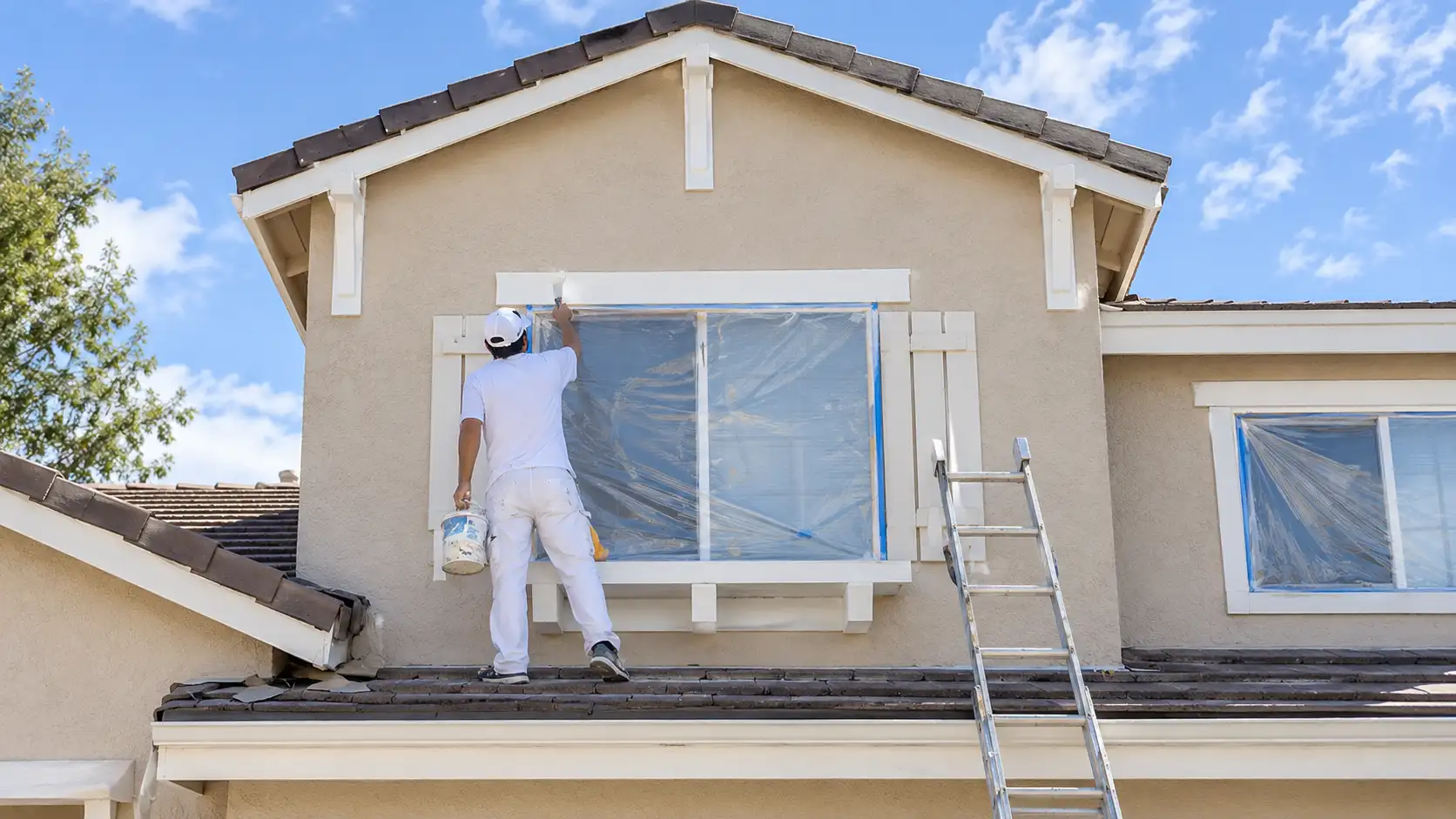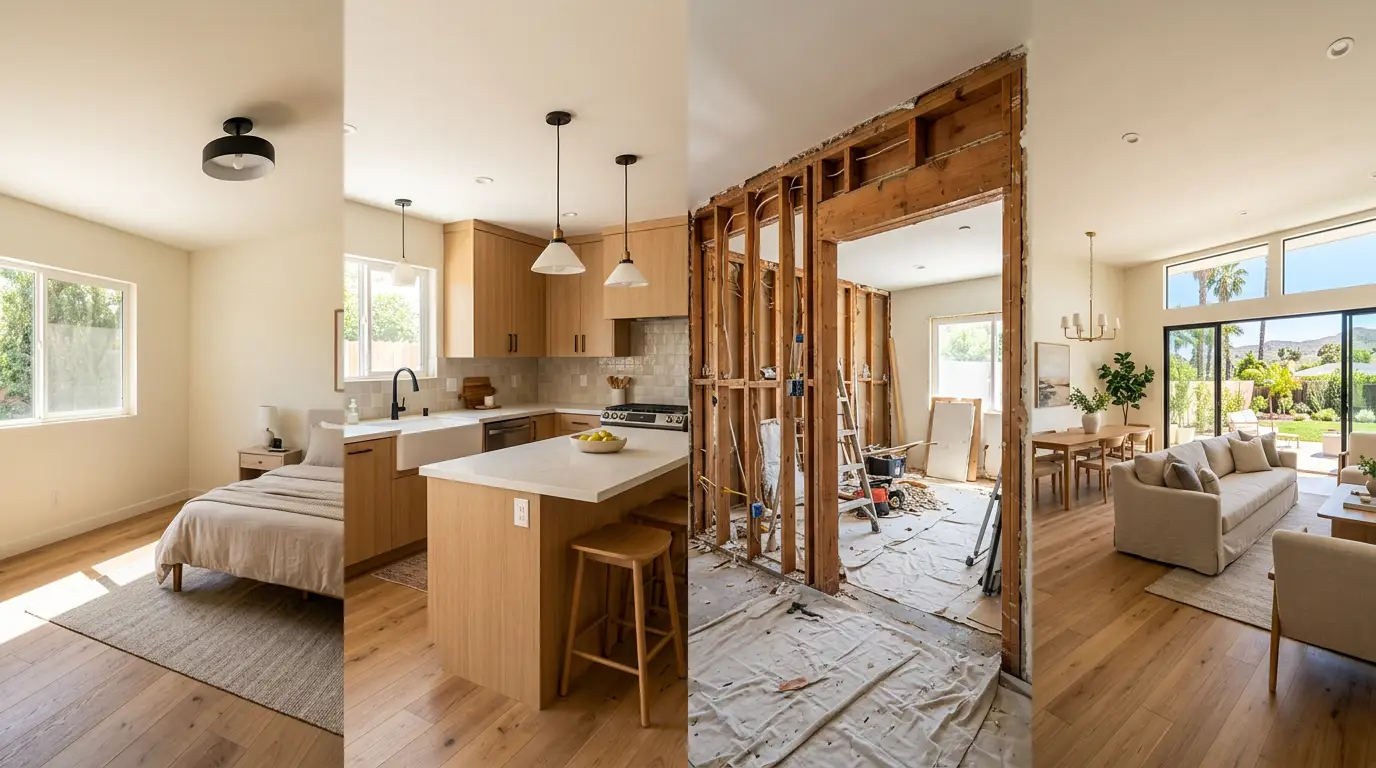

You are standing in your kitchen on a Tuesday morning, squeezing past the same cramped counter you have complained about for six years, and the thought finally lands: maybe we should just move. It is a fair thought. So, is it cheaper to remodel or buy new? For most homeowners, staying put costs less, as long as the work stays away from major structural surgery.
Quick answer: Renovating usually wins when your changes are targeted, because buying a different house means paying roughly a tenth of its value in transaction costs, and often trading an older low mortgage rate for a much higher one. Buying wins when the house itself is the problem, such as hidden damage, a floor plan that cannot be fixed, or a neighborhood that no longer fits your life.
At San Diego Home Remodeling, we see both outcomes, so this guide shows you how to run the numbers on your own home.
The Short Answer: It Depends on Three Things
Every remodel vs buy a house decision comes down to the same three questions.
How big is the job? Painting, flooring, and a modest kitchen refresh sit at the cheap end. Moving walls, adding square footage, or rebuilding plumbing and electrical sit at the expensive end, where a project can approach the cost of a different house.
What is your mortgage rate? If your current loan is well below today’s market, leaving it behind is a real financial penalty. Many people overlook this because it never shows up on a listing sheet.
What shape is the house in? A solid house with a layout you dislike is a very different case from a house with termite damage and outdated wiring. The first is a design problem. The second is a money pit.
Keep those three in mind, because every section below comes back to them.
What Buying a New Home Really Costs
The listing price is only the opening bid. Once you add everything around it, the real number grows quickly.
Costs people forget
The hidden costs of moving start on the selling side. Agent commissions are commonly quoted at 5 to 6 percent, though they are negotiable. Closing costs on a purchase often land between 2 and 5 percent. Add inspections, appraisal fees, movers, storage, and the occasional month where you pay two housing bills at once. Together, a rough planning figure is about 10 percent of the home’s price before you have changed a single light fixture.
On a million-dollar home, that is around $100,000 spent just to change addresses. It buys you no new kitchen, no extra bedroom, and no better flooring. It is pure friction.
Repairs in a “new to you” home
A house that looks perfect at a showing can still need a roof, a water heater, or an electrical panel within a few years. Even true new construction is not always free of surprises, since builders can leave punch list items and landscaping unfinished. Budget a repair cushion for the first year, because almost nobody buys a home and then changes nothing.
What Remodeling Really Costs
The cost to remodel a house stretches across a huge range. Commonly cited ballparks run from about $1,000 for simple cosmetic work to roughly $45,000 for a solid kitchen or bath refresh. Major remodels, additions, and full gut jobs can run from about $150,000 to $400,000 or more. These are broad planning ranges, not quotes, and San Diego labor and material prices can push you toward the upper end.
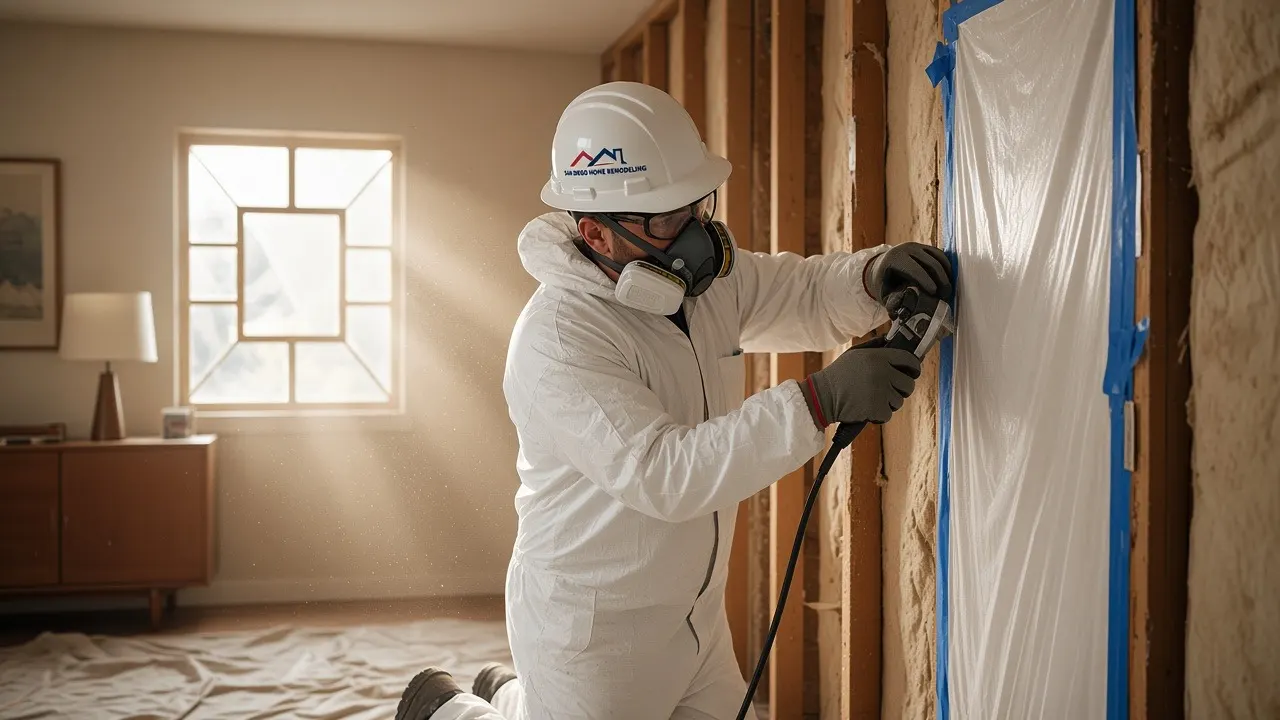
At San Diego Home Remodeling, the surprise that comes up most often is not the line items on the estimate. It is what happens behind the walls. Old galvanized pipes, outdated wiring, and moisture damage are not visible until demolition starts, so a smart budget includes a contingency of 10 to 20 percent.
Other costs people forget:
- Permit and inspection fees, plus design or engineering fees on larger jobs
- Eating out for weeks if your kitchen is gone
- Temporary housing if the work touches your only bathroom or kitchen for a long stretch
If you are weighing a project on the larger side, our San Diego Whole Home Remodeling service is built around exactly this comparison, with a single plan covering everything you want changed.
Side-by-Side Example with Real Numbers
Here is a simple illustration. It is a hypothetical, not a quote, so please swap in your own figures.
Imagine a family in a $1,000,000 home that feels too small, with an outdated kitchen. They have a $600,000 mortgage at a rate of 3.5 percent.
| Remodel in place | Sell and buy larger | |
| Upfront project or transaction cost | $150,000 to $250,000 for a kitchen update and added room | About $100,000 to $130,000 in agent, closing and moving costs |
| Price difference for a bigger home | None | Often several hundred thousand dollars |
| Mortgage impact | Existing 3.5% loan stays | New loan at current market rates |
| Disruption | Months of construction at home | Packing, showings, two moves |
The remodel number looks big until you notice that the move has a hidden price tag too, and that price tag does not include the upgrade you wanted in the first place. In this scenario, staying wins easily. The picture changes if the house needs far more than a kitchen and a room.
Your Mortgage Rate Might Decide Everything
This is where many comparisons quietly break. Using the same $600,000 loan amount for simplicity, a 30-year payment at 3.5 percent is about $2,700 a month. At a rate near 6.7 percent, which is around where current averages have been sitting, that same loan costs roughly $3,870. That is more than $1,100 extra every month, or well over $13,000 a year, for the privilege of owning a house of similar value.
Run that over even five years, and you have spent more than $65,000 on the rate difference alone. That money could fund a serious kitchen and bath renovation. Rates move, so check current numbers with a lender, but the principle holds. When you renovate or move, the cheapest dollar you own may be the one stuck in your old mortgage. If you have to borrow for the remodel, compare options such as a home equity line, a renovation loan or cash. Borrowing against a home with a low first mortgage usually leaves the cheap loan untouched.
The San Diego Factor: Property Tax and Space Limits
California adds two local twists that make the decision different from most of the country.
Property tax. Under Proposition 13, a home is generally reassessed at its purchase price when ownership changes, and then assessed value can rise by no more than 2 percent a year. Property tax is roughly 1 percent of assessed value plus local charges. If you have owned your home for a long time, your assessed value is probably far below market, so buying a similar home could raise your annual tax bill by thousands of dollars. Some older or disabled homeowners may be able to carry their tax base to a new home under Proposition 19, so check with the county assessor. Remodeling does not reset your whole assessment. When you add new square footage, the new portion is generally assessed at its own value, but the rest of the home keeps its base.
Space limits. San Diego lots are often tight, and building up or out can be limited. That is why many homeowners look at an accessory dwelling unit or a garage conversion. California has made these projects easier in recent years, and they can add living space or rental income without a move.
When Remodeling Is the Smarter Move
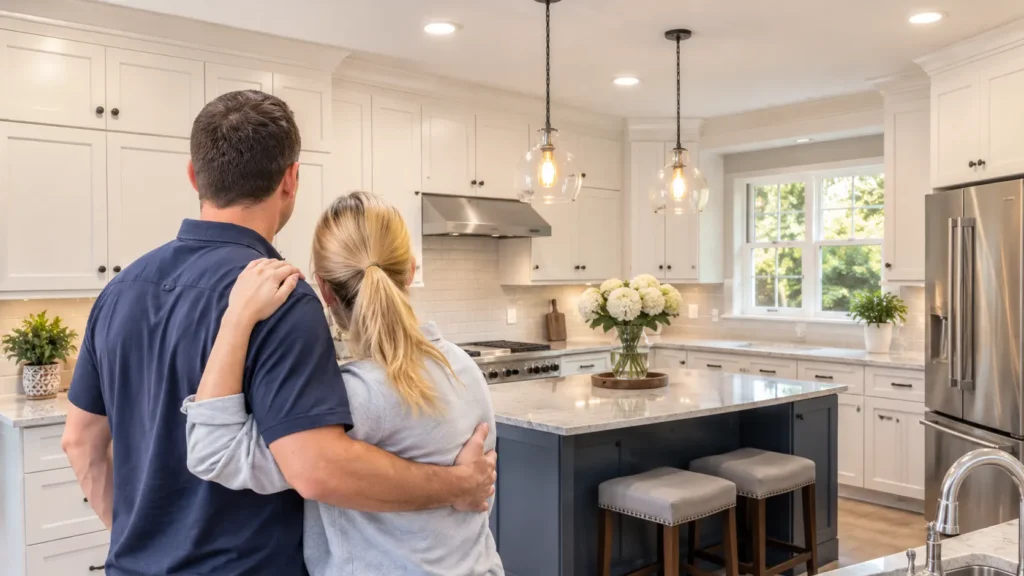
Staying and renovating makes sense when most of these are true:
- The structure, roof, and foundation are sound
- You like the location, schools, and neighbors
- The changes involve one to three rooms rather than the whole house
- Your mortgage rate is well below the current market
- You can live through a few months of construction
If you ticked at least four of those boxes, a renovation is very likely the cheaper path.
When Buying New Makes More Sense
Moving can be the better value in a few clear situations. The first is serious hidden problems. If an older home has dry rot, termite damage, outdated wiring, or failing plumbing, the repairs can easily double what you expected to spend. The second is a layout or lot you simply cannot fix. No renovation can move your house closer to work, give you a bigger yard, or change a floor plan that fights your daily routine.
Third, newer homes follow modern building codes and tend to have better insulation and more efficient systems, which can lower utility and maintenance costs over time. And if your plan involves a full gut or a major addition, the cost can rival buying a different property outright.
Return on Investment: Which Upgrades Pay You Back
Not every upgrade returns what you put in. Kitchen and bathroom refreshes, exterior door and siding improvements, and fresh flooring tend to be the types of projects that buyers notice. Highly personal choices, like an unusual layout or a very expensive niche feature, often return less at resale.
Annual industry cost versus value reports publish current percentages for specific projects, and they change each year. Look up the latest edition before relying on any number, rather than trusting a figure that someone quoted years ago. If resale matters to you, ask your contractor which upgrades are most appreciated in your neighborhood.
Time, Stress and Lifestyle Costs
Money is only half the equation. A renovation can drag on, and living with dust and noise wears people down. A move has its own strain, with showings, packing, school changes, and the stress of timing a sale and a purchase.
In many cases, a well-planned remodel is shorter than the full cycle of preparing a home to sell, finding another one, and moving. The key phrase is well-planned. Clear scope, firm scheduling, and an honest contingency plan do more to protect your sanity than any design decision.
A Simple 5-Question Test to Decide
Answer these honestly:
- Do you love the neighborhood? If yes, lean toward renovating.
- Is the structure sound? If an inspector finds major problems, lean toward moving.
- Is your mortgage rate far below the market? If yes, lean toward renovating.
- Can your layout be fixed with changes to one to three rooms? If yes, renovate. If you hate the whole floor plan, move.
- Does the total remodel quote come close to your estimated cost of moving? If it exceeds it, buying deserves a serious look.
Three or more answers pointing to staying means you probably have your answer.
Conclusion
Staying and renovating is usually the cheaper answer to the question of whether to remodel or buy new, especially when your home is structurally sound and your mortgage rate is low. Buying makes sense when the house has deep problems or simply cannot grow with you. The best decision comes from putting real quotes next to real moving costs, not from a gut feeling.
If you want help comparing the two for your own property, contact us at San Diego Home Remodeling for a clear scope and an honest estimate.
FAQs
Is it cheaper to remodel or buy a new house?
In most cases, remodeling is cheaper when the project is targeted, because you avoid agent fees, closing costs, and a higher mortgage rate. Buying can be cheaper when your current home needs major structural repairs or a complete overhaul.
How much does a whole-house remodel cost compared to moving?
Major remodels typically cost $150,000 to $400,000 or more, depending on scope. Moving usually adds about 10 percent of the home’s price in fees on top of the purchase, so compare both totals using local quotes.
Is a fixer-upper cheaper than remodeling my current home?
Not always. Fixer-uppers often hide damage, and you still pay transaction costs and likely a higher interest rate before starting any work.
Does remodeling increase property taxes in California?
Generally, only the newly added portion is reassessed, such as a new room or addition. Cosmetic updates and routine maintenance usually do not trigger a full reassessment, but confirm details with your county assessor.
How long does a remodel take compared to buying a home?
A typical room or two can take a few weeks to a few months, while larger projects take longer. Buying means searching, negotiating, closing, and moving, and selling your current home adds more time.