You are standing in the living room, looking at scuffed walls, a faded patch near the window, and a color you picked years ago. Someone mentions “residential painting,” and you wonder what is residential painting, exactly, and how it differs from grabbing a roller on a Saturday.
Quick answer: Residential painting is the work of preparing, repairing, and coating the inside and outside surfaces of homes, townhomes, and condos. The goal is a finish that looks good and holds up against daily wear, moisture, and sun. A trained crew can do it, or you can do it yourself.
This guide from San Diego Home Remodeling covers what the work includes, how a job runs, and what to check before you spend a dollar.
Residential Painting in Simple Words
Think of it as house painting with a bigger job description. It covers single-family homes, townhomes, condos, and apartments. The painter is not just adding color. They clean, repair, seal, and then coat surfaces so the paint actually sticks and lasts.
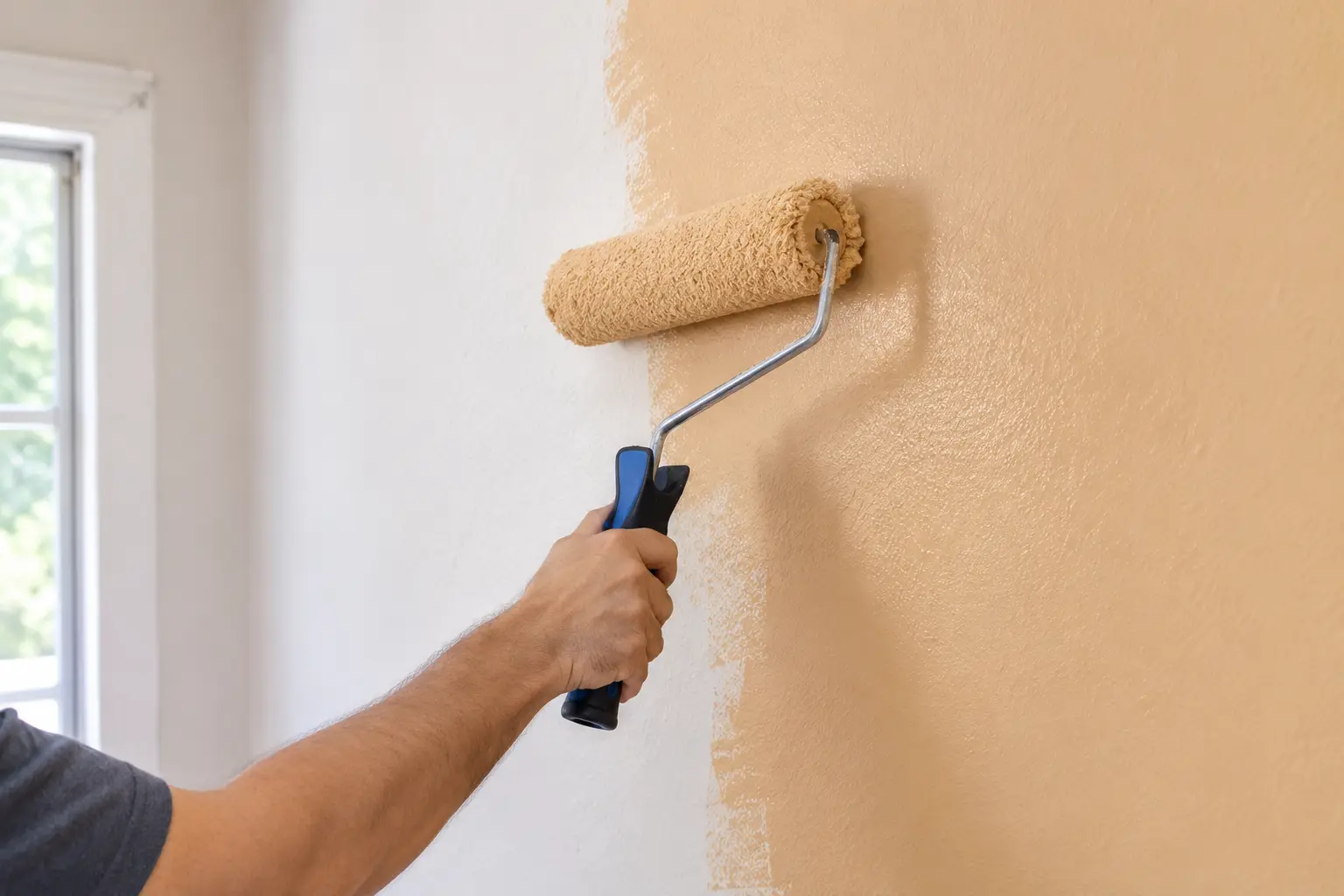
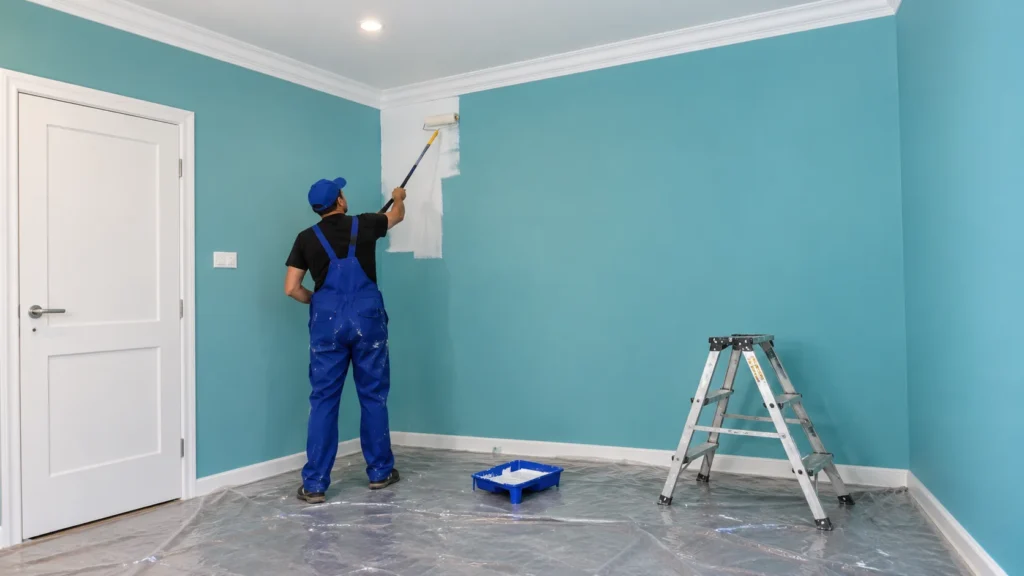
So, what is residential painting in practice? Picture a crew arriving at a two-bedroom condo. They cover the floors, fill nail holes, sand rough spots, tape the trim, prime the stained areas, and only then start rolling color onto the walls. The painting is the visible part, but the steps before it do most of the work.
It also helps to know what it is not. Painting a brand new building before anyone has lived in it is usually called new construction work. Painting an office tower or a warehouse falls under commercial work. Those jobs run on different schedules, with different products and bigger crews.
What Residential Painting Usually Includes
Most people picture walls, but a typical project reaches further. Depending on the scope, it can include:
- Walls and ceilings
- Baseboards, crown molding, window trim, and door frames
- Interior doors, closet doors, and the front door
- Kitchen and bathroom cabinets
- Stair railings and built-in shelving
- Exterior siding, stucco, eaves, and fascia boards
- Fences, decks, railings, and patio covers
Here is the practical takeaway: two quotes can look far apart simply because one includes the trim and ceilings and the other does not. Before you compare prices, ask each painter to list every surface in writing. A quote that says “paint the house” and nothing else leaves too much room for surprises.
Interior Painting vs Exterior Painting
Both are part of residential painting, but they behave very differently. Interior work is about comfort and appearance in the rooms you live in. Exterior work is about protecting the shell of the house from the outdoors.
Interior painting
Interior painting happens around your furniture, your family, and your daily routine. Good crews move and cover furniture, protect floors, and keep dust under control. Low-odor products are common, which matters if you have kids, pets, or a home office. Kitchens and bathrooms need paint that handles steam and splashes, while bedrooms and hallways can use softer, more forgiving finishes.
Exterior painting
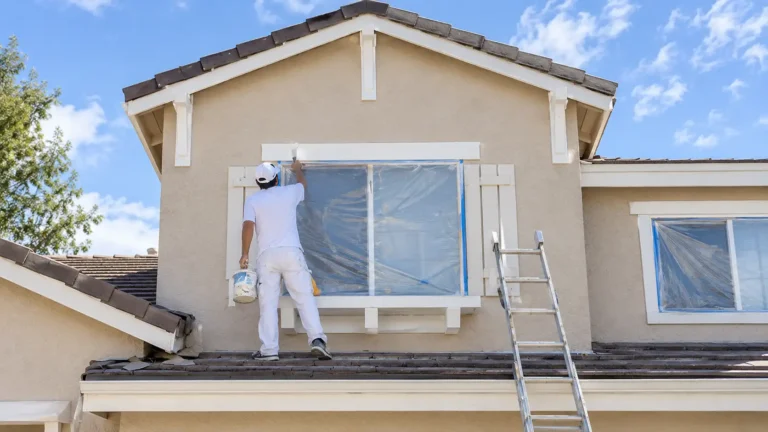
Exterior painting deals with sun, wind, moisture, and temperature swings. The surface matters a lot here. Wood siding, stucco, fiber cement, and metal railings each need a different primer and coating. The crew also watches the weather, because paint applied to a damp wall or in strong midday sun can dry badly and fail early. If you want to see how exterior work fits into a larger refresh, our San Diego House Painting Services page explains how projects are scoped.
Residential vs Commercial Painting
The two can look alike from a distance, yet the day-to-day work is quite different. Here is a simple side-by-side comparison.
| Residential | Commercial | |
| Typical spaces | Houses, condos, apartments | Offices, warehouses, retail spaces |
| Crew size | Small, often one to four painters | Larger teams with heavy equipment |
| Coatings | Decorative, low-odor interior paints and standard exterior coatings | Tougher industrial coatings, sometimes antimicrobial or fire-resistant |
| Schedule | Daytime, arranged around the household | Strict deadlines, often nights or weekends |
For a homeowner, the biggest difference is how personal the job feels. A residential crew works inside the place you sleep and eat, so communication, cleanliness, and tidy daily wrap-ups matter as much as the paint itself. In the residential vs commercial painting comparison, that human side is usually what separates a smooth project from a stressful one.
Why Residential Painting Matters Beyond Looks
A fresh color changes how a room feels, but paint also acts like a thin shield. On the outside, it slows down moisture, sun damage, and wear on siding and trim. Inside, it protects drywall and wood from scuffs, stains, and humidity in bathrooms and kitchens.
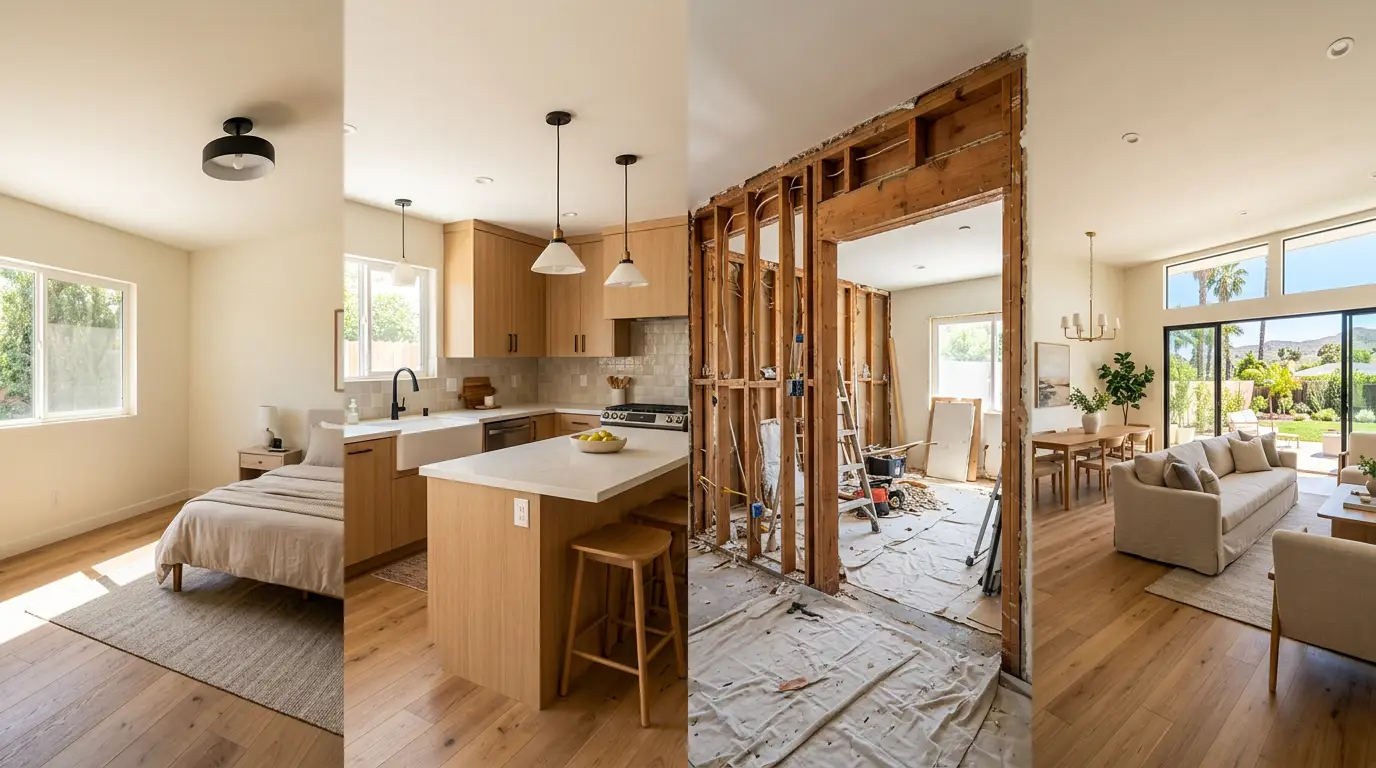
It also matters at key moments. Many homeowners repaint before listing a home, after moving in, or once a remodel wraps up. At San Diego Home Remodeling, painting is often the finishing step that ties new cabinets, flooring, or a new layout together so the whole space feels intentional.
One honest note: paint improves appearance and gives protection, but it does not fix structural problems. If a wall is bubbling because of a leak, the leak has to be repaired first. Painting over it only hides the problem for a few months.
How a Professional Residential Painting Job Works
Most well-run projects follow the same rhythm.
- Walkthrough and consultation. The painter looks at the surfaces, notes damage, and asks what you want.
- Color and finish choices. You pick colors and sheens, ideally after testing samples.
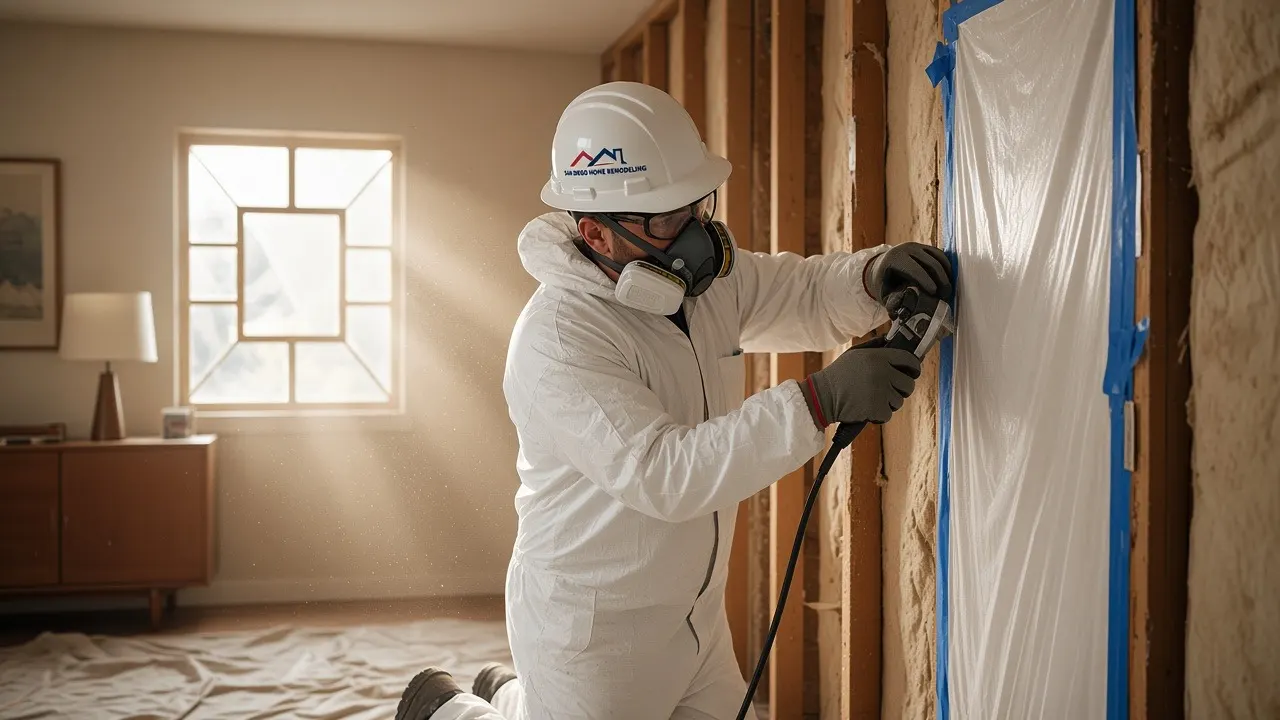
- Paint preparation. Cleaning, scraping, patching, sanding, caulking, and priming.
- Protection and masking. Floors, fixtures, and trim edges get covered.
- Painting. Usually a primer where needed, then two coats of finish.
- Final walkthrough. You check the work, and the crew touches up anything you spot.
Why prep takes longer than painting
It surprises many people, but paint preparation often takes more time than the painting itself. Paint sticks to clean, sound, slightly roughened surfaces. If grease, dust, loose flakes, or gloss are left in place, the new coat can peel, bubble, or show every flaw. A crew that rushes the prep may finish fast, but you will likely see the difference within a year or two.
Paints, Finishes, and Colors Homeowners Should Know
Sheen is how shiny the paint looks once it dries, and it changes both style and durability.
- Flat or matte: Hides wall flaws well. Good for ceilings and low-traffic rooms, though it marks more easily.
- Eggshell: A soft glow that suits most bedrooms and living rooms.
- Satin: Easier to wipe clean. Handy for hallways, kids’ rooms, and family spaces.
- Semi-gloss: Tough and washable. Common on trim, doors, and cabinets.
You will also see “low VOC” on labels. In everyday terms, it means the paint releases fewer fumes while it dries, so the smell is milder and rooms are usable sooner. Ventilation still helps.
For color, look at it in your own light. A shade that looks warm in a store can turn cool near a north-facing window. Paint a large sample on the wall, then check it in the morning, at midday, and at night. Undertones matter too, since a gray can lean blue, green, or purple once it covers a whole wall.
What Affects the Cost of Residential Painting
The cost of residential painting depends on several moving parts, not just square footage. The main ones are:
- Size of the area and ceiling height
- Condition of the walls, such as cracks, holes, or old peeling paint
- Amount of paint preparation required
- Number of coats and the quality of the paint
- Number of colors and how much trim or detail work there is
- Access, especially for tall exteriors, steep lots, or second stories
This is why a flat price per room can mislead. A tidy bedroom with smooth walls and one color costs less to do properly than a room with damaged plaster and heavy trim. The lowest quote also deserves a second look. If it skips priming, uses thin paint, or leaves out prep, you may pay again for the same job sooner than expected. If you want a clear scope and written estimate, you can start with our San Diego House Painting Services.
Painting a Home in San Diego: Local Things to Consider
Local conditions change how paint behaves, and this is where general guides often fall short.
- Strong sun. Long hours of UV exposure can fade colors and dry out coatings on south- and west-facing walls. Dark colors fade faster than light ones.
- Salt air and coastal moisture. Homes near the water deal with salt and damp air, which can wear down trim, railings, and metal parts. Rust and peeling often show up first at the edges.
- Stucco. Common in the area, stucco needs the right primer and careful crack repair before painting, since small cracks let water in.
- HOA rules. Many communities limit exterior colors or require approval. Check this before you buy paint.
- Older homes. Homes built before 1978 may contain lead-based paint, so ask any painter how they handle it safely.
How to Choose the Right Painter
A good painter makes the process feel predictable. Look for these basics:
- A written, itemized estimate listing every surface
- A clear description of the prep steps
- Proof of insurance
- A contractor license, which you can check on the state licensing board’s website
- Written warranty terms
- References or photos of similar work
- A realistic start date and timeline
Watch out for vague quotes, no mention of prep, pressure to decide on the spot, or a request to pay the full amount upfront. A professional will welcome your questions and answer them plainly.
Common Mistakes to Avoid
- Skipping primer on stains, bare patches, or dramatic color changes.
- Painting over damp or peeling areas instead of fixing the cause first.
- Choosing a color from a screen. Always test a sample on the wall.
- Buying too little paint. Running short mid-wall can lead to slight color differences.
- Painting in poor weather. Rain, heavy humidity, or extreme heat can ruin an exterior finish.
- Treating the cheapest bid as the best deal without comparing what each one actually covers.
Final Thoughts
Residential painting is more than picking a color. It is a mix of preparation, repair, protection, and finish that keeps a home comfortable and well-kept. When you understand the steps, the surfaces, and the factors behind the price, comparing quotes becomes much easier. San Diego Home Remodeling is here to help you plan it the right way. Contact us to talk through your project, and tell us three things: whether you are painting inside or outside, roughly how big the space is, and whether you plan to hire a pro or do it yourself.
FAQs
What is the difference between residential and commercial painting?
Residential painting covers homes, condos, and apartments, usually with small crews and flexible daytime schedules. Commercial painting covers places like offices and warehouses, often with larger teams, tougher coatings, and tight deadlines that may require night or weekend work.
Does residential painting include interior and exterior work?
Yes, it can include both. Interior painting covers walls, ceilings, trim, and doors, while exterior painting covers siding, stucco, trim, decks, and fences. Many homeowners schedule them separately.
How long does a typical residential painting project take?
It depends on the size of the home and how much paint preparation is needed. A single room can take a day or two, while a full interior or exterior may take several days to a couple of weeks, with weather affecting outdoor work.
Do I need to move furniture before painters arrive?
Usually, you only need to clear small items, décor, and anything fragile. Most crews move and cover larger furniture themselves, but it is smart to confirm this when you get the estimate.
How often should a home be repainted?
There is no single schedule, because it depends on the surface, the paint, and the exposure. Sun and coastal air can age exteriors sooner, while well-kept interiors may go many years between repaints. Fading, peeling, and chalky surfaces are good signs it is time.