
A homeowner tells a contractor, “I want to remodel my kitchen.” Both people nod. Then one pictures fresh paint and new cabinet pulls, while the other pictures moving a wall and rerouting plumbing. That gap in understanding is where budgets quietly fall apart. So, what are the four types of remodeling?
Quick answer: they are sorted by how deep the work goes. A cosmetic remodel only changes surfaces. Pull-and-replace remodeling swaps old fixtures and materials for new ones in the same spots. Structural remodeling changes walls, framing, or the floor plan itself. Whole-home remodeling pulls several of those together across many rooms, or the entire house. Each step up brings more planning, more permits, and more time.
This guide from San Diego Home Remodeling walks through the types of home remodeling one by one, so you can match your goals to the right scope before you ask for a single quote.
Remodeling vs. Renovation: A Quick Clarification
People use these words as if they mean the same thing, and in casual talk they often do. In construction terms, though, there is a useful split. A renovation refreshes what is already there. A remodel changes how a space works, looks, or flows. Painting a bedroom is a renovation. Turning that bedroom and the hallway beside it into a primary suite is a remodel.
This matters because the label you use shapes the quote you get. Say “remodel” when you mean “refresh,” and you may receive a plan far bigger than you wanted.
Type 1: Cosmetic Remodeling
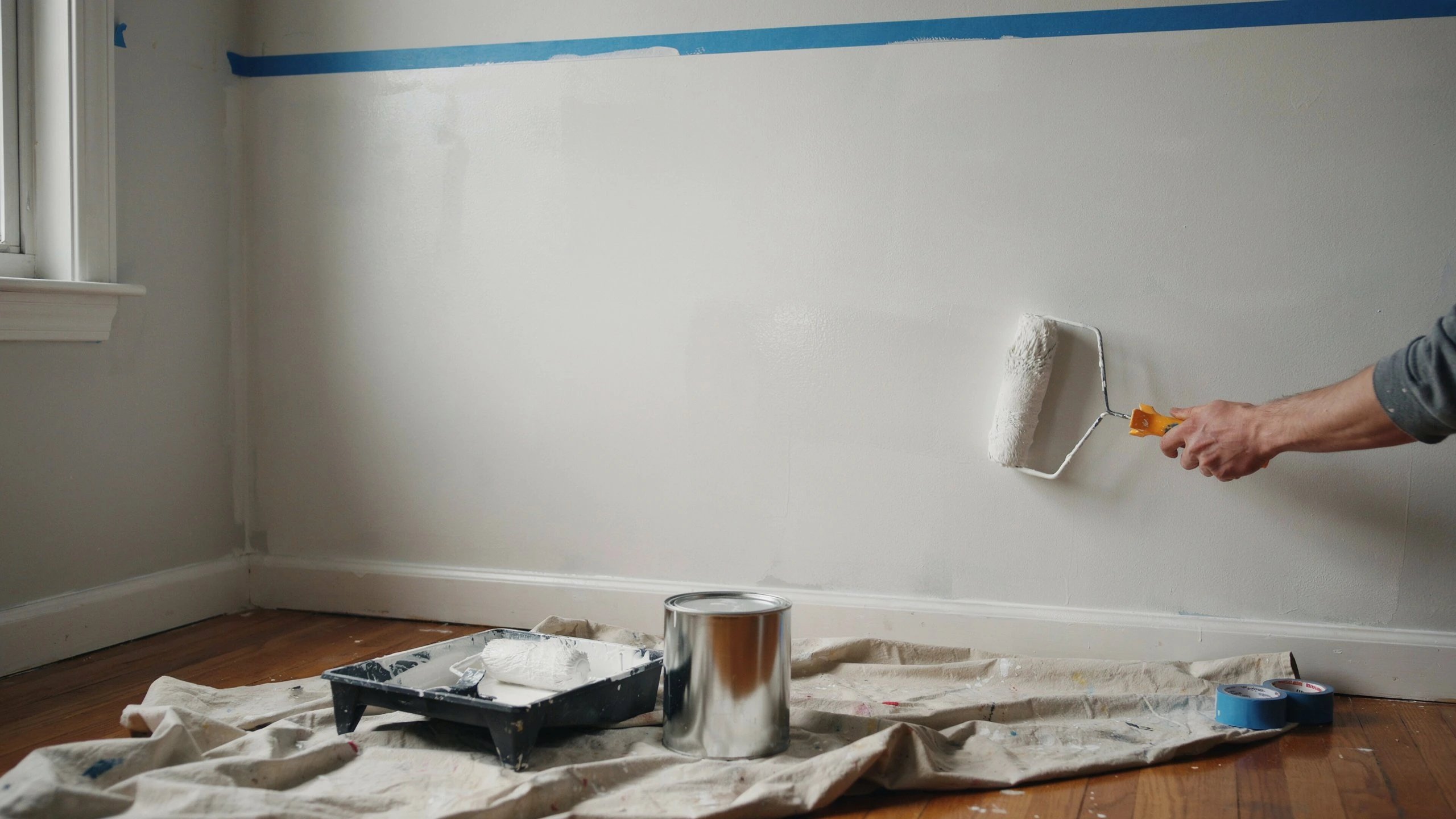
A cosmetic remodel is the lightest type of work. You are changing what you see and touch, not what holds the house together. Think fresh paint, new flooring, updated light fixtures, new cabinet hardware, a swapped faucet, or a new backsplash over a clean wall.
It suits homeowners who like their layout and just want the place to feel current. It also works well before a sale, or when the budget is tight, and you want the biggest visual change for the least disruption. Most cosmetic projects move quickly, often from a few days to a few weeks depending on how many rooms are involved. Permits are usually minimal or not needed, though anything that touches electrical wiring, like moving a light fixture to a new location, can change that.
Here is the honest drawback. A cosmetic remodel does not fix a kitchen that is cramped or a bathroom that wastes space. It also will not solve hidden problems. New flooring laid over a damp subfloor just hides the issue for a while. Before you commit, spend ten minutes looking for soft spots, stains, and old water marks. If you find any, the project may belong in a deeper category.
Type 2: Pull-and-Replace Remodeling
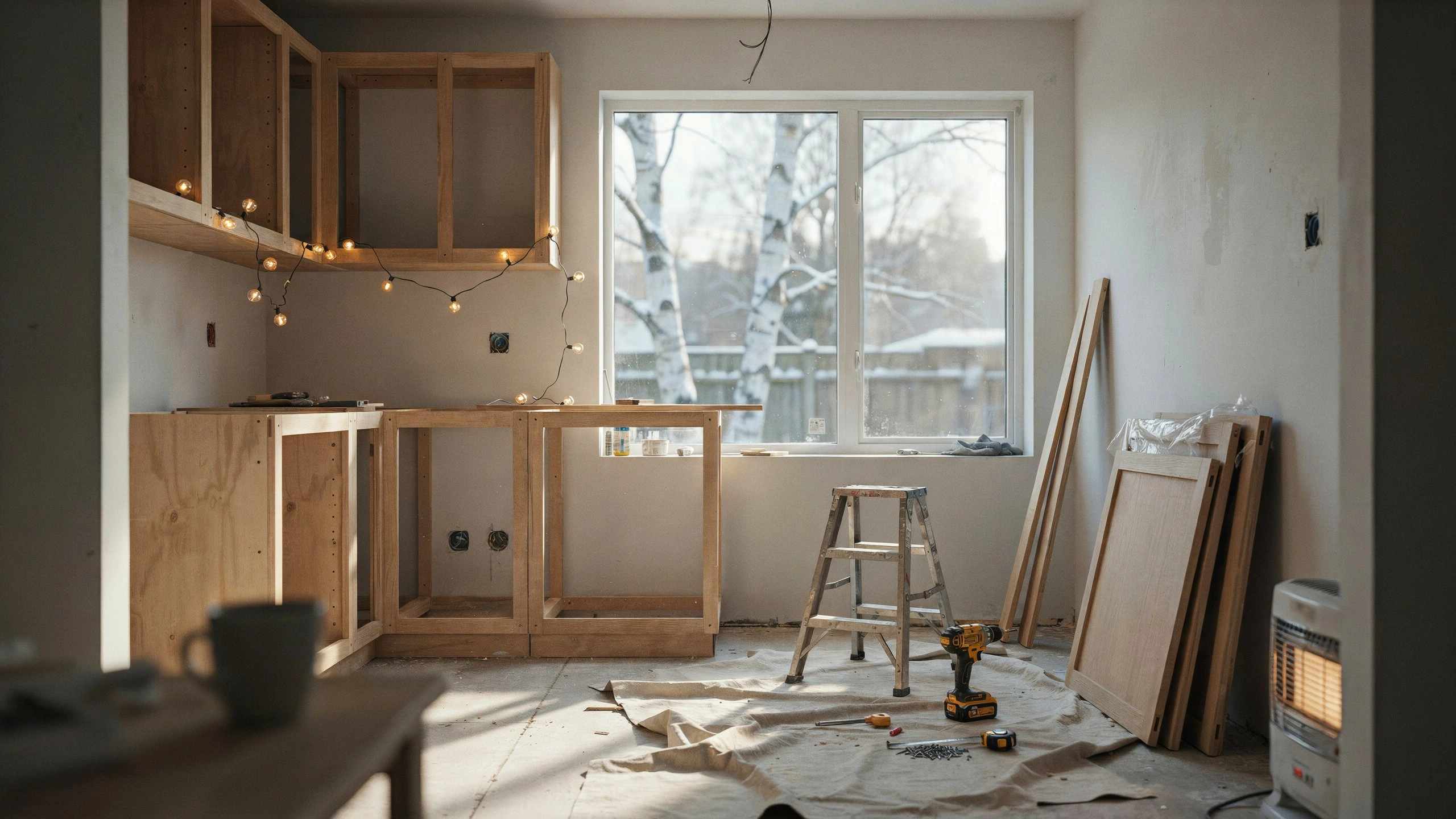
San Diego Home Remodeling hears about this type most often, because it is what many homeowners picture when they say “kitchen remodel” or “bathroom remodel.” You remove the old cabinets, tub, vanity or flooring, then install new ones in the same footprint. The walls stay where they are. The plumbing and electrical lines mostly stay where they are too.
That “same footprint” idea is the whole point. Keeping the layout fixed holds down cost and keeps the schedule predictable. The tradeoff is simple: you get brand new materials, but not a brand new floor plan.
Kitchen and Bathroom Projects
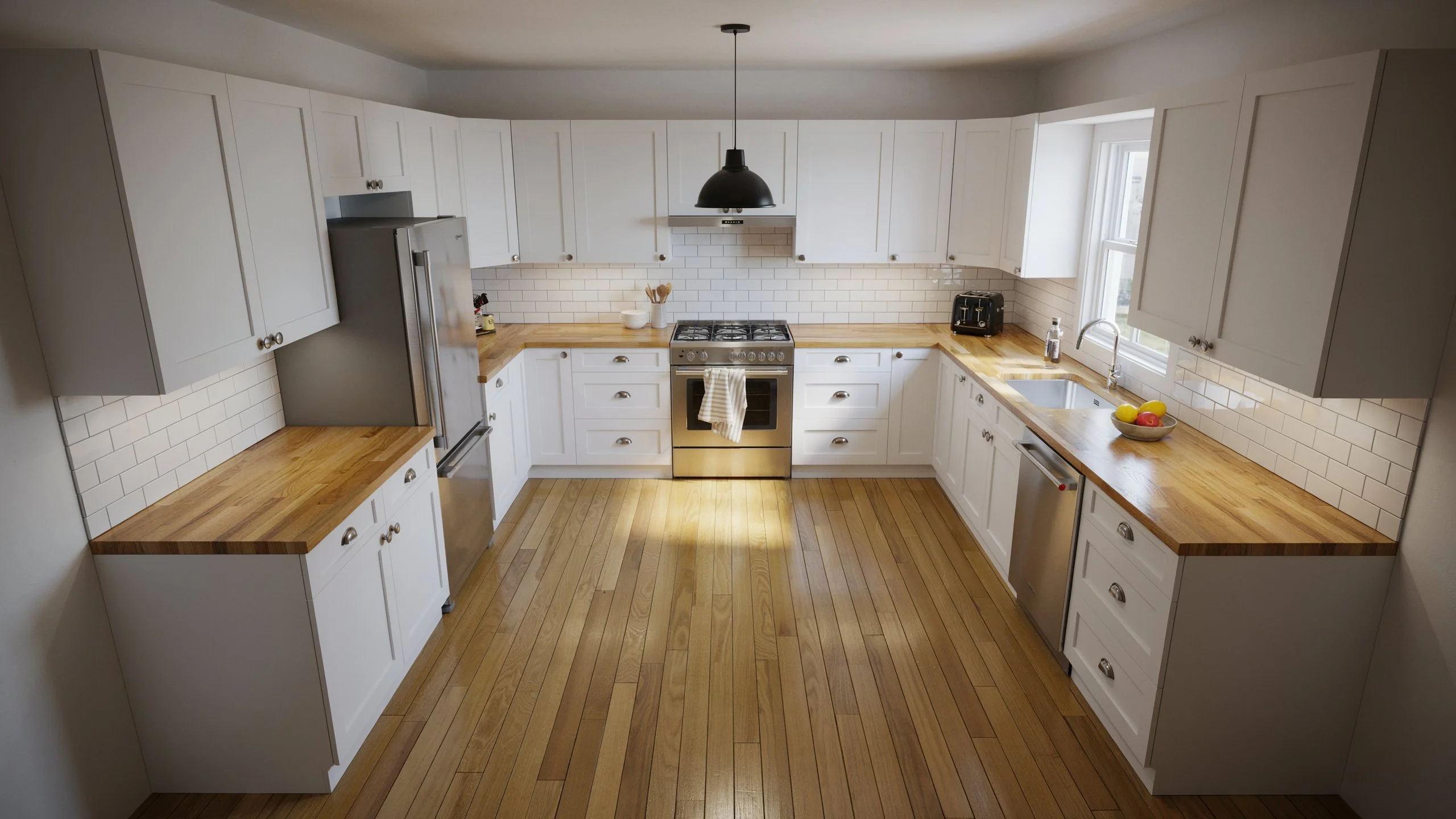
Kitchens and bathrooms are where this type shows up the most. A typical kitchen pull-and-replace means new cabinets, countertops, sink, and appliances in the existing layout. A bathroom version might swap a worn tub for a walk-in shower, or replace tile, vanity, and fixtures without moving the toilet or drain.
Plumbing and electrical work is where permits start to matter. Replacing a fixture in the same spot is often simple. Adding a circuit, relocating a drain, or upgrading a panel usually needs a permit and an inspection. If a bathroom is your focus, our page on Bathroom Remodeling in San Diego explains how these projects are usually scoped.
A small edge case worth knowing: if the existing layout is the thing you dislike, pull-and-replace will disappoint you. Beautiful new cabinets in a badly planned kitchen are still a badly planned kitchen.
Type 3: Structural Remodeling
Structural remodeling changes the bones of the house. That means removing or moving walls that carry weight, changing framing, altering the foundation, or reshaping the floor plan. Opening a kitchen to the living room is the classic example. Raising a ceiling or adding a beam also lands here.
This is also the category where a home addition belongs. When you add square footage, whether that is a bump-out, a second story, a converted garage, or an accessory dwelling unit, you are changing the structure and the footprint at the same time. A garage conversion may look like a simple interior job, but it often involves new insulation, electrical, ventilation, and sometimes a new foundation detail at the old door opening.
Structural work is the most paperwork-heavy of all the types of home remodeling. Expect engineered plans, permits, zoning review, and multiple inspections. In San Diego, rules can differ depending on your lot, your neighborhood, and the type of space you are creating, so check with the City of San Diego Development Services Department or your local jurisdiction early. Timelines stretch from weeks of planning to several months of construction.
One practical tip: never remove a wall because it “looks like” it is not holding anything up. Let a qualified professional or engineer confirm it first.
Type 4: Whole-Home Remodeling

A whole-home remodel coordinates work across multiple rooms or the entire house. It often blends all three earlier types at once: cosmetic finishes, pull-and-replace upgrades, and some structural changes, plus system work like electrical, plumbing, and HVAC.
The real challenge here is sequencing, not any single task. Demolition, framing, rough plumbing and electrical, inspections, drywall, finishes, and fixtures all have to happen in the right order. If one trade runs late, the others wait. This is why a San Diego Whole Home Remodeling project benefits from one coordinated plan instead of separate jobs stitched together.
Living arrangements deserve honest thought. Dust, noise, shut-off water, and limited kitchen access are normal. Some families stay put in a partly finished home, while others move out for the loudest phases. Timelines depend on size and scope, and they often run into many months. Permits and inspections come in stages, and each one can affect the schedule.
Planning for Hidden Surprises
Older San Diego homes can hide problems behind walls. Outdated wiring, aging galvanized or mixed-material pipes, past termite damage, and moisture from leaks or stucco issues are all possible. Marine air can add to moisture and corrosion concerns around exterior walls, windows, and bathrooms.
You cannot know what is behind drywall until it is open, so a smart whole-home remodel budget includes a contingency for the unexpected. Ask early how discoveries will be handled, who approves extra work, and how changes get documented. A clear answer to that question tells you a lot about how a project will run.
Quick Comparison of the Four Types
If you came here asking what are the four types of remodeling and want the short version side by side, this table helps. It uses general levels instead of exact prices, because costs shift with materials, home age, and timing.
| Type | Scope | Typical time | Permit level | Best for |
| Cosmetic remodel | Surface finishes only | Short | Low | Fresh look on a tight budget |
| Pull-and-replace | New materials, same layout | Medium | Low to medium | Outdated kitchens and baths with a good layout |
| Structural | Walls, framing, footprint | Long | High | Better flow or extra space |
| Whole-home | Many rooms, systems and structure | Longest | High, in stages | Homes needing broad updates |
Treat the table as a starting point. Real projects overlap, and a single job can sit between two categories.
How to Choose the Right Type for Your Home
Skip the catalog and ask yourself a few plain questions.
What bothers you most? If it is how the room looks, start with a cosmetic remodel. If it is worn-out fixtures and cabinets, pull-and-replace probably fits.
Is it the layout that frustrates you? If you keep walking around the same bad corner every day, you are in structural territory. New finishes will not cure that.
Do you need more space? Then a home addition or conversion deserves a serious look, along with a check on zoning and lot limits.
Is the budget fixed? If so, pick the lowest type that solves your real problem, and leave room for surprises.
Are there signs of hidden issues? Soft floors, stains, old wiring, or slow drains suggest you should inspect before you design. Fixing the cause first usually saves money later.
Many homeowners also phase the work. For example, you can handle the structural change and systems first, then finish rooms in stages. That keeps the project manageable without losing the bigger vision.
Conclusion
The four types of remodeling are cosmetic, pull-and-replace, structural, and whole-home. Each one goes deeper than the last, and each one changes the cost, schedule, and permit picture. Picking the right type early is the simplest way to avoid surprises later. If you are not sure where your project fits, San Diego Home Remodeling is happy to talk it through. You can contact us to walk through your goals, your home, and your next step.
FAQs
What are the four types of remodeling?
They are cosmetic remodeling, pull-and-replace remodeling, structural remodeling, and whole-home remodeling. They are grouped by how much of the home’s layout, systems, and structure the work touches. A home addition usually falls under structural work.
Which type of remodeling adds the most value?
It depends on your home and your goals, not on one fixed winner. A well-planned kitchen or bathroom pull-and-replace often improves daily life and appeal, while a home addition can add usable space. A local professional can help you weigh options against your property.
Do I need a permit for each type in San Diego?
A cosmetic remodel often needs little or no permitting, while electrical, plumbing, structural, and addition work typically does need permits and inspections. Rules vary by project and location. Confirm requirements with the City of San Diego or your local jurisdiction before work starts.
How long does a whole-home remodel take?
A whole-home remodel often takes many months because planning, permits, inspections, and sequencing all add time. Size, home age, and hidden conditions can stretch that schedule. Ask for a phased timeline so you know what to expect at each stage.
Can I combine two types in one project?
Yes, and many projects do. For example, you might open a wall for better flow and then replace the kitchen in the new layout. Just plan the sequence together so the work does not get repeated.