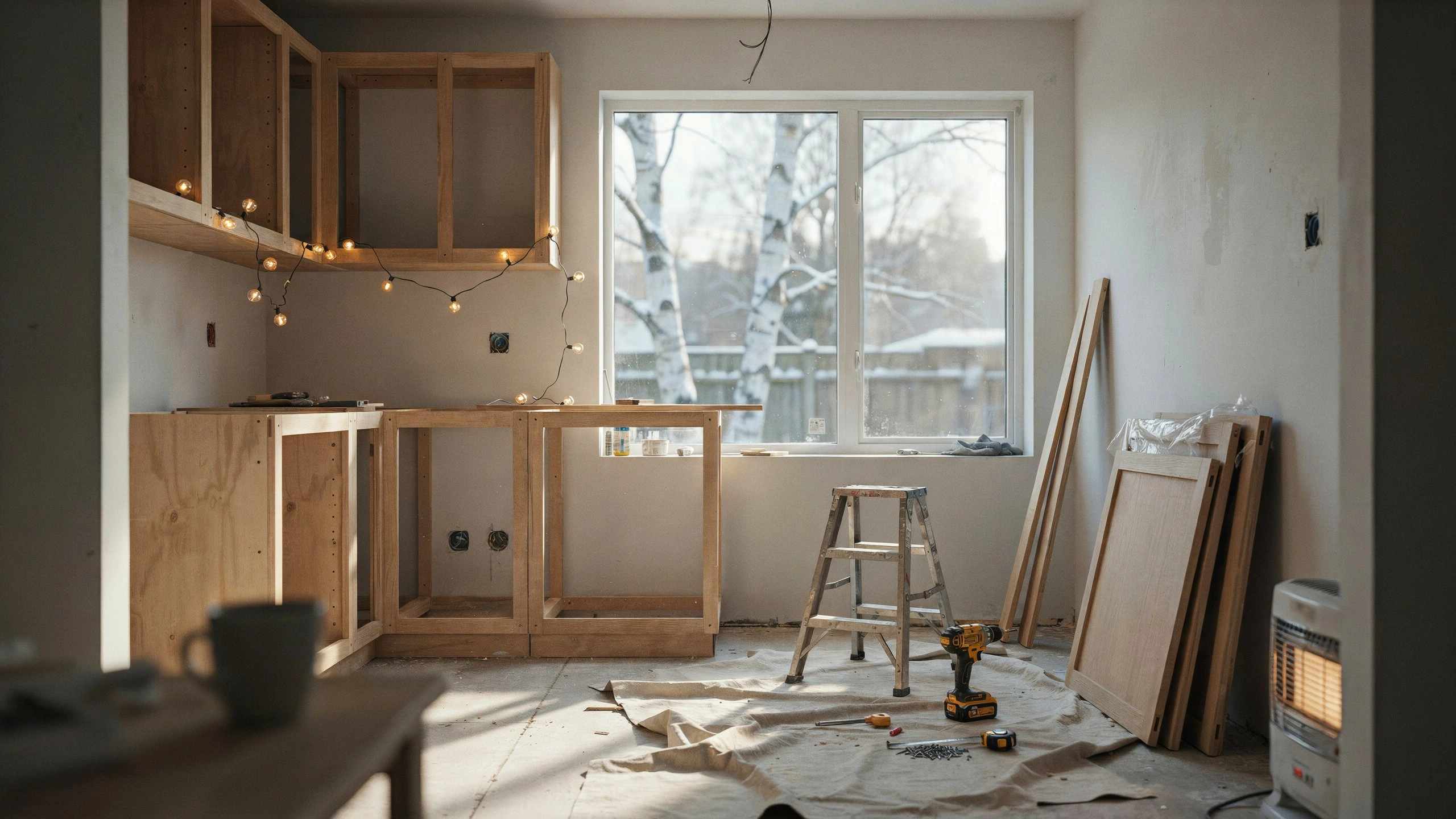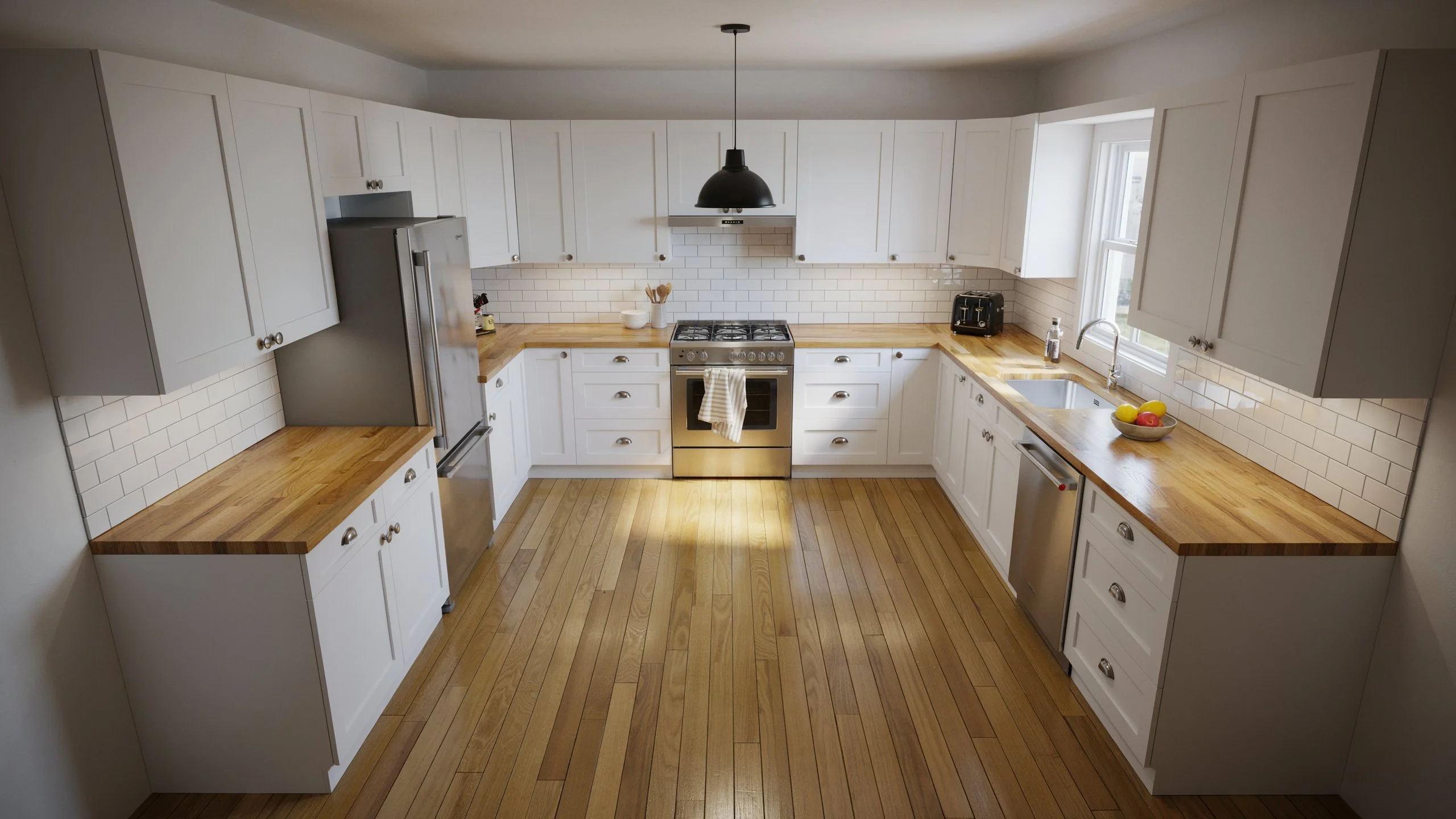

Most homeowners start a kitchen project with a number in mind, then watch it grow with every quote. So, what is the most expensive part of a kitchen renovation? In most projects it is the cabinets, which usually take about 30% to 40% of the budget. The full answer has more to it, because labor, layout changes, and problems hidden behind the walls can cost just as much.
At San Diego home remodeling, the goal of every estimate is to make those invisible costs visible before work starts. This guide shows where the money goes, which costs are most likely to creep up, and how to read a quote with confidence.
What Is the Most Expensive Part of a Kitchen Renovation? A Closer Look

Kitchen cabinets are usually the largest single product category in a renovation. Published 2026 cost guides commonly place cabinetry around 25% to 40% of the budget, although the share can vary by project. It is a planning range, not a rule every kitchen must follow.
Cabinets cost more because a complete package can include base cabinets, wall cabinets, tall units, doors, drawer fronts, hardware, fillers, finished panels, trim, storage accessories, delivery, and installation. Custom dimensions, special finishes, and difficult site conditions add labor and fabrication time.
There is also a difference between the biggest product cost and the biggest combined project cost. If you keep the footprint and appliance locations, cabinets will often lead. If you remove a wall and move the sink, range, lighting, and electrical service, several trades can make the layout change more expensive than the cabinets.
Breakdown of Kitchen Renovation Costs
Kitchen renovation costs vary by size, materials, and location, but these general share ranges are a useful planning tool for a full remodel.
| Item | Typical share of budget |
| Cabinets | 30% to 40% |
| Labor and installation | 20% to 35% |
| Countertops | 10% to 15% |
| Appliances | 10% to 15% |
| Flooring | 5% to 10% |
| Lighting and fixtures | 5% to 8% |
| Backsplash and finishing | 3% to 5% |
Shares only tell you proportions. The next table shows how the same kitchen changes across three budget levels.
| Level | Typical choices | Rough cabinet range |
| Basic | Stock cabinets, laminate counters, entry-level appliances, same layout | $5,000 to $9,000 |
| Mid-range | Semi-custom cabinets, quartz counters, mid-tier appliances, small electrical and plumbing updates | $12,000 to $20,000 |
| Premium | Custom cabinets, natural stone, high-end appliances, layout changes | $25,000 and up |
These are planning ranges, not quotes. The cost to remodel a kitchen in Southern California can run higher than national averages because labor and permit costs differ by city, so always get a written estimate for your own home.
Why Cabinets Cost So Much
Kitchen cabinet costs come from four things that stack on top of each other.
- Cabinet type. Stock cabinets come in set sizes and cost the least. Semi-custom cabinets allow size and finish changes. Fully custom cabinets are built for your room, which adds design time and shop labor.
- Material and construction. Plywood and solid wood boxes handle moisture and daily use better than particleboard, and they cost more.
- What is inside the box? Soft-close hinges, pull-out trays, corner systems, and spice drawers look minor on a quote. Across 25 or 30 cabinets, they become a real number.
- Installation. Walls and floors are rarely perfectly level, so installers shim, scribe, and trim every run. Poor work shows up later as sticking drawers and uneven doors.
One edge case catches many people. Finishing pieces such as filler strips, end panels, toe kicks, crown molding, and light rail are often priced separately from the boxes. A quote that looks low may simply leave them out, so ask for them to be listed.
Other High-Cost Features That Can Increase Your Budget
Cabinets lead, but these items can move your kitchen remodel budget just as fast.
- Countertops. Laminate is the budget choice. Quartz and granite cost more but resist heat and stains. Slab size matters too, because a long island may need a seam or a second slab.
- Appliances. A basic package costs a few thousand dollars. A professional-style range with a built-in refrigerator can cost more than everything else in the package combined.
- Range hood and venting. A powerful hood needs ducting to the outside and sometimes makeup air. This is often missed in early budgets.
- Structural changes. Removing a wall may require an engineer, permits, and new framing.
- Plumbing and electrical relocation. Moving a sink or range means opening floors or walls. You will not see the work later, but you will see it on the invoice.
- Lighting. Under-cabinet, recessed, and pendant lighting add up, especially when new wiring is needed. California energy rules also set requirements for kitchen lighting, which can add electrical work in older homes.
Budget Pressure Points: Which Costs Grow the Fastest
The biggest item is not always the one that hurts your budget most. Some costs are fixed once you order them. Others tend to rise after demolition starts. Knowing the difference tells you where to keep extra room.
| Cost item | Size | Chance of growing | Why |
| Cabinets | Largest | Low after ordering | Price is set at order, but upgrades add up before that |
| Layout changes | Medium | High | Pipes, vents, and wiring are often hidden until demolition |
| Electrical and plumbing updates | Small to medium | High | Older homes can reveal outdated wiring or pipes |
| Appliances | Medium | Medium | Cutout sizes, gas, and venting needs can force changes |
| Countertops | Medium | Medium | Edges, cutouts, and slab size change the price |
| Flooring | Small | Low | Easy to measure and price in advance |
A practical way to use this table: put your contingency money against the “High” rows, not against cabinets. If you have already signed a cabinet order, that number is mostly settled.
Hidden costs to plan for
Set aside roughly 10% to 20% of your total budget as a contingency. The usual surprises include:
- Permit fees, which vary by city and scope
- Disposal of old cabinets, appliances, and debris
- Repairs to walls or subfloors found during demolition
- Change orders after work has started
- A temporary kitchen setup, such as a microwave and hot plate in another room, plus extra takeout meals during the weeks without a working kitchen
That last item is rarely written into a quote, yet it is a real cost for most households.
How to Save Money Without Sacrificing Quality
You can lower your kitchen remodel budget without making the room feel cheap.
Choose semi-custom cabinets. You get solid construction and a good fit without paying the full custom premium.
Keep your layout. Leaving the sink, range, and refrigerator in place avoids the most expensive trade work.
Reface or repaint sound cabinets. If the boxes are in good shape, new doors and a new finish cost far less than full replacement.
Mix high and low. Spend on the surfaces you touch daily, and save on backsplash tile or decorative hardware.
Decide before you build. A choice made at the planning stage is almost always cheaper than the same change made mid-project.
If you are comparing options for kitchen remodeling San Diego homeowners can trust, look at how clearly each contractor itemizes the work. You can see how a full project is scoped on the page for San Diego Kitchen Remodeling Services.
Quote Check: Five Questions Before You Sign
- Does the cabinet price include delivery, installation, hardware, and finishing pieces?
- Are demolition and disposal listed as separate lines?
- Who pulls permits, and are the fees included?
- What allowance is set for items you have not chosen yet, such as tile or fixtures?
- How are change orders priced and approved?
A low bid that leaves these answers blank is often just a cost that arrives later.
Signs It’s Worth Spending More
Some upgrades return their value through daily use and durability.
- Cabinet construction. If you cook often or have a busy household, sturdy boxes and good hardware pay off every day.
- Countertops near the sink and range. These zones take the most heat, water, and impact.
- Skilled installation. Great materials look poor when fitted badly, while mid-range materials installed well often look better over time.
- Long-term plans. If you plan to stay for years or sell soon, buyers usually notice cabinets and counters first.
Spending more makes less sense on trendy finishes you may tire of, or on features you will rarely use, such as a specialty appliance for a task you do twice a year.
How Kitchen Size and Layout Affect the Total Cost
Size affects cost, but layout affects it more. A small galley kitchen needs fewer cabinets and less counter, so each material line is smaller. A large kitchen with an island adds cabinet boxes, countertop area, and often extra outlets or a prep sink.
Layout is where budgets jump. Moving a sink even a few feet can mean rerouting drain lines through the floor. Moving a range may require a new gas line or a new vent path. Keeping the current footprint is one of the simplest ways to hold kitchen renovation costs steady.
If you do want a new layout, ask for the plumbing, gas, and electrical scope to be priced as its own section. That way you can see exactly what the change costs and decide whether the new layout is worth it.
Conclusion
So, what is the most expensive part of a kitchen renovation? Cabinets are the largest single item, usually 30% to 40% of the budget, while labor is the largest combined cost and layout changes are the most likely to surprise you. Plan the cabinets carefully, keep a 10% to 20% contingency, and compare quotes line by line instead of by the final total.
If you are planning a project, contact us at San Diego home remodeling for a clear, itemized estimate that shows where every dollar goes.
FAQs
What is the most expensive part of a kitchen renovation?
Cabinets are usually the most expensive part, taking about 30% to 40% of the budget. Labor can match or pass them when every trade is added together.
How much is the typical cost to remodel a kitchen?
Many full remodels fall between about $25,000 and $75,000, depending on size, materials, and scope. Premium projects with custom cabinets and layout changes cost more.
Are custom cabinets worth the extra kitchen cabinet costs?
They make sense for unusual layouts or specific design needs. For standard layouts, semi-custom cabinets often give similar quality for less money.
How can I lower my kitchen remodel budget without losing quality?
Keep the current layout, choose semi-custom cabinets, and reface cabinet boxes that are still in good shape. Finalize every choice before work begins to avoid costly change orders.
How much contingency should I set aside?
Plan for roughly 10% to 20% of the total budget, especially in older homes. Hidden wiring, plumbing, and wall damage are the most common reasons the extra money gets used.