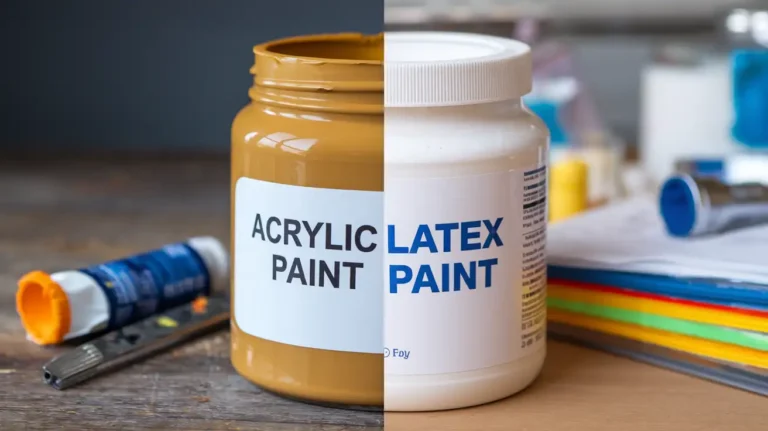
Standing in the paint aisle with two cans in your hands, wondering if it actually matters which one you grab, is more common than most people admit. It does matter, and picking the wrong one can mean redoing a wall in two years instead of ten.
This guide breaks down acrylic vs latex paint in plain terms, so you walk out knowing exactly what fits your project. At San Diego home remodeling, we get asked this question on almost every job walk, so we put together the answers our clients actually need.
Quick Answer
If you want maximum durability and flexibility for trim, doors, or surfaces that flex with temperature, go with acrylic. If you’re painting interior or exterior walls and want easy application with simple soap and water cleanup, latex is the better fit for most homeowners. Acrylic tends to cost more but holds up longer on high movement surfaces. Latex is budget friendly and works well for large flat areas like drywall and stucco.
What’s the Main Difference Between Acrylic and Latex Paint?
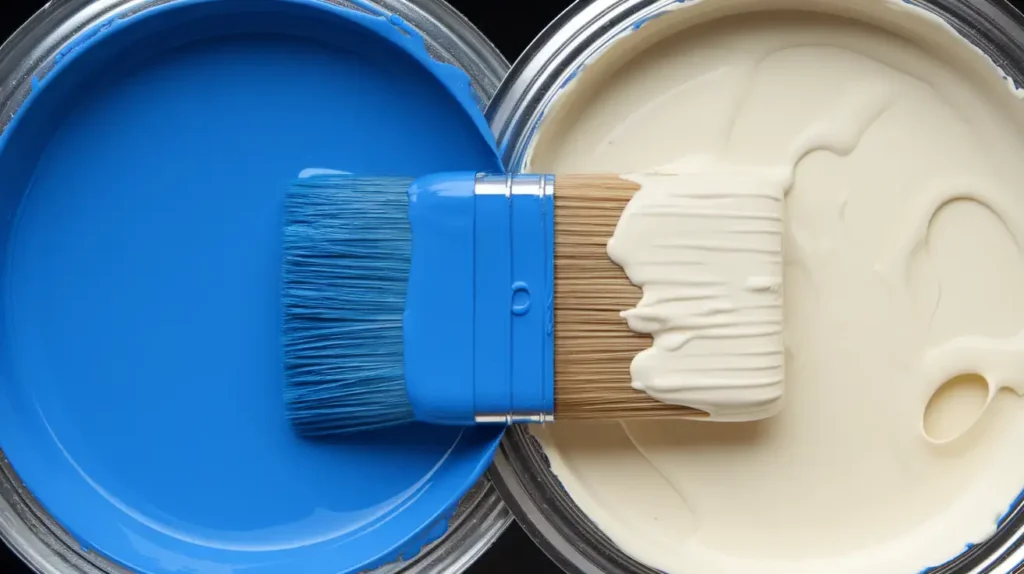
This distinction matters more than most articles let on. Acrylic’s tighter molecular structure is what gives it better flexibility and adhesion on surfaces that expand and contract, like wood trim exposed to sun or metal railings that heat up in summer. Latex spreads more easily and levels out smoother on porous surfaces like drywall, which is why it dominates the interior wall paint market. At San Diego home remodeling, this binder difference is actually the first thing we check before recommending a product for any specific surface, since it drives every decision that follows.
Acrylic vs Latex Paint Comparison Table
| Factor | Acrylic Paint | Latex Paint |
| Durability | Higher, resists cracking | Good, but less flexible |
| Drying Time | Faster, often 1 to 2 hours | Slower, 2 to 4 hours |
| Flexibility | Excellent for temperature shifts | Moderate |
| Cost | Higher per gallon | More budget friendly |
| Cleanup | Soap and water, slightly stickier | Soap and water, very easy |
| Weather/UV Resistance | Strong, less fading | Good, but can chalk over time |
| Finish Options | Wide range, holds sheen well | Wide range, matte to gloss |
Acrylic vs Latex Paint: Head-to-Head Comparison
Appearance & Finish
Acrylic paint tends to hold its sheen longer because the resin resists breaking down under UV exposure. On a west-facing wall in San Diego, where afternoon sun is brutal for months at a time, that difference shows up within the first summer. Latex paint still looks great initially, but flat and eggshell latex finishes can start to look slightly chalky on sun exposed exterior surfaces after two or three years.
Durability & Flexibility
This is where the acrylic vs latex paint decision gets practical. Acrylic’s flexible film moves with wood as it swells and shrinks with humidity, which is exactly why it’s the preferred choice for exterior trim, fascia boards, and shutters. We’ve seen latex paint crack along wood grain on older fascia boards within 18 months, while acrylic on the same type of surface stayed intact for years, simply because the material could handle the constant expansion and contraction.
Eco-Friendliness & VOC Levels
Both acrylic and latex paints are water based, which puts them well ahead of oil based paints on VOC emissions. Low VOC and zero VOC formulas exist in both categories now, so eco-friendliness isn’t really a deciding factor between the two anymore. What matters more is checking the specific product label, since VOC content varies by brand and formulation, not just by paint type.
Ease of Application & Cleanup
Latex paint is generally easier for first time DIYers because it self-levels well and forgives minor roller technique mistakes. Acrylic can feel slightly thicker and dries faster, which means less time to fix drips or lap marks before it sets. Both clean up with soap and water while wet, but once acrylic paint fully cures, it’s noticeably harder to remove from brushes and tools if you forget to clean them right away.
Cost
Acrylic paint typically runs higher per gallon, sometimes 20 to 40 percent more than a comparable latex product. For a large project like a full exterior repaint, that difference adds up. Many contractors use latex for the bulk of wall surfaces and reserve acrylic for trim, doors, and high wear areas, which balances cost with performance exactly where it counts.
When Should You Choose Acrylic Paint?
Acrylic makes sense when the surface will face regular movement, moisture, or direct weather exposure. Think exterior trim, window frames, metal fixtures, fiber cement siding, and outdoor furniture. It’s also the better pick for surfaces that get touched often, like handrails or door frames, since the tighter film resists scuffing and peeling from repeated contact.
Artists and hobbyists also lean on acrylic for craft projects because of its flexibility and quick drying time, but for home projects, the deciding factor is almost always exposure to weather and physical wear.
When Should You Choose Latex Paint?
Latex is the practical choice for interior walls, ceilings, and large exterior surfaces like stucco or siding that don’t flex much. It covers evenly, dries with fewer brush marks, and costs less per square foot, which matters on a project covering thousands of square feet. If you’re repainting a living room, bedroom, or hallway, latex is almost always the right call unless there’s a specific durability concern.
Large scale exterior jobs, like a full stucco repaint on a San Diego home, also often use latex as the primary coat because it handles broad flat surfaces efficiently without the added cost of acrylic across every wall.
Best Surfaces for Acrylic vs Latex Paint
Wood trim, fascia, and exterior doors do best with acrylic because of the flexibility factor. Metal railings and fixtures also benefit from acrylic’s tighter bond, especially with a proper primer underneath. Drywall, plaster, and stucco are better suited to latex, since these surfaces don’t expand and contract the way wood or metal does, and latex spreads more evenly across large porous areas.
Concrete and masonry can go either way depending on the specific formulation, but most masonry specific paints are latex based with additives for moisture resistance.
Can You Paint Latex Over Acrylic or Acrylic Over Latex?
This comes up constantly during repaint jobs, especially when a homeowner doesn’t know what was used last time. Latex over cured acrylic generally works fine as long as the surface is clean, lightly sanded, and free of glossy sheen that could prevent adhesion. Acrylic over latex also works, and actually tends to bond well since acrylic’s flexible film adapts to the layer beneath it.
The bigger risk isn’t the paint type mismatch, it’s skipping prep work. Painting over a glossy or dirty surface, regardless of paint type, is the number one reason for peeling within the first year. If you’re unsure what’s currently on a wall, a quick test patch in an inconspicuous spot before committing to the full job saves a lot of frustration later.
Which Paint Lasts Longer?
On exterior surfaces exposed to sun, rain, and temperature swings, acrylic generally outlasts latex by several years, largely due to its flexibility and UV resistance. On interior walls with stable temperature and no direct sun exposure, the lifespan difference shrinks significantly, and latex can easily last 8 to 10 years with normal wear. The real lifespan factor in both cases comes down to surface prep and application quality more than the paint formula itself.
Which Paint Is Easier to Clean and Maintain?
Once fully cured, both acrylic and latex paints can be wiped down with mild soap and water for routine maintenance. Acrylic’s harder finish holds up slightly better against scuffs and repeated cleaning, which matters in high traffic areas like hallways or kids’ rooms. Latex with a satin or semi-gloss finish also cleans well, though flat latex finishes show marks more easily and can be harder to spot clean without leaving a slight sheen difference.
Common Mistakes to Avoid
The most frequent mistake we see isn’t choosing the wrong paint type, it’s skipping proper primer and surface prep. Painting acrylic directly over glossy latex without light sanding leads to poor adhesion and peeling within months. Another common issue is applying latex paint in humid or overly hot conditions, which affects how it levels and cures, leaving visible brush marks or uneven sheen.
Ignoring temperature guidelines is another overlooked factor. Acrylic paint applied below 50 degrees Fahrenheit won’t cure properly, and this happens more often than people expect during early morning or late evening exterior work in cooler months. Reading the product’s specific temperature and humidity range before starting saves a repaint down the line.
Tips for Choosing the Right Paint
Match the paint to the surface’s exposure level first, then think about budget. Use acrylic for anything that moves, flexes, or faces direct weather. Use latex for large flat interior and exterior areas where cost efficiency matters more than maximum flexibility. Always prime bare or previously glossy surfaces regardless of which paint you choose, and check the specific product’s temperature and humidity requirements before starting.
If you’re not confident making the call yourself, working with a professional who handles Painting Services in San Diego daily takes the guesswork out of it, since surface condition and local climate factors often shift the decision more than the general rules suggest.
Final Thought
The acrylic vs latex paint decision doesn’t need to be complicated once you know what each one is actually built for. Acrylic earns its higher price tag on surfaces that flex and face the weather head on, while latex handles large interior and exterior walls efficiently without breaking the budget. Getting the surface prep right matters just as much as the paint choice itself, and that’s where most projects succeed or fail.
If you’d rather not guess and want it done right the first time, contact us at San Diego home remodeling and we’ll walk your project with you, recommend the right paint for each surface, and handle the job from prep to final coat.
FAQs
Can you mix acrylic and latex paint?
Mixing them directly in the same can isn’t recommended, since the different resin bases don’t blend consistently and can affect drying and adhesion. Applying them in separate layers, such as an acrylic primer under a latex topcoat, is generally fine as long as each layer is fully cured first.
Which lasts longer outdoors?
Acrylic paint typically lasts longer outdoors because its flexible film resists cracking from temperature swings and holds up better against UV exposure. Latex can still perform well outdoors, especially on stable surfaces like stucco, but tends to show wear a bit sooner on wood or trim.
Is latex paint waterproof?
Latex paint is water resistant once fully cured, but it isn’t fully waterproof, which is why exterior latex formulas include additives to improve moisture resistance. For areas with constant water exposure, a dedicated waterproof coating is a better option than standard latex.
Can acrylic paint be used on interior walls?
Yes, acrylic paint works on interior walls, though it’s less common because latex is generally more cost effective for large flat surfaces. Acrylic is more often reserved for interior trim, doors, and high touch areas where its durability makes a bigger difference.
Does the acrylic vs latex paint choice affect resale value?
A well maintained paint job, regardless of type, has more impact on resale appeal than the specific formula used. That said, choosing acrylic for exterior trim and using latex efficiently on walls tends to keep a home looking fresh longer, which matters more to buyers than the technical paint type.