Your house isn’t too small. It’s just missing one room that would fix everything: a home office that isn’t the corner of a bedroom, a suite for aging parents, or a bedroom for a baby who’s outgrown the bassinet. In a city where the median home price makes moving a financial gamble, a room addition San Diego homeowners can actually plan around is often the smarter move.
At San Diego Home Remodeling, we’ve walked hundreds of families through this exact decision, and the ones who succeed share one thing in common: they plan before they build. This guide covers what that planning actually looks like in 2026, from real cost numbers to permit realities most articles skip over.
Why San Diego Homeowners Are Choosing to Add On Instead of Move
Selling and buying in this market means paying agent commissions, absorbing a higher interest rate on your next mortgage, and competing for homes that are just as small as the one you’re leaving. Add up closing costs on both ends and the math rarely favors moving, especially if your current home sits in a school zone or neighborhood you don’t want to leave.
A room addition in San Diego solves the space problem without any of that. You keep your equity, your neighbors, your kids’ school district, and you walk away with square footage built specifically around how your family actually lives, not around what a previous owner decided decades ago.
Room Addition Types That Work Best in San Diego
Not every addition fits every lot. San Diego’s mix of narrow city lots, hillside properties, and coastal zoning means the right choice depends heavily on where you live.
Ground-Floor Bump-Out or Single-Story Addition
This is the addition most homeowners picture: extending the existing footprint outward to add a bedroom, family room, or office. It avoids the structural cost of building upward, which keeps the budget more predictable. The tradeoff is yard space, so it works best on lots with room to give.
Second-Story Addition
When the lot is tight but you still need more room, going up preserves your yard entirely. This route requires an engineer to confirm your existing foundation can carry the added weight, which is often the deciding factor in whether a second story is realistic for your specific home.
Garage Conversion and ADU
California’s accessory dwelling unit laws have made this one of the fastest-growing addition types in the county. A garage conversion reuses existing walls and roofline, which trims cost significantly compared to new construction, and it can double as a rental unit or space for extended family.
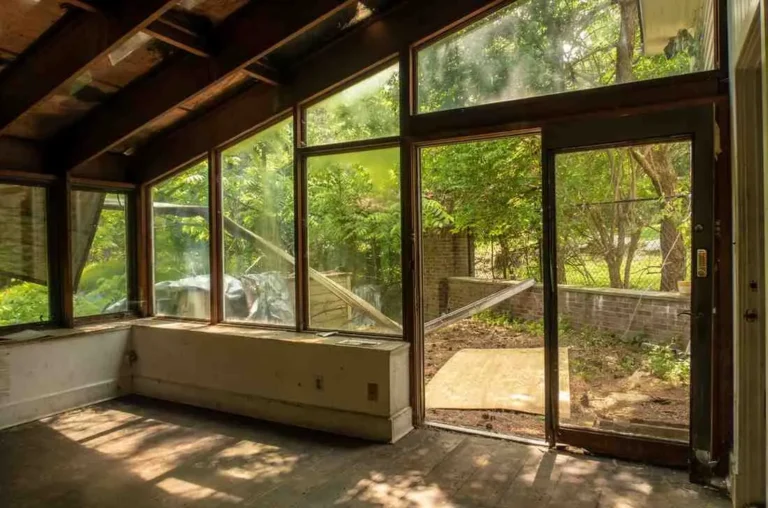
Sunroom or Enclosed Patio
For homeowners who want more livable space without a full structural build, an enclosed patio delivers casual square footage at a lower price point. San Diego’s mild year-round climate makes this option genuinely usable twelve months a year, not just a seasonal add-on.
Which Addition Type Fits Your Home? A Quick Self-Assessment
Before you fall in love with a specific style, run through these three questions honestly.
Lot size: if your side and rear setbacks leave less than ten feet of usable yard, building up will likely make more sense than building out. Budget: bump-outs and garage conversions generally offer the lowest cost per square foot, while second stories carry the highest due to structural reinforcement. Goal: if the space needs to generate rental income or house a family member independently, an ADU beats a standard room addition every time because it comes with its own entrance and utilities.
Matching your answer to these three factors before calling a contractor saves weeks of back-and-forth during the design phase.
Room Addition Cost in San Diego in 2026
Cost is the first question every homeowner asks, and the honest answer depends on more than square footage.
Cost by Addition Type
A bedroom addition without plumbing tends to land on the lower end because it skips the expense of new water lines and drainage. Add a bathroom, and you’re paying for trenching, venting, and fixture installation on top of the base build. Kitchen expansions run higher still, since appliance hookups and ventilation add complexity. Second-story additions carry the steepest premium because of the structural engineering required to support the new load.
Cost by Size
A small addition in the 100 to 200 square foot range generally falls between $40,000 and $70,000. A mid-size addition of 300 to 400 square feet typically runs $80,000 to $150,000. Larger builds, including most second-story projects, often land between $150,000 and $300,000 depending on finishes and structural scope.
What Pushes the Price Up or Down
Foundation condition matters more than most homeowners expect. An older home in Point Loma or North Park with an aging slab may need reinforcement before any new framing goes up, and that cost only shows up once a contractor actually inspects the crawlspace. Site access plays a role too. Hillside lots in areas like Mount Helix often require additional equipment and labor just to get materials to the build site, which adds cost that a flat city lot never sees.
Financing Options
Most homeowners fund a room addition through one of three routes: a home equity line of credit, a cash-out refinance, or a dedicated construction loan. A HELOC works well for homeowners with substantial equity and a shorter project timeline, while a construction loan is often the better fit for larger second-story builds where funds need to be released in stages tied to construction milestones. Talk to your lender early, since pre-approval timelines can run parallel to your design phase and save weeks later.
Building in San Diego’s Different Neighborhoods
This is the part most guides skip, and it’s where local experience actually matters. A San Diego room addition company that only knows generic building codes will miss the details that are specific to your zip code.
Coastal properties in La Jolla, Del Mar, and Solana Beach fall under the Coastal Overlay Zone, which means your project may require review from the California Coastal Commission in addition to standard city permits. This adds time to the schedule, so factor it in early rather than being surprised by it mid-project. Hillside lots in areas like Rancho Santa Fe or parts of Poway often carry soil conditions that require a geotechnical report before framing begins, which is a cost most flat-lot homeowners never budget for. Neighborhoods with active HOAs, including much of Carlsbad and Coronado, layer on their own design review process covering exterior materials, rooflines, and paint colors, separate from the city’s permit approval. Older homes in established neighborhoods like North Park or South Park sometimes carry outdated electrical panels that can’t support a new addition’s load without an upgrade, which is worth checking before finalizing your budget.
Room Addition Process, Step by Step
Understanding the sequence removes most of the anxiety around a project like this.
Consultation and Site Review
A contractor visits your property, walks the lot, and flags any structural or zoning issues before design work starts. This is the stage where realistic expectations get set, not promised.
Design
Your layout, ceiling height, window placement, and how the new space ties into your existing home all get worked out here. This phase typically takes four to eight weeks depending on how many revisions your family wants.
Permit Submission
Plans go to the city or county for review. In San Diego, this step usually takes four to ten weeks, and coastal or hillside properties tend to sit closer to the longer end of that range.
Construction
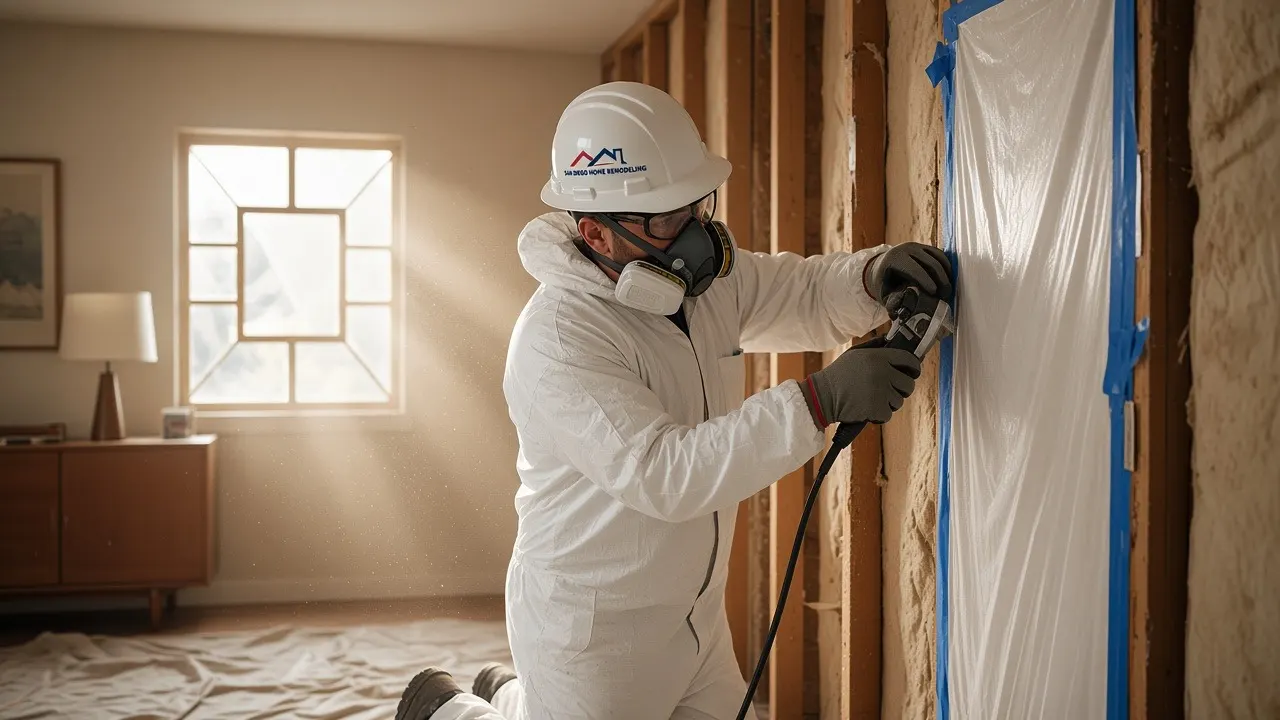
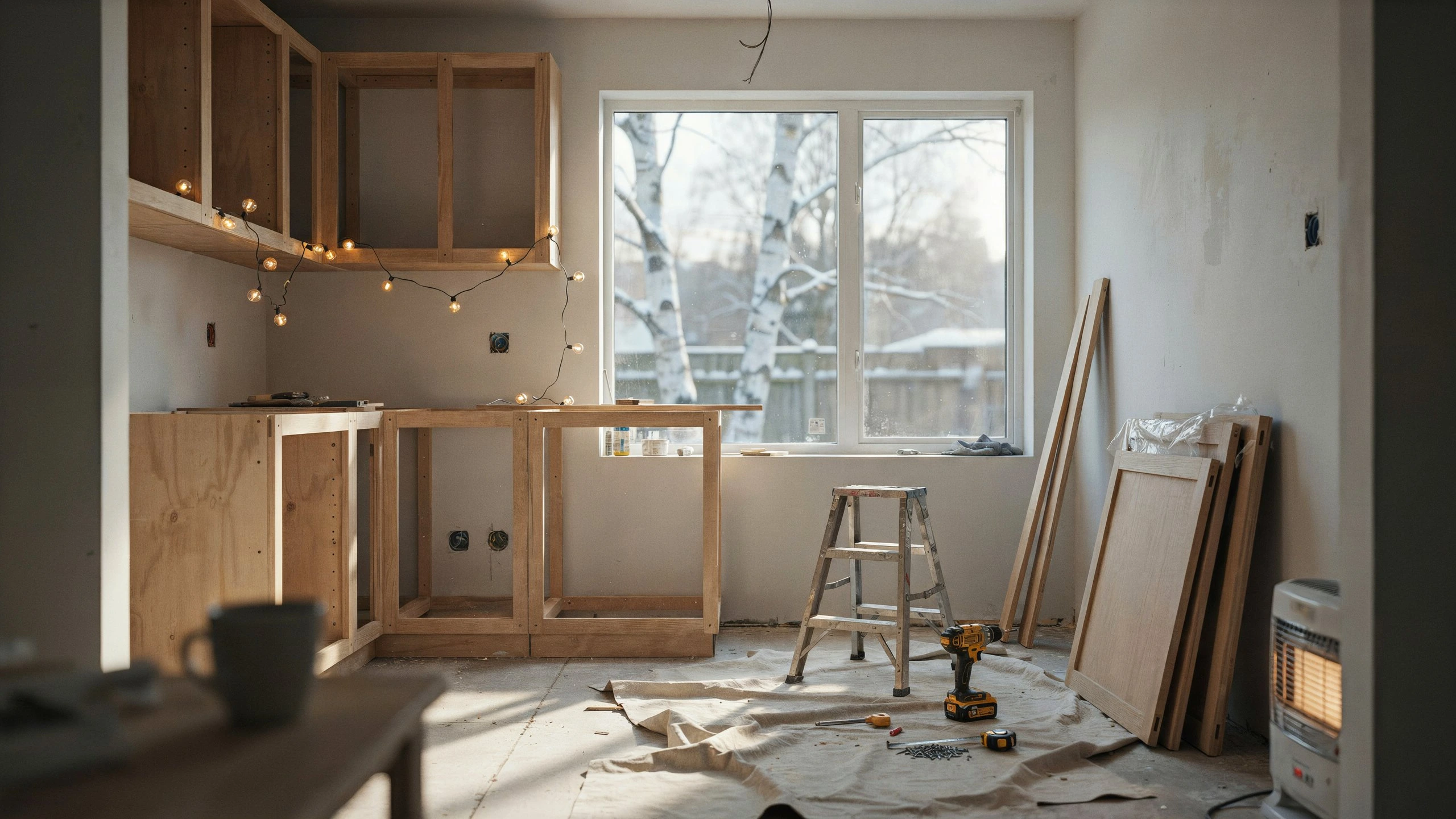
Foundation and framing come first, followed by roofing, rough electrical and plumbing, insulation, and interior finishes. Most builds run three to six months from groundbreaking to completion.
Inspections and Final Walkthrough
The city inspects the work at each major stage and again once everything is complete. Passing that final inspection is what makes the addition legal and insurable.
San Diego Building Codes, Permits, and ADU Law Updates
Setbacks, height limits, and lot coverage rules vary block by block depending on your zoning designation, which is why two houses on the same street can face different restrictions. Title 24 energy code compliance is mandatory on any new addition, covering insulation, window efficiency, and in many cases solar readiness. On the ADU front, recent state legislation has continued to ease permitting barriers for accessory units, including streamlined review timelines that didn’t exist a few years ago. Coastal properties still face extra scrutiny under the Coastal Overlay Zone, so if your lot falls in that area, plan for a longer approval window regardless of how straightforward the design looks on paper.
Room Addition vs. ADU vs. Moving: Which Makes Financial Sense
A standard room addition integrates directly into your existing living space and works best when the goal is more room for the family you already have. An ADU functions as a separate unit with its own entrance, kitchen, and bathroom, making it the stronger choice if rental income or housing an aging parent independently is the priority. Moving, by comparison, means giving up your current equity position and absorbing transaction costs on both ends, often for a home that isn’t meaningfully bigger. For most homeowners weighing these three paths, the addition or ADU route preserves more long-term value while solving the same space problem.
Mistakes to Avoid When Planning a Room Addition
Skipping permits to save time is the single costliest mistake we see, since unpermitted work becomes a legal and financial liability the moment you try to sell or file an insurance claim. Hiring based on the lowest bid without confirming licensing and insurance is a close second, since underinsured crews leave homeowners exposed if something goes wrong on site. Building without a contingency budget is another common misstep.
Construction on older homes routinely uncovers issues, from outdated wiring to compromised foundations, that a walkthrough alone can’t catch. Ignoring HOA design requirements until after construction starts can also stall a project entirely, so confirm those rules before the first permit gets submitted.
Choosing the Right Room Addition Contractor in San Diego
Licensing and insurance should be non-negotiable. Ask for proof of a current California contractor’s license along with general liability and workers’ compensation coverage before signing anything. Local experience matters just as much. A contractor who has built additions across the county’s varied soil conditions and zoning rules will catch problems a newcomer to the market won’t. Transparent pricing is another marker of a trustworthy team.
You should receive a detailed written estimate breaking down labor, materials, permits, and contingency, not a vague lump sum. A dedicated project manager keeps communication centralized instead of leaving you to chase down subcontractors for updates. If you’re also considering updating an existing space to match your new addition, our Room Remodeling in San Diego service is worth a conversation so the finishes feel consistent throughout the home.
Is a Room Addition Worth It? ROI and Long-Term Value
Room additions in San Diego typically recoup 60 to 80 percent of their cost at resale, and that number often climbs higher in high-demand neighborhoods. But the return isn’t only financial. Families who finally get a dedicated home office or a bedroom that fits their growing household consistently say the day-to-day improvement in how the home functions matters just as much as the resale bump. Built with flexibility in mind, a guest suite today can become a rental unit or in-law space later, extending the value of the investment well past move-in day.
What to Expect Working With San Diego Home Remodeling
San Diego Home Remodeling handles every room addition San Diego homeowners bring to us with the same approach: clear communication from the first site visit through final inspection, no handoffs to subcontractors you’ve never met, and no surprise charges once construction is underway. We stay involved because a project like this only goes smoothly when someone is actually paying attention to the details.
Final Thought
A well-planned addition changes how your family lives in a home you already love, without the financial gamble of moving in a market like this one. Whether you’re comparing a San Diego room addition company for a second-story building or exploring whether an ADU makes more sense for your lot, the right team makes the difference between a smooth project and a stressful one. Contact San Diego Home Remodeling today for an honest estimate and a clear picture of what your addition will cost, how long it will take, and what it will look like when it’s done.
Frequently Asked Questions
How long does a room addition take in San Diego?
Most projects run three to six months for construction alone, with design and permitting adding another two to four months before groundbreaking. Coastal and hillside properties tend to run toward the longer end due to additional review requirements.
What’s the average cost of a room addition in San Diego?
Small additions typically start around $40,000, while mid-size projects fall between $80,000 and $150,000. Second-story builds and additions requiring new plumbing generally cost more due to structural and utility work.
Do I need a permit for a room addition in San Diego?
Yes, any structural addition requires permits from the city or county, including related electrical, plumbing, and mechanical work. Skipping this step creates legal exposure that surfaces most often when selling the home or filing an insurance claim.
What mistakes should I avoid when planning a room addition?
The most common ones are skipping permits, hiring an unlicensed contractor, and building without a contingency budget for the issues older homes often reveal once construction starts. Confirming HOA requirements early also prevents costly delays.
Does my neighborhood affect my room addition cost or permitting timeline?
Yes. Coastal properties face Coastal Commission review, hillside lots may require geotechnical reports, and HOA communities add their own design approval process on top of standard city permits. All of these can extend both cost and timeline compared to a flat, non-coastal lot.