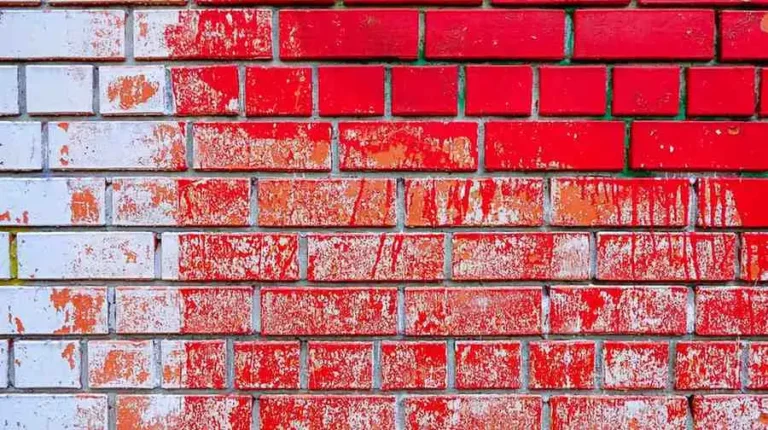
If you have ever stood in front of a painted brick wall wondering whether you made a mistake covering up that natural texture, you are not alone. Learning how to remove paint from brick is one of the most common restoration questions homeowners ask, and the honest answer is that it can be done safely, but it takes patience and the right method for your specific brick and paint type.
At San Diego home remodeling, we have walked dozens of clients through this exact process on everything from 1920s fireplaces to exterior facades, and the projects that go smoothly are the ones where the homeowner understood the process before picking up a scraper. This guide breaks down exactly what to check, which tools to use, and how to avoid the mistakes that damage brick permanently.
Should You Remove Paint from Brick?
Before you commit a weekend to this project, it is worth asking whether removing the paint actually solves your problem. Painted brick traps moisture underneath the paint film. Brick is porous by nature, so it absorbs small amounts of water and needs to release that moisture through evaporation. When paint seals the surface, water gets stuck behind it instead of escaping, which over years can lead to spalling, where the face of the brick flakes off, or mortar joints that soften and crumble.
There is also the resale angle. Original exposed brick, especially in older homes, is a strong selling point in many neighborhoods because it signals craftsmanship that is expensive to replicate today. That said, if your brick was painted because it was already damaged, mismatched, or made from lower quality salvage brick, removing the paint might expose problems you would rather not deal with. Test a small hidden section first so you know what you are working with before committing to the whole wall.
Things to Check Before You Start
Identify Paint Type (Latex vs Oil-Based vs Masonry)
The removal method that works well on one paint type can be almost useless on another. Latex paint is water based and tends to sit closer to the surface of the brick, which usually makes it respond well to gel strippers and pressure washing. Oil based paint bonds more aggressively and often requires a stronger solvent based stripper or heat. Masonry paint, which is formulated specifically to flex with brick and resist weather, is typically the toughest of the three because it is designed to grip porous surfaces and last for decades outdoors.
A simple way to narrow this down at home is to dab a cotton ball with denatured alcohol and rub it on a small painted area. If the paint softens or comes off on the cotton, you are likely dealing with latex. If it does not budge, assume oil based or masonry paint and plan for a stronger stripper.
Test for Lead Paint (Safety-Critical, Older Buildings)
If your home or the brick structure was built before 1978, do not skip this step. Lead based paint was legal and widely used until that year, and disturbing it through sanding, scraping, or heat guns can release toxic dust and fumes. A lead test kit from a hardware store costs very little and gives you a result in minutes. If the test comes back positive, this is one of the few situations where we tell clients directly to stop and call a licensed lead abatement contractor rather than attempt DIY removal, since the health risk to children and pregnant women in the household is genuinely serious.
Assess Brick Condition (Soft vs Porous vs Hard Brick)
Not all bricks can handle the same level of abrasion. Older, handmade or salvaged brick is often softer and more porous than modern kiln fired brick, which means aggressive methods like sandblasting or high pressure washing can chew into the surface and permanently change its texture. Press a fingernail firmly into an unpainted or edge section of brick. If it leaves a visible mark or crumbles slightly, treat that brick as soft and stick to gentler chemical methods rather than mechanical ones.
Tools & Materials Needed
Having the right supplies on hand before you start prevents the frustrating mid-project hardware store run.
| Item | Purpose |
| Gel or paste paint stripper | Breaks down paint bond without excessive runoff |
| Plastic putty knife or scraper | Lifts softened paint without gouging brick |
| Stiff nylon or wire brush | Clears paint from mortar joints and crevices |
| Heat gun (optional) | Softens stubborn layers, especially oil based paint |
| Trisodium phosphate (TSP) | Cleans grease, soot, and residue before and after |
| Plastic sheeting and tape | Protects flooring, trim, and nearby surfaces |
| Safety goggles, gloves, respirator mask | Protects you from chemical fumes and paint dust |
| Garden hose or pressure washer | Rinses away stripper residue |
Safety Precautions
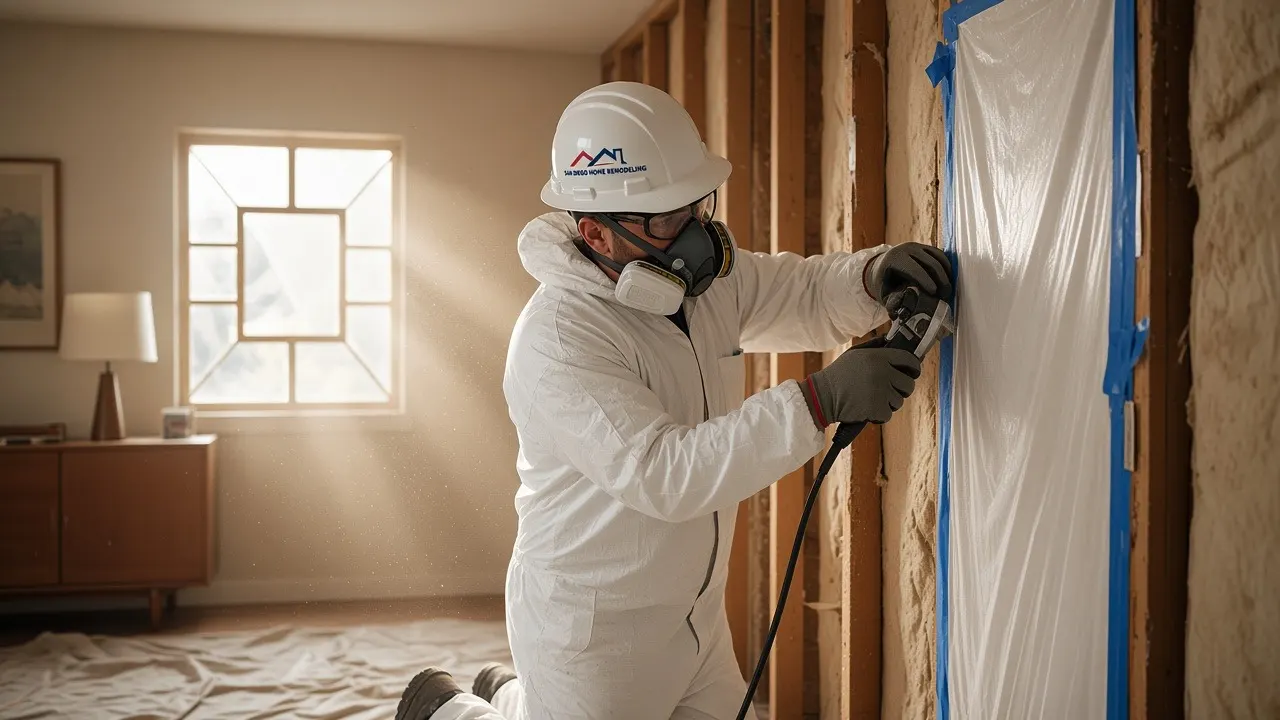
Working with paint strippers and old paint layers means working with chemicals and dust you should not be breathing in casually. Ventilation matters more than most people expect, so open windows on both sides of the room if you are working indoors and use a fan to push fumes outside rather than letting them recirculate. A respirator rated for organic vapors is worth the investment over a basic dust mask if you are using a solvent based stripper, since paper masks do not filter chemical fumes.
Cover your skin fully. Long sleeves, pants, closed shoes, and chemical resistant gloves prevent burns from stripper contact, which can happen faster than you would think on bare skin. If you are working outdoors near landscaping, lay down plastic sheeting to catch runoff, since some paint strippers are harmful to plants and soil.
Best Methods to Remove Paint from Brick
Method 1: Chemical Paint Stripper (Gel or Paste)
Apply a thick, even layer of stripper with a paintbrush, working in small sections rather than the whole wall at once. Thin layers dry out before they finish working, so do not be shy with the application. Let it sit for the time listed on the product label, usually between fifteen minutes and an hour, then use a plastic scraper to lift the softened paint. This is generally the safest method for brick that is old, soft, or decorative, since it does not rely on physical force to remove the paint.
Method 2: Heat Gun Method
A heat gun softens paint so it can be scraped away, and it works particularly well on oil based paint that resists chemical strippers. Hold the gun a few inches from the surface and move it constantly to avoid scorching the brick or cracking it from sudden temperature change. This method takes practice and is slower on large areas, so it tends to work best for detail work around window trim or tight corners rather than full walls.
Method 3: Power Washing or Pressure Washing
Pressure washing can clear loose or already-softened paint quickly across large exterior surfaces, but pressure control is everything here. Too much PSI at close range can etch the brick face or blast out mortar, especially on older or softer brick. Start at the lowest effective setting and a wide fan tip, testing on a small area before working across the whole wall.
Method 4: Wire Brush and Manual Scraping
For small areas, touch ups, or brick that has only a thin coat of paint, manual scraping with a stiff wire brush can be enough on its own. It is labor intensive and slow, but it gives you the most control and the lowest risk of damaging the brick, which makes it a good choice for delicate or historic brickwork where you cannot afford mistakes.
How to Remove Different Types of Paint from Brick
Removing Latex Paint
Latex paint generally responds well to a combination of TSP cleaning followed by a gel stripper, since it has not bonded as deeply into the brick pores. In most cases, a single application of stripper followed by scraping and a wire brush finish is enough to clear it completely.
Removing Oil-Based Paint
Oil based paint requires more patience. A solvent based stripper formulated for oil paints works better here than standard gel products, and you may need two applications on older, thicker coats. Heat guns pair well with this paint type when working around edges and trim.
Removing Masonry or Exterior Paint
Masonry paint is built to resist exactly the kind of weathering and wear that removal methods rely on, which makes it the most stubborn of the three. Expect to combine a heavy duty stripper with mechanical scraping, and budget extra time since this paint often has multiple recoats layered over decades of exterior maintenance.
How to Remove Paint from Interior Brick (Fireplace, Walls)
Interior brick, especially fireplaces, comes with its own set of concerns beyond the paint itself. Soot and creosote buildup from years of fires often sits underneath painted fireplace brick, so a TSP wash before you start is almost always necessary. Ventilation indoors is more limited than outside, so crack windows on opposite sides of the room and run a fan to keep fumes moving out rather than settling.
Protect your flooring and furniture aggressively here, since paint chips and stripper drips are much harder to clean out of carpet or hardwood than off a driveway. Lay plastic sheeting well past the immediate work area, because scraping tends to send small flecks farther than expected.
Common Mistakes to Avoid
The most frequent mistake we see is skipping the test patch and applying stripper to an entire wall at once, only to discover halfway through that the product is not working on that particular paint type. Another common issue is letting strippers dry out before scraping because it was applied too thin, which wastes product and time.
Using a pressure washer at full power on soft or old brick is another costly mistake, since the damage it causes is often permanent and cannot be undone with more paint or patching. Finally, many homeowners underestimate how long the process takes and rush the scraping, which leaves patchy paint residue that requires a second full pass to fix properly.
When Should You Hire a Professional?
There are a few situations where calling in a professional is the smarter move rather than a shortcut. If your lead paint test came back positive, this is not a DIY situation, since proper containment and disposal require licensing in most areas. If the structure is load bearing or historically significant, an experienced contractor knows how to avoid weakening mortar joints or the brick face itself, something that is much harder to fix than to prevent.
Large scale exterior projects also tend to go faster and more evenly with professional equipment and experience, particularly when you are trying to match the finish across an entire facade. If you are already planning a broader exterior refresh, our team handles this alongside our San Diego House Painting Services, so paint removal and any follow up finishing work can be coordinated in one project rather than two separate headaches.
How to Clean & Seal Brick After Paint Removal
Once the paint is off, rinse the brick thoroughly with clean water to remove any leftover stripper residue, since chemicals left behind can interfere with sealants or future finishes. Let the brick dry completely, which can take a few days depending on humidity and how porous the brick is, before applying anything else.
A breathable masonry sealer is worth applying once the brick is fully dry, since it protects against moisture and staining while still allowing the brick to release trapped humidity naturally. Avoid non-breathable sealers or paints immediately after removal, since they can trap residual moisture and undo the benefit of removing the original paint in the first place.
Final Thought
Removing paint from brick is a project that rewards patience over speed, and matching your method to your specific paint type and brick condition is what separates a clean restoration from a damaged wall. Test before you commit, protect your surroundings, and do not rush the process even when it feels tedious. If you would rather hand this project to people who do it regularly, contact us at San Diego home remodeling and we can walk you through your options, from a straightforward paint removal to a full exterior refresh.
FAQs
Does vinegar remove paint from brick?
Vinegar can help loosen very thin or already peeling layers of latex paint, but it is not strong enough for oil based or masonry paint. For most projects it works better as a pre-cleaning step than as your primary paint removal method.
Is it safe to use a pressure washer on brick?
It can be safe on hard, modern brick at a low PSI setting, but it is risky on older or soft brick, where it can etch the surface or blow out mortar. Always test a small area first before washing the full wall.
How long does a paint stripper take to work?
Most gel and paste strippers need between fifteen minutes and an hour to soften paint enough for scraping, though thicker or older paint layers may need a second application. Always check the specific product label since formulas vary.
Can you remove paint from brick without damaging it?
Yes, as long as you match the method to your brick’s condition and paint type, starting with the gentlest option that works. Testing a hidden area first and avoiding high pressure mechanical methods on soft brick are the biggest factors in keeping the surface intact.
Is removing paint from brick worth it?
In most cases yes, both for the look of exposed natural brick and for letting the wall breathe properly again, which prevents long term moisture damage. The exception is brick that was painted to hide existing damage, where removal may reveal issues that need repair anyway.