Dirty walls creep up on you slowly. One day you notice a smudge by the light switch, and a month later half the hallway looks tired even though the paint is only a year or two old. If you have ever wondered how to clean painted walls without stripping the color or leaving streaks behind, you are not alone.
At San Diego Home Remodeling, our painting crews get this question on almost every job walkthrough, and the short answer is simple: the right technique matters more than the product you grab off the shelf. This guide breaks down exactly what to use, how to use it, and which mistakes ruin more walls than dirt ever could.
Why Cleaning Painted Walls Matters
A wall isn’t just decoration. It’s a surface that absorbs cooking oil, hand oils, dust, humidity, and in coastal homes, salt air residue that settles as a thin film over time. Left alone, that buildup doesn’t just look dull, it slowly breaks down the paint’s sheen and makes future touch-ups harder to blend.
Most homeowners hesitate to clean their walls because they’re afraid the process will do more harm than the dirt itself. That fear is fair. We’ve walked into homes where someone scrubbed a flat-finish wall with a stiff brush and left permanent shiny patches that no touch-up paint could fully hide. Knowing how to wash painted walls correctly protects your investment in the paint job and keeps rooms looking fresh between repaints.
Know Your Paint Finish First
Before you touch a sponge to the wall, figure out what finish you’re dealing with. This single step prevents most cleaning disasters.
- Flat or matte finish: Common in bedrooms and living rooms. Very forgiving on the eyes but easily marked by scrubbing. Needs the gentlest touch.
- Eggshell or satin: A middle ground. Slightly more washable, still needs care around pressure.
- Semi-gloss or gloss: Typically found in kitchens, bathrooms, and trim. Durable and stands up well to a firmer wipe.
If you’re not sure which finish is on your wall, test a small hidden spot, like behind a door or inside a closet, with your cleaning solution before working on the visible areas. This ten-second check has saved many of our clients from an unwanted patch job.
Supplies You'll Need
You don’t need a cabinet full of specialty products to get good results. Here’s what actually works:
- Two buckets (one for cleaning solution, one for rinse water)
- Microfiber cloths or a soft sponge
- Mild dish soap or a pH-neutral cleaner
- Soft-bristle brush for textured areas
- Rubber gloves
- Dry towels for buffing
- A vacuum with a brush attachment for dusting
Skip anything abrasive. A magic eraser, for instance, is popular online, but on flat paint it can burnish the surface and leave a visible sheen difference. Stick with soft materials and you’ll avoid that problem entirely.
How to Clean Painted Walls Step by Step
This is the core process, and it applies to almost every room in the house.
- Clear the space. Move furniture away from the wall and remove artwork or wall hangings so you have full access.
- Dust first, always. Run a vacuum brush attachment or a dry microfiber cloth over the entire wall from ceiling to floor. Skipping this step is the number one reason people end up with muddy streaks, because wet cleaning pushes loose dust into the paint instead of lifting it off.
- Mix a mild solution. A few drops of dish soap in a gallon of warm water is usually enough. Avoid mixing multiple cleaning products together.
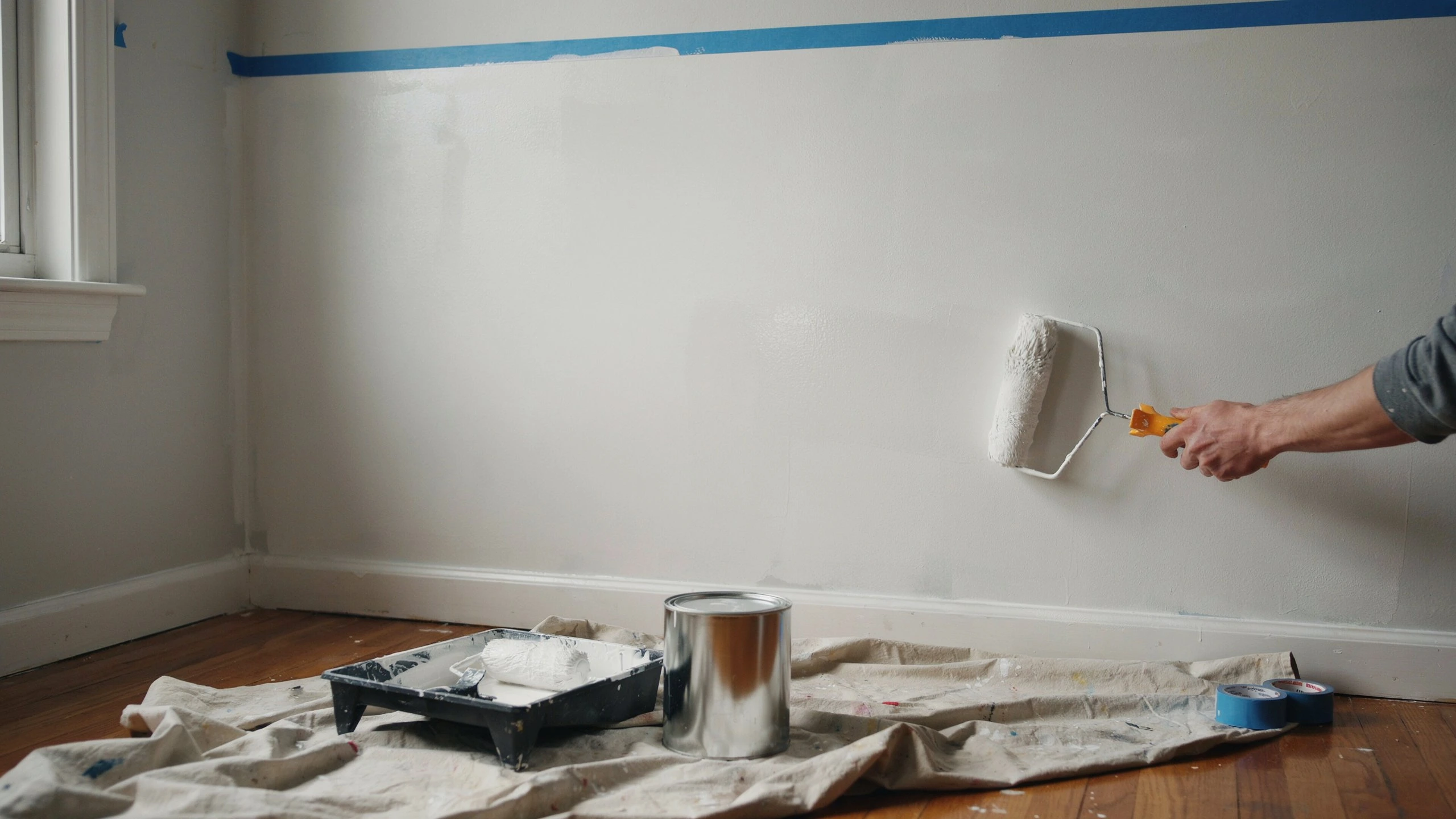
- Work top to bottom. Dip your cloth, wring it out so it’s damp rather than wet, and clean in small sections using gentle circular motions.
- Rinse as you go. Use your second bucket with plain water to wipe away soap residue before it dries into the paint.
- Dry with a towel. This step prevents water spots and speeds up the whole process.
Following this order is really the answer to how to wash painted walls without leaving marks. The sequence matters just as much as the solution.
How to Remove Common Wall Stains
General cleaning handles dust and light grime, but stains need a slightly different approach.
- Crayon or marker: A small amount of baking soda on a damp cloth, rubbed gently, lifts most crayon marks without damaging flat paint.
- Grease spots: A drop of dish soap directly on the stain, left for a minute before wiping, cuts through oil better than diluted solution alone.
- Scuff marks: A dry pencil eraser works surprisingly well on light scuffs before you even reach for water.
- Mold or mildew: Common in bathrooms and coastal-facing rooms. A solution of one part bleach to three parts water, applied with a cloth (never sprayed directly, to avoid overspray on trim), handles small patches. For anything spreading across a large area, treat it as a ventilation issue first and a cleaning issue second.
Cleaning Painted Kitchen Walls
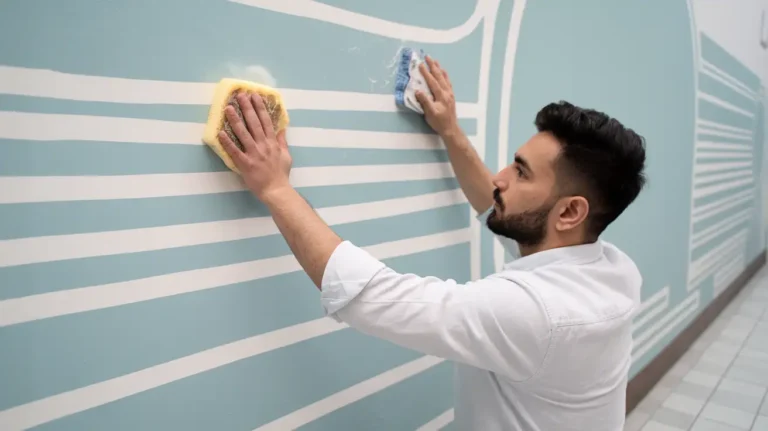
On kitchen walkthroughs, the San Diego Home Remodeling team sees this problem more than any other room in the house. Kitchens take the most punishment of any room, mainly from cooking oil that settles as an invisible film near the stove. If you’ve ever tried to clean painted walls in a kitchen with plain water alone, you already know it barely touches grease.
A stronger dish soap ratio, about a tablespoon per gallon of warm water, cuts through cooking residue far better. Focus extra attention on the wall directly behind the stove and around cabinet edges where splatter accumulates fastest. Wipe these zones every couple of weeks rather than waiting for a deep clean, since grease that sits for months bonds to the paint and becomes much harder to remove.
Cleaning Painted Bathroom Walls
Bathroom walls deal with humidity more than dirt. Steam from showers creates the perfect environment for mildew, especially in rooms with weak exhaust fans or none at all.
Wipe down bathroom walls weekly with a dry cloth to cut moisture buildup before it becomes a mold problem. When actual mildew spots appear, use the diluted bleach method mentioned earlier, and always run the fan or crack a window afterward so the wall dries fully. Semi-gloss paint, common in bathrooms for exactly this reason, handles frequent washing far better than flat paint would.
Cleaners and Methods to Avoid
Some products marketed as the best cleaner for painted walls actually cause long-term damage. Avoid:
- Abrasive scrub pads or steel wool, which scratch the paint surface
- Undiluted bleach, which can discolor or strip color entirely
- Ammonia-based glass cleaners, which react poorly with certain latex paints
- Excess water, which can seep behind switch plates and baseboards
If a product claims to be the best cleaner for painted walls but requires heavy scrubbing to work, that’s usually a sign it’s too harsh for the finish.
How Often Should You Clean Painted Walls?
High-touch areas like hallways, light switches, and stair railings benefit from a quick wipe every two to three weeks. General living spaces only need attention every few months unless you have kids, pets, or a smoking household, which speeds up buildup considerably. A full wall wash once or twice a year keeps most homes looking sharp without over-cleaning the paint.
Common Mistakes to Avoid
- Using the same cleaning method on flat and gloss paint. They need different pressure and products.
- Scrubbing in one spot repeatedly instead of using light, even strokes.
- Skipping the rinse step, which leaves a dull soap film once it dries.
- Cleaning a wall right after painting. New paint needs at least two weeks to cure before its first wash.
Tips to Keep Painted Walls Clean Longer
A little prevention goes further than any cleaning product. Placing doormats at entry points cuts down on tracked-in grime. Running exhaust fans during and after cooking or showering reduces the residue that eventually settles on nearby walls. A quick wipe of high-touch spots during your regular cleaning routine also means you’ll rarely need a full deep clean at all.
When Should You Repaint Instead of Cleaning?
Cleaning has limits. If you notice peeling, chalking paint that rubs off on your hand, deep stains that don’t lift after a proper wash, or a flat finish that’s been painted over many times and looks patchy no matter what, cleaning won’t fix it. At that point, repainting is the more practical option, and it often costs less in time and frustration than repeated cleaning attempts on a worn-out surface.
If you’re at that stage, our team handles Painting Services in San Diego for homeowners who want a fresh, durable finish that’s easier to maintain going forward.
When to Hire a Professional
Some situations go beyond a DIY wall wash. Large-scale water damage, mold covering more than a small patch, walls with lead-based paint in older homes, or ceilings and stairwells that are difficult to reach safely are all good reasons to call in a professional rather than risk it yourself. A trained crew can also spot underlying issues, like a slow leak behind drywall, that a simple cleaning would never reveal.
Conclusion
Knowing how to clean painted walls the right way protects your paint job, keeps your home looking cared for, and saves you from an early repaint. Match your cleaning method to your paint finish, work gently, and rinse before the soap has a chance to dry.
When a wall is beyond cleaning and ready for a refresh, San Diego Home Remodeling is here to help. Contact us today to talk through your painting project and get a straightforward plan for your home.
Frequently Asked Questions
Can I use vinegar to clean painted walls?
Yes, a diluted vinegar and water solution works well on grease and light grime, especially on semi-gloss or gloss finishes. Avoid using it on flat paint too often, since the acidity can dull the sheen over repeated use.
Does water damage painted walls?
Plain water is generally safe, but too much moisture left sitting on the surface can seep into seams and cause bubbling. Always wring your cloth well and dry the wall afterward to avoid this.
How do I clean painted walls without leaving streaks?
Streaks usually come from skipping the rinse step or using a cloth that’s too wet. Clean with a damp cloth, rinse with plain water, and finish by drying the area with a towel for a streak-free result.
How do I clean matte walls without removing paint?
Use the lightest touch possible, a soft microfiber cloth, and a mild soap solution applied in gentle circles rather than back-and-forth scrubbing. Test a hidden area first, since matte paint is the most sensitive to pressure.
Can all wall paints be washed?
Most modern latex paints can handle gentle washing, but very old paint or certain budget flat paints may not hold up well. If paint rubs off onto your cloth during a light wipe, stop and consider a repaint instead of continued cleaning.