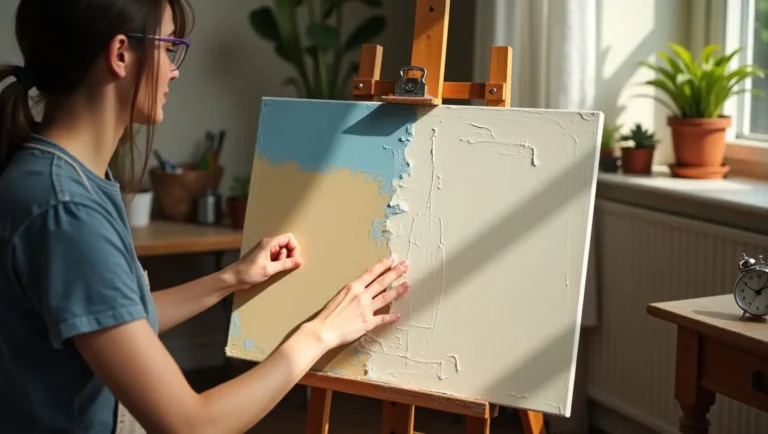
When you invest in a beautiful oil painting for your home, the first thing you want to do is hang it. But if you touch the canvas too soon, you might ruin a masterpiece.
I agree that waiting for art to dry is the hardest part of the process. I promise that by the end of this guide, you will know exactly when it is safe to handle, move, or varnish your artwork. We will preview the specific drying stages and local San Diego factors that change the timeline.
So, how long does it take an oil painting to dry? Most oil paintings are dry to the touch within 2 to 12 days. However, “dry” is not the same as “cured.” A painting is only fully cured and ready for a permanent varnish after 6 months to 1 year.
Table of Contents
The Complex Nature of Oil Paints
Unlike acrylics that dry through evaporation, oil paint dries through a chemical process called oxidation. This means the paint doesn’t just lose water; it “breathes” in oxygen.
As the linseed oil or other oil mediums react with the air, they undergo polymerization. This creates a hard, plastic-like film. This process is slow because the paint dries from the top down. While the surface might feel solid, the layers underneath could still be liquid.
At San Diego Home Remodeling, we often see homeowners rush to hang art in a newly remodeled room. If the painting is still oxidizing, it can trap dust from a construction site or react to the off-gassing of fresh wall paint.
What Affects How Long an Oil Painting Takes to Dry?
If you’re wondering, “does oil paint dry slowly for everyone?”, the answer is it depends. The drying time can change based on a few simple but important factors. Understanding these helps you better manage your work and avoid surprises while waiting for your painting to dry.
Here’s what plays a role in how long does it take an oil painting to dry:
1. Type of Oil Used
Different oils dry at different speeds. The base oil in your paint affects overall drying time.
- Linseed oil: Dries the fastest, usually within a few days.
- Walnut oil: Slower than linseed but gives a smooth finish.
- Poppy oil: One of the slowest to dry, often used with lighter colors like whites.
2. Thickness of Paint Application
If you’re asking, “how long does it dry when I apply thick layers?” The answer is it can take weeks.
- Thin layers might dry in a few days.
- Thick brush strokes or textured techniques can take much longer.
- Palette knife applications can slow the process even more.
3. Environmental Conditions
The space where your painting dries has a big impact.
- Temperature: Warmer air helps paint dry faster.
- Humidity: High moisture slows down drying.
- Airflow: A well-ventilated room speeds up the process safely.
4. Surface or Canvas Type
The surface you’re painting on also plays a part.
- Primed canvas allows better drying than unprimed surfaces.
- Wood panels may slow drying slightly due to limited airflow.
- Porous surfaces can absorb oil, sometimes changing the drying behavior.
5. Use of Mediums or Additives
Artists often add other materials to their paint for texture or drying control.
- Drying agents (like cobalt driers) can speed up the process.
- Retarders slow drying for blending work.
- Be careful too much additive can cause uneven drying or cracks.
By understanding these key factors, you’ll stop wondering how long does it take an oil painting to dry and start planning with more confidence. Every artist works differently, but a little knowledge helps every painting dry the right way.
How to Tell if an Oil Painting is Dry
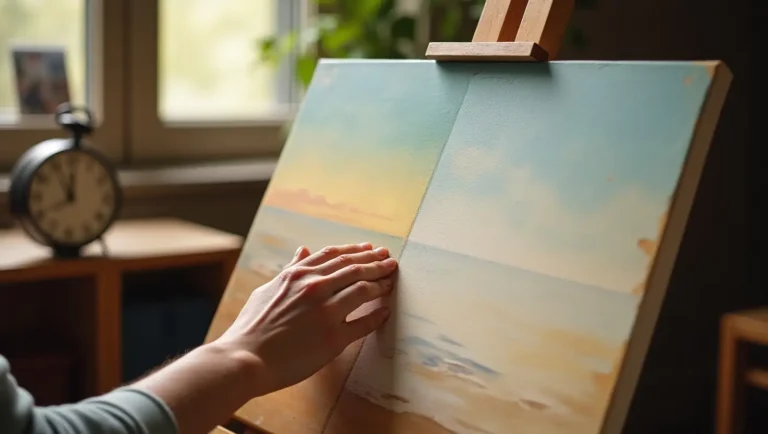
Knowing whether your painting is truly dry can be a bit confusing, especially if you’re new to using oil paints. Many beginners find themselves wondering, “oil paint how long to dry before I can touch or move it?” The truth is, drying time isn’t just about waiting a few days, it’s about understanding the difference between surface drying and full curing.
At first glance, the painting might look dry, especially if the colors appear matte instead of glossy. But don’t let looks fool you. A gentle touch test might help, but pressing your finger too firmly can leave a mark or pull up paint. It’s safer to gently tap an edge or corner with a clean finger.
If there’s any stickiness, it’s not ready yet. This is where the idea of “curing” comes in. While the surface may feel dry after several days, the deeper layers often take much longer to fully set. So, when asking how long oil paint dry, remember that curing can take weeks or even months depending on the painting’s thickness and materials used.
If you’re planning to varnish or frame your artwork, give it enough time. Rushing through the oil paint dry time could lead to cracks, dull colors, or trapped moisture. Being patient ensures that your painting stays beautiful and lasts a lifetime.
How to Help Oil Paint Dry Faster Without Damaging Your Work
If you’re working on a tight schedule or just don’t like waiting around, it’s natural to wonder, does oil paint dry faster with certain techniques? The good news is yes it can, as long as you follow safe and proven methods. Here’s how you can help your painting dry a little quicker without affecting its quality.
Use Fast-Drying Mediums
One of the most effective ways to cut down oil paint dry time is by mixing in fast-drying mediums. Products like alkyd-based mediums are popular among artists because they help paint set faster without changing the texture too much. They also allow you to keep painting in layers without long pauses between sessions.
Keep Your Workspace Well-Ventilated
A clean, dry, and airy environment makes a big difference. Air circulation helps remove moisture from the paint’s surface. Open a window or use a fan in the room to keep air moving but avoid pointing it directly at the painting. Good lighting, especially natural light, can also support a better drying environment.
Choose Quicker-Drying Pigments
Not all colors dry at the same speed. If you’re asking, “oil painting how long to dry when using lighter shades?”, it’s worth noting that some pigments dry slower than others. For example, titanium white and ivory black tend to take longer to set, while earth tones like umber or sienna dry relatively fast. Planning your colors wisely can speed up the overall drying process.
Using these simple techniques can make a real difference in how quickly your artwork sets. So next time you’re asking, “how long does oil paint dry?”, remember it’s not just about time, it’s about using the right methods from the start.
Debunking Common Myths About Oil Paint Drying
When artists start out, it’s easy to fall for quick-fix tips or myths passed around in the art community. But when it comes to understanding how long does it take an oil painting to dry, believing the wrong things can actually harm your work. Let’s clear up a few common myths so you can paint smarter not just harder.
“It Only Takes a Day”
One of the biggest myths is that oil paint dries overnight. In reality, does oil paint dry in just 24 hours? Not usually. While some parts may feel dry to the touch, the paint beneath the surface is likely still wet. Full drying takes days, and full curing can take months, especially when using dense colors or thick layers.
“Thinner Layers Always Dry Faster”
While it’s true that thin applications can dry faster than thick ones, this isn’t a guaranteed shortcut. Factors like the type of artist oil you’re using or the oil content in the paint matter just as much. Even thin layers of high-oil paints like oil paint titanium white can stay tacky longer than expected. Always test your surface before adding more layers or varnish.
“Sunlight Helps It Dry Quicker”
Placing your painting under direct sunlight might seem like a smart idea, but it’s risky. Heat can cause the outer layer to dry too fast, trapping wet paint underneath and leading to cracks over time. Instead of wondering if oil paint dries faster in the sun, it’s better to stick with a stable, room-temperature space that has steady airflow.
By letting go of these myths, you’ll get more predictable results and protect your paintings from avoidable damage. When asking how long does it take an oil painting to dry, the best answer always depends on the materials, technique, and environment, not on shortcuts.
Need Something Painted?
If you’re impressed by the beauty and depth of oil painting, imagine what a fresh coat of paint could do for your home. At San Diego Home Remodeling, we bring that same level of care and detail to every wall, ceiling, and surface we paint. Whether you’re updating your living room or giving your entire exterior a makeover, our skilled team is here to help.
We offer professional Painting Services in San Diego designed to fit your needs, timeline, and budget. From prep work to the final coat, we focus on clean lines, smooth finishes, and long-lasting results. If you’re ready to transform your home with color, contact us today for a free consultation or estimate. We’re happy to bring your vision to life one brushstroke at a time.
Conclusion: How Long Does it Take an Oil Painting to Dry?
In summary, you should wait at least one week before moving an oil painting and six months before applying a final varnish. Patience is the secret ingredient to a long-lasting piece of art.
If you are currently renovating your home and want to ensure your walls are ready for your collection, San Diego Home Remodeling is here to help. We provide expert advice on interior climate control and professional painting services in San Diego to make sure your home is the perfect gallery for your art.
Ready to transform your home into a masterpiece? Contact San Diego Home Remodeling today for a free consultation!
FAQs
How can I speed up the drying process for my oil painting?
While oil paintings take time to dry naturally, you can speed up the process by using faster-drying mediums, increasing ventilation in your workspace, or using a heat source such as a drying box. Just be sure not to expose the painting to direct heat, as this could damage the artwork.
Why does oil paint take so long to dry compared to other paints?
Oil paint dries through oxidation, a slow chemical process, unlike acrylic or watercolor paints that dry quickly through evaporation. The oil content, thickness of the paint, and environmental factors all contribute to how long the drying process takes.
Can I touch an oil painting after a few days to see if it’s dry?
Oil paintings may feel dry to the touch after a few days, but they could still be curing underneath. It’s important to wait until the painting is fully cured, which can take several months, to avoid smudging or damaging the paint.
What factors affect the drying time of an oil painting?
The drying time of an oil painting is affected by factors like the type of oil used (e.g., linseed oil), the thickness of the paint, the canvas material, environmental conditions (temperature, humidity), and whether any mediums or additives are used in the paint.
Should I worry about my oil painting not drying evenly?
Uneven drying in oil paintings can occur if the paint was applied in uneven layers or if environmental conditions weren’t ideal. Make sure to use a consistent technique and consider the drying environment to ensure even curing of the painting.