If you’re living in a mobile home and dreaming of updates, you’re probably wondering: can you remodel a mobile home? The short answer is yes absolutely. Mobile homes can be transformed just like traditional houses, though they come with their own set of rules and considerations. Whether you want to modernize your kitchen, upgrade your bathroom, or give your entire space a fresh look, remodeling is not only possible but can also add significant value and comfort to your home.
Table of Contents
What Is a Mobile Home Remodel?
A mobile home makeover is updating, renovating, or improving different parts of your mobile home to make it look better, work better, or increase its value. This can be as simple as painting the walls and replacing the fixtures, or it can be a bigger project like gutting the kitchen, remodeling the bathroom, or even changing the structure. When remodeling a mobile home, you need to pay close attention to the specialised construction methods used in manufactured housing. This is different from remodeling a regular home. The goal is always the same: to make the place feel more like home while still following the rules for building a mobile home.
Can You Remodel a Mobile Home?
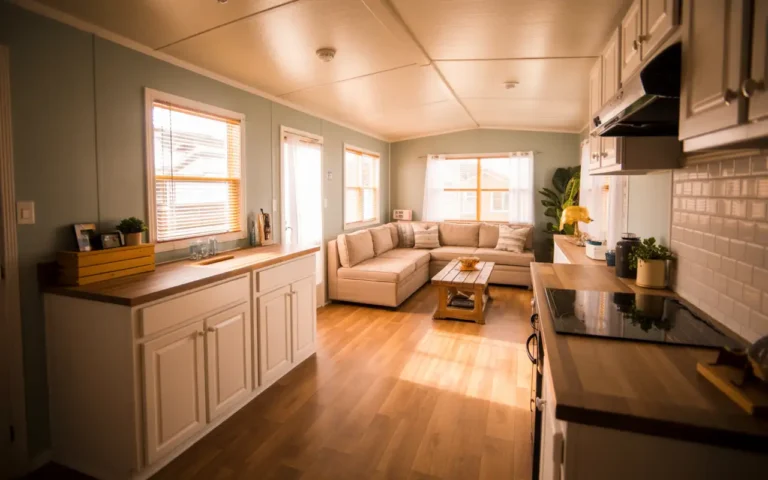
Yes, you can definitely remodel a mobile home, but it’s different from remodeling a traditional stick-built house. Mobile homes are constructed using lighter materials and different building techniques, which means you’ll need to approach renovations with these factors in mind. The good news? Most areas of your mobile home can be updated or replaced. From flooring and cabinets to plumbing fixtures and siding, the possibilities are extensive.
However, you’ll want to be mindful of weight restrictions, structural support, and the specific materials designed for manufactured homes. Some projects you can tackle yourself with basic DIY skills, while others might require professionals who understand mobile home construction. The key is planning carefully and understanding what your home can handle structurally.
Key Differences Between Remodeling Mobile Homes vs. Traditional Homes
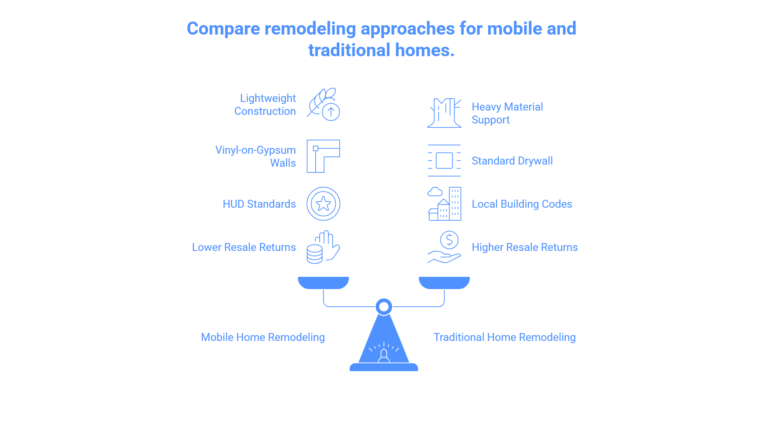
Understanding how mobile home remodeling differs from traditional home renovation helps you avoid costly mistakes and set realistic expectations.
- Structural considerations are perhaps the biggest difference. Mobile homes use a steel frame chassis and lightweight construction, meaning they can’t always support the same weight as traditional homes. Heavy materials like thick granite countertops or ceramic tile might require additional reinforcement. The walls are thinner and may not support heavy cabinets without proper anchoring.
- Material differences also come into play. Mobile homes often use materials specifically designed to be lighter yet durable. Standard drywall can sometimes be too heavy, so many mobile homes use vinyl-on-gypsum (VOG) wall panels. Flooring systems are built differently, with particleboard subflooring being common, which affects what you can install on top.
- Building code requirements vary significantly. While traditional homes follow local residential building codes, mobile homes must comply with HUD (Housing and Urban Development) standards set at the federal level. This means certain modifications might need special approval or inspection.
- Resale value impact works differently too. While renovations to traditional homes often return 60-80% of their cost, mobile home improvements typically see lower returns. However, strategic upgrades can still make your home more marketable and comfortable to live in.
Benefits of Remodeling a Mobile Home
Remodeling your mobile home offers numerous advantages that make the investment worthwhile. First, it’s typically much more affordable than buying a new manufactured home or moving into a traditional house. You can transform your space for a fraction of the cost while staying in a location you love.
Personalization is another huge benefit. Your mobile home becomes truly yours when you choose finishes, colors, and layouts that reflect your style. Whether you’re updating that outdated 1970s mobile home interior or modernizing a 1990s model, the transformation can be dramatic.
Energy efficiency improvements often come with remodeling projects. Adding insulation, upgrading windows, or installing energy-efficient appliances can significantly reduce your utility bills while making your home more comfortable year-round.
Perhaps most importantly, remodeling extends your home’s lifespan. By addressing wear and tear, fixing underlying issues, and updating critical systems, you’re essentially giving your mobile home a second life. This is especially valuable if you’re in a great location or have a low rent that makes staying put financially smart.
Common Remodeling Projects for Mobile Homes
Kitchen Remodeling
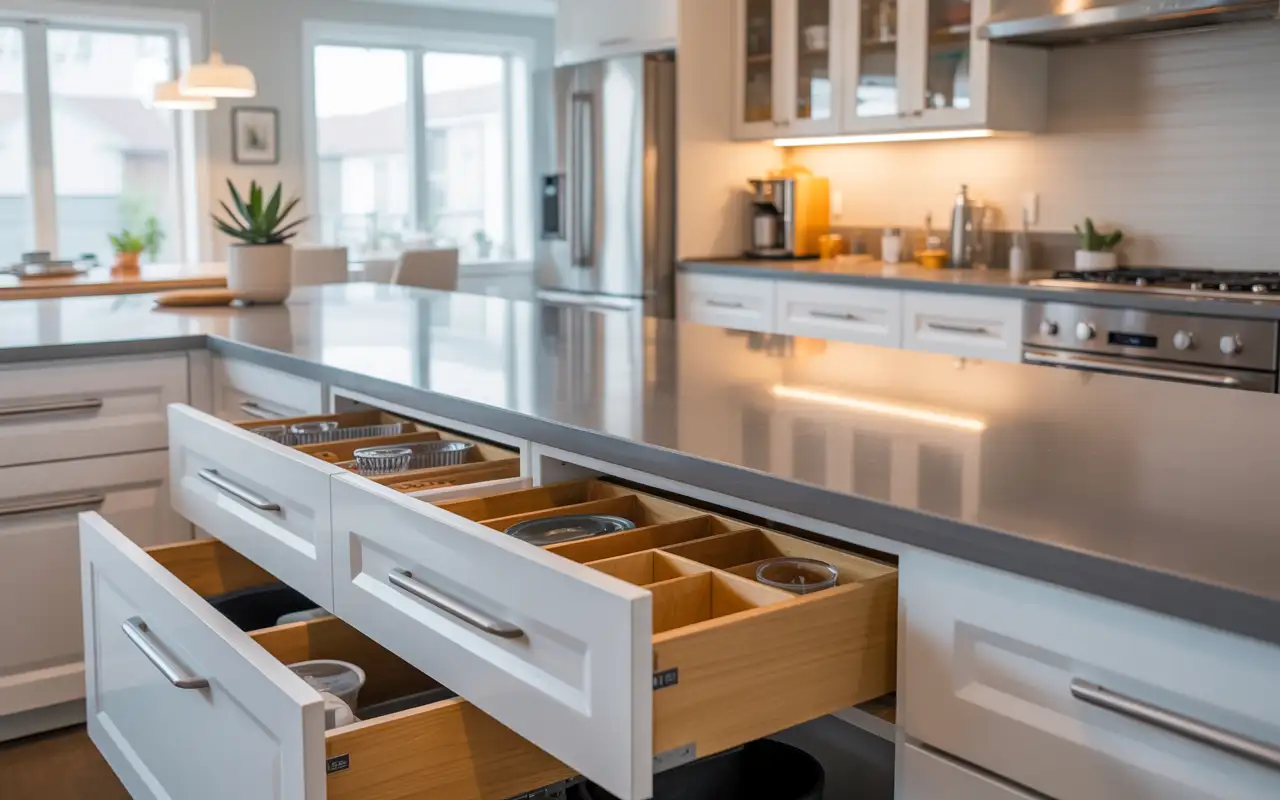
The kitchen is often the first area homeowners tackle during a mobile home renovation. Replacing outdated cabinets, updating countertops, and installing new appliances can completely transform the space. Consider lightweight materials like laminate countertops or butcher blocks instead of heavy stone. Peel-and-stick backsplash tiles offer an easy, budget-friendly way to add style without the weight or mess of traditional tile installation.
Bathroom Upgrades
Bathroom remodels deliver significant impact in mobile homes. Replace old fixtures, update the vanity, install a new shower surround, or even reconfigure the layout if space allows. Moisture control is critical in mobile home bathrooms, so ensure proper ventilation and use mold-resistant materials. These mobile home upgrades not only improve functionality but also create a more luxurious feel in a typically small space.
Flooring Replacement
Old carpet, damaged linoleum, or worn vinyl can make your entire home feel dated. Luxury vinyl plank (LVP) flooring has become incredibly popular for mobile homes because it’s lightweight, durable, water-resistant, and looks like real wood. Laminate is another excellent option that’s easy to install and budget-friendly.
Wall and Ceiling Updates
Refreshing walls can mean anything from simple painting to replacing outdated paneling with modern materials. If you have VOG panels, you can paint them or cover them with tongue-and-groove planking for a farmhouse look. Popcorn ceiling removal or adding beadboard to ceilings creates a more contemporary appearance.
Exterior Improvements
Don’t forget the outside. New siding, a fresh roof, updated skirting, or additions to manufactured homes like porches and decks dramatically improve curb appeal. These exterior mobile home upgrades protect your investment while making your home look more like a traditional house.
What Parts of a Mobile Home Can Be Remodeled
You may change or alter almost every part of your mobile home. Renovating kitchens and bathrooms is the most prevalent type of home improvement, as they have the greatest impact on daily life and resale value. You can change the flooring in every room of the house, paint all the walls, put in new windows and doors, and even change the outside of the house by adding new siding or roofing.
But some places need greater care. Sometimes load-bearing walls can be changed, but an expert needs to review them first. You can replace the roof structure, but you need to know how the truss system works. You can improve your plumbing and electrical systems. Still, you’ll need licensed professionals to make sure they are safe and up to code. If the house has settled over time, you can even improve the foundation and leveling.
Limitations and Challenges of Mobile Home Remodeling
While the possibilities are extensive when you renovate a mobile home, there are real limitations to consider. The biggest challenge is structural support. Mobile homes aren’t built to handle the same weight loads as traditional homes, so heavy materials might require additional reinforcement or simply aren’t feasible.
Non-standard dimensions can be frustrating. Doors, windows, and even appliances in mobile homes often have different measurements than standard residential versions. This might mean custom orders or creative solutions that add to your budget.
Finding contractors experienced with manufactured home renovation can be difficult. Many general contractors aren’t familiar with the unique construction methods, which could lead to mistakes or hesitation to take on the project.
Financing can also be trickier. Traditional home improvement loans may have stricter requirements for mobile homes, and you might face higher interest rates or need to explore alternative lending options.
Moisture and insulation issues are common in older mobile homes and might be uncovered during renovations. Addressing these underlying problems is essential but can add unexpected costs to your project.
How to Remodel a Mobile Home: Step by Step Guide
Planning and Budgeting
Start by making a detailed list of what you want to accomplish and prioritize projects based on necessity and impact. Research costs for materials and labor in your area, then add at least 20% to your budget for unexpected expenses. Decide which projects will happen now and which can wait for future phases if money is tight.
Checking Local Rules and Permits
Contact your local building department to understand permit requirements. Even though mobile homes follow HUD codes, local jurisdictions often have additional rules. If you’re in a mobile home park, check with park management about restrictions on exterior modifications or additions to manufactured homes. Getting proper permits protects you legally and ensures work meets safety standards.
Hiring Professionals vs DIY
Assess your skill level honestly. Simple projects like painting, installing flooring, or replacing fixtures can often be DIY projects that save money. However, anything involving plumbing, electrical work, structural changes, or roofing should involve licensed professionals. Look specifically for contractors experienced with manufactured housing; their expertise will save you headaches and potentially costly mistakes.
Choosing Materials Made for Mobile Homes
Select materials appropriate for mobile home construction. Lightweight options for countertops, flooring, and fixtures prevent overloading the structure. Use materials specifically rated for mobile homes when available, as they’re designed to work with the home’s construction methods and movement characteristics. This is especially important for sealants, adhesives, and fasteners.
Final Inspections and Finishing Work
Once the work is complete, have it inspected if permits were required. Walk through with your contractor to address any punch list items. Taking time with finishing touches like trim work, caulking, and paint touch-ups these details make the difference between a mediocre remodel and a professional-looking transformation.
How Much Does It Cost to Remodel a Mobile Home in 2026?
The mobile home renovation cost varies widely depending on project scope and location. Small cosmetic updates like painting, new flooring in one room, or replacing fixtures might run $2,000-$5,000. These DIY-friendly projects offer great bang for your buck.
Mid-range renovations including kitchen or bathroom remodels typically cost $5,000-$15,000. This might include new cabinets, countertops, appliances, flooring, and fixtures. A single wide mobile home remodel at this level can transform your space without breaking the bank.
Large-scale renovations involving multiple rooms, structural work, or additions can cost $15,000-$40,000 or more. Completely gutting and renovating an older mobile home falls into this category.
Keep in mind that doing work yourself can cut costs significantly sometimes by 50% or more. However, factor in your time, tool purchases, and the learning curve. Getting multiple quotes from contractors helps you understand the market rate in your area.
Tips to Increase Value When Remodeling a Mobile Home
Put your energy into the tasks that matter most to buyers: kitchens, bathrooms, and the outside of the house. These regions can give you the most money back when you fix up a manufactured home. Please don’t make the finishes too personal; keep them neutral and modern so that future customers can picture their own style.
Don’t make your home too nice for your area. If the mobile homes around you are small and yours is too nice, you can have trouble getting your money back. Don’t let your home become the most costly one in the park; instead, match or slightly exceed the area’s benchmark.
Fix any problems with the building before making cosmetic changes. No matter how nice your kitchen looks, a leaky roof or plumbing problems will make buyers run for the hills. Buyers who are careful with their money enjoy energy-efficient upgrades such as improved insulation, new windows, or more efficient HVAC systems. These changes really increase value.
How Mobile Home Remodels Affect Resale Value
Honestly, mobile homes appreciate differently than traditional houses, so renovation returns are typically lower. While a traditional home kitchen remodel might return 60-70% of costs, mobile home improvements may only return 30-50%. However, this doesn’t mean renovations aren’t worthwhile.
Strategic improvements can make your home sell faster and for more than comparable unrenovated homes. A well-maintained, updated mobile home stands out in the market and attracts better offers. If you plan to stay in your home for years, the improved quality of life and functionality matters more than resale calculations.
The key is renovating smartly choosing projects that improve livability and marketability without overcapitalizing. Think of it as maintaining and improving your home rather than expecting major financial returns.
Conclusion
So, can you remodel a mobile home? Absolutely, and the results can be stunning. With careful planning, appropriate materials, and realistic expectations, you can transform your manufactured home into a beautiful, comfortable space that reflects your personal style. Whether you’re tackling a complete renovation or just freshening up a few rooms, the key is understanding what makes mobile home remodeling unique and working within those parameters.
If you’re in the San Diego area and need professional help with your project, San Diego Home Remodeling offers expert home remodeling services in San Diego tailored to manufactured housing. Remember, your mobile home has incredible potential. It just needs your vision and some strategic improvements to shine.
Frequently Asked Questions
Can you remodel the walls of a mobile home?
Yes, mobile home walls can be remodeled. You can paint existing VOG panels, install shiplap or beadboard over them, or even replace wall sections entirely. Just remember that mobile home walls are thinner than traditional homes and require special anchoring techniques for hanging heavy items.
Can you remove walls in a mobile home?
Some walls can be removed, but many are load-bearing and critical to the home’s structural integrity. Never remove walls without consulting a structural engineer or contractor experienced with mobile homes. The marriage wall (where two sections meet in a double-wide) is particularly important and should never be removed.
Can a mobile home be remodeled to look like a house?
Absolutely. With the right exterior updates like lap siding, a pitched roof, and proper landscaping, plus interior upgrades, your mobile home can look remarkably similar to a traditional house. Many people successfully eliminate the “mobile home” appearance through thoughtful renovations.
Do you need permits to remodel a mobile home?
It depends on your location and the scope of work. Cosmetic updates usually don’t require permits, but structural changes, electrical work, plumbing modifications, or additions typically do. Always check with your local building department before starting major projects.
How long does a mobile home remodel take?
The timeline varies by project size. Simple cosmetic updates might take a weekend to a few weeks. A complete kitchen or bathroom remodel usually takes 2-6 weeks. Whole-home renovations can take 2-4 months or longer, especially if you’re doing work in phases.
Does remodeling a mobile home increase resale value?
Yes, but typically not dollar-for-dollar. Well-executed renovations make your home more attractive to buyers and can increase selling price by 10-30% compared to unrenovated comparable homes. The real value often comes from improved livability and faster selling time rather than pure financial return.