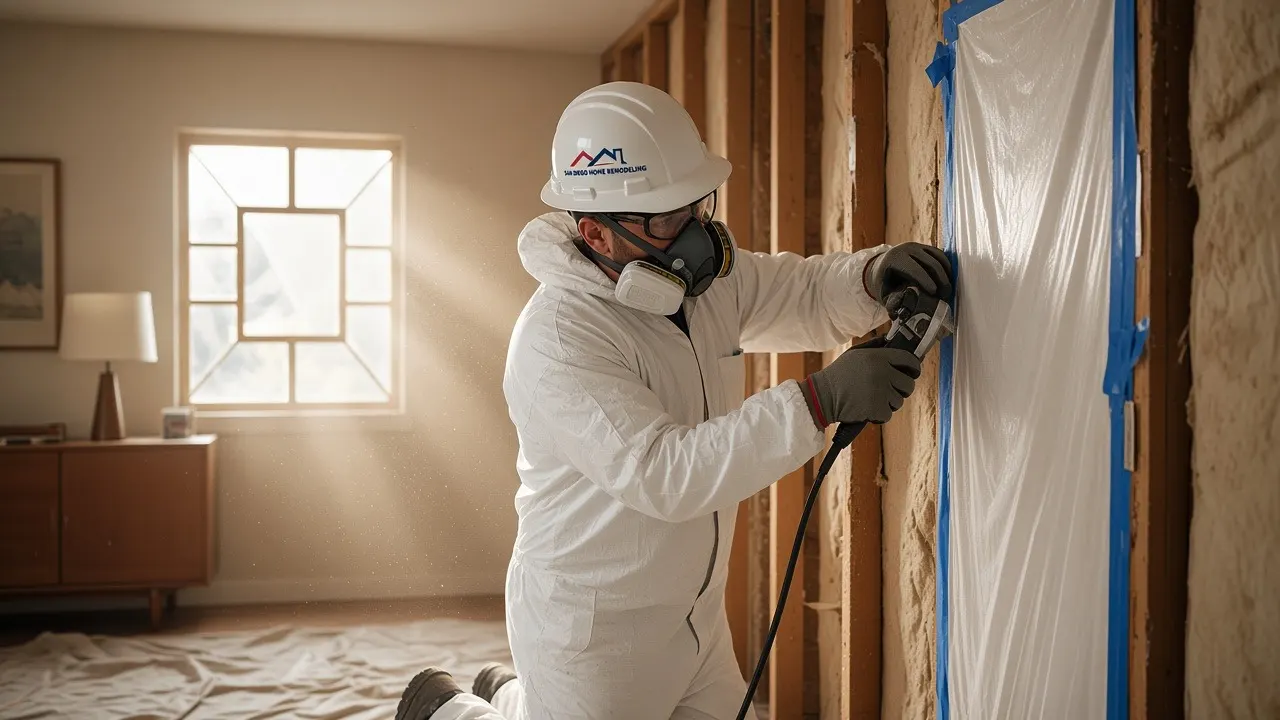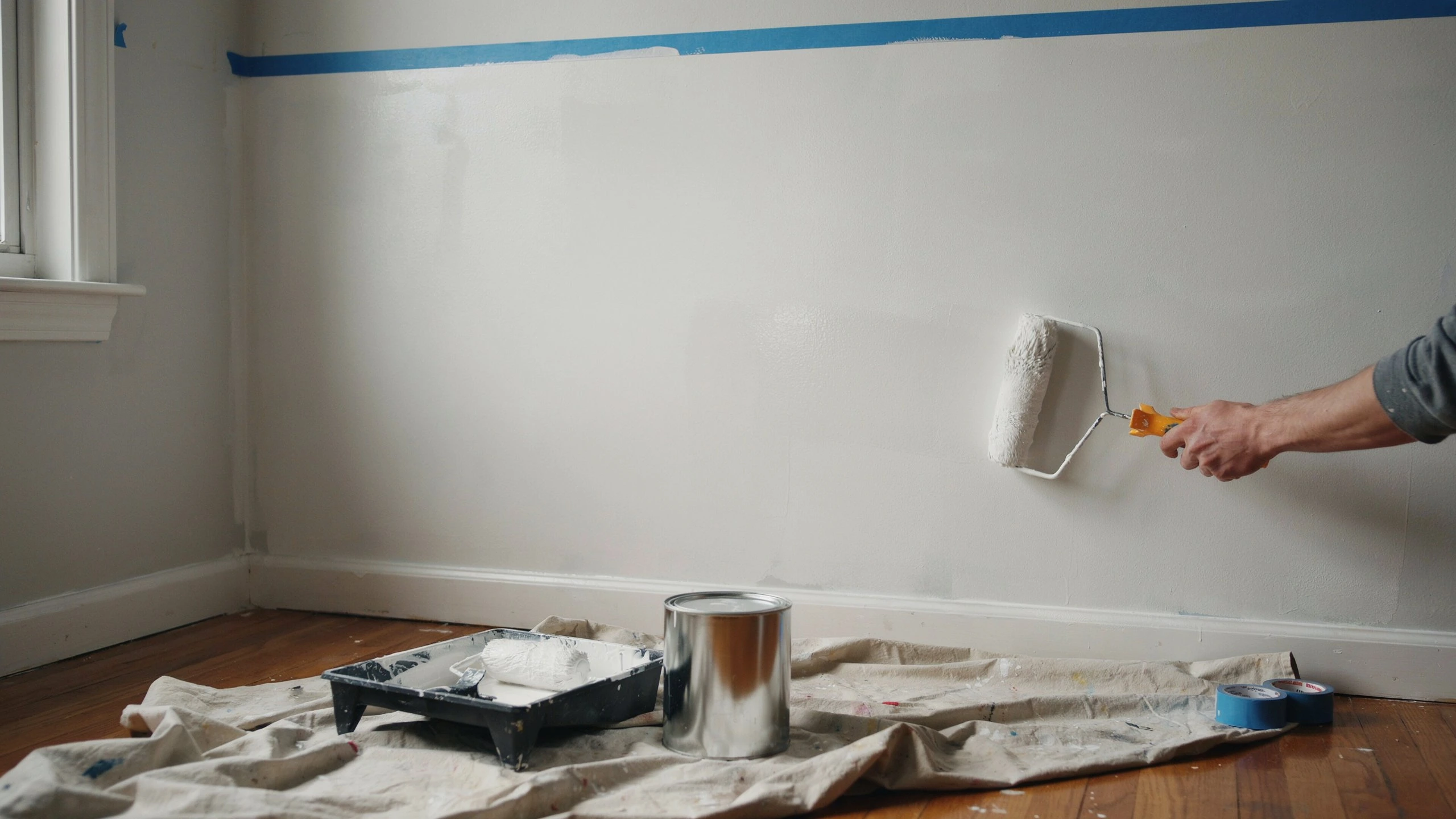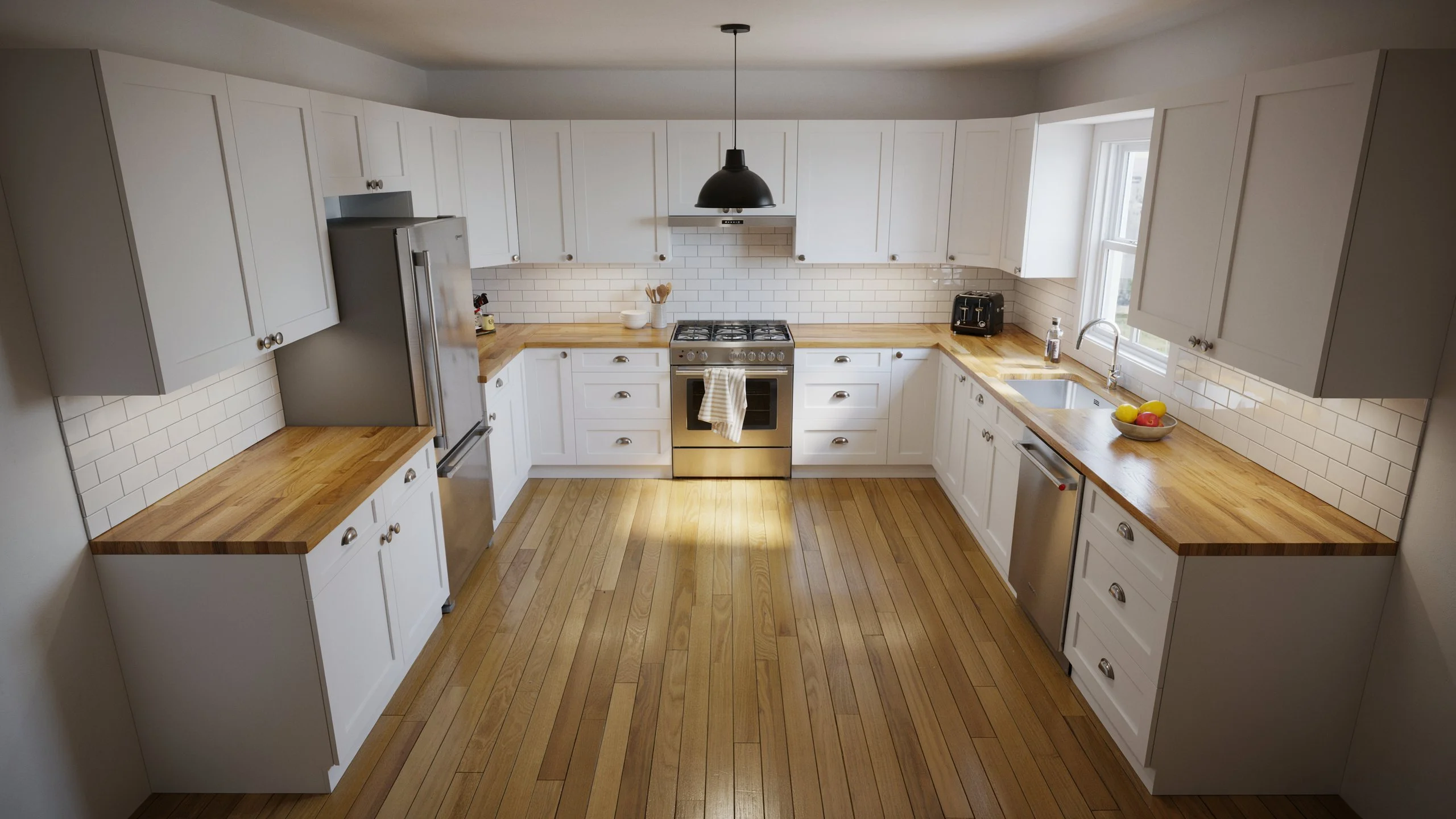
If you’ve been staring at dark, dated wood trim, cabinets, or furniture and wondering whether you really have to strip it all down before making a change, here’s the short version: yes, you can paint over stained wood, and you don’t need to be a professional to do it right. What matters more than the paint itself is what happens underneath it.
At San Diego home remodeling, we field this question on nearly every trim, cabinet, or built-in project, and the honest answer is that painting over stain works well when prepped properly, and fails fast when it isn’t. This guide covers what actually determines success.
Can You Paint Over Stained Wood? The Real Answer
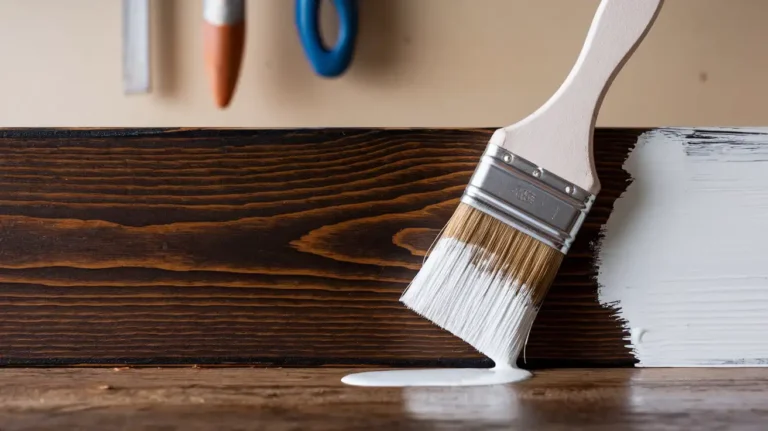
Yes, you can paint over stained wood, but the wood itself doesn’t decide whether the job holds up. The prep work does. Wood stain sits in the grain, and if you skip the right primer, that stain can bleed through your topcoat weeks or even months after you’ve finished the project. We’ve walked into homes where a homeowner painted over stains themselves, loved the result for a few weeks, then watched yellowish or brownish streaks creep through a bright white coat. That’s not a paint failure. That’s a prep failure.
Why Homeowners Choose to Paint Over Stained Wood
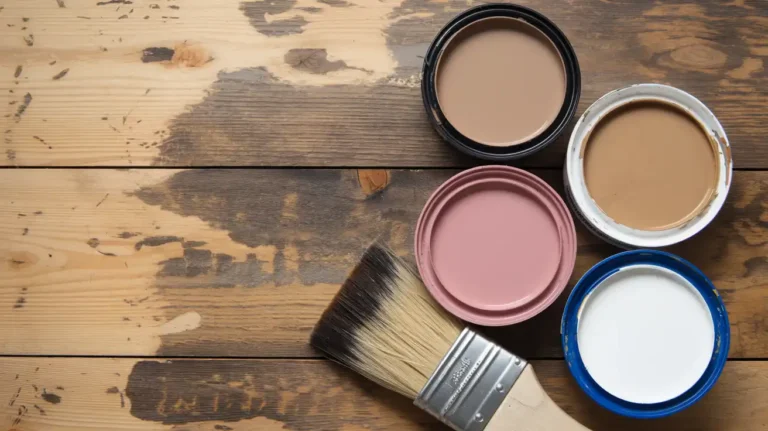
Most of the requests we get for painting over stained wood come from a simple shift in taste. Dark oak trim and cabinets were popular in San Diego builds through the 90s and early 2000s, and a lot of that wood is structurally fine, it just looks heavy in today’s brighter, more open interiors. Painting over stain lets homeowners update a room’s entire feel without tearing out solid, functional wood. It’s faster than replacing trim or cabinetry, and in most cases it costs a fraction of a full remodel.
The Real Risk: Tannin Bleed-Through
This is the part most guides gloss over, and it’s the single biggest reason DIY paint jobs on stained wood fail. Wood contains natural tannins, and dark stains are often oil-based, both of which can seep through a fresh coat of paint if they aren’t sealed off first. The tricky part is timing.
Bleed-through doesn’t always show up on day one. On a recent oak staircase project, the discoloration didn’t appear until nearly six weeks after the final coat, right around the time humidity shifted with San Diego’s marine layer season. If you see faint yellow or tan patches forming in spots that were previously stained darker, that’s early bleed-through, and it means the tannins won under the primer you used.
What You Need Before Painting Stained Wood
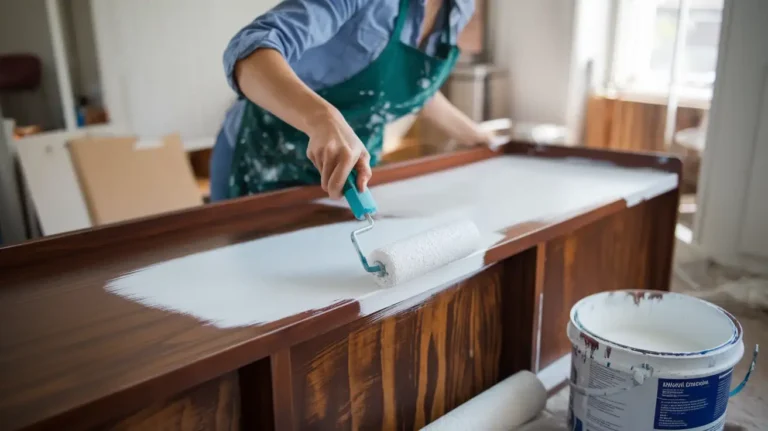
Before you touch a paintbrush, figure out whether you’re dealing with an oil-based or water-based stain. Wipe a small, hidden area with denatured alcohol on a clean rag. If the rag stays clean and the surface stays smooth, you’re looking at an oil-based stain. If the rag picks up color or the wood feels slightly rough afterward, it’s water-based. This one test determines which primer and paint will actually bond, so don’t skip it even if you’re confident about the wood’s age or finish.
Here’s what to have on hand before you start painting over stained wood:
- Mild degreaser and clean rags
- Liquid deglosser (if skipping heavy sanding)
- 180 and 220 grit sandpaper
- Wood filler for nail holes or gouges
- Paintable caulk for seams
- Stain-blocking primer suited to your stain type
- Quality latex or oil-based topcoat
- Angled brush and a smooth foam or microfiber roller
Do You Always Need to Sand Stained Wood Before Painting?
Not always, but it depends on the surface. The traditional method sands wood down to bare, which guarantees strong adhesion but takes real time and creates a lot of dust, especially indoors. Many of our crews now use a modern approach instead: a liquid deglosser followed by a light scuff sand, which breaks down the glossy topcoat without stripping the wood entirely. This method saves hours on a typical cabinet or trim job.
That said, sanding isn’t optional in every case. If the existing finish is a thick, glossy polyurethane, or if there’s built-up wax from years of furniture polish, deglosser alone won’t create enough texture for paint to grip. In those cases, skipping the sand step is how you end up with peeling paint six months later.
What Is the Best Primer for Stained Wood?
Primer choice is where most DIY paint jobs succeed or fail, more than the paint itself. Shellac-based primers are the strongest option for sealing tannins and old varnish, and they dry fast, which is useful on multi-piece jobs like cabinet doors. Oil-based primers offer excellent adhesion on stubborn, glossy surfaces but take longer to cure. Water-based bonding primers are a lighter-duty option, good for lightly stained wood in good condition, but they’re not always strong enough to block heavier tannin bleeds on their own.
As a general rule: heavily stained, glossy, or older wood calls for a shellac-based primer. Lightly stained or newer wood in good shape can often get away with a water-based bonding primer. When in doubt, shellac is the safer bet.
What Type of Paint Works Best on Stained Wood?
Once the primer is down and cured, latex paint is the most common topcoat for painting over stained wood, especially for interior trim, cabinets, and furniture, since it dries with less odor and stays flexible over time. Oil-based paint offers a slightly harder, more durable finish but takes longer to cure and yellows faster in direct sun, which matters a lot in bright, south-facing San Diego rooms.
For finish sheen, satin or semi-gloss holds up best on trim and cabinets since it wipes clean easily. Matte finishes look great on furniture but show fingerprints and scuffs faster on high-traffic surfaces like stair rails or kitchen cabinet doors.
How to Paint Over Stained Wood Step by Step
- Clean the surface with a degreaser and let it dry fully.
- Test the stain type using the alcohol test above.
- Apply deglosser or scuff sand, depending on the finish.
- Fill nail holes and gouges, then caulk any open seams.
- Sand filler and caulk smooth once dry.
- Apply one full coat of stain-blocking primer.
- Let primer cure per label directions, typically 24 hours.
- Lightly sand the cured primer and wipe away dust.
- Apply two thin coats of your chosen topcoat, letting each dry fully.
- Allow the final coat to cure before placing heavy use on the surface.
Interior vs. Exterior Considerations
Painting over stained wood indoors is a different job than doing it outside, and this is a step a lot of guides skip entirely. Exterior wood deals with UV exposure, temperature swings, and San Diego’s coastal moisture, all of which put more stress on both primer and topcoat. For exterior trim, doors, or fencing, an exterior-grade oil-based or acrylic primer paired with a UV-resistant topcoat will hold up far longer than interior-grade products. Interior wood has more flexibility in product choice since it isn’t fighting weather, but it still needs the same tannin-blocking primer if bleed-through is a risk.
Common Mistakes to Avoid
The most common mistake we see is skipping the stain-type test and grabbing whatever primer is on hand. Under-priming, meaning applying only one thin coat when the stain calls for two, is another frequent issue, especially on darker wood. Painting directly over old wax buildup without removing it first is a quiet failure point, since wax prevents proper adhesion no matter how good the primer is. Rushing cure times between coats and skipping a small test patch before committing to the whole surface round out the list of mistakes that turn a good plan into a redo.
Can You Paint Different Types of Stained Wood?
Furniture generally takes paint well since it’s often a smaller, controlled surface, though older pieces with heavy wax layers need extra prep. Doors and trim benefit from the deglosser method since they’re usually in good structural shape and just need surface prep. Cabinets are the trickiest category because kitchen grease and years of hand oils build up on top of the stain, so a stronger degreasing step matters more here than almost anywhere else. Outdoor wood needs weather-rated products above anything else, since standard interior primer and paint won’t hold up to sun and moisture long term.
When You Shouldn't Paint Over Stain
Not every piece should be painted. Antique or high-value wood often loses resale and sentimental value once painted, since the original grain and finish are part of what makes it valuable. Structural damage or rot needs to be addressed before any paint goes on, since paint won’t fix an underlying wood problem, it will only hide it temporarily. In some cases, especially with quality solid wood furniture, stripping and re-staining makes more sense than painting if you want to preserve the wood’s natural character while still refreshing its look.
Troubleshooting: What If Bleed-Through Already Happened?
If you’re already seeing yellow or brown patches through a finished paint job, don’t add another coat of the same paint over it, since that almost never solves the problem. Lightly sand the affected area, apply a fresh coat of shellac-based primer directly over the stained spot, let it cure fully, then repaint just that section with your topcoat. This targeted fix is usually enough without redoing the entire surface, as long as you catch it early.
How Long Does Painted Stained Wood Last?
With proper prep, painted stained wood can look good for eight to twelve years indoors before it needs a refresh, and even longer on furniture that sees light use. Exterior surfaces typically need attention sooner, often within three to five years, due to constant weather exposure. The primer step is what most affects this timeline. Jobs where we’ve used the correct stain-blocking primer have held up noticeably longer than jobs that skipped it, even when the topcoat paint was identical.
Should You Paint or Re-Stain Wood?
This comes down to what you want out of the piece. Painting over stain gives you a completely new color and a clean, modern look, and it’s typically faster and less expensive than stripping wood back to bare and applying a new stain. Re-staining preserves the natural wood grain and works better for pieces where the material itself is part of the appeal. If you’re on the fence, ask whether you’d rather see the wood grain through the finish or cover it completely, since that’s usually the deciding factor.
When to Hire Professional Painters
Small furniture pieces and single doors are reasonable DIY projects for most homeowners. Larger jobs, like painting over stained wood on a full staircase, extensive built-in cabinetry, or multi-story exterior trim, are worth handing off to a professional, especially if the home was built before 1978, since lead-safe practices matter on older stained surfaces. If you’re in San Diego and want the prep, priming, and finish work handled correctly the first time, our Painting Services in San Diego team handles projects at every scale, from single cabinet doors to full-home repaints.
Quick-Reference Checklist
- Test stain type before choosing a primer
- Clean and degrease the surface fully
- Sand or deglost depending on the existing finish
- Fill, caulk, and sand smooth
- Apply a stain-blocking primer suited to your wood
- Let primer cure fully before topcoating
- Apply two thin coats of paint, not one thick coat
- Watch for bleed-through over the following weeks
Conclusion
So, can you paint over stained wood? Yes, and when it’s done with the right prep, primer, and paint, the results hold up for years rather than months. The difference between a paint job that lasts and one that peels or bleeds through almost always comes down to what happens before the paint ever goes on. If you’d rather skip the trial and error, San Diego home remodeling is happy to walk through your project with you. Contact us to talk through your specific wood, stain, and timeline, and we’ll help you get it right the first time.
FAQs
Can you paint over stains without sanding?
Yes, in many cases a liquid deglosser combined with a light scuff sand is enough to prep the surface without sanding down to bare wood. This works well on wood in good condition, though heavily glossy or waxed surfaces still need a proper sand for the paint to hold.
Does painting over stained wood devalue furniture?
It can, particularly with antique or solid wood pieces where buyers value the original grain and finish. For everyday furniture and trim, painting over stain typically doesn’t affect value and often makes the piece more appealing to current buyers.
How long should primer cure before painting over stained wood?
Most stain-blocking primers need about 24 hours to cure fully before a topcoat goes on. Painting too soon over uncured primer is a common reason bleed-through or adhesion problems show up later.
Can you paint over a dark stain with white paint?
Yes, but dark stains need a stronger stain-blocking primer, usually shellac-based, since white paint shows any bleed-through far more obviously than darker colors. Skipping a proper primer on dark stained wood is one of the fastest ways to see yellow or tan discoloration through a white topcoat.
Do you need to seal wood after staining before painting over it?
If the stain was recently applied and hasn’t fully cured, sealing it with a stain-blocking primer before painting is important to prevent bleed-through. Older, fully cured stain still needs a primer, just to ensure proper adhesion rather than sealing an active reaction.