Remodeling your stairs is one of the most effective ways to refresh your home’s interior design. A staircase makeover can quickly transform a tired entryway into a modern, welcoming focal point, increasing both the visual appeal and the value of your property. If you have been searching how to remodeling outdating stairs, you are ready for a comprehensive plan to get the job done right. This ultimate guide will walk you through the structural checks, material choices, and detailed steps needed to achieve a professional-level stair remodel.
Why Should You Remodel Your Stairs?

The main reason homeowners tackle a staircase remodel is the dramatic impact it has on the entire house. An outdated staircase, often featuring worn carpet or chunky wooden spindles, can make a whole room feel stuck in another decade. Refurbishing an old staircase not only improves the overall aesthetics but also addresses crucial issues like safety and noise. Modern railings and durable materials significantly improve the functionality of high-traffic areas, ensuring your investment lasts.
Assessing the Idea of How to Remodel Old Stairs
Before you start tearing out spindles, it is essential to evaluate the current condition of your stairs. A successful renovation begins with a thorough assessment.
- Structural Integrity: Check for signs of wear and tear, loose treads, or cracking. If the stringers, the main support beams, are damaged or compromised, you will need a full structural repair, which should involve a professional.
- The Squeak Test: Walk up and down the staircase slowly. Loose components are the primary cause of noise. Fixing squeaky steps now will ensure your new design sits on a safe and stable base.
- Building Code Check: All stair remodels must meet local building codes, especially for riser height and handrail height. Understanding these codes is critical for safety and avoiding costly re-work later.
DIY Squeak Fix: How to Silence Your Stairs Before You Remodel
You can fix most squeaks from the top of the stairs, which is ideal if you do not have access to the underside. This DIY fix is a necessary prep step to achieve quiet, solid stair remodels.
- Locate the Squeak: Mark the spot on the tread where the noise is loudest.
- Lubricate the Joint: Sprinkle a small amount of talcum powder or powdered graphite into the seam where the tread meets the riser. Walk on the step to work the lubricant into the gap, which reduces friction.
- Secure the Tread: If the squeak persists, the tread is loose from the stringer. Drill two pilot holes at opposing 45-degree angles through the tread and into the stringer below. Use trim screws to securely fasten the wood.
- Conceal: Countersink the screw heads slightly below the surface. Fill the holes with wood filler, sand smooth when dry, and then refinish.
Choosing the Right Materials for a Modern Look
One of the most exciting parts of learning how to remodel outdated stairs is selecting materials. The right combination can redefine your space.
Material Type | Pros | Cons | Ideal Style |
Hardwood (Oak, Maple) | Highest durability, timeless, high resale value. | Highest cost, requires professional-grade sealing. | Classic, Elegant, Modern Farmhouse. |
Laminate/Engineered Wood | Cost-effective, easy to install over existing treads, wide variety of colors. | Can be prone to peeling on the tread nosing, reduced lifespan compared to solid wood. | Budget-Friendly Update, Transitional. |
Paint | Cheapest option, great for an instant refresh. | Requires frequent touch-ups, can be slippery if not treated with non-slip additives. | Cottage, Modern Contrast. |
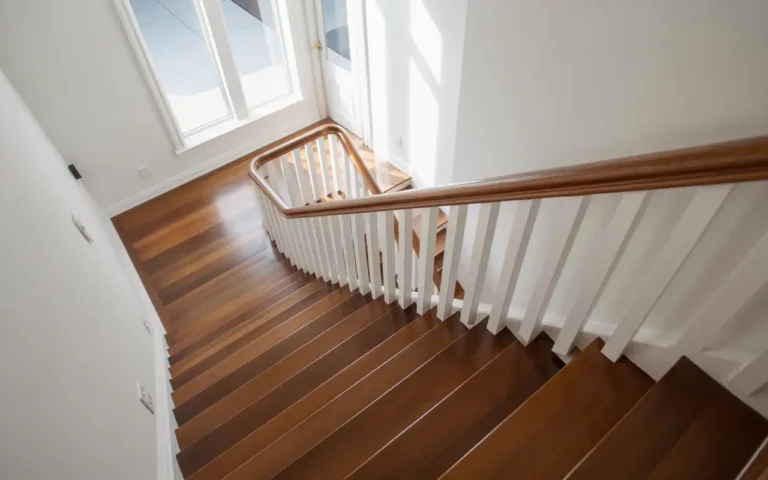
To achieve a modern look, consider using hardwood stair treads for warmth and combining them with lighter elements. For instance, wooden stairs with white railing or white risers creates a sharp contrast that looks clean and contemporary.
How to Remodeling Outdating Stairs the Right Way
Step 1: Remove Old Materials Safely
Start by clearing the area around your stairs. Cover floors and nearby furniture with drop cloths. Wear safety glasses and gloves throughout the process.
If you’re removing carpet, pull it up from the top step first. Work your way down, removing tack strips and staples as you go. Use a pry bar carefully to avoid damaging treads underneath. Old adhesive comes off with a scraper and mineral spirits.
Take photos before you remove anything. These pictures help if you need to match existing elements or troubleshoot installation problems later. Number each piece as you remove it so reassembly makes sense.
Step 2: Repair Structural Issues First
Fix squeaks by driving screws through treads into stringers below. Add construction adhesive between treads and risers for extra stability. Replace any cracked or damaged treads completely rather than patching them.
Check stringers for rot or insect damage. These support beams carry all the weight, so they must be solid. Serious stringer damage requires professional repair since it affects structural integrity and building code compliance.
Tighten loose newel posts by adding lag bolts or new fasteners. The newel anchors your entire railing system, so it needs rock-solid attachment to the floor and framing.
Step 3: Install New Treads and Risers
Cut new treads to exact measurements using a circular saw or miter saw. Sand all edges smooth to prevent splinters. Apply your chosen finish before installation to avoid drips on walls or floors.
Use construction adhesive and finishing nails to secure treads. Pre-drill nail holes to prevent splitting. Make sure each tread sits level and flush against risers. Even small gaps collect dirt and look unfinished.
Paint or stain risers to complement treads. Many modern designs use contrasting colors like dark treads with white risers. This two-tone approach adds visual interest and makes stairs appear larger.
Step 4: Update Lighting for Safety and Style
Lighting transforms stairs from functional to beautiful. LED strip lights installed under each tread create a floating effect while illuminating steps clearly. These systems connect to motion sensors for automatic activation.
Recessed ceiling lights positioned directly above the staircase eliminate shadows. Space them evenly for consistent coverage. Use dimmable LED bulbs to adjust brightness based on time of day.
Wall sconces at landing areas provide ambient light without taking up space. Choose fixtures that match your home’s style whether traditional, modern, or transitional.
Under-tread illumination costs between $200 and $600 for a standard staircase. Professional installation adds another $300 to $500 but ensures proper wiring and code compliance.
Step 5: Consider Professional Help for Complex Changes
Simple cosmetic updates work fine as DIY projects. Refinishing treads, painting risers, and replacing basic balusters fit within most homeowners’ skill levels. Budget two to three days for a straightforward makeover.
Structural changes require licensed contractors. Moving walls, changing stair configuration, or replacing stringers involves permits and inspections. Hiring professionals costs more but protects you from code violations and safety hazards.
Get multiple quotes before hiring anyone. Ask for references and photos of completed stair remodels. Verify licenses and insurance coverage. A reputable contractor explains the process clearly and provides a detailed written estimate.
National costs for professional staircase remodels range from $3,000 to $10,000 depending on scope. Basic updates like new balusters and refinishing run $1,500 to $4,000. Complete rebuilds with custom elements can exceed $15,000 for premium materials and complex designs.
How to Update a Stair Railings and Balusters
The stair railing is often the most prominent feature. Upgrading the railing system can make a large difference in the overall look.
- Choose Your Style: For a staircase renovation ideas focused on a modern look, replace bulky wooden spindles with sleek metal balusters or a cable railing system. If you prefer a mixed material approach, keep a wooden handrail but replace the vertical elements.
- Newel Post Installation: The newel post is the anchor of the railing. Install the new post first, ensuring it is plumb and rigidly secured to the floor or staircase structure.
- Baluster Installation: Install the handrail between the newel post and the wall. Then, measure each baluster individually. Replacing the outdated railing with modern, slender balusters is one of the best ways to update staircase railing and achieve a clean, modern aesthetic. The classic combination of wooden stairs with white railing remains a popular choice for homeowners.
Adding Finishing Touches That Make a Difference
Small details separate good stair remodels from great ones. These final touches add personality while solving practical problems.
Runner rugs reduce noise and add comfort to hard surfaces. Measure your stairs carefully when ordering custom runners. Standard widths leave 3 to 4 inches of exposed tread on each side. Secure runners with non-slip pads underneath to prevent shifting.
Wall trim and molding clean up the transition between stairs and walls. Install quarter-round or shoe molding where treads meet walls. Paint it to match baseboards throughout your home for a cohesive look.
Decorative newel caps add architectural interest to post tops. Options range from simple balls to elaborate carved designs. Match cap style to your home’s overall aesthetic whether traditional, craftsman, or contemporary.
Stair nose molding protects tread edges from chips and wear. It also provides a finished edge that looks professional. Choose metal nosing for modern looks or wood to match existing treads.
Paint walls alongside your staircase during the remodel. Fresh paint makes new stairs pop and hides marks from construction. Use semi-gloss or satin finishes that wipe clean easily since stairwell walls get touched frequently.
Check staircase remodel before and after photos online for inspiration. Notice how lighting, paint colors, and small details combine to create dramatic transformations. Save images that match your goals to guide your own project.
Maintaining Your Newly Remodeled Stairs
After putting time and money into a successful renovation, proper maintenance is key to protecting your investment.
- Cleaning: Use gentle, wood-safe cleaners on hardwood. Avoid excessive moisture, which can damage the finish and lead to squeaks down the line.
- Finishes: Routinely check the finish on your treads, especially in the center where foot traffic is heaviest. Reapply a clear coat of polyurethane every few years to prevent wear and tear.
- Safety Check: Regularly check for any loose balusters or handrail sections.
Conclusion
A staircase remodel changes how your entire home feels and functions. You’ve learned how to remodeling outdating stairs through careful assessment, smart material choices, and proper installation techniques. Whether you tackle updates yourself or hire professionals, the result adds value and beauty to your property.
Your stairs deserve the same attention you give other important spaces. Just like quality bathroom remodeling or kitchen remodeling services in San Diego transform those rooms, your staircase makeover creates a stunning centerpiece that impresses guests and makes daily life more enjoyable.
San Diego Home Remodeling specializes in helping homeowners create beautiful, functional spaces throughout their properties. From comprehensive home remodeling in San Diego ca to focused staircase updates, professional guidance ensures your project meets your vision and budget.
Start planning your staircase transformation today. The right updates turn outdated stairs into a feature you’ll love for decades.
Frequently Asked Questions
How much does it cost to remodel outdated stairs?
National costs range from $1,500 to $10,000 depending on project scope. Basic refinishing and new balusters cost $1,500 to $4,000. Complete rebuilds with custom materials run $6,000 to $15,000 or more.
Can I remodel stairs without replacing them completely?
Yes. Most stair remodels involve refinishing existing treads, updating railings, and adding new finishes rather than full replacement. This approach saves money while achieving dramatic results.
What is the best material for stair treads?
Hardwood like oak or maple offers the best combination of durability, appearance, and value. These woods resist wear, accept stains beautifully, and last decades with proper care.
How long does a typical stair remodel take?
Simple cosmetic updates take 2 to 3 days. Comprehensive remodels with new treads, railings, and structural work require 1 to 2 weeks depending on complexity.
Do I need permits to remodel my stairs?
Cosmetic changes like painting and refinishing rarely require permits. Structural modifications, railing height changes, or stair configuration alterations need permits and inspections in most areas.
Is it safe to remodel stairs myself?
DIY works well for cosmetic updates like refinishing, painting, and replacing simple balusters. Hire licensed professionals for structural changes, code compliance issues, or complex custom work.
How do I choose between wood and metal railings?
Consider your home’s style and maintenance preferences. Wood suits traditional homes and feels warm but needs refinishing every few years. Metal works in modern spaces, requires less maintenance, and costs more upfront.
What are common mistakes to avoid during stair remodeling?
Skipping structural repairs before cosmetic updates, ignoring building codes, using wrong materials for high-traffic areas, and poor measurements top the list. Always fix safety issues first.
How often should I refinish hardwood stair treads?
Refinish every 3 to 5 years depending on traffic levels. Heavy use requires more frequent attention. Sand and apply new polyurethane when finishes show wear or scratches multiply.
Can lighting really make a difference in stair safety?
Absolutely. Proper lighting prevents trips and falls by clearly showing each step’s edge. LED strips under treads or recessed ceiling lights dramatically improve visibility and add modern style.