You just finished painting a bedroom. The walls look fresh and clean, and you’re tempted to just close the door and call it a night. But something makes you pause that sharp, chemical smell still hanging in the air. You start to wonder: is it safe to sleep in a freshly painted room?
It’s a fair question, and the honest answer is: it depends. It depends on the type of paint used, how well the room is ventilated, and how much time has passed since the last coat dried. At San Diego Whole Home Remodeling, we get this question often, especially from homeowners who’ve just had interior rooms painted and want to get back to their normal routine as quickly as possible. In this guide, we’ll walk you through what the research says, what the real risks are, and how to know when it’s actually safe.
Table of Contents
What's Actually in Paint Fumes and Why It Matters
When paint dries, it releases what are called volatile organic compounds, or VOCs. These are chemical gases that evaporate into the air at room temperature. Some common VOCs found in paint include formaldehyde, benzene, toluene, and xylene. At high concentrations especially in a small, enclosed space with poor airflow these compounds can cause:
- Headaches and dizziness
- Nausea or throat irritation
- Eye and skin sensitivity
- Difficulty breathing, particularly in people with asthma or allergies
The critical point here is that paint fumes don’t stop being released just because the wall looks dry. The surface may feel dry to the touch within an hour or two, but the off-gassing process, the slow release of VOCs, continues for days or even weeks after painting. This is especially true for oil-based paints.
Oil-Based vs. Latex Paint: A Key Difference
If you’re asking how long after painting you can sleep in a room, the type of paint used is the single most important factor.
How long does it take an oil painting to dry? Oil-based paints typically take 6 to 8 hours to feel dry on the surface, but they continue to cure and release fumes for up to two weeks. Sleeping in a room painted with oil-based paint too soon is genuinely risky, especially for children, elderly individuals, or anyone with respiratory issues.
Water-based latex or acrylic paints are a different story. They dry faster, emit far fewer VOCs, and the fumes dissipate more quickly with proper ventilation. In most cases, you can safely sleep in a room painted with low-VOC latex paint within 24 to 48 hours provided the room has been well-ventilated throughout.
Zero-VOC paints, which have become increasingly popular in residential projects, are the safest option. They’re ideal for bedrooms, nurseries, and any space where air quality matters most.
How Long Do Paint Fumes Last Indoors?
This is one of the most searched questions around interior painting and the answer varies more than most people expect.
General timeline for paint fume dissipation:
- Water-based / latex paint: Surface dry in 1–2 hours; fumes largely gone within 24–72 hours with ventilation
- Oil-based paint: Surface dry in 6–8 hours; fumes can linger for 7–14 days
- Zero-VOC paint: Fumes minimal from the start; typically safe within a few hours
Several factors affect how long paint fumes last indoors:
Room size: Smaller rooms accumulate fumes faster and take longer to air out. A large master bedroom will clear more quickly than a small guest room with one window.
Ventilation: Open windows and fans are your best friends here. Cross-ventilation (airflow entering from one side and exiting from another) dramatically speeds up fume dissipation.
Temperature and humidity: Warm, dry conditions help paint cure and fumes escape faster. High humidity slows both the drying and the off-gassing process considerably.
Number of coats:Two or three coats applied close together means more accumulated VOC release than a single coat.
How Long After Painting Can You Sleep in a Room?
Here’s the practical answer most people are looking for:
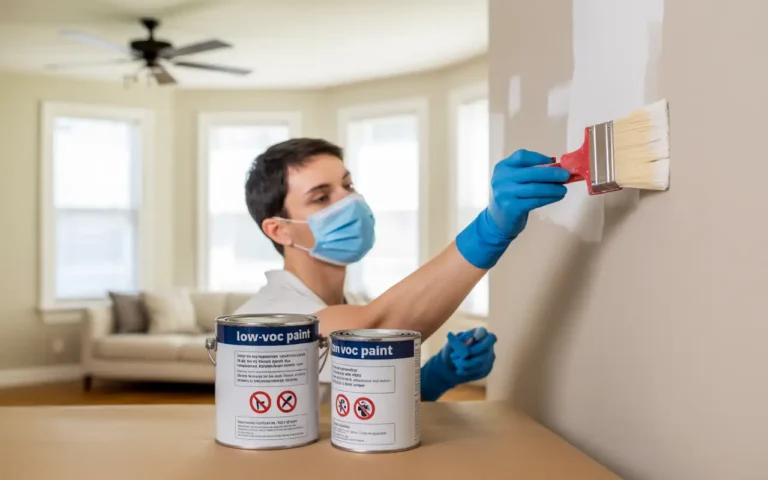
For water-based latex or low-VOC paint: Wait at least 24 hours before sleeping in the room, ideally 48 hours if possible. Keep windows open during this period.
For oil-based paint: Wait a minimum of 3 to 7 days, and seriously consider 14 days if the room is small or poorly ventilated.
For zero-VOC paint: You can often return within a few hours, though overnight ventilation is still a smart precaution.
These aren’t arbitrary numbers. They’re based on how VOC concentrations typically drop over time in a typical residential room. One study from the EPA found that VOC levels in freshly painted rooms can be 1,000 times higher than outdoor air immediately after painting a number that drops sharply within the first 24 hours with adequate ventilation.
Who Needs to Be Extra Careful?
Sleeping in a room after painting fumes are still present is particularly risky for:
Children and infants: Their respiratory systems are still developing, and they breathe more air relative to their body weight than adults. Never let a child sleep in a freshly painted room the same night.
Pregnant women: Some VOCs are linked to adverse effects on fetal development. Avoid prolonged exposure during pregnancy.
People with asthma, allergies, or respiratory conditions Even lower VOC concentrations can trigger symptoms in sensitive individuals.
Pets: Animals are often more sensitive to airborne chemicals than humans. Keep pets out of newly painted rooms until the air has fully cleared.
Practical Steps to Make a Painted Room Safe Faster
The good news: you don’t have to just wait and hope. There are concrete steps you can take to accelerate the process and make sleeping in a painted room safer sooner.
Open windows and run fans
Do this during painting and for at least 48 hours afterward. Box fans placed facing outward in windows help pull contaminated air out of the room.
Use an air purifier with an activated carbon filter
Standard HEPA filters don’t capture VOC gases, but activated carbon does. Running one in the room for 24–48 hours after painting makes a measurable difference.
Choose low-VOC or zero-VOC paint
If you’re planning ahead, this is the simplest solution. Many premium paint brands now offer zero-VOC formulas that perform just as well as conventional options.
Paint one coat at a time
Allow full drying and ventilation between coats rather than rushing multiple layers in a single day.
Avoid painting in extreme humidity
High moisture slows curing and prolongs the period during which fumes are released.
Related Painting Scenarios Worth Knowing About
Understanding paint safety extends beyond interior bedroom walls. Here are a few related topics that homeowners frequently ask about:
Cabinet Refacing vs. Painting: When updating kitchen or bathroom cabinets, refacing involves applying new veneer over existing surfaces, while painting requires priming and applying multiple coats. Painted cabinets can generate significant fumes in an enclosed kitchen; ventilation is just as important here as in a bedroom.
Painting Melamine Cabinets: Melamine surfaces require special primers and paints, which often have higher VOC content than standard latex. Extra drying time and ventilation are essential when painting melamine cabinets in kitchens or bathrooms.
Outdoor Painting Temperature Guide: For exterior projects, temperature matters. Most paints require application between 50°F and 90°F. Painting outside the recommended temperature range affects curing and can cause the paint to crack, peel, or fail to bond which means the project will need to be redone sooner.
Cost to Exterior Home Painting: For San Diego homeowners, exterior painting typically ranges from $2,500 to $8,000 depending on home size, surface condition, and the number of coats required. Exterior paints are formulated to handle UV exposure and moisture, so proper application conditions matter both for longevity and for avoiding VOC issues during the project.
Our team at San Diego Whole Home Remodeling handles both interior and exterior projects with a focus on proper prep, material selection, and cleanup. For anyone considering a full room refresh or larger remodel, our San Diego House Painting Services cover everything from consultation to final coat with guidance on which paint products are safest for your household.
Final Thoughts
The bottom line: is it safe to sleep in a freshly painted room? Not right away but with the right paint, proper ventilation, and a reasonable waiting period, you can return to your room safely and confidently. Water-based and zero-VOC paints make that waiting period much shorter and the risks far lower than they were with older paint formulations.
If you’re planning a bedroom refresh, a full interior repaint, or anything in between, making smart choices upfront the right paint type, good ventilation planning, and working with experienced professionals protects both your home and your family’s health.
Ready to start? Contact us to discuss your project, get a transparent estimate, and work with a team that takes air quality and finish quality equally seriously. We’ll help you choose the right products, prepare the space properly, and make sure the results look great and feel safe for everyone in your home.
FAQs: Is It Safe to Sleep in a Freshly Painted Room
Is it safe to sleep in a freshly painted room if the paint smells mild?
A mild smell doesn’t necessarily mean fumes are at safe levels VOCs can be present at meaningful concentrations even when the odor seems faint. Always wait the recommended drying time and keep the room ventilated regardless of how strong the smell appears.
How long after painting can you sleep in a room with a baby or toddler?
For children and infants, wait a minimum of 72 hours after using water-based paint, and at least two weeks after oil-based paint. If possible, use a zero-VOC formula and allow a full week of ventilation before a child sleeps in the room. Their lungs are significantly more vulnerable to airborne chemicals.
Can sleeping in a room after painting fumes cause long-term health problems?
A single night of mild exposure is unlikely to cause lasting harm in a healthy adult. However, repeated or prolonged exposure to high VOC levels especially from oil-based paints in poorly ventilated spaces has been linked to chronic respiratory issues, headaches, and in some cases, more serious health effects. The risk rises significantly for children and people with preexisting conditions.
Does opening a window fully solve the paint fume problem?
Opening windows helps significantly, but one window alone may not be enough. Cross-ventilation airflow moving through the room from one opening to another is much more effective. Combining open windows with a fan pointed outward dramatically speeds up fume clearance.
How long do paint fumes last indoors if I used low-VOC paint?
With low-VOC latex paint and reasonable ventilation, most of the fumes will dissipate within 24 to 48 hours. Zero-VOC formulas clear even faster, often within a few hours. Oil-based paints are the outlier, with fumes potentially lingering for up to two weeks.