Fill in any holes or cracks before you paint over them with a paintable caulk, a flexible sealer. If you want your home improvement project to look professional, you need to know what is paintable caulk. It usually has a water-based formula like acrylic or latex that can be applied without breaking or peeling.
This article will walk you through the many varieties of paintable caulk, how to apply it, and the necessary steps to ensure that your project looks professional and lasts for a long time. Paintable caulk is any joint-filling product that can be safely painted over to make gaps disappear.
Table of Contents
The Essential Difference: Paintable vs. Non-Paintable
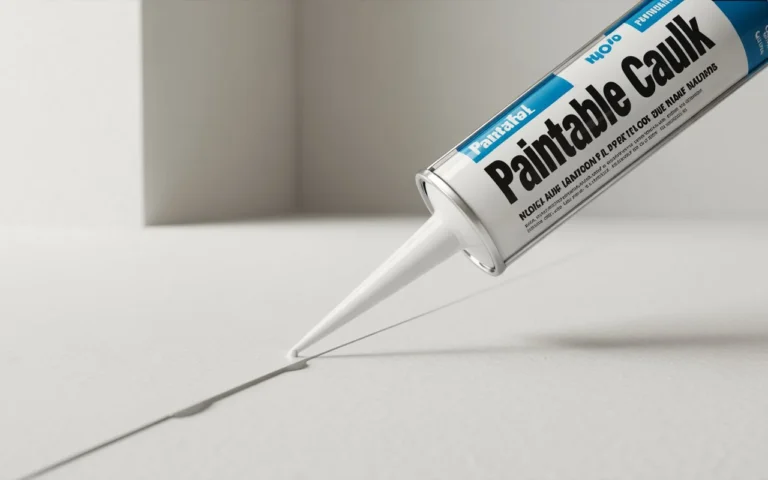
Not all caulk is made the same. The ability to accept paint is the single biggest difference between product types.
Caulk Type | Paintable? | Primary Component | Best For |
Acrylic-Latex | Yes | Acrylic or Latex | Interior trim, small gaps |
Siliconized Acrylic-Latex | Yes | Acrylic/Latex with Silicone | Interior/Exterior, high joint movement |
100% Silicone | No | Silicone | Wet areas (tubs, sinks, exterior sealing) |
The main issue is silicone. Pure silicone caulk is water and moisture-resistant but has a slick surface that paint struggles to adhere to. Paint will not stick to 100% silicone, causing fish-eyeing, peeling, or cracking. This is why you must specifically look for caulk labeled as paintable caulk before you start.
The Two Best Types of Paintable Caulk
When you search for a paintable caulk, you will mainly find two main formulas. Understanding their differences helps you choose the best caulk for painting for your specific job.
1. Acrylic-Latex Caulk
This is the most common and least expensive option. Acrylic latex caulk is water-based, making cleanup easy with just soap and water.
- Pros: Very easy to use, low odor, fast cleanup, cost-effective.
- Cons: Less flexible, less durable, prone to cracking in areas with significant temperature changes or joint movement.
- Best For: Interior projects like baseboards, crown molding, and sealing gaps between drywall and door frames.
2. Siliconized Acrylic-Latex Caulk
This hybrid product takes the best features of both materials. Manufacturers add a small amount of silicone to the acrylic-latex formula.
- Pros: Improved adhesion and durability, greater flexibility, better moisture resistance. This is excellent for both indoor and outdoor use. It lasts longer and is less likely to crack than standard acrylic-latex.
- Cons: Often slightly more expensive than pure acrylic-latex.
- Best For: All-purpose use, including both interior trim and exterior applications where better performance is desired.
Expert Tip: Unless the cost savings are huge, the superior durability and adhesion of siliconized acrylic latex caulk make it the best choice for almost any job.
How to Use Paintable Caulk
Don’t forget to fix it, no matter what. It takes more work, but that’s the only way to get a finish that looks perfect and professional.
- Get ready: Clean the part really well. Old glue, dust, and other loose things must not be on the surface. A clean joint makes sure that the glue sticks well.
- Application: Cut the caulk tube tip in half at a 45-degree angle. The hole should be the same size as the gap you’re trying to fill. While moving the gun forward, put down a steady bead of glue.
- Tools: To smooth the bead right after applying it, use a wet finger, a caulk tool, or a damp cloth. This makes a clean, feathered edge by pushing the glue into the space.
- Cleanup: Since both of the suggested types are water-based, use a wet cloth to wipe up any extra right away, before it dries.
The Crucial Step: Curing Time Before Painting
This is the most critical question after asking what a paintable caulk is. You must allow the caulk to fully cure before painting. Painting too early will trap moisture, causing the paint to crack, bubble, or sag later.
- Curing Times: While some fast-drying formulas claim to be paintable in 30 minutes, most standard acrylic latex caulk and siliconized acrylic latex caulk require 2 to 24 hours before you can safely apply based paints.
- Check the Label: Always check the specific drying time listed on your tube. Humidity and temperature can affect the cure time. When in doubt, wait longer.
Best Uses for Paintable Caulk
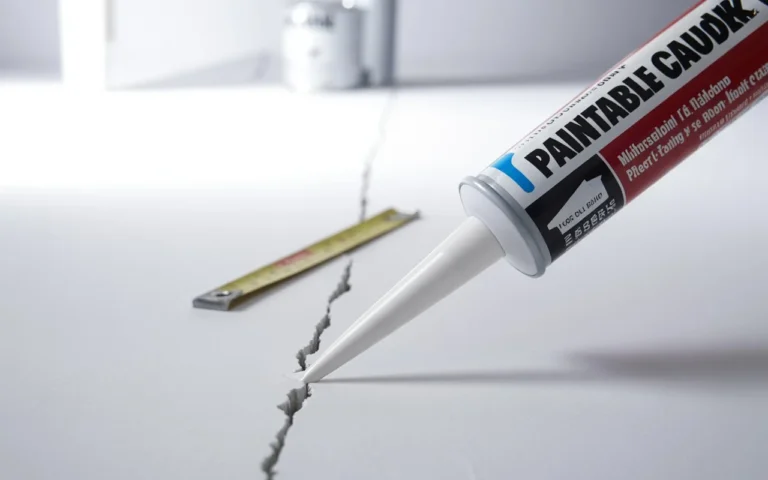
Paintable caulk is primarily a finishing tool used in construction and painting to hide imperfections.
- Sealing Interior Trim: Use it where trim (like baseboards or crown molding) meets the wall or ceiling. This hides small gaps caused by framing imperfections.
- Gaps in Door/Window Frames: Sealing the space where door or window casings meet the wall creates a tight seal and blocks air movement.
- Drywall Cracks: It can be used for non-structural cracks in drywall or plaster before painting.
- Cabinetry: Sealing the gaps where cabinets meet the walls for a built-in appearance.
Can I Use Paintable Caulk Outdoors?
It is possible to utilize external paintable caulk for outdoor tasks, but it is important to be selective when choosing.
It is usually not advisable to use regular acrylic-latex caulk for exterior applications. It might easily crack, become brittle, and break when exposed to water, sunlight, and extreme heat or cold.
Siliconized acrylic latex caulk is superior for use on exteriors. Because of its enhanced pliability and water resistance, it is far better able to withstand temperature and weather fluctuations. Still, some experts recommend using 100% silicone for joints that must be completely watertight, like those around doors or windows that are subjected to continuous driving rain.
Managing Silicone That Is Not Paintable
Keep in mind that painting over 100% silicone caulk requires additional steps if the joint in question requires water resistance.
- Avoid Direct Painting at All Costs; You Will Get Peeling Paint.
- Use a Primer: Prior to using silicone, you should apply a bonding primer that is made for use with silicone. You can safely paint the outside when the primer has cured.
- Choose a Matched Color: To save yourself the trouble, pick a color of silicone caulk (such as white or clear) that matches the material around it.
The quality of your exterior paint job depends on your familiarity with the differences between caulk and silicone.
Fully Optimized Painting: Using the Right Primer and Paint
To ensure your newly caulked joints look perfect, use quality based paints and primers.
- Priming the Caulk: After the caulk has fully cured, it is best practice to prime the entire area, including the caulk itself, before applying the finish coat. This ensures the caulk and the surrounding wall absorb paint consistently, preventing a flat or shiny spot over the caulked seam.
- Paint Selection: High-quality latex or acrylic paints are ideal for painting over caulk. They offer flexibility that helps them move slightly with the caulk during expansion and contraction, preventing hairline cracks.
Professional Painting Services
Achieving a perfect finish requires attention to detail, from choosing the right exterior paintable caulk to the final paint application. If the thought of caulking every seam and corner feels overwhelming, professional help is an excellent option. Experts ensure every joint is properly sealed and cured before painting.
Our team at San Diego Home Remodeling offers specialized painting services in San Diego, ensuring your interior and exterior finish carpentry is seamless. We understand the nuances of joint movement and material compatibility, guaranteeing a finish that lasts.
FAQs About Paintable Caulk
Is caulk paintable immediately after application?
No. You must allow the caulk to fully cure first. This can range from 2 to 24 hours, depending on the product and humidity. Always check the label before applying based paints.
What is the difference between caulk and sealant?
The terms are often used interchangeably, but generally, caulk refers to fillers used for gaps that receive little movement (like trim). Sealants, especially silicone, are used for larger gaps and high-movement areas, like those exposed to water or extreme temperature changes.
Can I use a paintable silicone caulk?
No product is 100% silicone and still paintable. Products labeled “paintable silicone” are actually siliconized acrylic latex. They contain a small amount of silicone for better performance but remain water-based enough to accept paint.
Should I caulk before or after painting?
You should always caulk before the final finish coat. Caulk is an underlayment meant to be painted over. You can apply caulk over an existing coat of primer or paint, but you must finish with the final coat to hide the caulk and achieve a unified look.