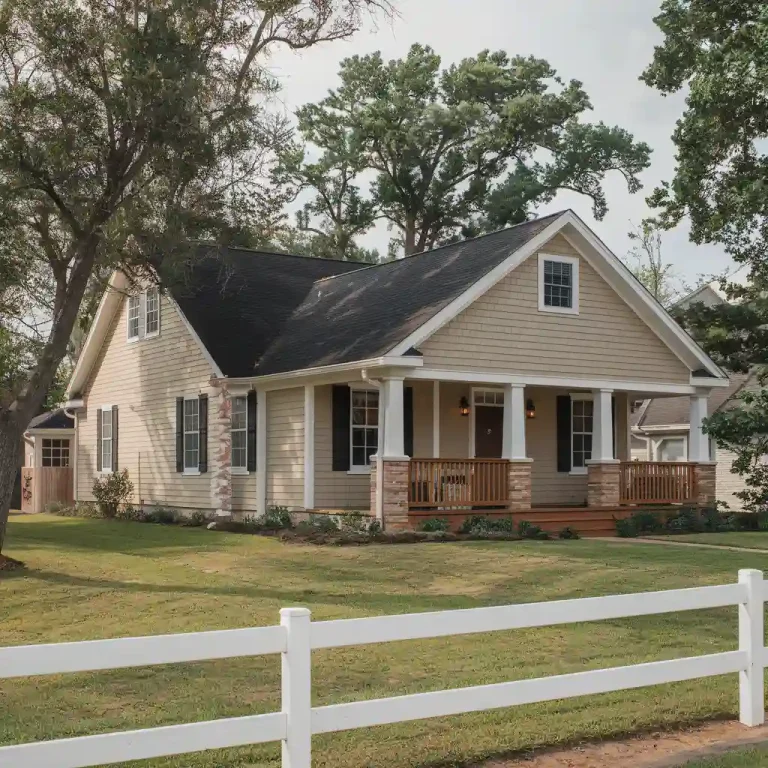
Walk through most original ranch homes, and the story is the same: solid bones, a smart single-story footprint, and finishes that stopped evolving somewhere around 1975. That gap is exactly why Ranch Style Home Remodel Ideas keep showing up in searches from Clairemont to El Cajon. The layout already works. What needs attention is everything layered on top, from tired windows to closed-off kitchens.
At San Diego Home Remodeling, we’ve walked through hundreds of these houses, and the pattern repeats block after block: homeowners either fix the surface and stay frustrated with the layout, or fix the layout first and let the surface follow. This guide is built around the second approach.
Key Takeaways
- Curb appeal changes cost the least and deliver the fastest visible return.
- A full ranch house remodel usually pays off fastest when structural changes happen before finishes.
- Kitchen and bathroom updates carry the strongest resale value in most ranch neighborhoods.
- Garage conversions and small additions add space without a second story.
- Coastal versus inland climate should guide material choices more than trend boards do.
Why Ranch Homes Are Worth Remodeling Right Now
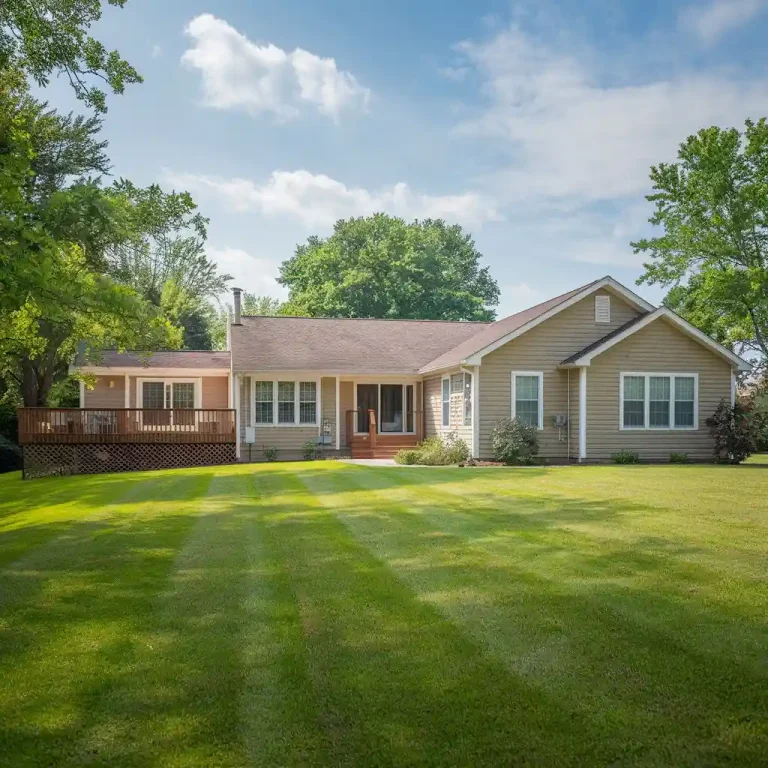
Single-story living is back, and it isn’t a passing trend. Buyers with young kids and buyers planning to age in place are both searching for homes without stairs, and ranch homes make up a large share of that housing stock in neighborhoods like Allied Gardens, La Mesa, and pockets of El Cajon, where postwar construction is common and original finishes often remain untouched. A ranch home remodel in these areas tends to close the gap between what the house was built for and how people actually want to live now. San Diego Home Remodeling sees this demand firsthand every month, especially from owners who bought a ranch specifically for the lot size and layout, then realized the interior hadn’t kept pace.
Signs Your Ranch Home Is Ready for a Remodel
Not every ranch needs the same scope of work. If the kitchen, dining room, and living room feel like three separate boxes instead of one connected space, that’s a layout problem, not a decor problem. If ceilings feel low despite a roofline that clearly has more height above them, there’s usable space being wasted. Dated aluminum windows that fog or stick, and a primary bathroom sized for one person’s routine, are two more common signals it’s time to plan a ranch remodel.
What to Keep vs. What to Change: Reading Your Ranch’s Original Bones
Not every original feature is a liability. Some are the reason the house has character in the first place.
1950s vs. 1960s vs. 1970s Ranch: Why the Build Year Changes Your Plan
A 1950s ranch often has smaller rooms, solid plaster walls, and single-pane steel windows, so window and insulation work usually comes first. A 1960s ranch tends to have wider room proportions and early open sightlines that just need refinement. A 1970s ranch often already has vaulted ceilings and larger glass, so the priority shifts to finishes, kitchen layout, and energy efficiency rather than structural work.
Original Details Worth Preserving (Not Everything Dated Should Go)
Original hardwood under old carpet, breeze-block screen walls, and simple brick facades are worth protecting during any ranch style home remodel. Stripping every original detail in the name of modernizing often removes the exact character that made buyers want a ranch home in the first place.
Start with Curb Appeal: The Fastest, Lowest-Cost Wins
Ranch homes have a long, horizontal profile, so small exterior changes read as bigger changes than they would on a two-story home.
Layered Landscaping for Horizontal Homes
Mixing low groundcover with mid-height shrubs and a tall ornamental tree near the corners breaks up a flat roofline. Drought-tolerant choices like agave, feather grass, or olive trees hold up well in San Diego’s climate without heavy irrigation.
Make the Front Door a Focal Point
Widening the entry, adding a sidelite panel, and switching to a solid or dark-painted door turns a door that used to blend into the siding into an actual focal point.
Add a Covered Porch or Front Patio
Even a modest covered porch with a simple shed roof adds shade, shelter, and a reason for people to pause at the entry instead of walking straight past it.
Use Horizontal Lines in Trim, Fencing, and Siding
Horizontal wood slat fencing and wide, simple trim work with a ranch’s architecture. Vertical picket fencing or ornate ironwork tends to fight the shape of the house instead.
Add a Gable Above the Entryway
Most ranch rooflines run in a single, unbroken pitch. A small gable peak above the front door breaks that line and gives the entrance a more custom look without touching the rest of the roof.
Roofing and Siding Materials That Actually Hold Up
Architectural shingles give a cleaner profile than basic three-tab shingles without pushing the budget into luxury territory. Fiber cement siding holds up especially well on the broad horizontal lines that define ranch architecture, though it requires proper cutting and flashing, so it isn’t a casual DIY material.
Window Upgrades That Change Light and Comfort
Windows affect light, airflow, and energy bills all at once, and they’re one of the most overlooked parts of a ranch house remodel.
Casement vs. Double-Hung: What Actually Improves Airflow
Original ranch windows are often small double-hung units that limit light and ventilation. Casement windows crank outward with slimmer frames, meaning more visible glass in the same opening and better airflow in mild coastal climates.
Natural Wood Window Framing for Warmth
Aluminum and white vinyl frames were standard for decades but read as flat against updated siding. Framing windows in natural wood tones, even just on the interior side, adds warmth without a full replacement budget.
Bay or Bow Windows for Depth and Nook Space
A flat wall of windows can still feel one-dimensional after an upgrade. Bay or bow windows project outward, adding physical depth and often creating a small interior nook.
Low-E Glass and Double or Triple Pane: The Efficiency Layer
Low-emissivity coatings reflect heat while still letting light through, which keeps rooms cooler in summer and warmer in winter. Double or triple pane glass adds a noticeable drop in outside noise, which matters most on ranches near busier streets.
Interior Remodel Ideas That Change How the Home Lives
Exterior work sets the first impression, but interior changes are what actually change daily life during a ranch remodel.
Open Up the Kitchen, Dining, and Living Area
Removing a non-load-bearing wall, or widening a doorway into a pass-through, opens sightlines across the front of the house. Some interior walls carry more structural load than they appear to, so an experienced contractor should confirm what’s safe to remove first.
The Trade-Off Nobody Mentions: Storage and Noise in Open Layouts
Opening a floor plan solves one problem and creates another: less wall space for storage and more sound traveling between rooms. Built-in cabinetry along the remaining walls and sound-dampening insulation in shared ceilings solve both issues before they become daily annoyances.
Raise the Ceiling to the Roofline
Ranch homes typically have flat ceilings sitting well below the actual roof structure. Removing the flat ceiling and exposing the trusses, properly finished and insulated, can add several feet of height to a kitchen or living room without changing the home’s footprint.
Kitchen Modernization: Layout, Appliances, and Storage
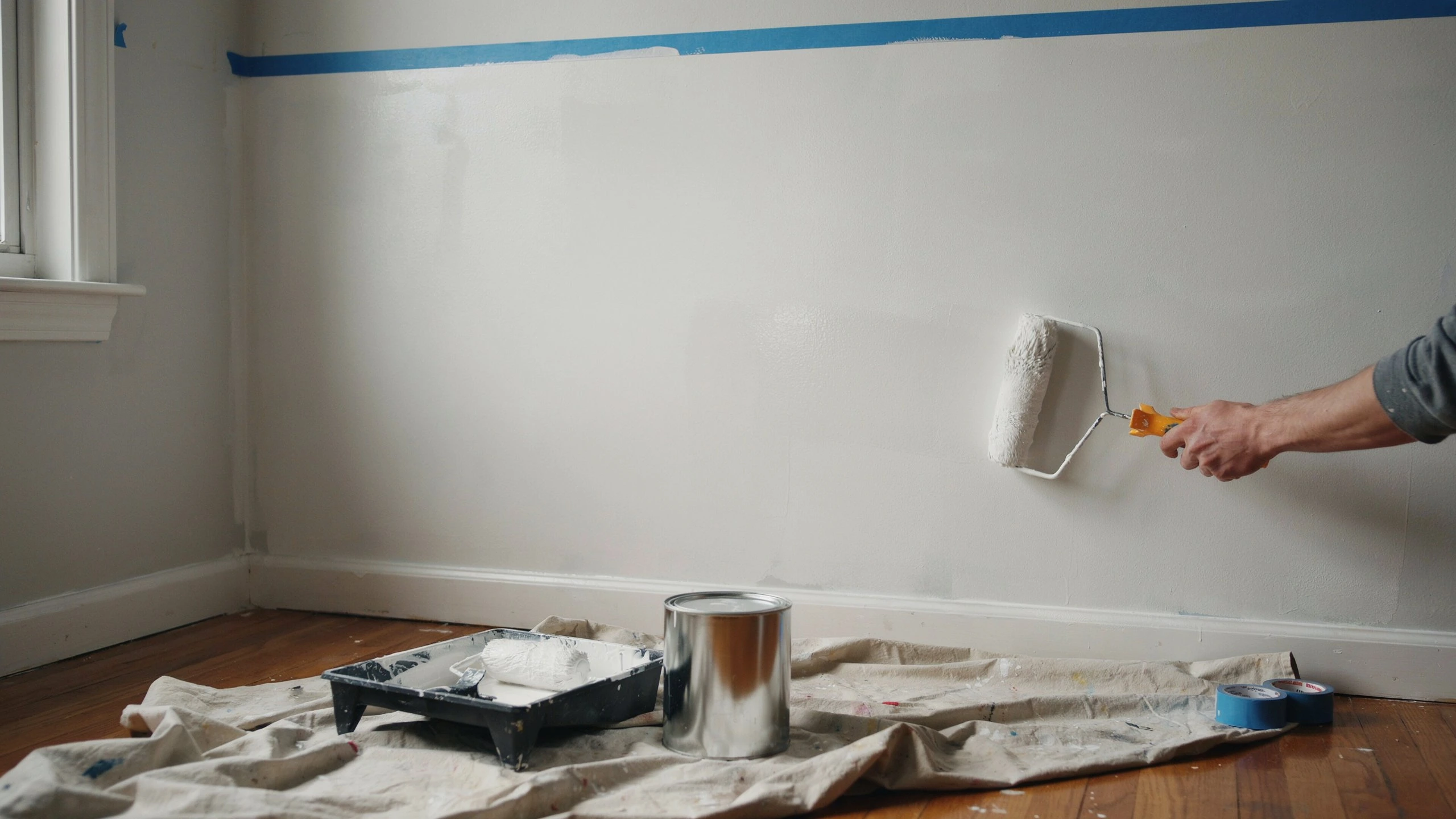
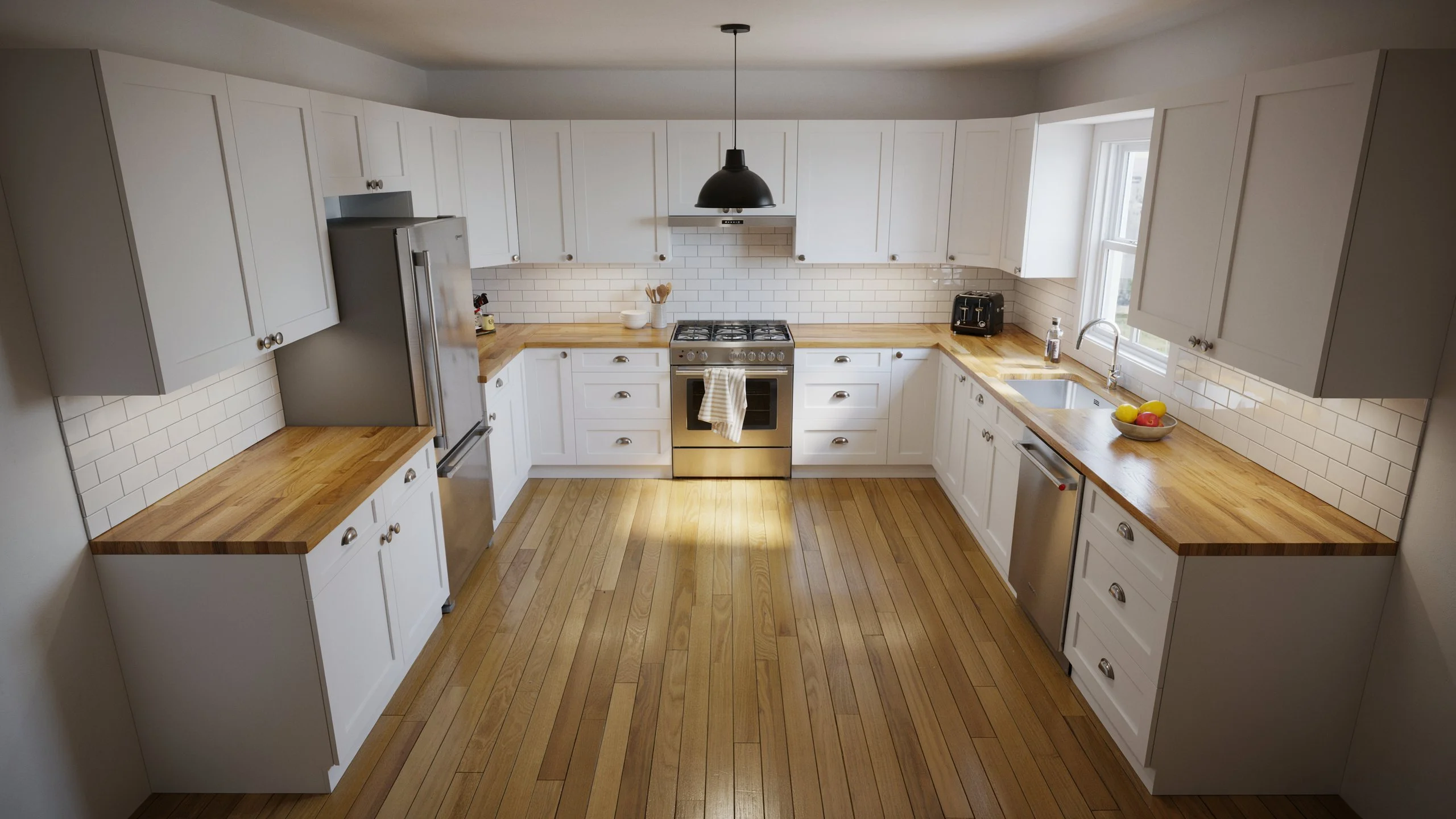
Picking the appliance package first, then sizing cabinets and counters around it, keeps the work triangle between sink, stove, and refrigerator efficient. Fresh paint, updated hardware, and a simple subway tile backsplash can shift the feel of the room even on a limited budget.
Expand or Upgrade the Primary Bathroom/Suite
Converting an underused bedroom, closet, or awkward nook into a proper ensuite with a walk-in shower and better storage changes the home from a dated layout to a comfortable retreat.
Flooring Upgrades That Unify the Whole House
Luxury vinyl plank offers strong value across high-traffic areas, while hardwood gives the best feel in main living spaces. Consistent flooring throughout is one of the simplest ways to make the whole project feel finished.
Bringing in Natural Materials: Wood, Stone, and Brick
A stone fireplace surround, natural wood cabinetry, or an exposed brick accent wall echoes a ranch’s original connection to the outdoors while still feeling current.
Dated Features Worth Removing First
Popcorn ceilings, heavy drapes, mirrored accent walls, and gold or brass switch plates are usually the fastest wins because removing them costs little but changes how the whole room reads.
Add Space Without Adding a Second Story
Ranch homes typically sit on larger lots than newer construction, which opens up options that don’t require building up.
Garage Conversion: What It Actually Involves
A garage conversion starts with insulating the walls, ceiling, and floor, then swapping the garage door for windows or a matching solid wall. Electrical, HVAC, and sometimes plumbing usually need updating too, along with a check on local permit requirements before demo starts.
Bump-Out Additions and Covered Outdoor Rooms
A small bump-out on the back of the house can expand a primary bedroom or kitchen without the cost of a full second story, while a screened porch or covered patio adds functional square footage while keeping the home’s horizontal profile intact.
Comfort and Efficiency Upgrades Buyers Notice
Single-story homes have more attic surface area relative to living space than people expect, so heat loss and inconsistent room temperatures show up quickly. An energy audit is the best starting point, since it identifies whether insulation, ductwork, or the HVAC system is the real problem before you spend money guessing.
Designing for Every Stage of Life: Aging-in-Place Upgrades
Ranch homes already offer a strong foundation for aging in place thanks to their single-level layout. Widened doorways, lever-style handles, curbless walk-in showers, and non-slip flooring make daily life easier now and remove the need for a second remodel later.
What These Upgrades Typically Cost (Budget Tiers + ROI)
Every ranch style home remodel is different, but most projects fall into three tiers.
Cost and ROI by Project: A Side-by-Side Snapshot
Low-tier projects like landscaping, a new front door, and exterior paint rarely need permits and deliver the highest visible impact per dollar. Mid-tier projects such as wall removal, window replacement, and a covered porch usually require permits and take longer, but noticeably improve day-to-day comfort. High-tier projects, including vaulted ceilings, full kitchen or bathroom remodels, and additions, need multi-trade coordination and carry the strongest resale value in most ranch neighborhoods.
5 Ranch Remodel Mistakes That Waste Budget
Removing a wall before confirming whether it’s load-bearing is one of the costliest mistakes, since fixing a structural problem after demo costs far more than an engineer’s assessment upfront. Skipping permits on structural or electrical work can create issues at resale. Choosing materials based on trend boards instead of the local microclimate leads to premature wear. Doing cosmetic work before structural work means landscaping around a problem you’ll eventually tear back into. And tackling finishes before the layout is settled often means paying for the same square footage twice.
How to Plan Your Ranch Remodel the Right Way
Three questions should shape the plan before the demo starts. Is the work cosmetic or structural, since paint and landscaping rarely need permits while wall removal and roofline changes usually do? What’s the realistic budget ceiling, since it’s common for a small project to grow once walls are opened? And is the work happening in phases or all at once, since phasing spreads out cost but means living through repeated rounds of construction?
If you’re weighing a full-property overhaul instead of a single room, our San Diego Whole Home Remodeling page walks through how larger projects get sequenced so nothing gets torn up twice.
How a Ranch Remodel Typically Unfolds, Start to Finish
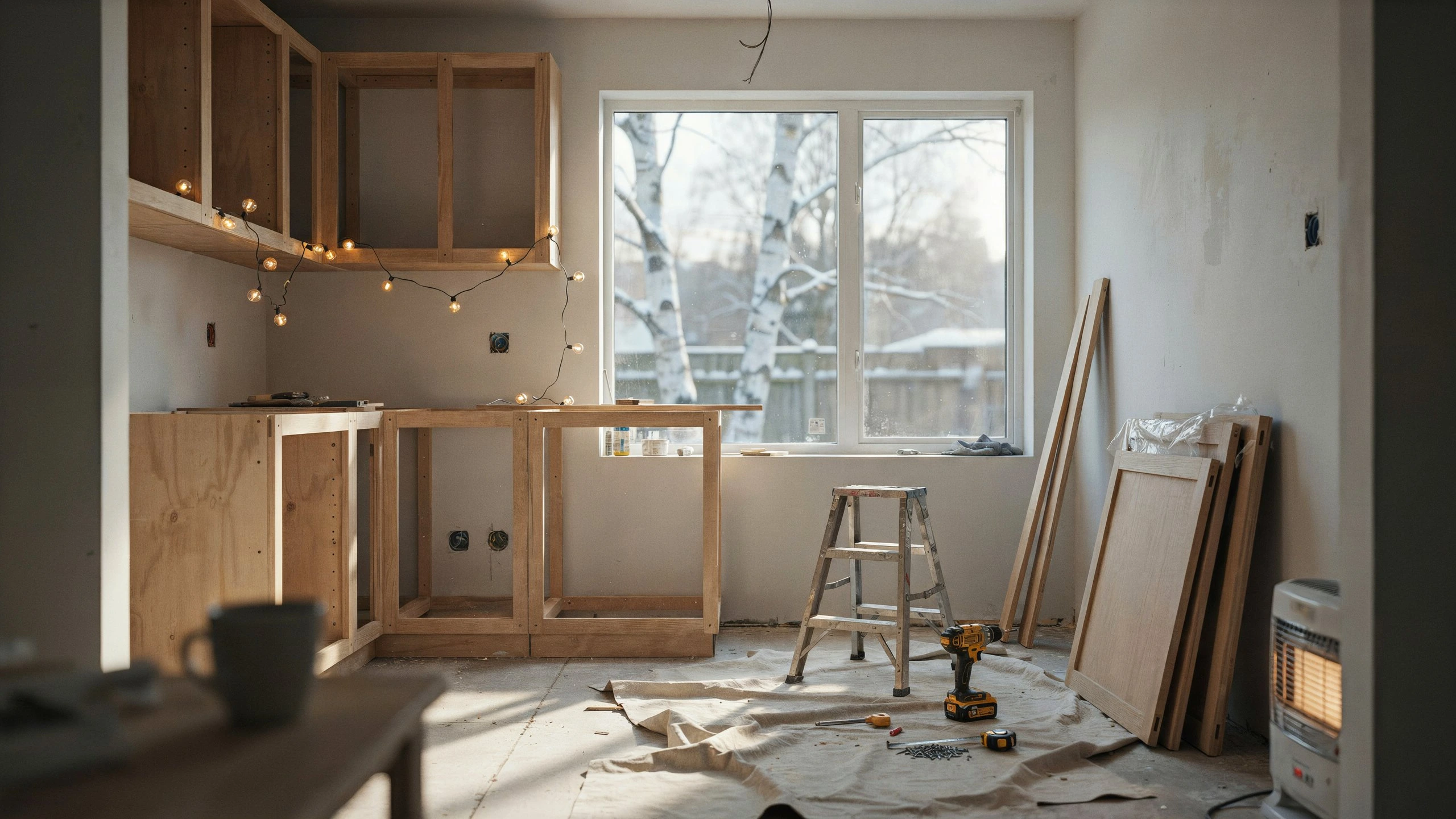
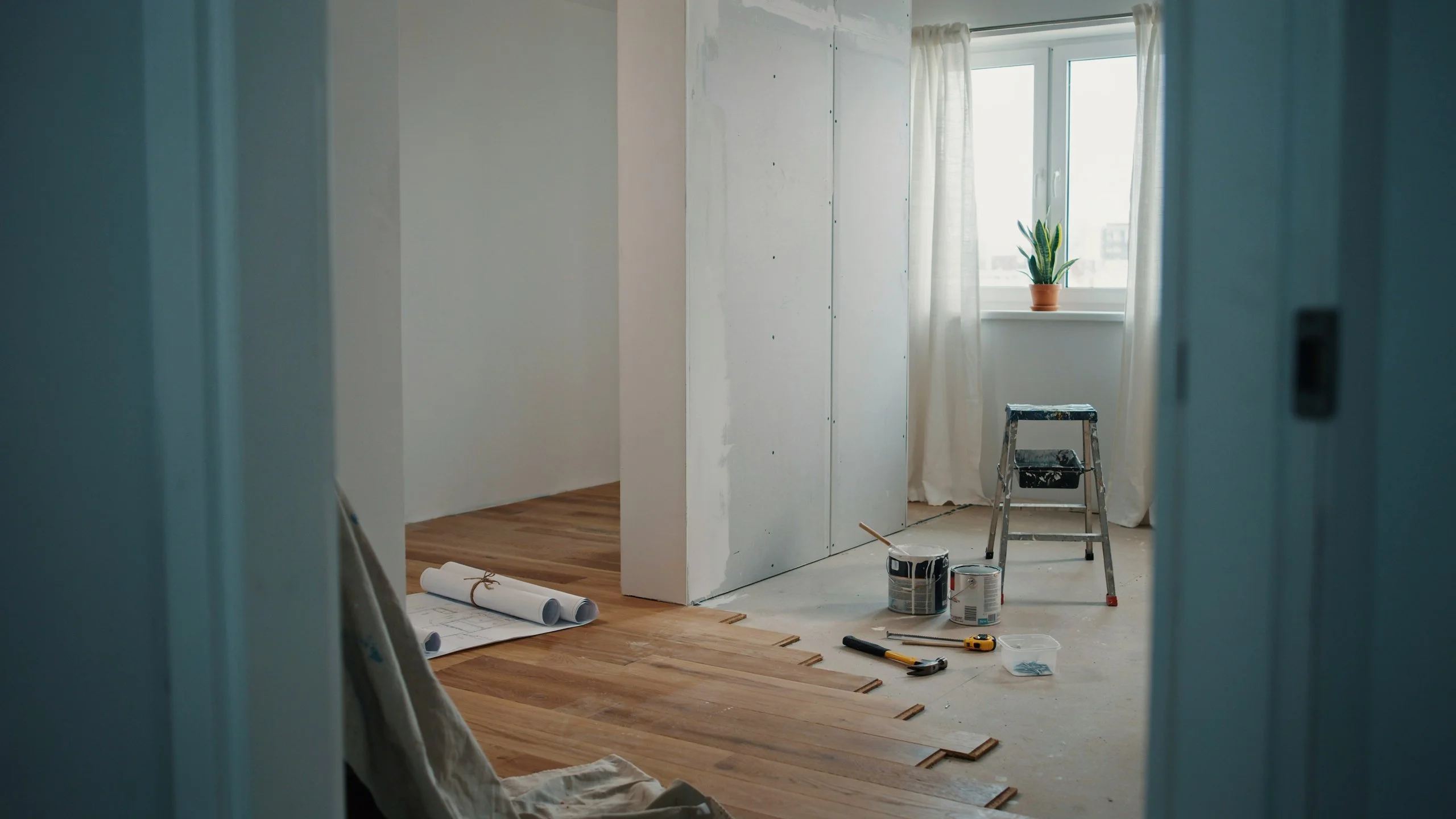
A well-sequenced ranch remodel usually follows the same order regardless of the home’s size. Structural questions get answered first, including whether interior walls are load-bearing and whether the roof framing can support a raised ceiling. Permits and engineering sign-off come next, since structural and electrical work almost always needs them in San Diego County. Demo and framing happen before finishes, so the layout is locked in before anyone picks a backsplash. Mechanical rough-in, including HVAC, electrical, and plumbing, follows the framing stage, then insulation, drywall, flooring, and cabinetry close out the project in that order. Following this sequence, rather than jumping straight to finishes, is what keeps a mid-size remodel on schedule and on budget.
You may also read: Split level home remodel ideas
Local Considerations for San Diego Ranch Homes
San Diego’s climate isn’t uniform across the county, and that affects material choices more than most remodel guides mention. These local factors are also why generic ranch remodel ideas built for other climates don’t always translate directly to a San Diego home.
Coastal vs. Inland Material Choices
Coastal properties near La Jolla or Pacific Beach deal with salt air, which accelerates corrosion on untreated metal fixtures and siding, so marine-grade hardware and sealed wood or fiber cement siding hold up far better. Inland homes in El Cajon or Poway face bigger temperature swings and more direct sun, where window upgrades and attic insulation make a larger comfort difference.
Permit Timelines by Neighborhood
Permit timelines vary by jurisdiction within San Diego County, so it’s worth confirming requirements early with the local building department rather than assuming a neighbor’s project followed the same process.
Which Ranch Remodel Path Fits Your Home? A Decision Guide
If your main goal is resale value, start with the kitchen, primary bathroom, and curb appeal, in that order. If your main goal is daily comfort, start with the open floor plan and window upgrades before touching finishes. If your main goal is long-term living in place, start with accessibility upgrades and HVAC efficiency, since those pay off every single day you live in the house rather than only at resale.
Final Thoughts
A ranch style home remodel works best when it respects the architecture instead of fighting it: horizontal lines, single-story flow, and a strong connection between indoor and outdoor space. Interior layout changes deliver the biggest shift in daily comfort, while exterior updates deliver the fastest visible return.
If you’re ready to talk through what’s realistic for your ranch home remodel and your budget, contact San Diego Home Remodeling for a free, no-pressure consultation.
FAQs
Do I need a permit to remove an interior wall in a ranch home?
In most cases yes, especially if the wall carries any load or contains electrical and plumbing lines. A contractor or engineer can confirm this during a walkthrough before any work begins.
How much does a typical ranch house remodel cost per square foot in San Diego?
Costs vary widely by scope, but cosmetic updates run far lower per square foot than structural work involving wall removal, roofline changes, or additions. A walkthrough quote is the most accurate way to budget for your specific home.
Can I raise my ranch home’s ceiling without adding a second story?
Yes, in many cases the existing roof structure already has enough clearance to expose trusses and add height below. This depends on the specific roof design, so it’s worth having someone assess the attic directly.
Is a garage conversion a good way to add space during a ranch remodel?
It can be, especially since ranch homes often sit on larger lots with underused garage space. The right approach depends on whether the parking space is needed long term.
Is now a good time to remodel a ranch home?
Single-story demand remains strong among buyers with young families and buyers planning to age in place, which keeps ranch remodel ideas relevant for both comfort and resale. The best time is whenever your budget and timeline align, since waiting rarely lowers material or labor costs.